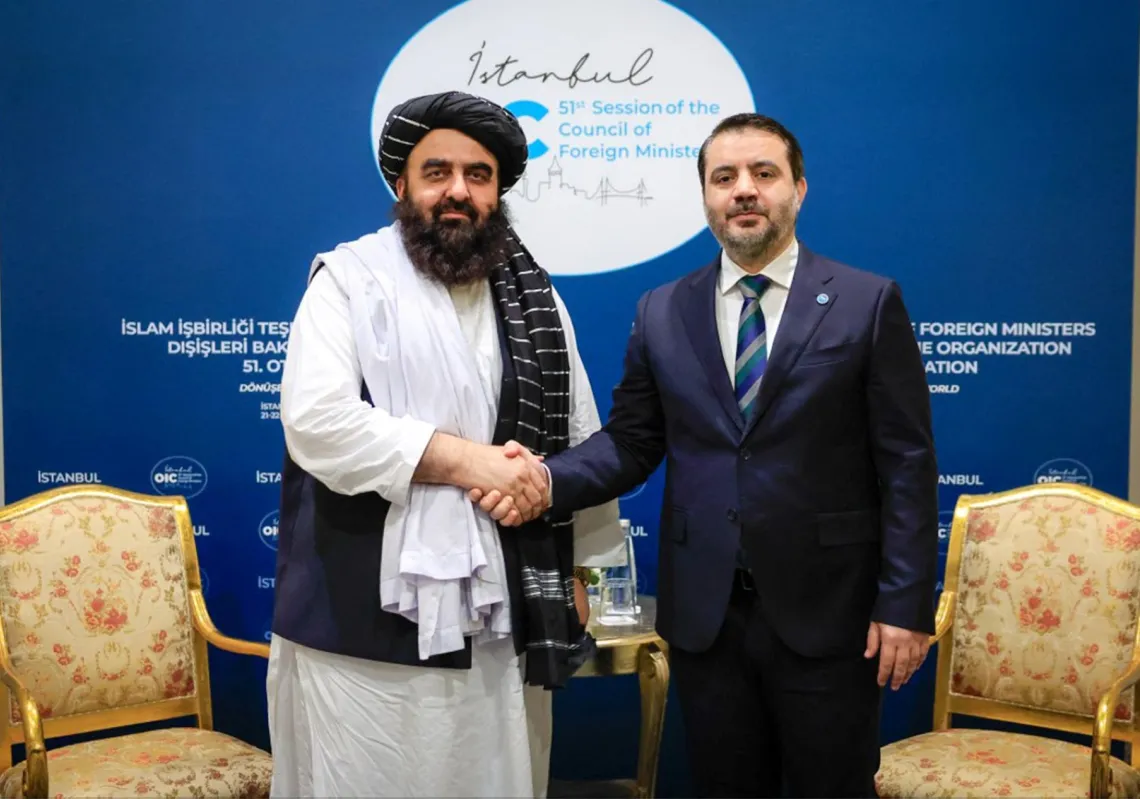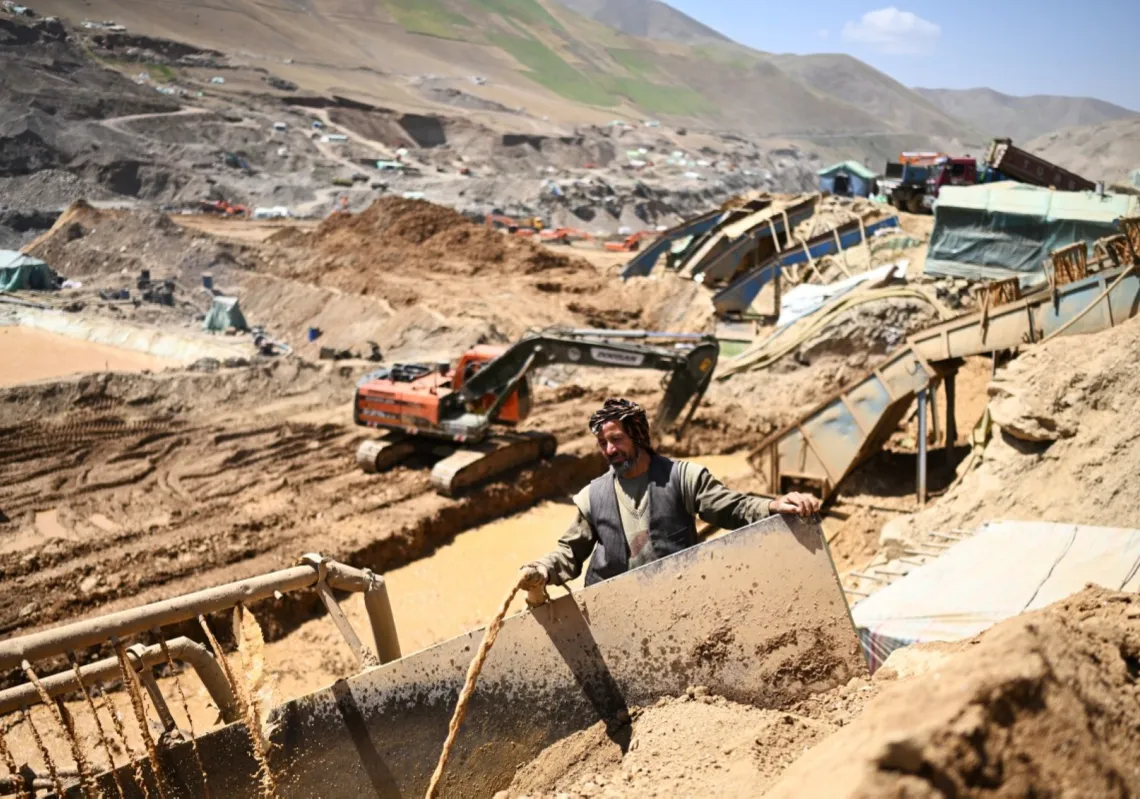
A generation after the Soviets limped out of Central Asia, and only five years after the Americans followed suit, Russia is back in Kabul with a deal to train and equip the Taliban's fighters
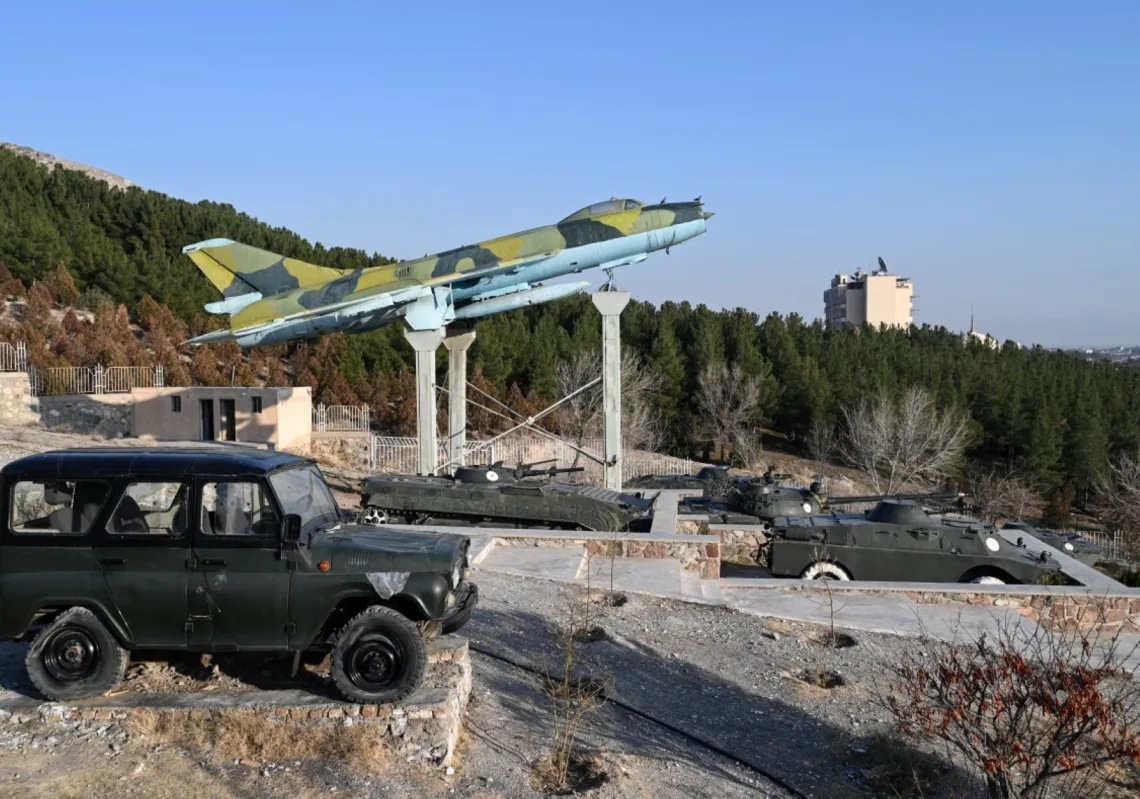
The flare-up is no isolated episode. Rather, it is the most dangerous chapter in a fraught, decades-long relationship that began during the Soviet-Afghan War in the 1980s.
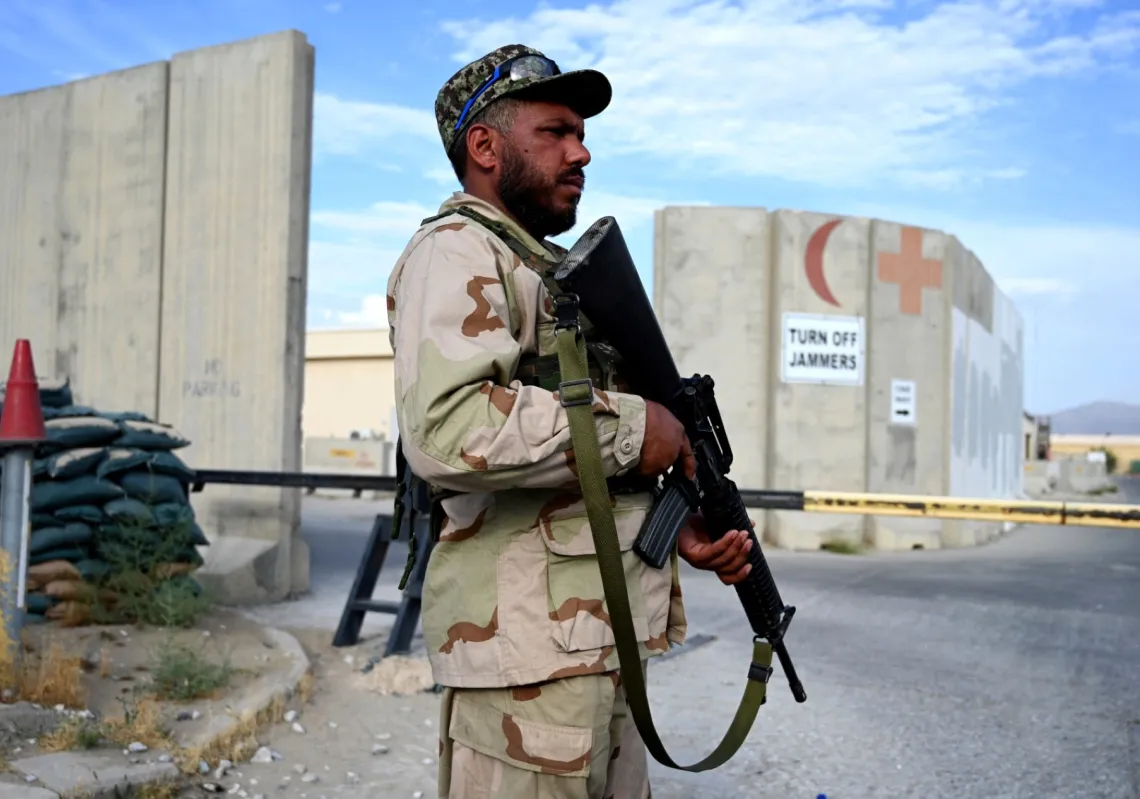
Afghanistan's ancient town of Bagram once sat on the Silk Road, along a key passage from India. Today, it is sought by America, Russia, and China for different reasons that are no less strategic.
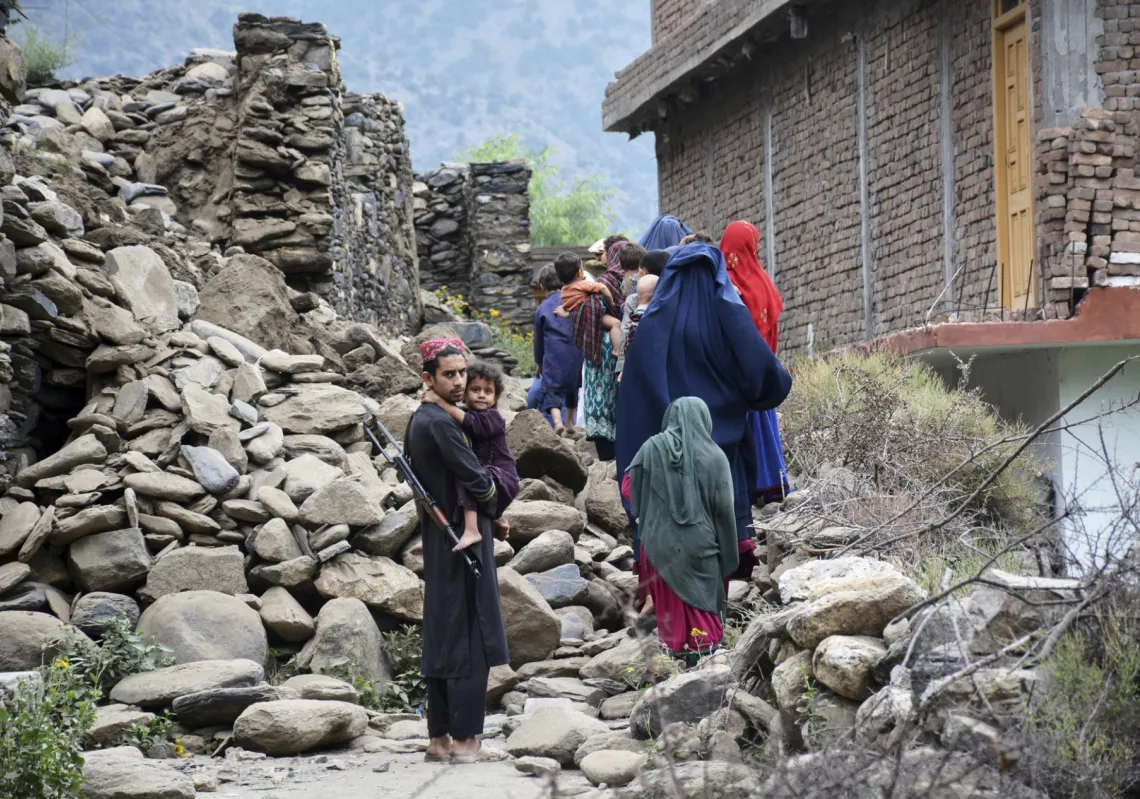
An earthquake in Afghanistan earlier this week levelled entire villages and left people trapped under rubble for days, but in the shadow of the Hindu Kush, saviours were thin on the ground
Trump's new National Security Chief has already gone after officials who took part in Biden's blunderous exit from Afghanistan—a war he served in and learned a lot from
India was close to the pre-Taliban regime but it collapsed when the US pulled out in 2021 and its successors now look to Russia and China. A land link to Central Asia, India knows it must re-engage
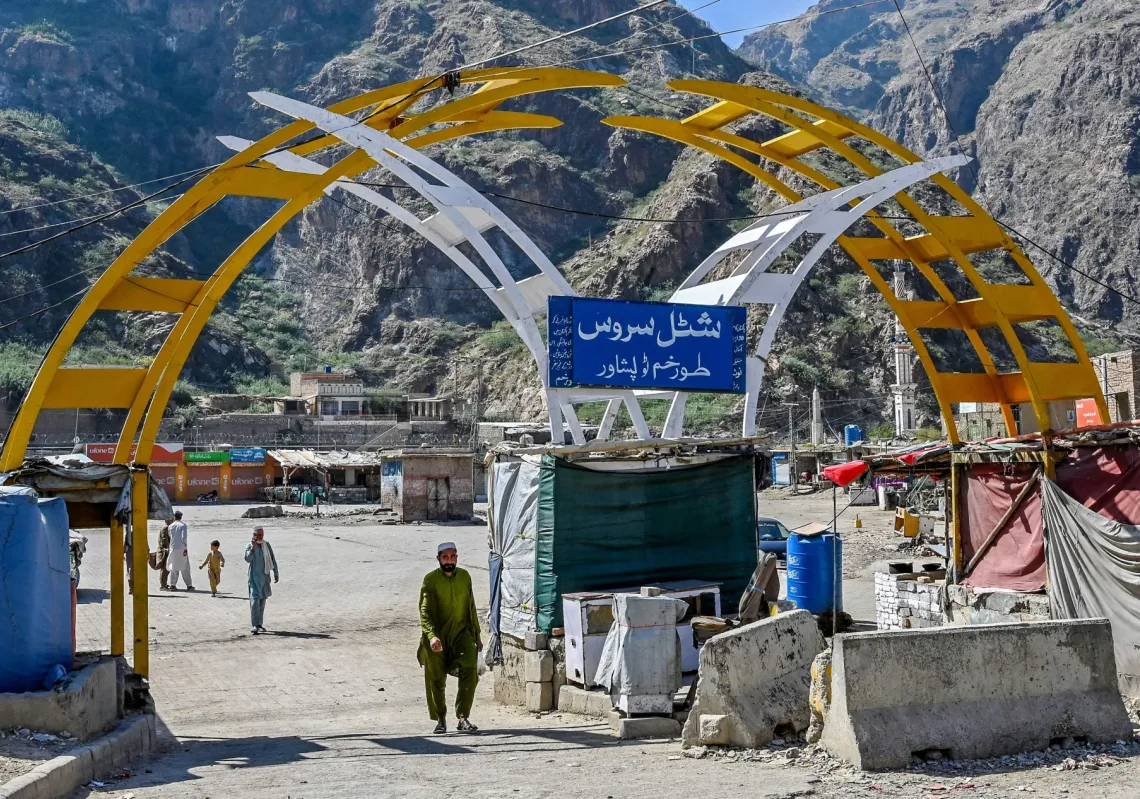
The Taliban's inability to deal with terrorist groups on its soil means Islamabad has launched its own military action over the border. To restore order, international mediation is now needed
The Islamic State Khorasan Province has a history of carrying out attacks in central Asia, but its leadership and structure are largely opaque. Al Majalla explains.
Both Iran and Pakistan have supported some elements of the Taliban in the past in political plays to weaken Afghanistan. But things have not panned out the way that they had hoped for.
As sports gambling becomes a multibillion-dollar global business, fuelled by digital technology and regulatory change, its influence is extending far beyond the pitch