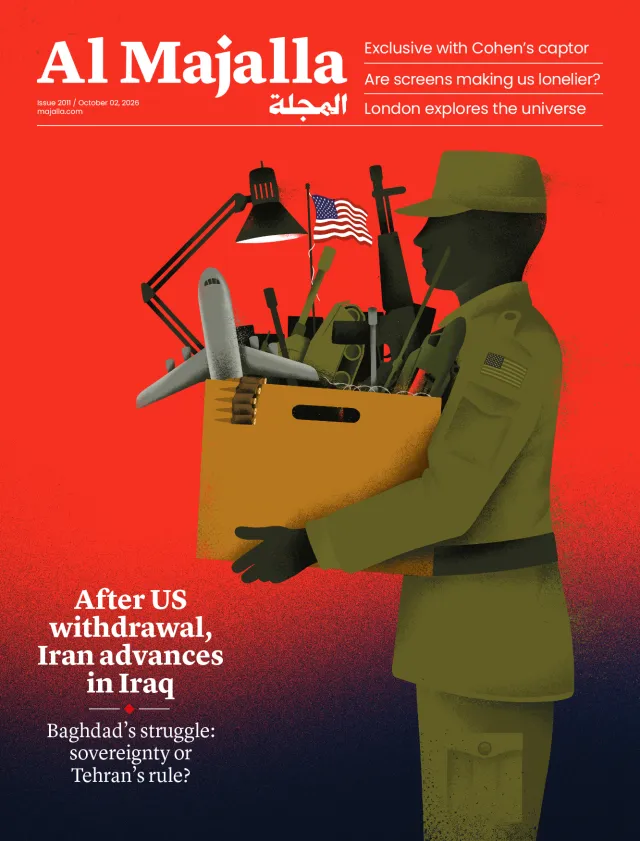
As the US-Iran war intensifies, it has drawn in non-state actors across the region. While Baghdad says it is not a party to the conflict, militias have stepped in on Tehran's side.
In recent weeks, policy gaps between the US and Israel have emerged, both on the scope and nature of Israeli military operations in Gaza and what should come next after this conflict is over.
The government is engaging with high-level representatives looking into how its reforms have affected opposition and civil society groups on the ground
While it would be unthinkable for Israel to negotiate with a Palestinian entity of which Hamas is part, it is also too difficult to envisage a situation whereby Hamas is completely out of the picture.
There are concerns about Iranian attempts to influence the internal situation in Jordan, either by using its territory for military actions against Israel or by attacking American entities there.
Dissenting voices are silenced in pursuit of a media narrative and national consensus that disregards the fundamental human rights of Palestinians and allows Israel to continue its brutal assault
It is curious that amid the global attention on the Gaza war, very few commentators have remarked on the way that European imperialism laid the foundations for the Israel-Palestine conflict.
The US-Israeli war against Iran aims to draw in Gulf states, but history has shown that entering wars is far easier than exiting them. Prudence is needed now more than ever.
PA Foreign Minister Varsen Aghabekian Shahin tells Al Majalla that Israel is taking advantage of the fact that the world is distracted by the US-Iran war to create irreversible facts on the ground
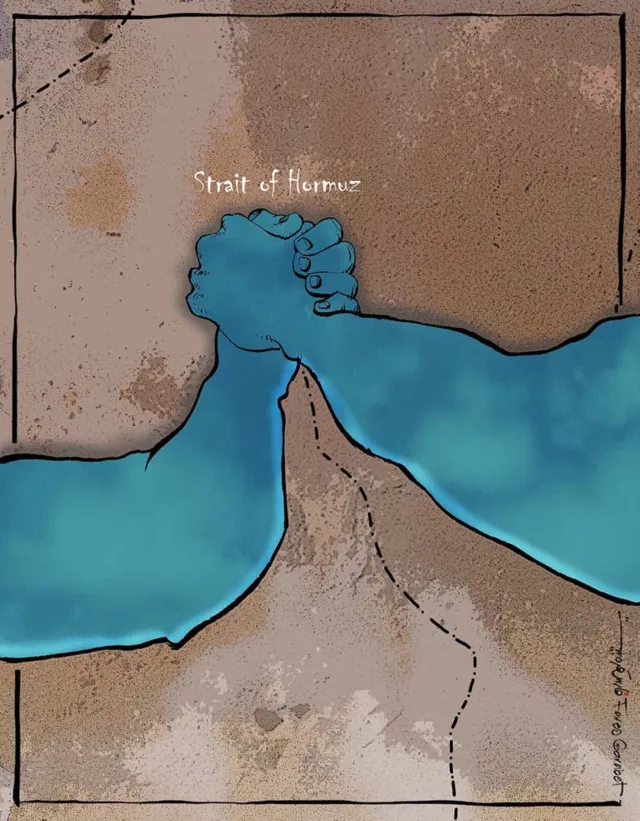
Given the effective closure of the Hormuz Strait and Houthi threats to close off the Red Sea, Syria may emerge as a corridor and conduit to bypass these embattled maritime chokepoints
A former army forensics employee who later became known as Caesar tells Al Majalla how he risked his life to expose the torture and killing of countless Syrians in regime prisons