
With all the talk of the Houthi militia’s advance into southern Yemen along the Red Sea’s eastern coast, it is easy to forget that a civil war in Ethiopia killed hundreds of thousands on the sea’s western flank from 2020-22, and easy to miss the signs that it may be flickering back to life.
Beyond the Horn of Africa, that civil war went barely noticed, which suited world powers with no intention of intervening. The fight back then was between the Ethiopian government of Abiy Ahmed and the Tigray People’s Liberation Front (TPLF). In recent days, they appear to have picked up where they left off in 2022.
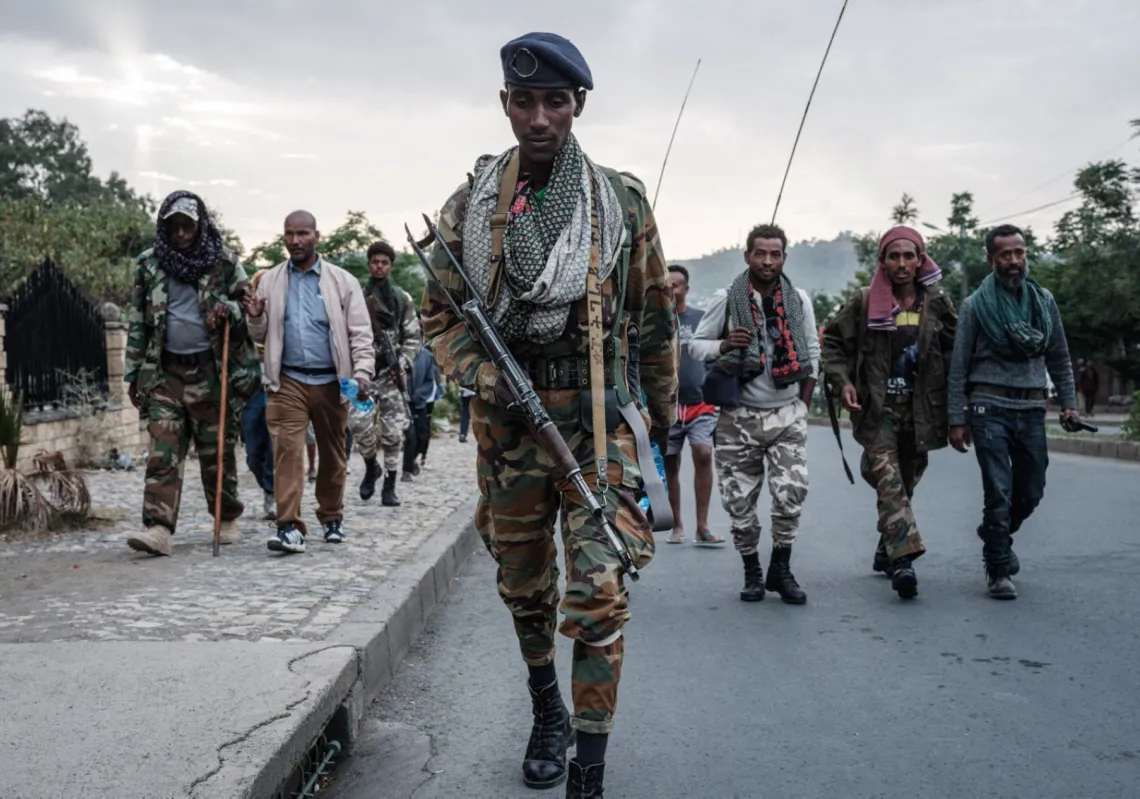
Six years ago, the government of the neighbouring state of Eritrea and the powerful Fano militias from the Ethiopian region of Amhara (which borders Tigray) fought on the side of the Abiy government. The TPLF, which governs Tigray, fought alongside several other militias and liberation groups (including the Oromo), but were outnumbered.
As the Ethiopian and Eritrean armies advanced from the south and north respectively, the TPLF suffered initial losses, but regrouped and fought back in 2021, retaking Tigray and moving into Amhara and Afar, threatening major routes into the capital, Addis Ababa. Eventually, the army rallied, and the fighting ended in a truce in November 2022.
A period of calm endured, and the United States even eased sanctions and arms embargoes on Ethiopia and Eritrea on 18 September. It may have jinxed it, because on 20 September, the TPLF and the Fano issued a joint statement through Zemene Kassie of the Amhara Fano National Movement, announcing the creation of the Ethiopian Peoples’ Forces Alliance for Survival. This included the Fano, the TPLF, and the Oromo Liberation Army (known as the ‘big three’ in terms of their fighting capabilities). The Fano and TPLF are former enemies and may harbour grievances, but for now they seem not only to be on the same side but also to be aiming to topple Abiy’s government.
Eritrea’s elderly ruler Isaias Afwerki, who previously fought alongside Abiy, has since turned against him and is believed to be helping the TPLF-Fano alliance (although he has not publicly stated a position). Cue the fireworks.
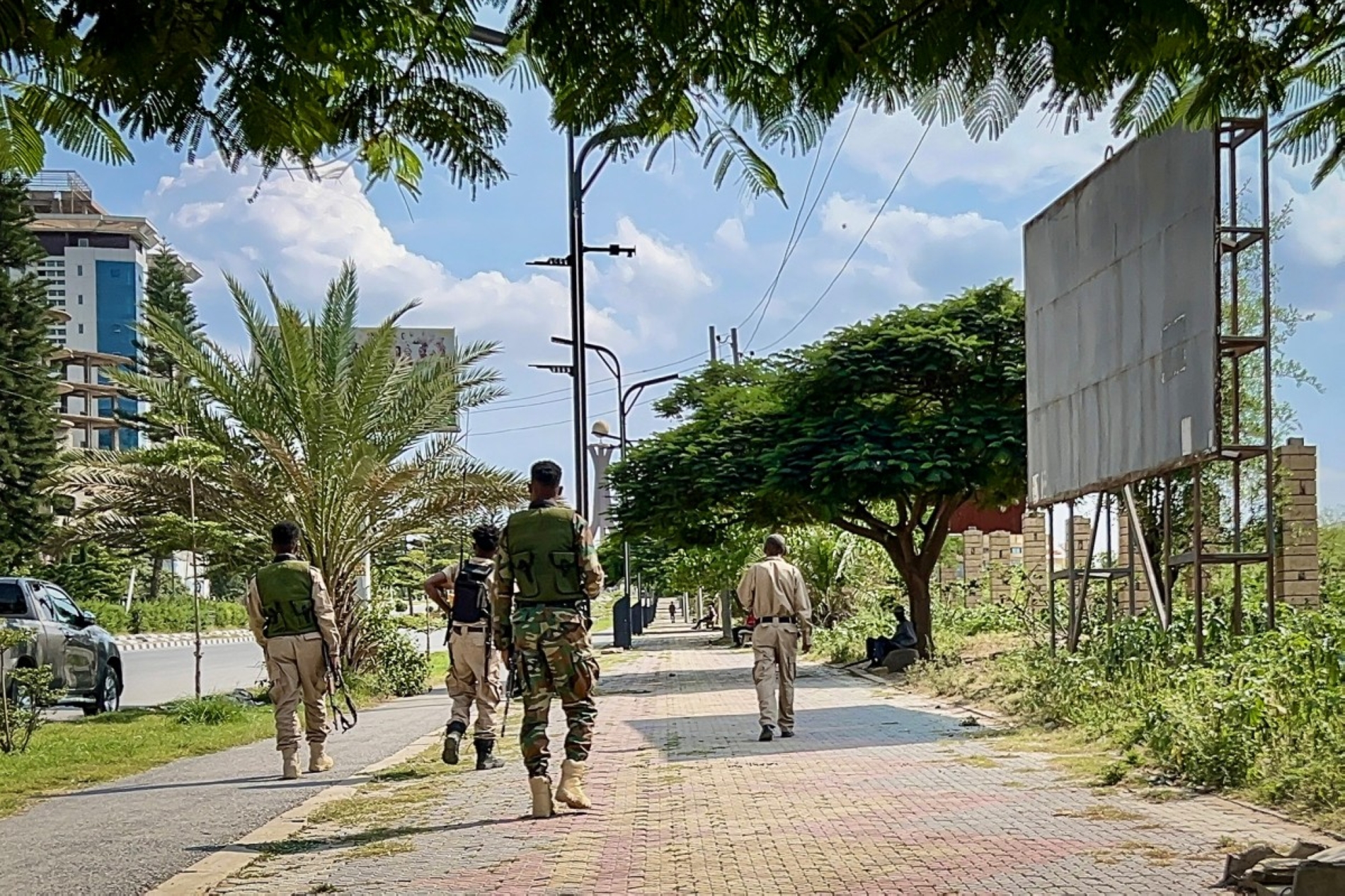
On 23 September, the Tigray Defence Forces (the armed wing of the TPLF) seized the airports of Mekelle, Axum and Shire, with clashes reported in Afar and Amhara. The alliance claims to have support in six of Ethiopia’s 12 regions. If true, this may be no minor separatist revolt on the periphery, but the start of a nationwide war waged by an opposition that rejects the government's legitimacy (and that may have the support of Eritrea).
No one knows how many people died in the 2020-22 war. Estimates vary widely. Olusegun Obasanjo, the African Union's mediator, put the toll at around 600,000. ACLED, a conflict-monitoring group, recorded fewer than 10,000 reported deaths, but it does not count deaths from hunger, and the gap shows how little could be seen through the blackout.
The 2022 Pretoria agreement halted the war in Tigray, but by the spring of 2023, the conflict had moved to Amhara, where the federal army met stern opposition as it tried to disarm the Fano. Army drones have since killed hundreds, but very few media outlets covered reports of abuses, with the government having cut local phone and internet connections in Tigray and rescinded the accreditation of correspondents from outlets such as the New York Times and The Economist. Abiy is drawing the blinds and locking the doors.