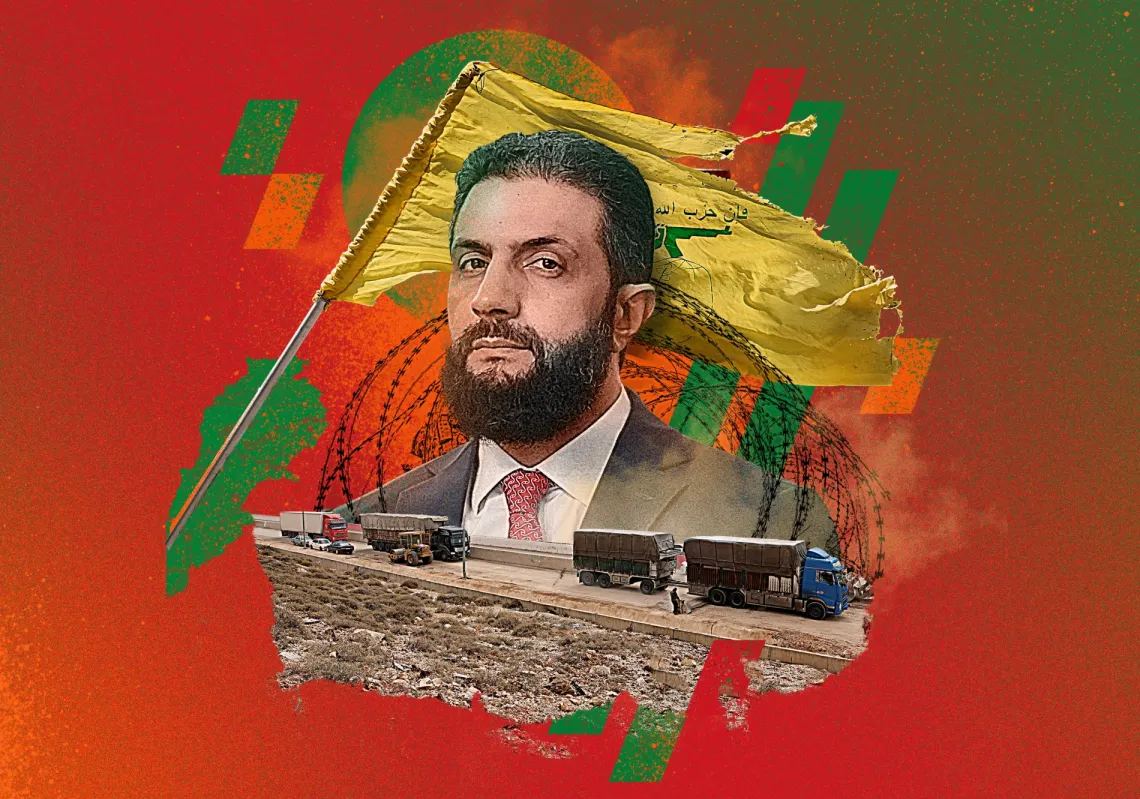
Despite Hezbollah’s repeated claims that foreign sanctions would not affect its capabilities, evidence suggests that the group is facing a serious financial crisis. Its leaders have already…
Climate change, by altering the world’s physical and ecological landscape, is also changing its geopolitical landscape. Recent years have witnessed the outbreak of multiple wars in some of the…
In the last few decades, economic diversification has been a top priority of all the Gulf Cooperation Council (GCC) countries. Even prior to the drop in oil prices in mid 2014, their leaders…
The world today needs a new framework for global cooperation in order to preserve peace and accelerate progress. After the cataclysm of World War II, leaders designed a set of institutional…
Noah Joshua Phillips serves as one of five Commissioners on the U.S. Federal Trade Commission, following his appointment to the position by President Trump and unanimous confirmation by the U.S…
“We must always take heed that we buy no more of strangers than we sell them, for so we should impoverish ourselves and enrich them.” Those words, written in 1549 and attributed to the English…
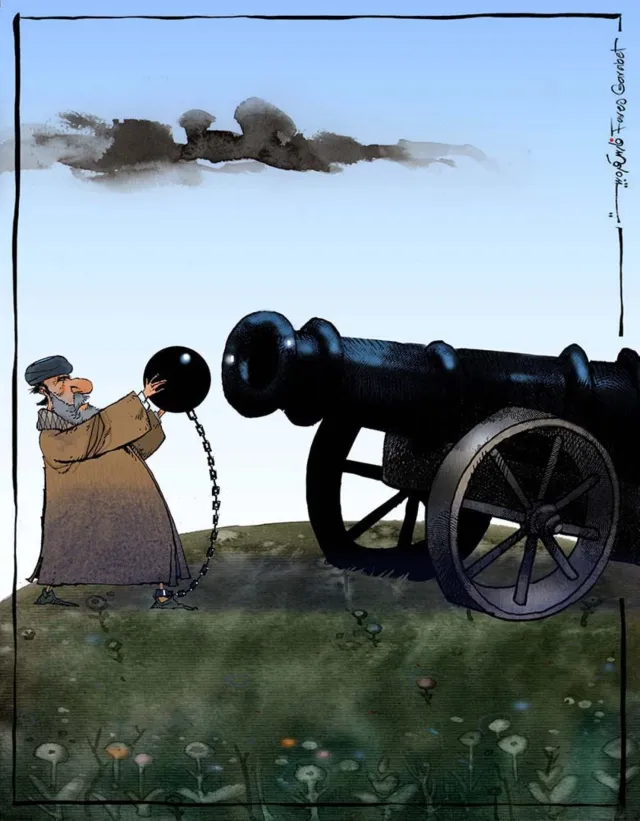
It has been a week of mixed outcomes with respect to Iranian sanctions and military confrontation with its neighbors and the world. The grave implications of a new missile test were seemingly…
Disruption in the Hormuz can have major implications for global trade, but it also creates opportunities for smaller nations like Iran to become global political players
The Iraq war was viewed as disastrous in retrospect, while the Iran war was unpopular from the get-go. Al Majalla highlights the similarities and differences between the two.
Pipelines have a chequered history in the Middle East, but the closure of the Strait of Hormuz has led US Tom Barrack to conclude that a new route through Syria could solve some problems.