
Any serious discussion of America’s military presence in the Middle East has to go beyond debating how big that presence should be or what shape it should take. The United States is stuck in the Middle East with a bloated footprint that is increasingly hard to defend, physically and politically, precisely because American decision-makers let posture dictate strategy rather than the reverse.
There is no point in asking whether US forces in the region should grow, shrink, or disappear until Washington honestly answers what that posture is meant to achieve and which strategy it is meant to serve.
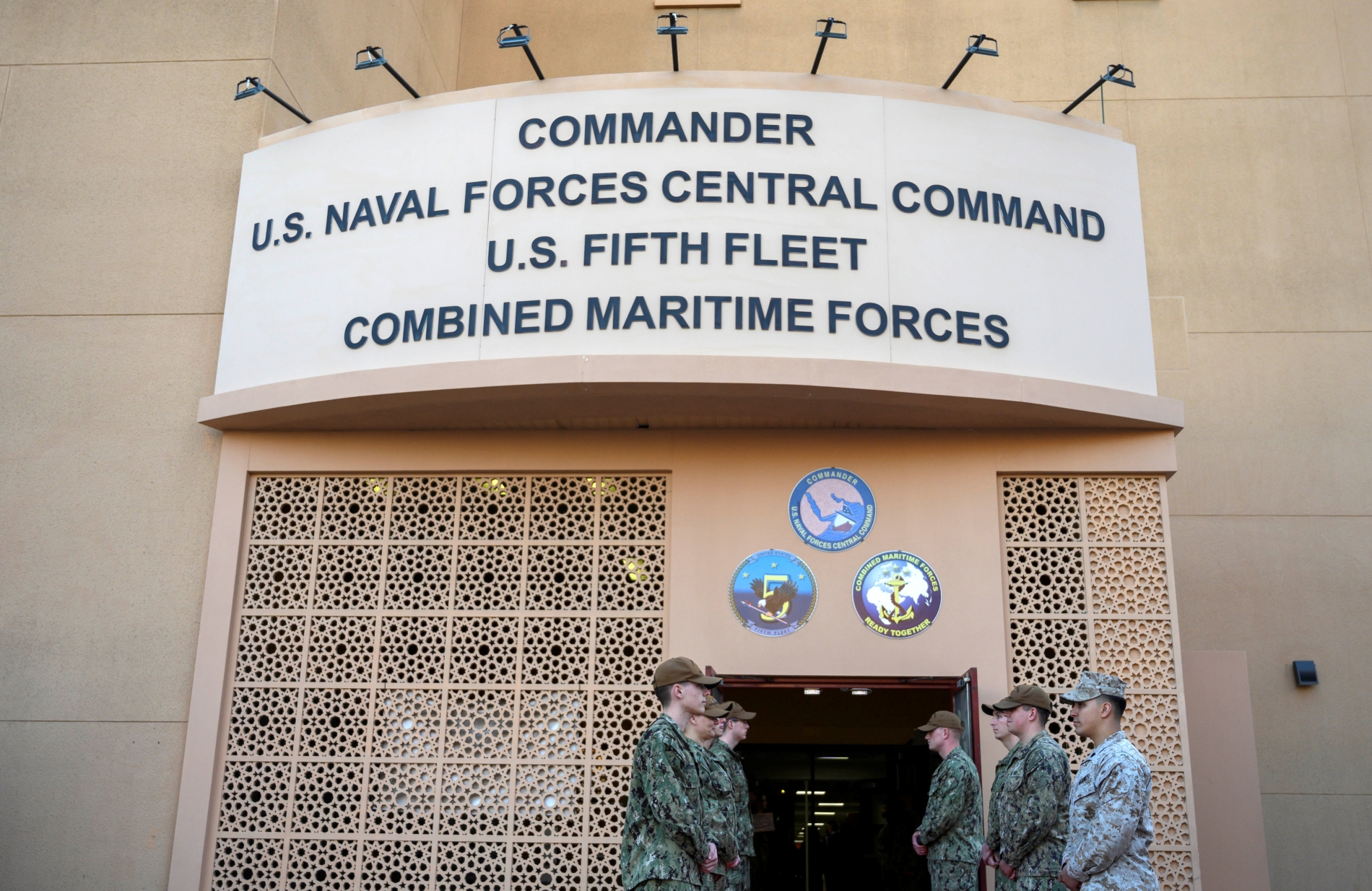
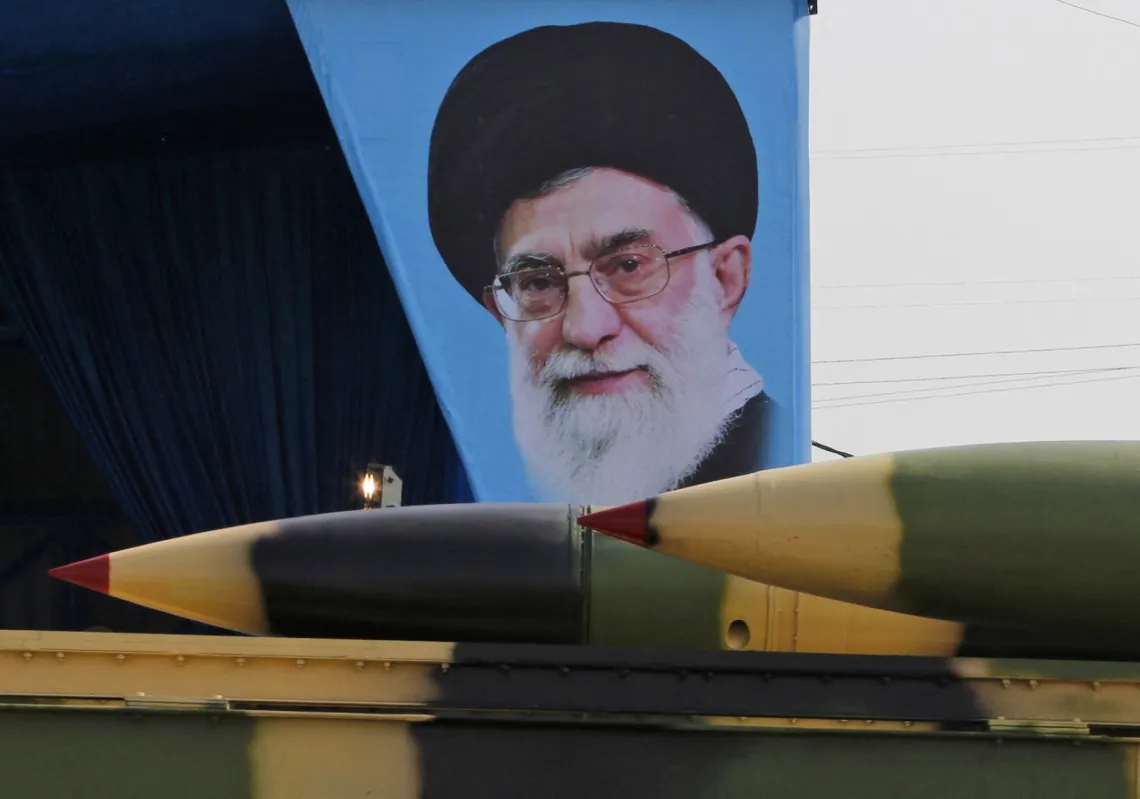
We have long suspected that the US military presence in the Middle East is too large and too exposed to Iranian missile and drone attacks. The US-Israeli war against Iran has proven us right. When US personnel have to leave their bases mid-conflict and take shelter in Gulf hotels, you have a force protection problem. Iran has not only killed and harassed American troops but also struck critical nodes of US military infrastructure, including Al Udeid Air Base in Qatar and the US Navy’s Fifth Fleet headquarters in Bahrain. That we have reached this point is remarkable, and a damning indictment of US deterrence in the region.
But the response to such Iranian attacks shouldn’t simply be to trim the US presence, close a few bases here and there, disperse the forces, and/or operate from outside the region. Such a knee-jerk reaction, while guaranteed to be politically popular in Washington, doesn’t address the broader strategic challenge facing the United States in the Middle East: how to more effectively achieve enduring objectives in that still strategically vital part of the world without undermining a US global strategy that emphasises other priority theatres such as the Western Hemisphere and the Indo-Pacific.
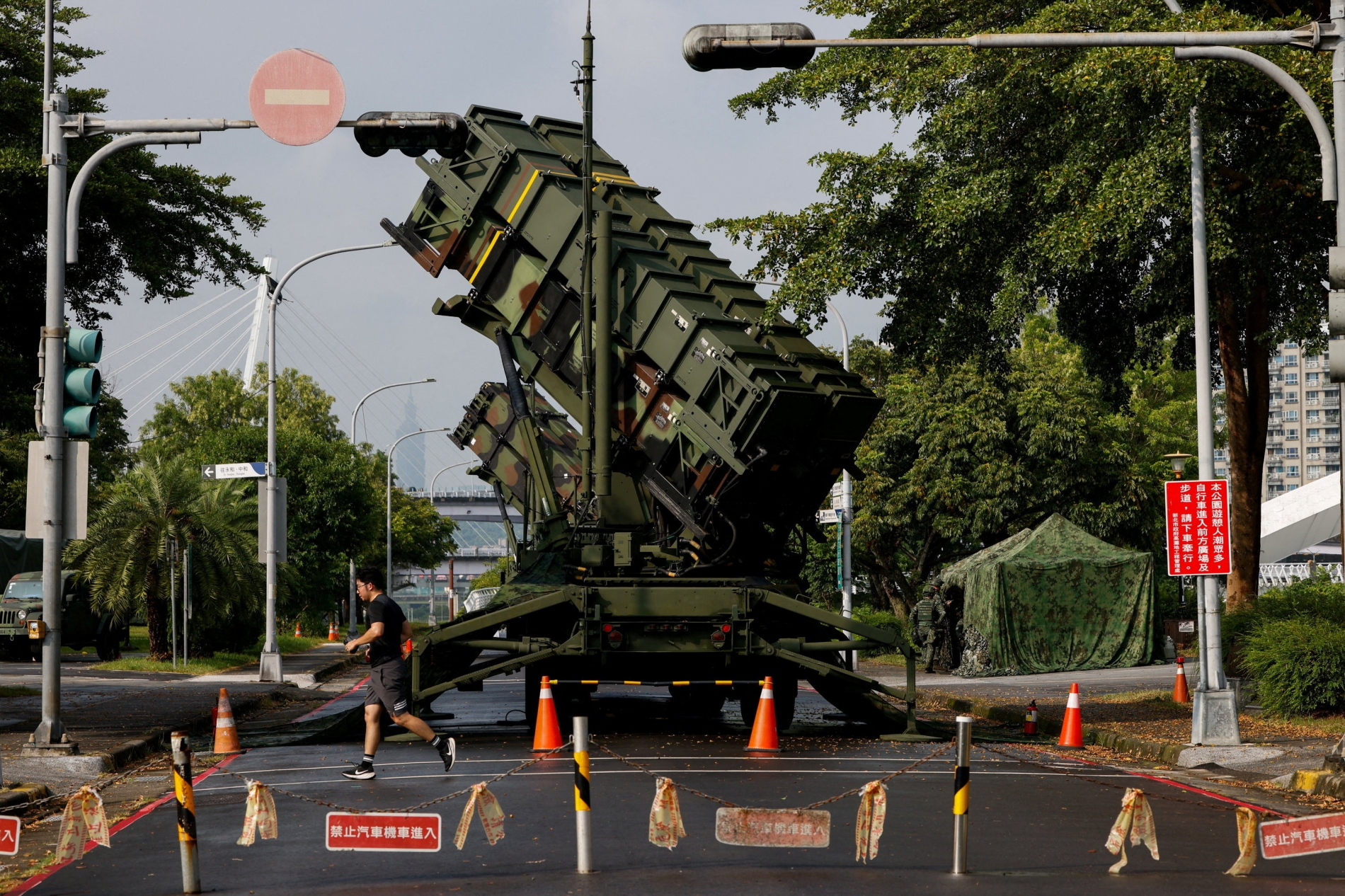
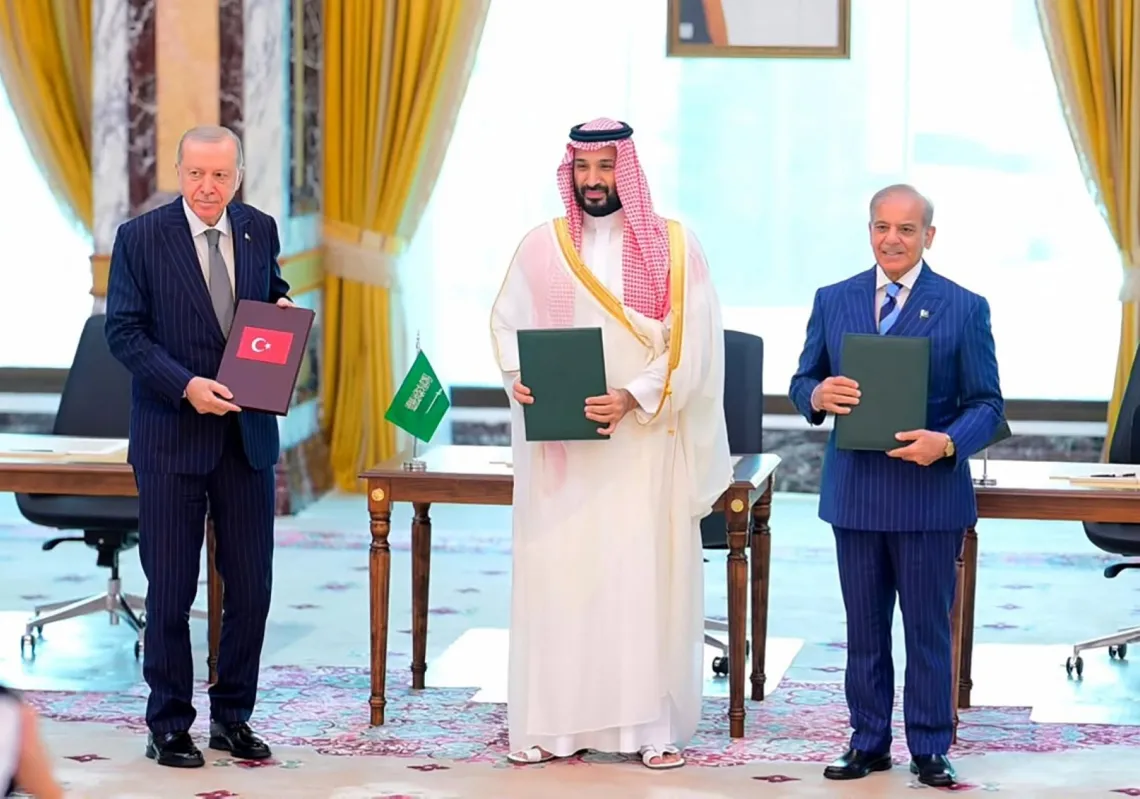
The strategy that makes the most sense, and has made the most sense since at least 9/11, is to enable regional partners to play more effective and constructive security roles. No one in Washington has bothered to put that approach to a real test. Doing so will require the United States to get far more serious about moving away from the role of security guardian or guarantor, which has looked increasingly unpromising of late, and toward the role of facilitator and integrator.
The goal is not for the United States to subcontract Middle East security to its regional partners, or to China for that matter. The first would be unrealistic and the second dangerous. The United States has long-term interests in the region, namely freedom of commerce and navigation, the nonproliferation of weapons of mass destruction, and counterterrorism, and it must be able to defend them independently of its partners’ proclivities and abilities. But the aim is for Washington to secure those interests together with its regional partners, so that the burden on the US military is reduced.
The question, then, is what kind of US posture is best suited to meeting those objectives while promoting a security architecture that puts greater responsibility in the hands of partners. The answer is a posture that prioritises capability, access, and specialisation over footprint, capacity, and dispersion. Let’s take each in turn.