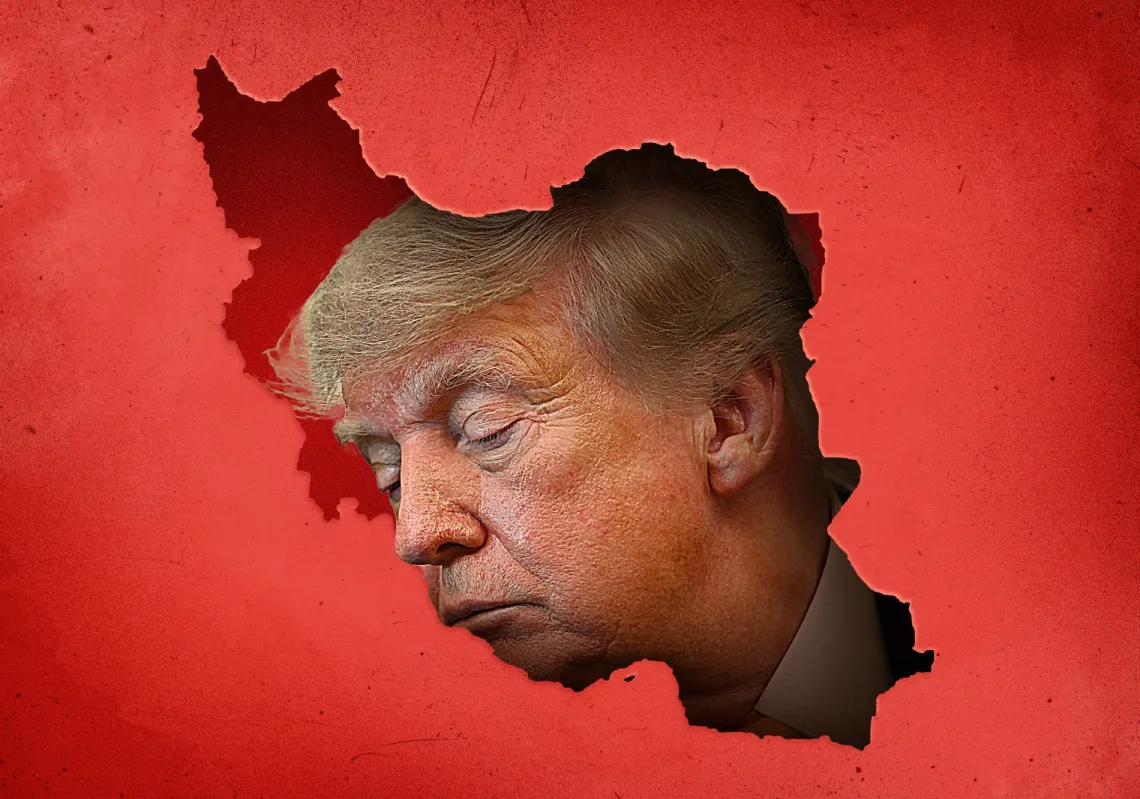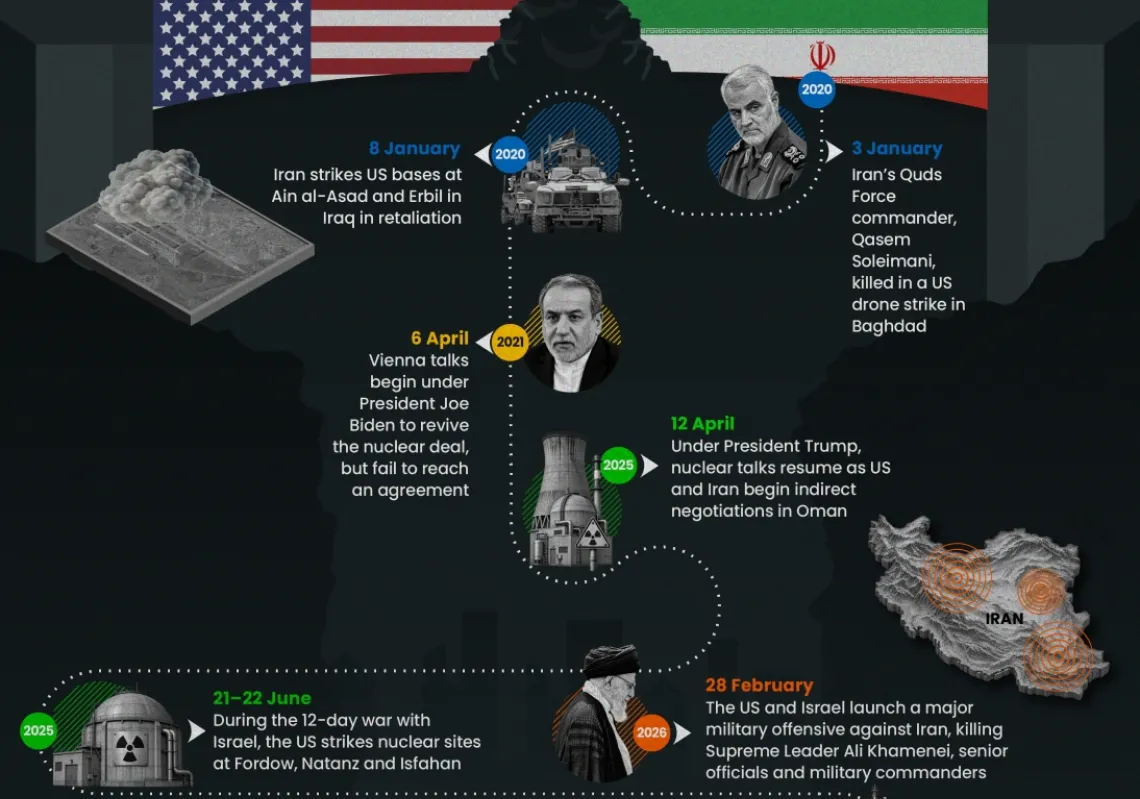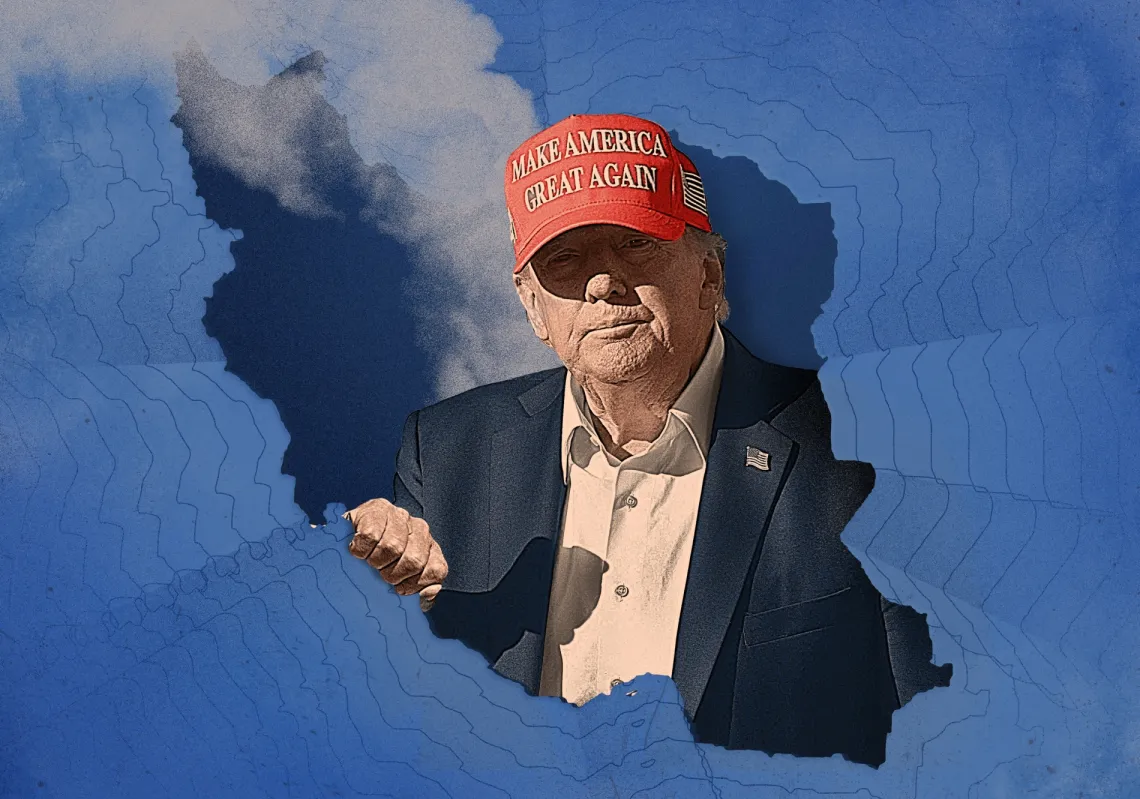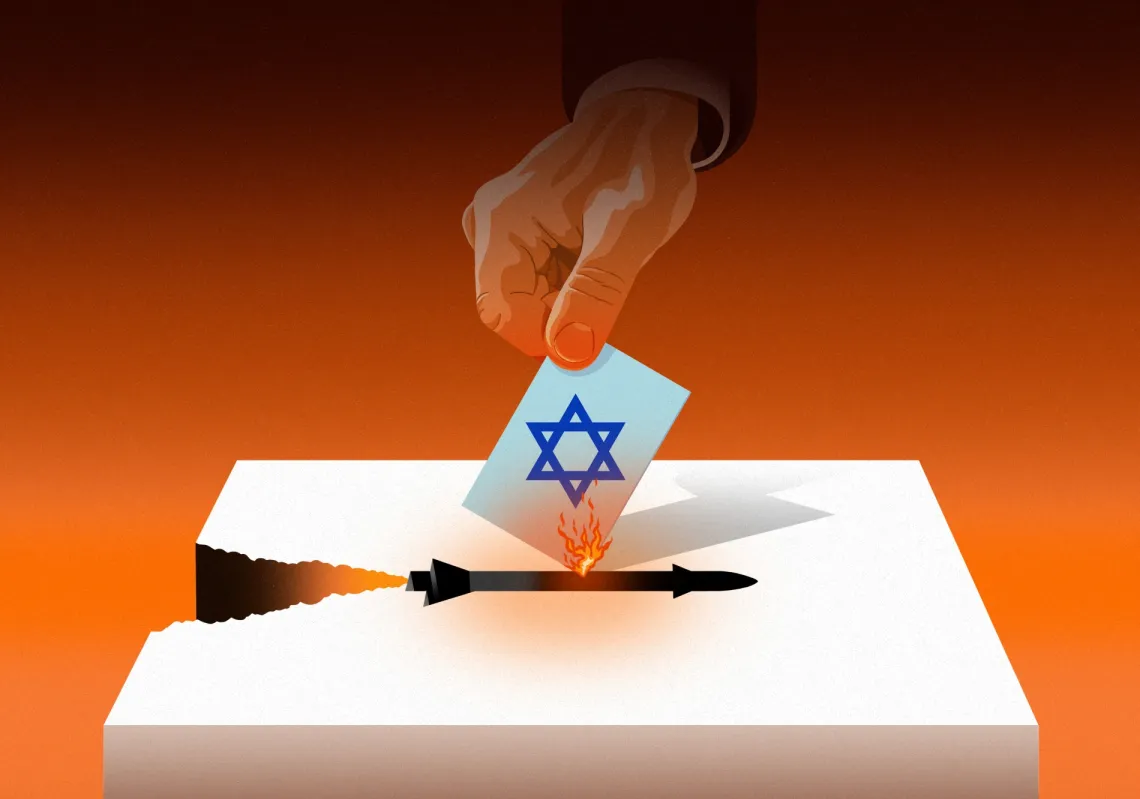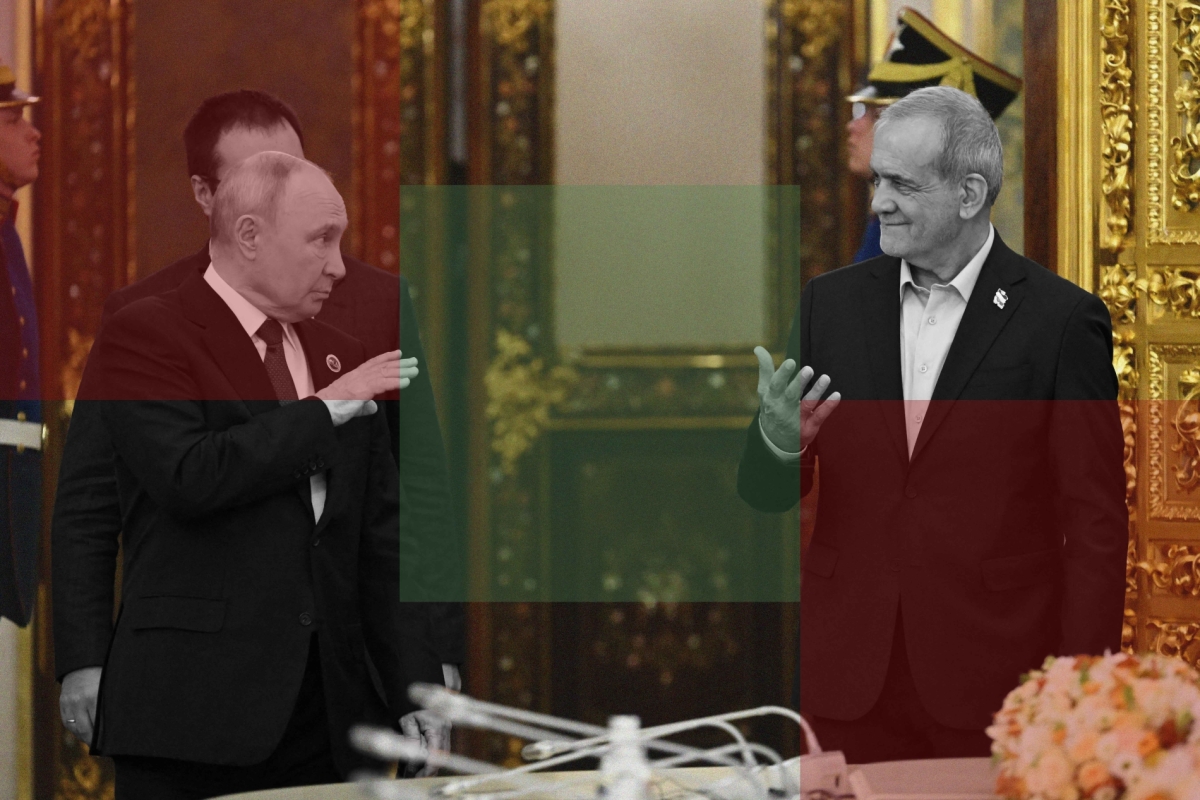

As the confrontation between Iran and the United States hovers between renewed hostilities and a settlement that respects both sides’ red lines, the idea that Russia may mediate to end the war has resurfaced. There is no shortage of capable mediators already involved, but Russia’s relationship with Iran, together with President Vladimir Putin’s relationship with President Donald Trump, could let it broker an agreement that allows both sides to save face.
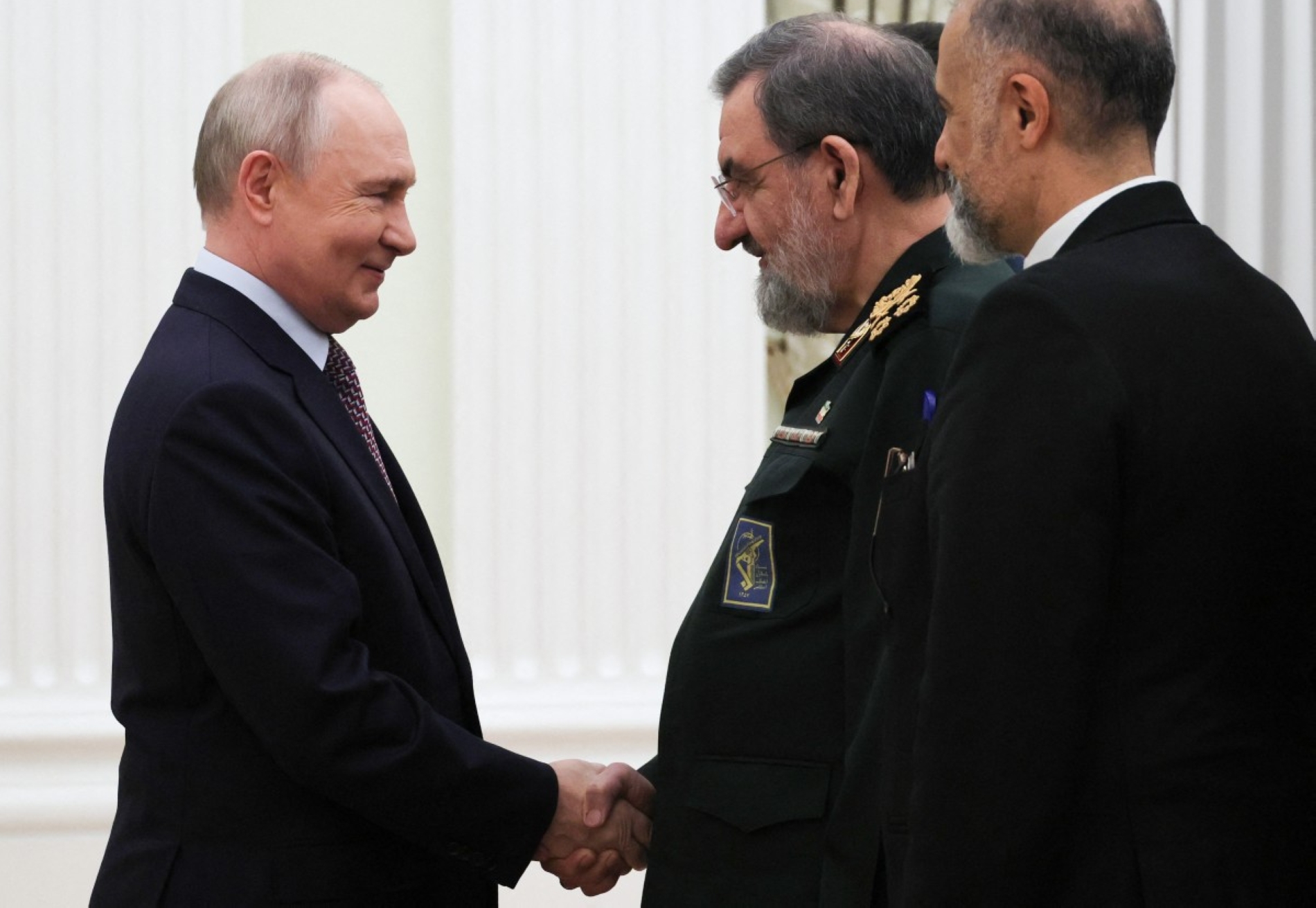
High-level contacts between Moscow and Tehran have continued uninterrupted since the war began. Iranian leaders seem to think that Russia might be able to help, as the American economic blockade of Iranian ports takes its toll. For Moscow, successful mediation could advance its wider geopolitical ambitions.
Maintaining relations with Iran’s current leadership is essential to preserving the delicate balance underpinning the security and economic arrangements Russia has spent years developing in partnership with Tehran across strategically important regions, including the South Caucasus, the Caspian Sea and Central Asia. These considerations also shape Moscow’s approach to the Gulf Arab states and the wider Middle East.
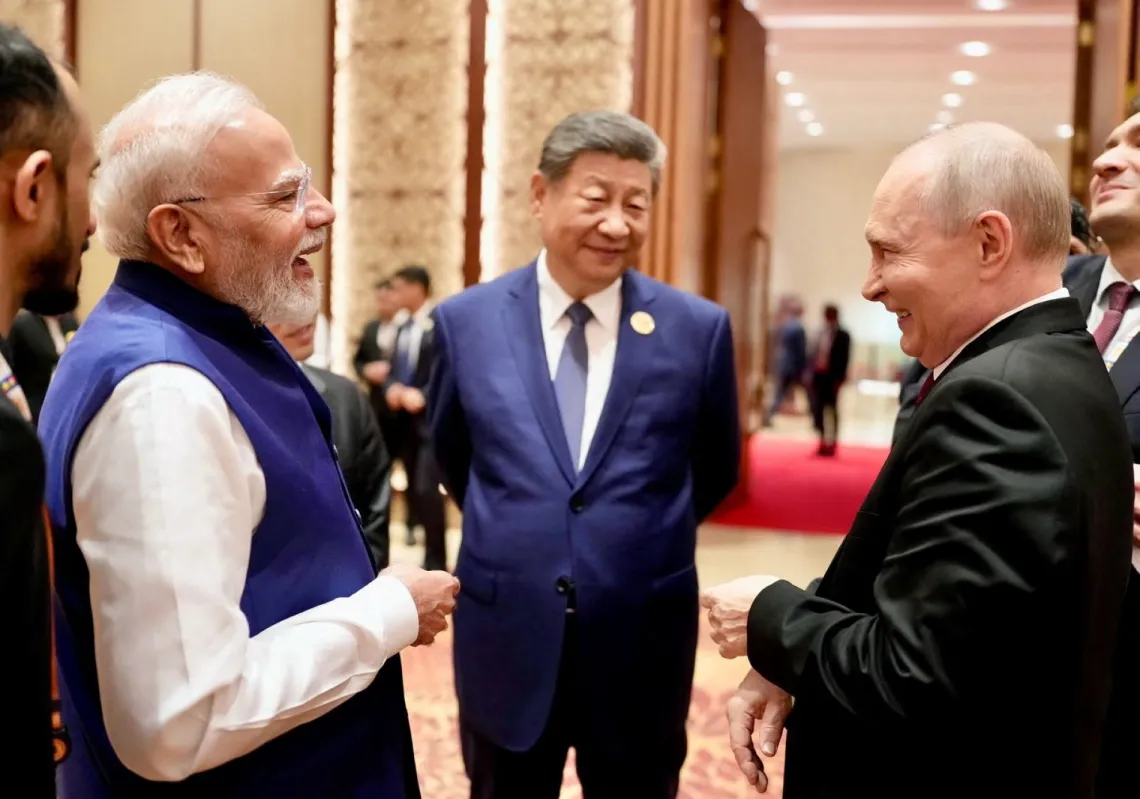
Russia derives certain limited benefits from the continuation of the war, including higher energy prices and the diversion of international attention from its war in Ukraine. A political settlement that leaves neither side defeated, however, would give Moscow an opportunity to join Trump and Chinese President Xi Jinping in negotiations over a new division of global spheres of influence. Such an arrangement would recall the proposed ‘Yalta 2’ formula, much discussed in recent months amid the rapprochement between the Kremlin and the White House.
Russia-Iran relations
Recent years have exposed deep divisions within Iran over how to view Russia, not least how far to rely on Moscow and the importance (or otherwise) of this relationship to Iran’s economic and political future. Russia is a major power seeking to expand its global influence, but its relationship with Iran’s leadership is governed by considerations that sometimes give rise to conflicting objectives, even though the two countries are bound by a 20-year Comprehensive Strategic Partnership Treaty, signed in January 2025 and ratified by both parliaments in October that year.
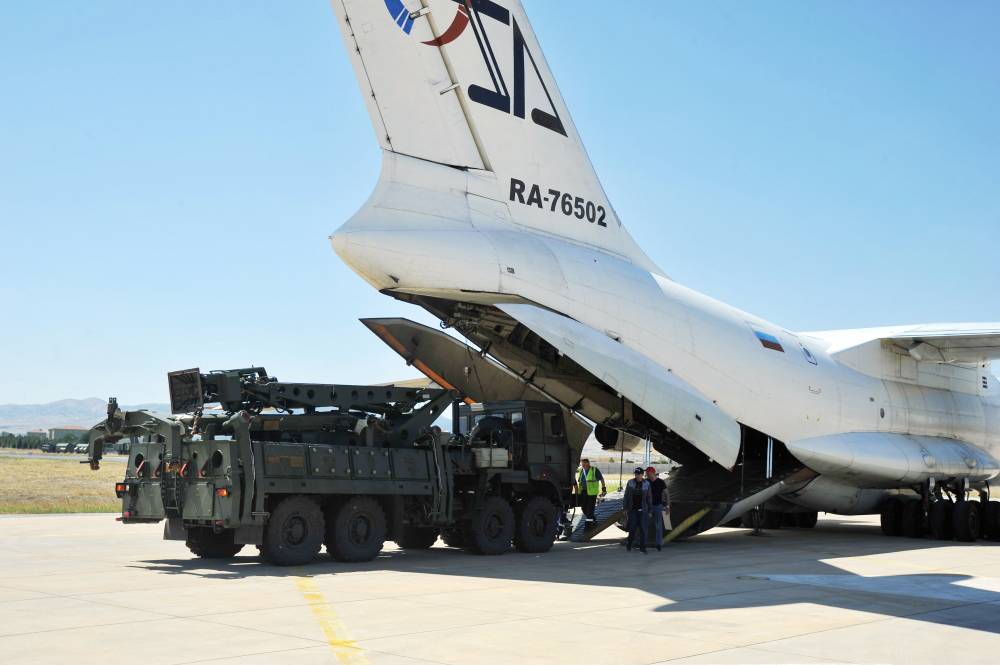
Iran appeared to intensify its efforts to conclude the treaty after Trump’s re-election. It provides for closer cooperation in several fields, notably trade, nuclear energy, infrastructure, cybersecurity, media and counterterrorism, but there is no explicit provision for mutual defence in the event of war. It simply says that both states undertake not to assist an aggressor against the other, avoid joining sanctions imposed by third parties, and strengthen efforts to counter shared threats. Russian officials regularly invoke these provisions, particularly those relating to defence, to explain Moscow’s refusal to provide military assistance to Iran.
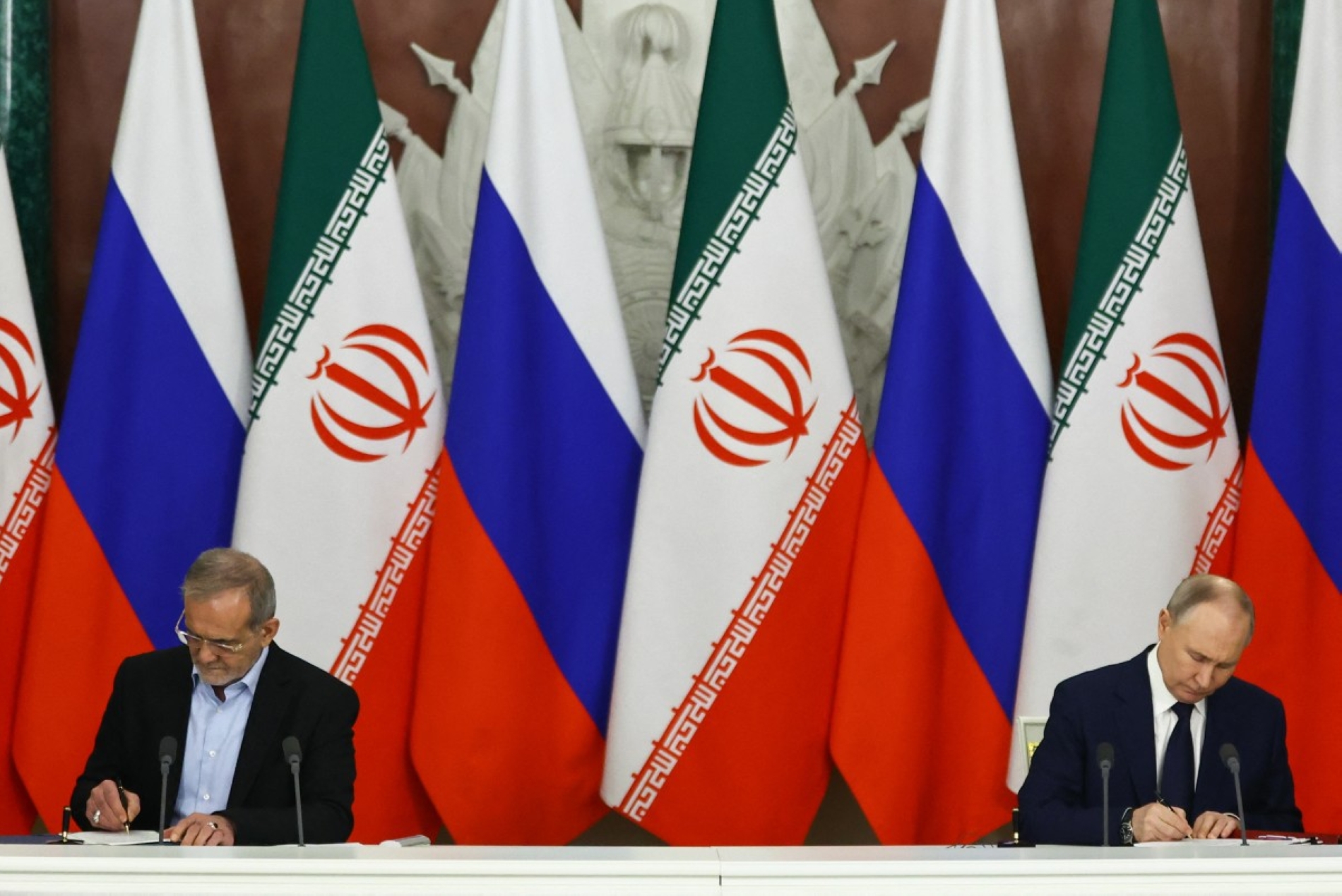
Strategic partner
Another factor is Iran’s place in Russia’s view of a multipolar world. Iran is a strategic partner for Moscow in its approach to the West, and Russia has tried to integrate Tehran into economic and political initiatives that support its plans for a new global system. For instance, Iran became a full member of the Shanghai Cooperation Organisation in the summer of 2023 and joined BRICS as a full member at the beginning of 2024.
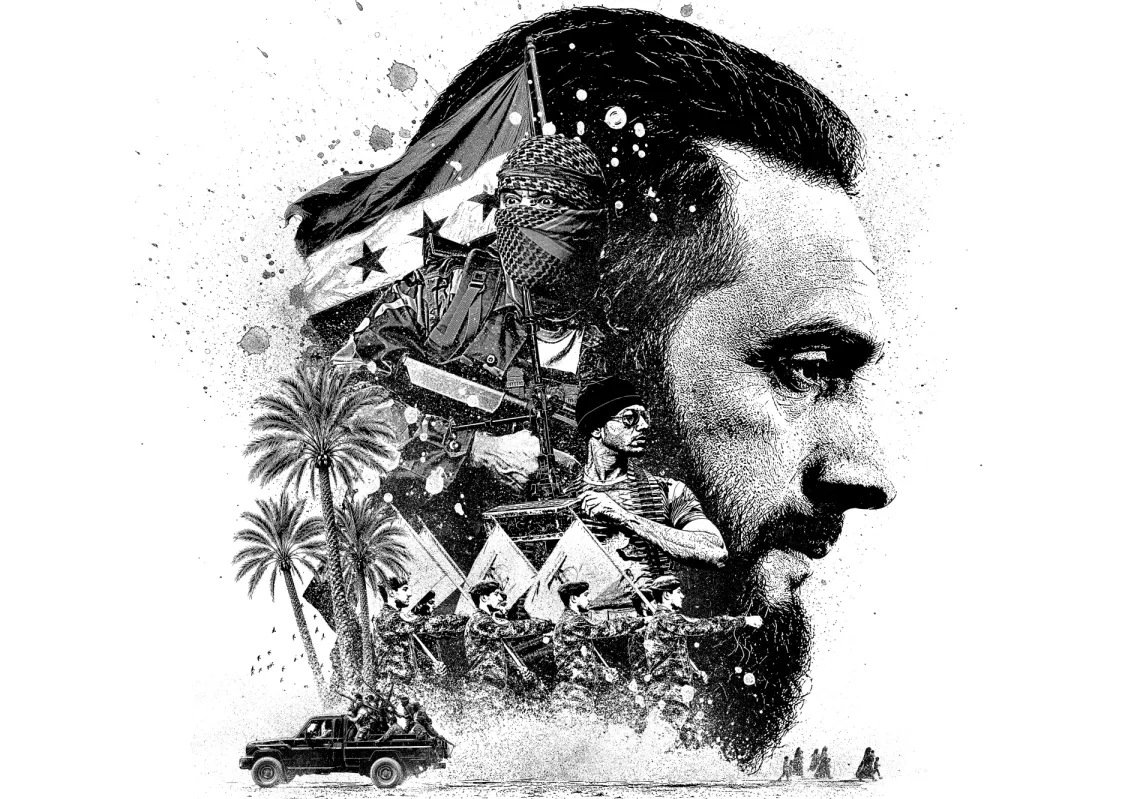
Moscow has no desire to see the US-Iran war end with the overthrow of Iran’s current government; the cost to Russia would be enormous. The Kremlin lost Bashar al-Assad as an ally in Syria in December 2024 and Nicolás Maduro as an ally in Venezuela in January 2026. The loss of Iran would be a far more serious setback. As much as anything, a US victory there would deepen doubts among Russia’s allies in the Global South about the reliability and effectiveness of Moscow’s support should they find themselves at odds with the West.
The power balance in Russia’s southern neighbourhood is also important. Moscow does not want Iran to collapse or lose its standing as a regional power in the South Caucasus, Central Asia, Afghanistan, and the Caspian Sea, but Russia is equally wary of Iran becoming too powerful in its near abroad. For years, Russia has seen Iran as a dependable partner that respects its interests in these regions.