The changing face of US aid could reshape ties with Israel
Through Pentagon integration, Israel hopes to make it harder for future Congresses to cut support. While this tactic could work, it also comes with risks
Al Majalla
The changing face of US aid could reshape ties with Israel
On 3 November, as control of the US Congress was flipping, US President Donald Trump seemed to be ending a $38bn military aid promise to Israel in a single sentence on morning television: “They don’t need us,” he said. According to an Israeli media report, Israel hadn’t been informed in advance. A week later, Prime Minister Benjamin Netanyahu’s office added details: US military aid will not stop on 31 December, but will be cut in half and phased out over five years.
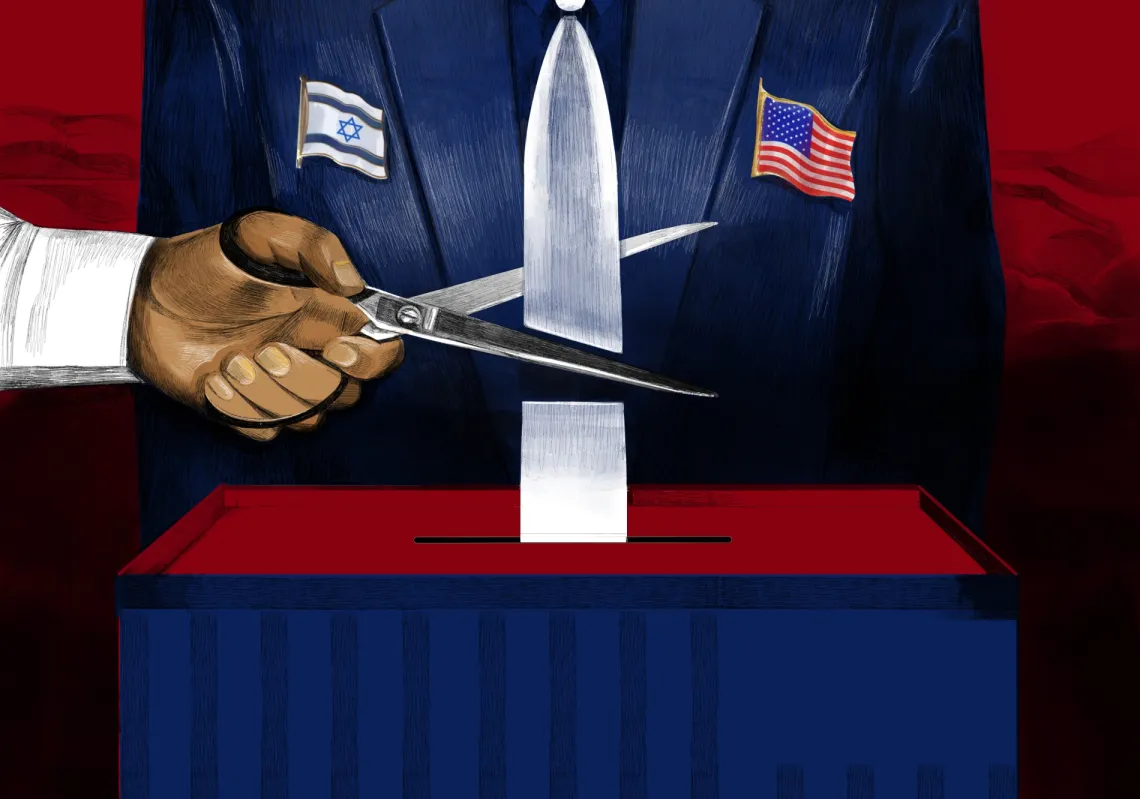
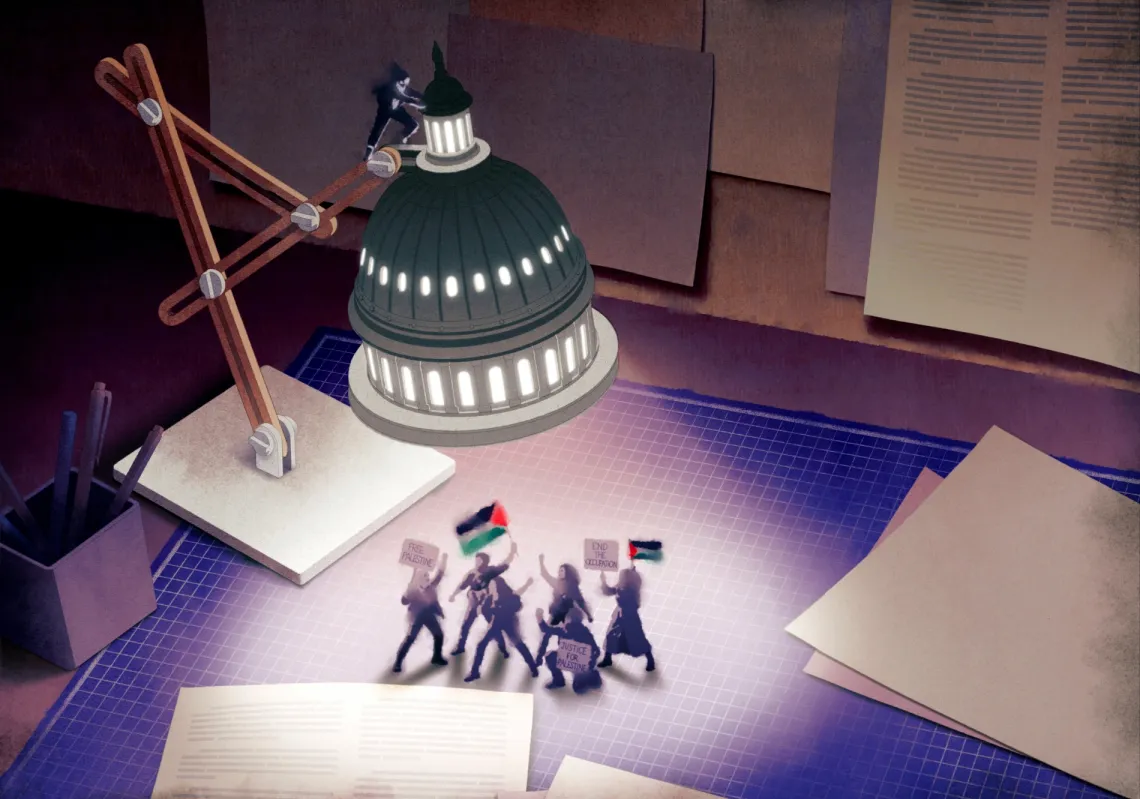
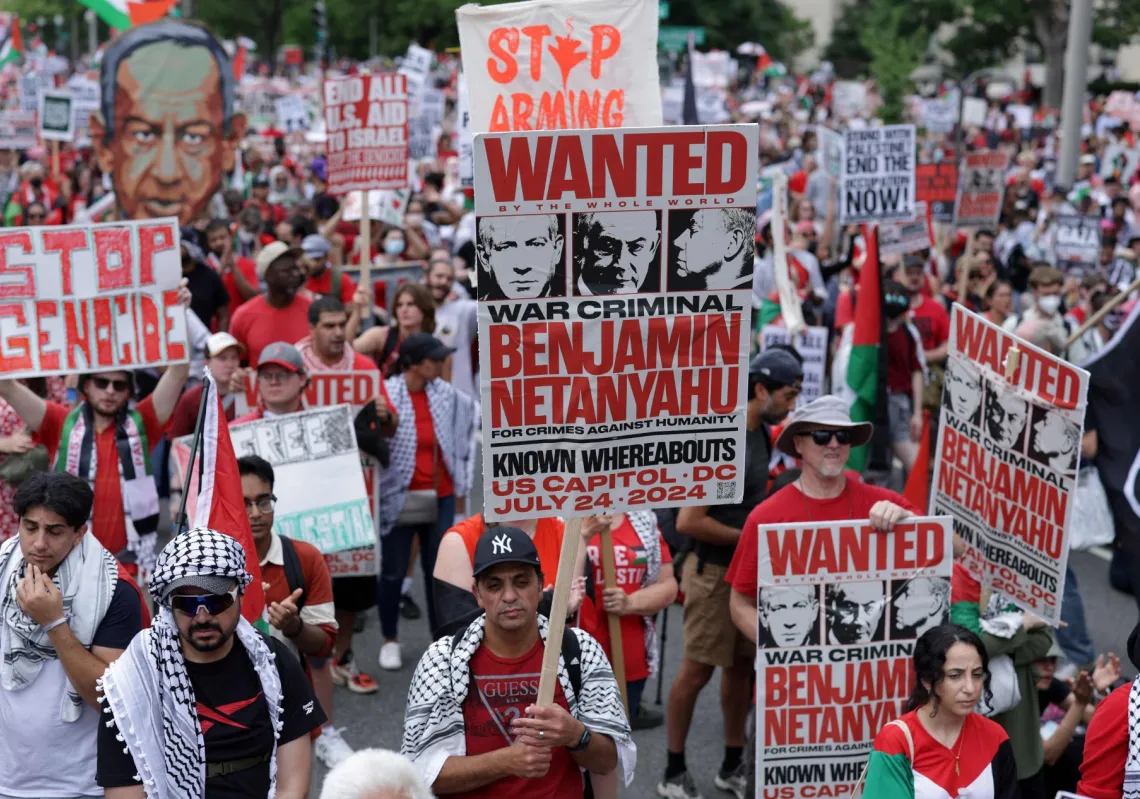
The aid, long thought to be a foundational pillar of the historic partnership between the two countries, has now become a political liability due to Israel’s dwindling popularity with the American public. Democrats now control both chambers of Congress, with rising politicians explicitly campaigning on "zero aid" and halting arms sales. For example, newly elected Michigan Senator Abdul El-Sayed frequently used US aid to Israel on the campaign trail to rally support, lamenting that the “$3.5bn sent to a foreign military” would be better spent on the American people. Other candidates have also made similar statements, using the aid as an election issue.
Meanwhile, a powerful faction on the right also strongly opposes foreign aid—a sentiment echoed by Vice President JD Vance and supported by nearly two-thirds of young potential Republican voters. For his part, former Fox News host Tucker Carlson has also complained about “the US spending tens and tens of billions of dollars defending Israel” and has called for "a total end to aid of any kind, military or economic, to Israel”.
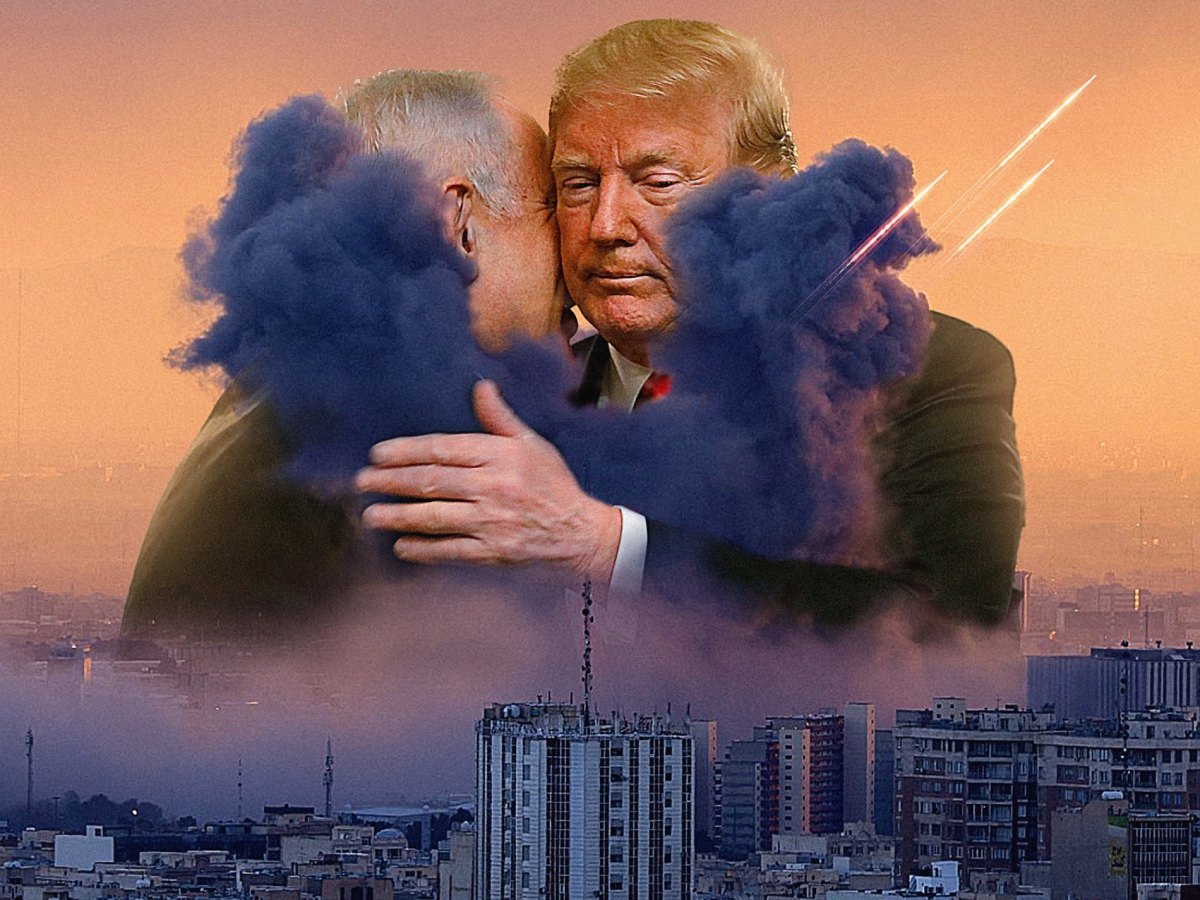
By embedding support for Israel into law through deep integration with the Pentagon, this ostensibly makes US support for Israel less visible. Israel hopes this approach could make it harder for future Congresses to cut support. This tactic could work, but it could also leave Israel with less money, the same reliance on American engines and bombs, and less goodwill to fall back on.
The fight over aid may be ending, but the fight over the partnership's fate may have only just begun
Integration over cash
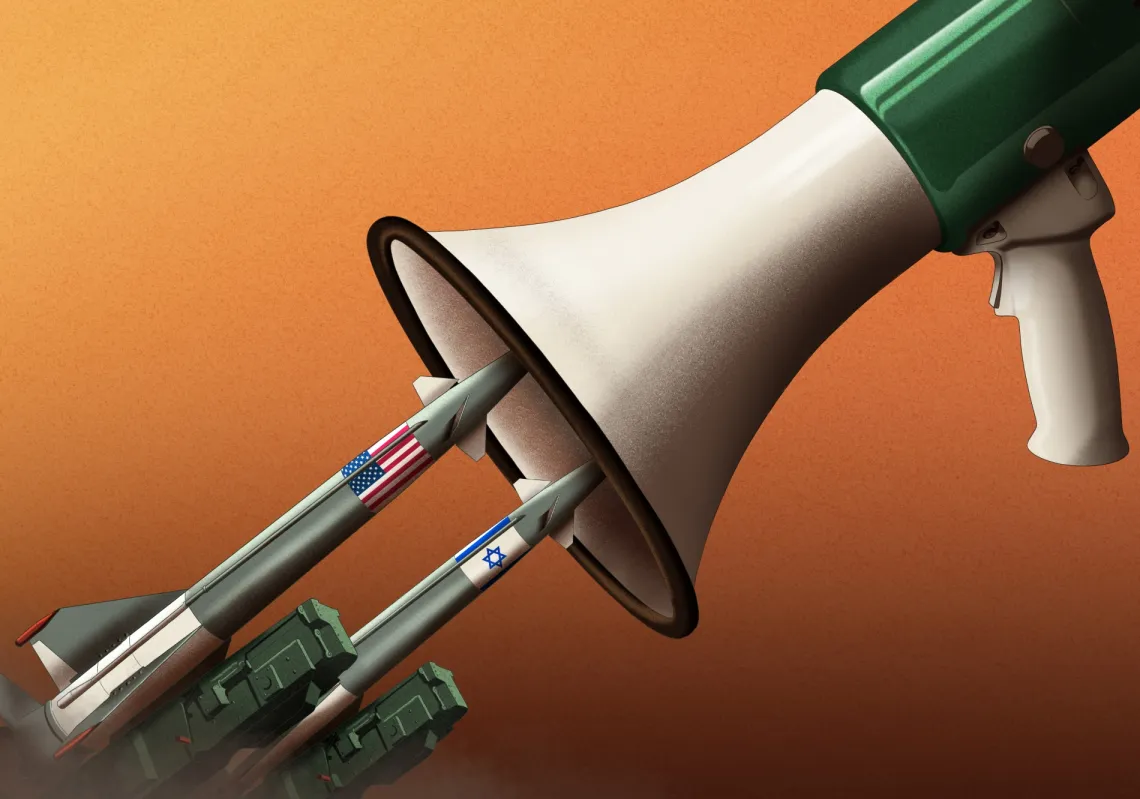
The emerging deal cuts direct FMF in half, to $16.5bn over five years, starting in 2028, while slightly increasing missile defence funding. The true shift, however, is structural. Draft defence legislation creates a "United States-Israel Defence Technology Cooperation Initiative," moving billions from State Department grants into general Department of Defence procurement. The money will be buried deep within the Pentagon's budget, possibly to make remaining aid harder to dislodge.
In exchange for giving up the headline-grabbing cash grant, Israel is asking for preferential access to sixth-generation technology, the removal of export barriers on jointly developed systems, and multiyear funding stability. In return, it is offering Washington battle-tested laser air defence, layered counter-drone systems, and artificial intelligence. American factories are already benefiting. The first Tamir interceptor for Iron Dome built entirely in the United States was recently delivered from an Arkansas plant.
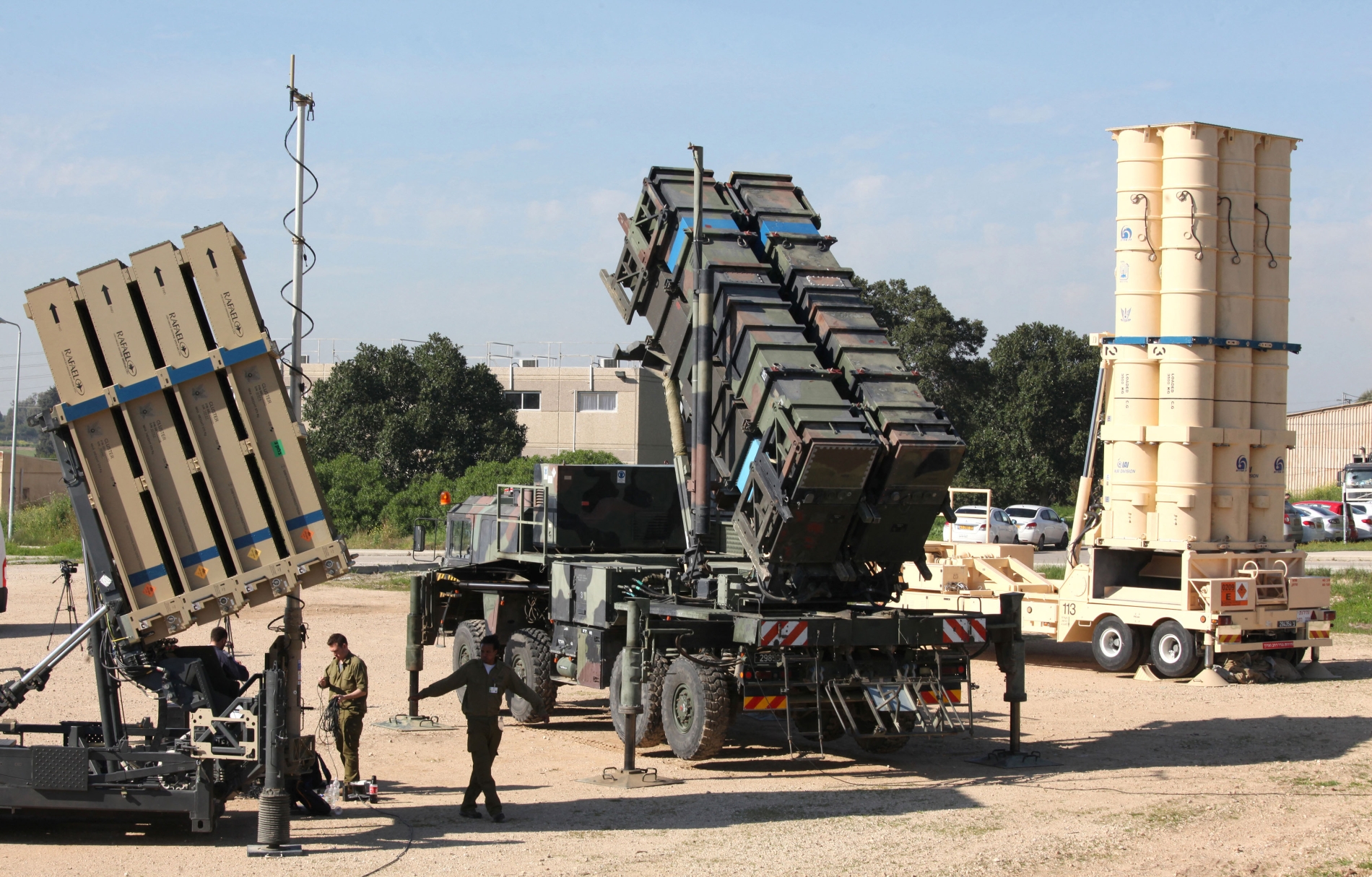
Israeli soldiers near the Israeli Iron Dome defence system (L), a surface-to-air missile (SAM) system, the MIM-104 Patriot (C), and an anti-ballistic missile the Arrow 3 (R) at Hatzor Air Force Base on February 25, 2016.
For Israelis, the push for independence crystallised in 2024 when the White House paused a shipment of 2,000-pound bombs and European governments imposed their own embargoes. Israel responded by signing massive domestic contracts for heavy aerial bombs, aiming to mass-produce guidance kits at home within two years. Political leadership promised a massive 350-billion-shekel defence budget increase to end foreign dependence, even proposing an indigenous Israeli fighter jet within a decade.
The math, however, does not add up. The Nagel Commission (Israel's official defence budget review) recommended a much smaller supplement, and financial watchdogs warn that a 350-billion-shekel surge would push public debt toward an unsustainable 80% of GDP. Israel already carries the third-highest military burden in the world.
Furthermore, industrial success masks structural dependence. While Israel boasts record defence exports, roughly 60 to 75% of the Iron Dome's interceptor components and 50% of the Arrow 3 system are made in the US. The F-35 and F-15IA fleets rely entirely on US-built engines. In other words, while aid may be the focus today and can be cut more easily, the dependence is on US arms rather than US dollars.
Israel hopes that by cutting one, it can gradually remove the other, but this will take time and may not be realistic, given how integrated the two defence systems are. Israel can learn to build its own bombs, but building a new F-35, for instance, is a decades-long project. Ending the grants means the costs of procuring these advanced platforms would come out of Israel's own budget.
Israel is betting that arrangements run through the Pentagon will survive this turbulence better than annual appropriations bills. However, this strategy relies heavily on a friendly executive branch. Under the previous memorandum, Congress committed to a fixed amount in advance; under Pentagon integration, the White House holds the leverage.
Israeli think tanks like the Institute for National Security Studies (INSS) have warned of another danger: without guaranteed US aid to support massive production runs, American defence contractors may push harder to sell top-tier systems to other Middle Eastern customers, eroding Israel's qualitative military edge from the outside. Lower leverage for Washington also means Washington feels less obliged to protect Israeli interests.
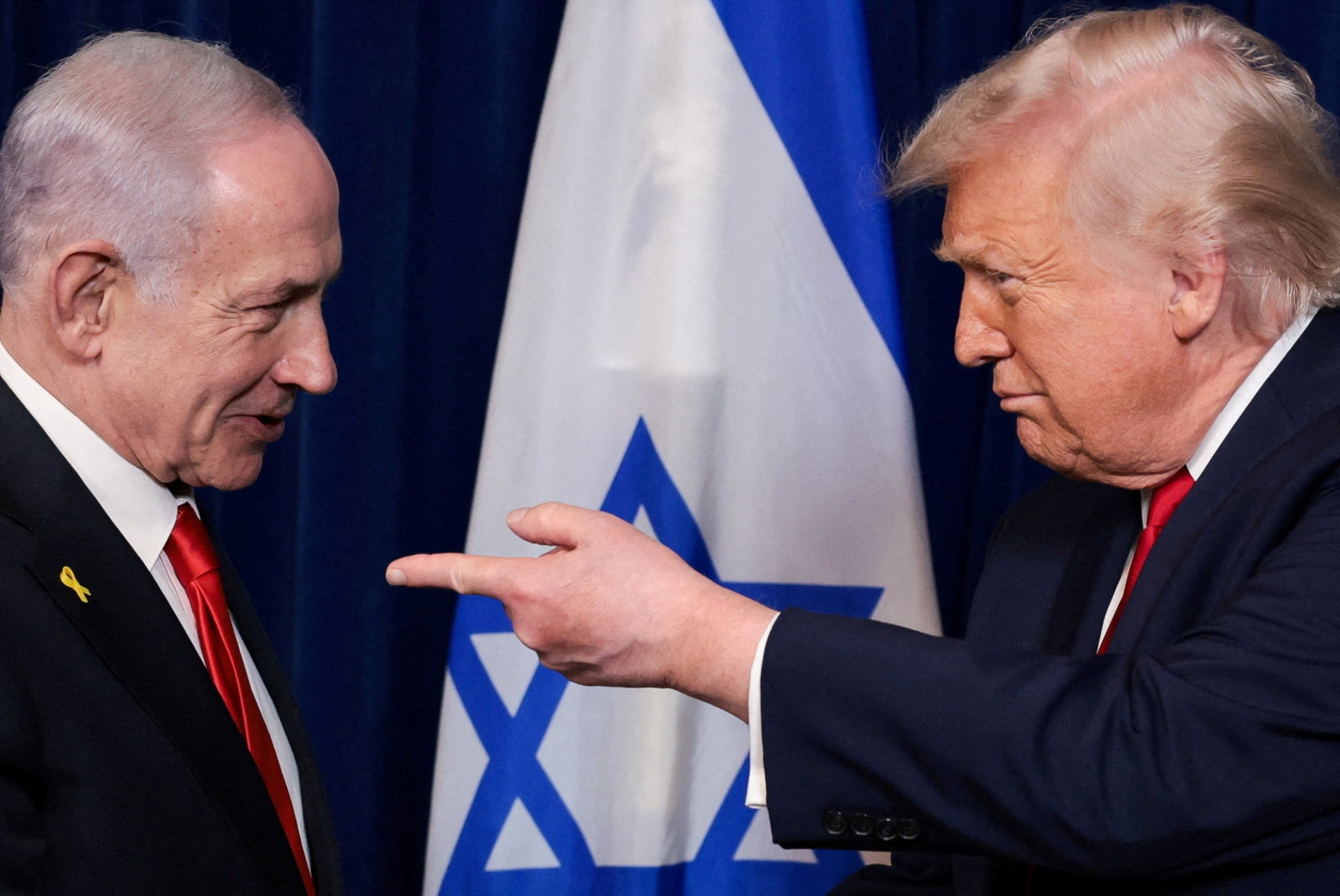
US President Donald Trump points his finger towards Israeli Prime Minister Benjamin Netanyahu during a press conference after meeting at Trump's Mar-a-Lago club in Palm Beach, Florida, US, on 29 December 2025.
What next
The next eight weeks will set the terms for the next decade. Netanyahu wants the new memorandum signed before Democrats take control of Congress on 3 January. If this happens, the new Congress will inherit a deal it had no part in and will likely fight back with the tools it has: the annual appropriations bills, hearings, and conditions on arms sales.
Israel, meanwhile, is running on its own timetable. Whatever coalition emerges from the October deadlock will inherit a framework signed by a caretaker cabinet. It can reopen the deal, or keep it and blame Netanyahu for the cost. Either way, Israel will be paying in shekels for F-35s and munitions out of an economy that already spends 7.8% of GDP on defence.
Then comes 2028. The memorandum expires in the same year Americans elect a new president, and primaries in both parties now reward candidates who promise to give Israel less. The next president will inherit an alliance with no grant left to cut, but plenty of joint production lines that can be slowed down: the fight over aid is ending, but the fight over the partnership's fate may have only just begun.