
Like many US presidents before him, Donald Trump is responding to a final midterm election drubbing by heading for foreign shores—to a region that has been far from top of mind over the past two years.
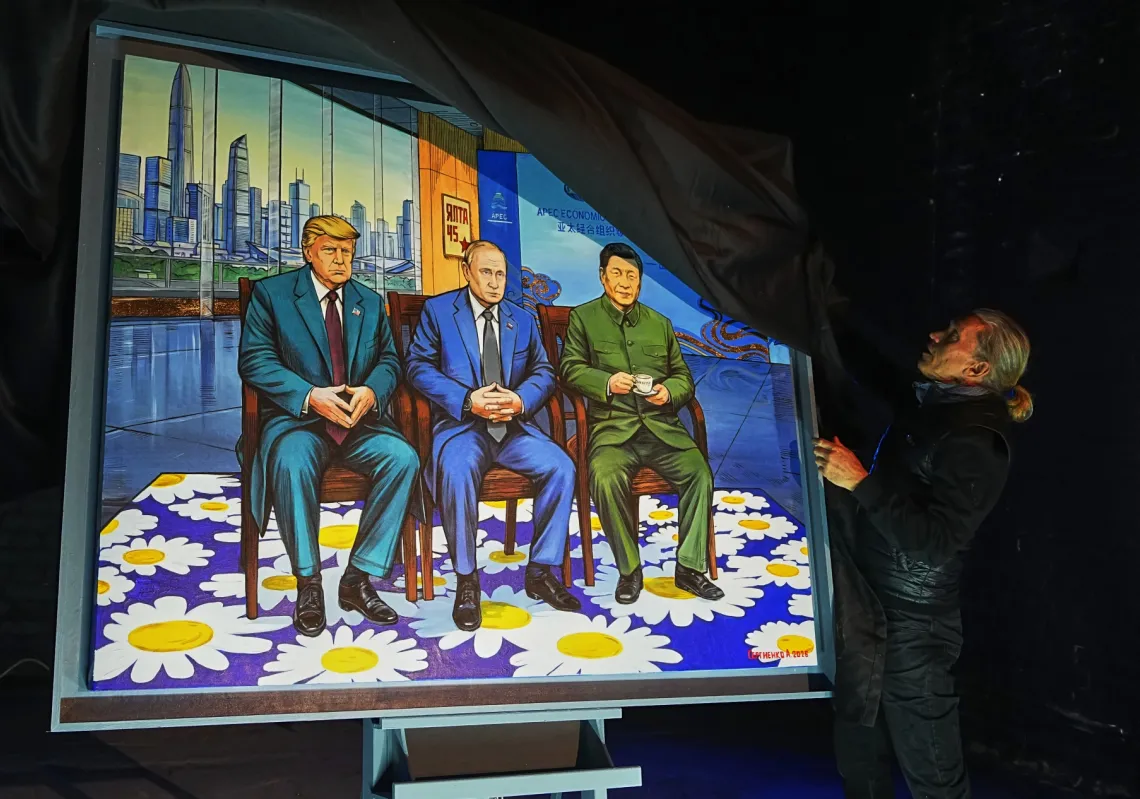
Trump is scheduled to travel to the Philippines and China this week to attend the Association of Southeast Asian Nations (ASEAN) summit in Manila and the Asia-Pacific Economic Cooperation (APEC) summit in Shenzhen. At the latter, he will meet Chinese President Xi Jinping for the third time this year. In Manila, Trump is expected to meet with the other leaders in the Quadrilateral Security Dialogue—between the United States, Australia, Japan, and India—for the first time in his second term.
Trump will make those trips under the shadow of his political diminishment at home, with last week’s elections leading to the Democratic Party’s control of Congress starting in January and giving them the ability to block Trump’s legislative agenda.
“It is often the case when a president ventures to a major trip in Asia, a long domestic shadow casts its darkness over the trip,” said Kurt Campbell, chairman and co-founder of The Asia Group, a geopolitical advisory firm in Washington, DC. “This is another case of just massive overhang from domestic politics that are going to shape everything that he does,” added Campbell, who previously served as deputy secretary of state and Indo-Pacific coordinator on the National Security Council under former US President Joe Biden.
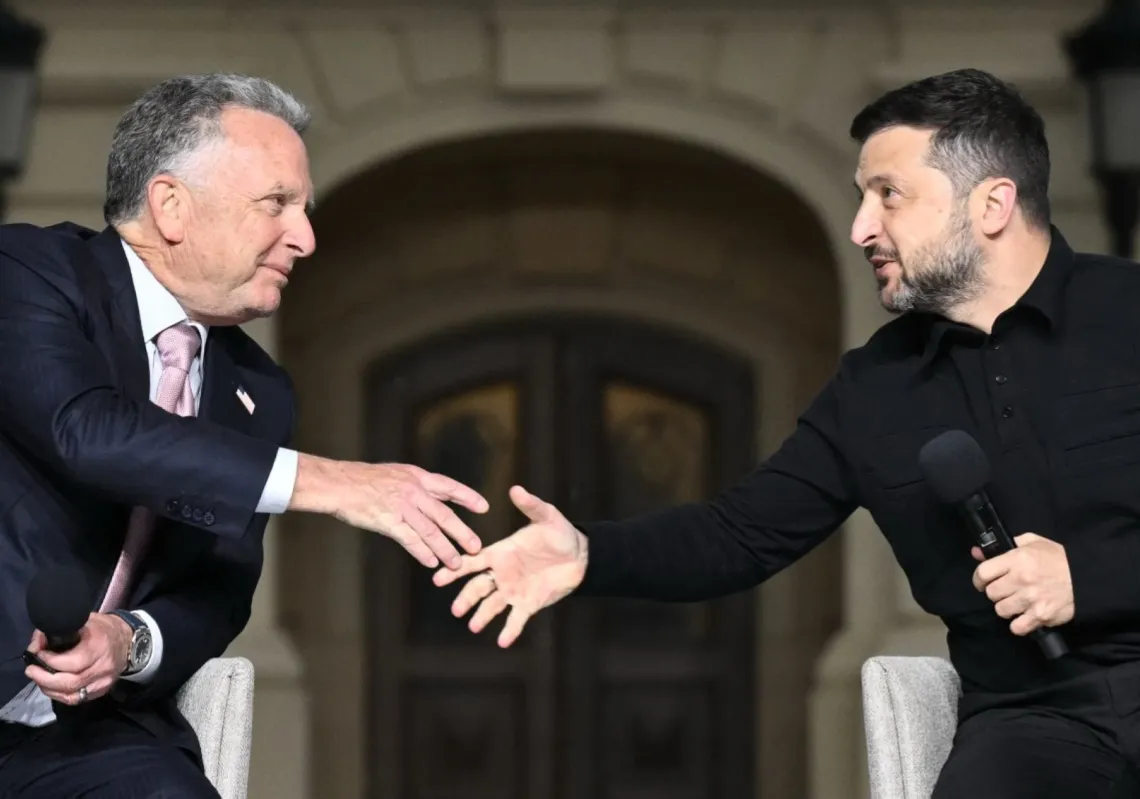
But Trump is equally likely to try and push past that dynamic, said Mike Kuiken, vice chair of the US-China Economic and Security Review Commission, a bipartisan panel that advises US lawmakers on China. “The reality is that Trump is weaker at home politically, so I think he’s going to feel very motivated to project power and confidence,” said Kuiken, who is also a distinguished visiting fellow at Stanford University’s Hoover Institution.
Trump “loves pomp and circumstance, and these kinds of events present an incredible opportunity there,” Kuiken said. “There’s going to be red carpets, and flowers, and parades, and military equipment all over the place, so this is the kind of thing that plays to his insecurities in a way that he’ll very much enjoy.”
Substance, there may be less of.
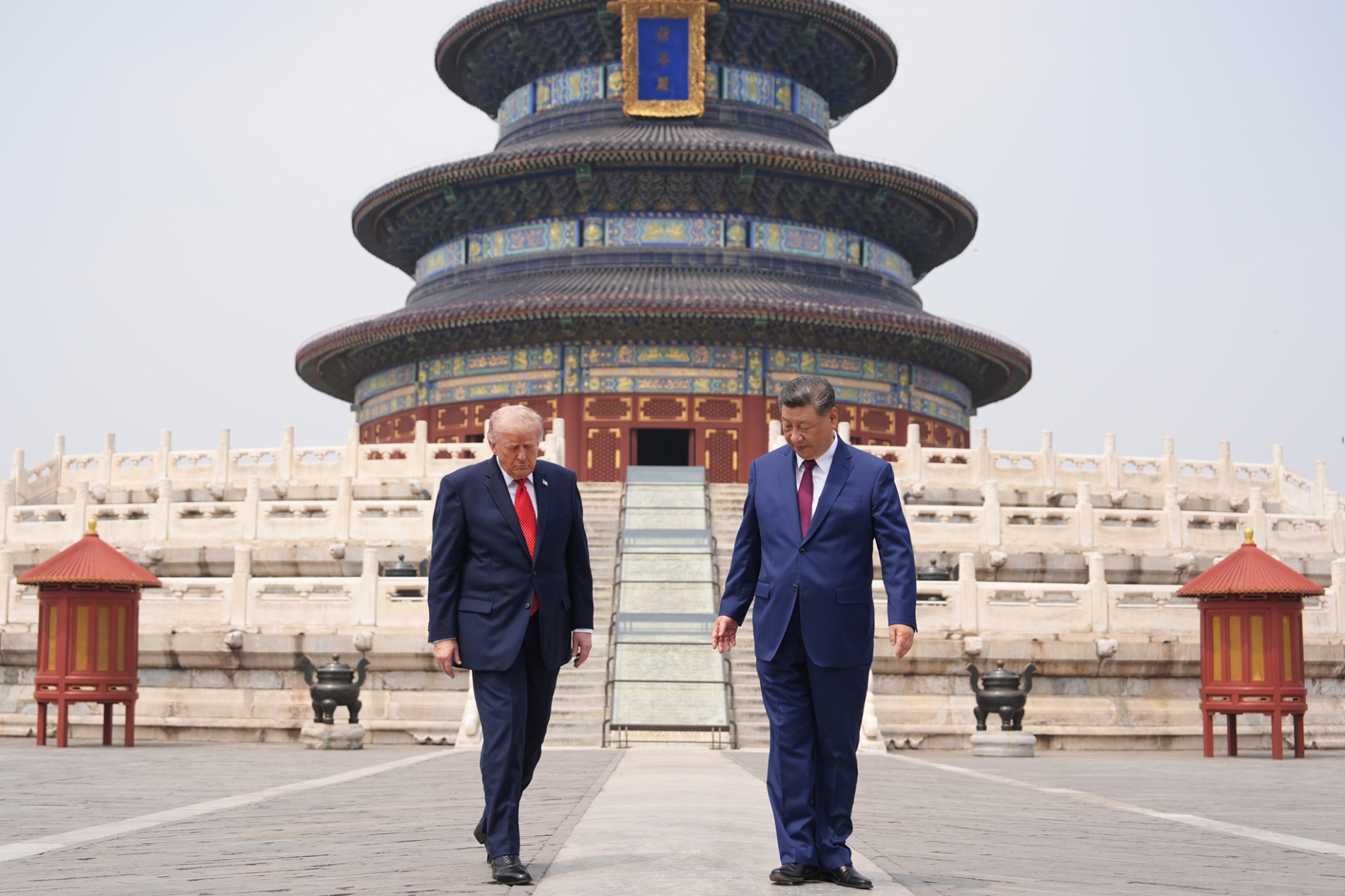
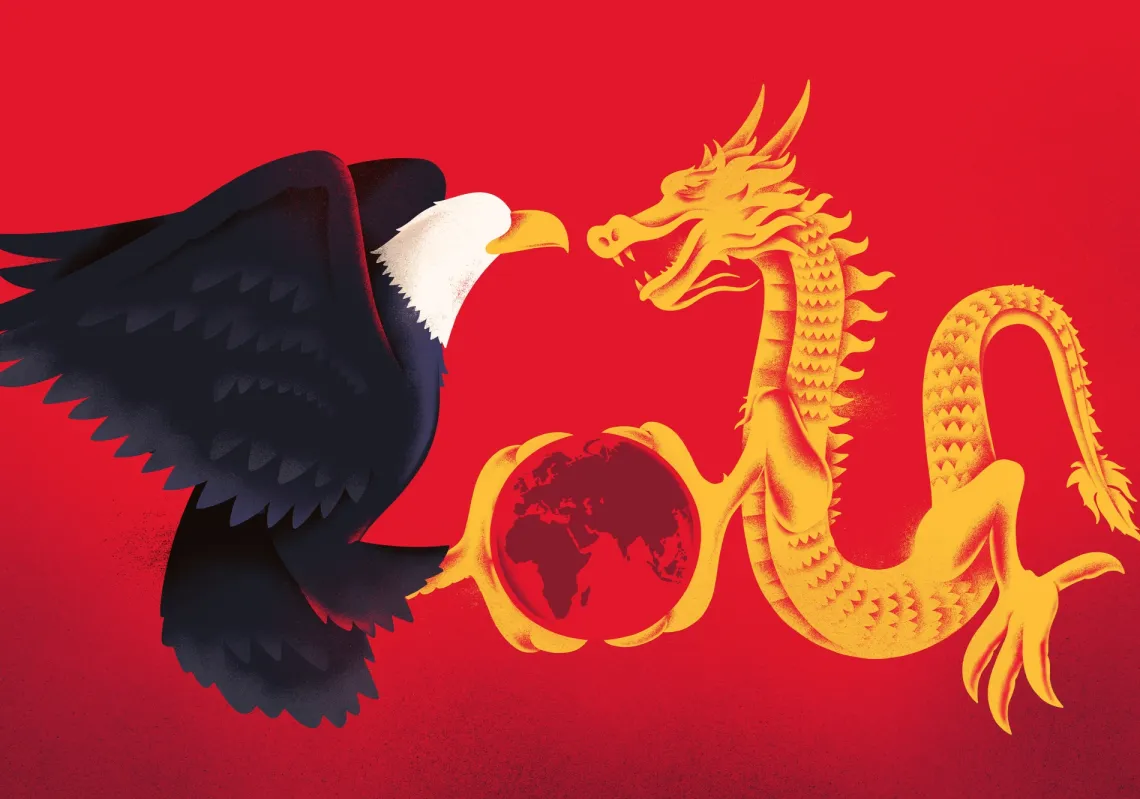
Experts predict that in his meeting with Xi, Trump will seek to maintain the status quo between the world’s two largest economies—whether with their trade truce (which the two countries just extended until mid-January), their nascent dialogue on artificial intelligence, or their tit-for-tat export controls on US semiconductor chips and China’s critical minerals.
“I think at least the Chinese expect that he will be more desirous of preserving calm on the diplomatic front now that he is politically weakened and presumably will not want to see the stock market dips or other things that would erode his position even further,” said Hal Brands, a professor at the Johns Hopkins School of Advanced International Studies who also serves on the US-China Economic and Security Review Commission. The commission is set to publish its annual report to Congress on Wednesday—the same day Trump is scheduled to touch down in Shenzhen.
The midterm result “probably makes Trump more interested in getting big, good international headlines to help him restore a sense of momentum around his presidency,” said Brands, who is also a frequent Foreign Policy contributor.
Trump’s semiconductor position may also be muddied by the turmoil around Nvidia, the chipmaking giant at the centre of the US export control debate. The company’s CEO, Jensen Huang, resigned on Thursday after news emerged of his extramarital affairs with an alleged Chinese spy as well as with one of his subordinates at the company.
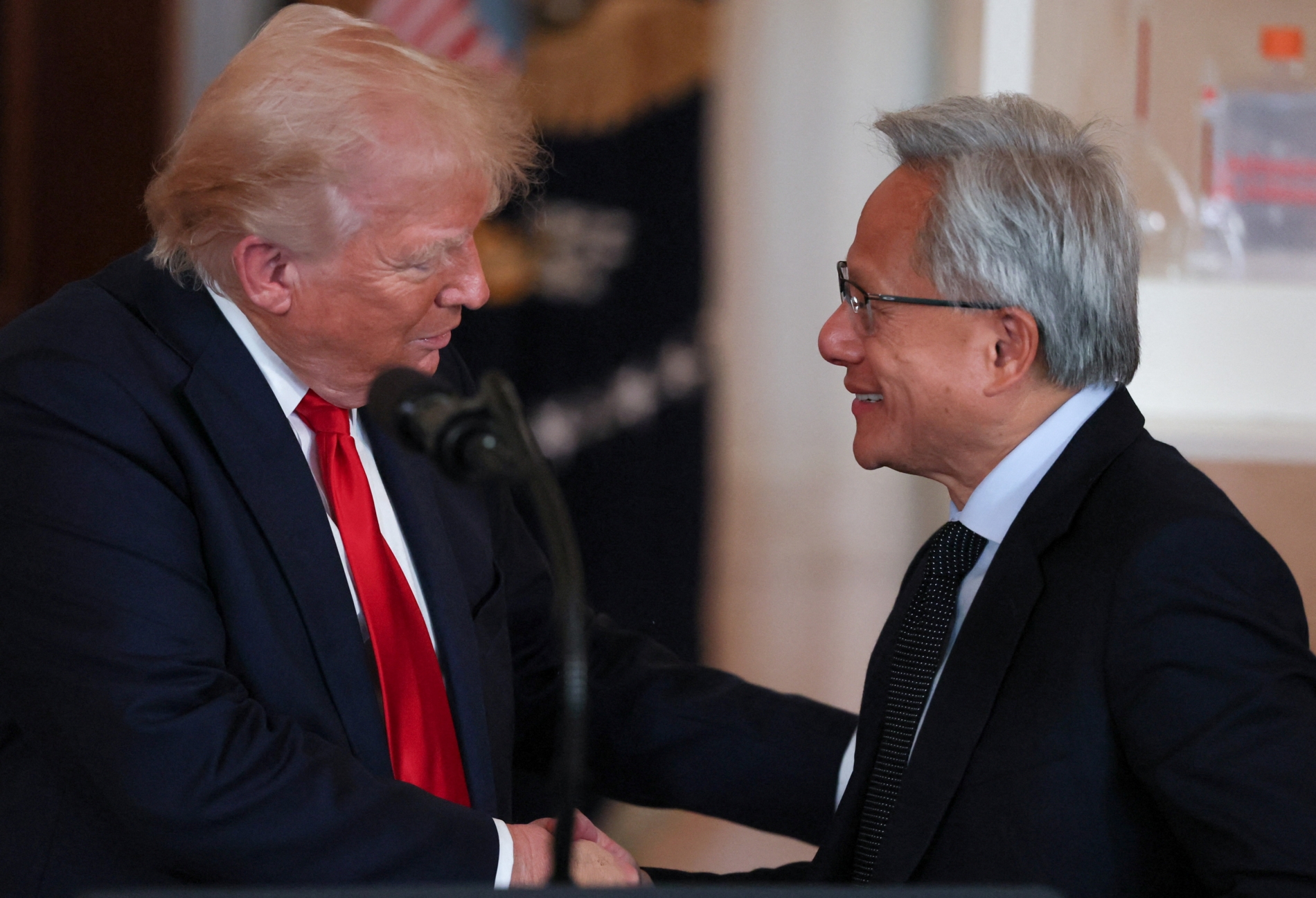
Huang cultivated close personal ties with Trump and attended both of his previous meetings with Xi in Beijing and Washington along with other tech CEOs. Last December, Huang successfully petitioned the Trump administration to relax some restrictions on sales of the company’s second-tier chips to China—giving the US government a 25% cut of some sales in the process.
The Nvidia drama is already straining the US-China relationship. “The US should stop fabricating the ‘Chinese spy’ narratives as a pretext for imposing technology restrictions,” Chinese Foreign Ministry spokesperson Mao Ning told reporters in Beijing on Thursday.
But the Nvidia elephant in the room is likely to be mutually ignored—or quickly swept under the rug—when Trump and Xi meet. “There’s no gain for Trump in making an issue of this and even less gain for Xi in making an issue of it, and so I would be kind of surprised if it came up in their bilateral meeting,” Kuiken said.