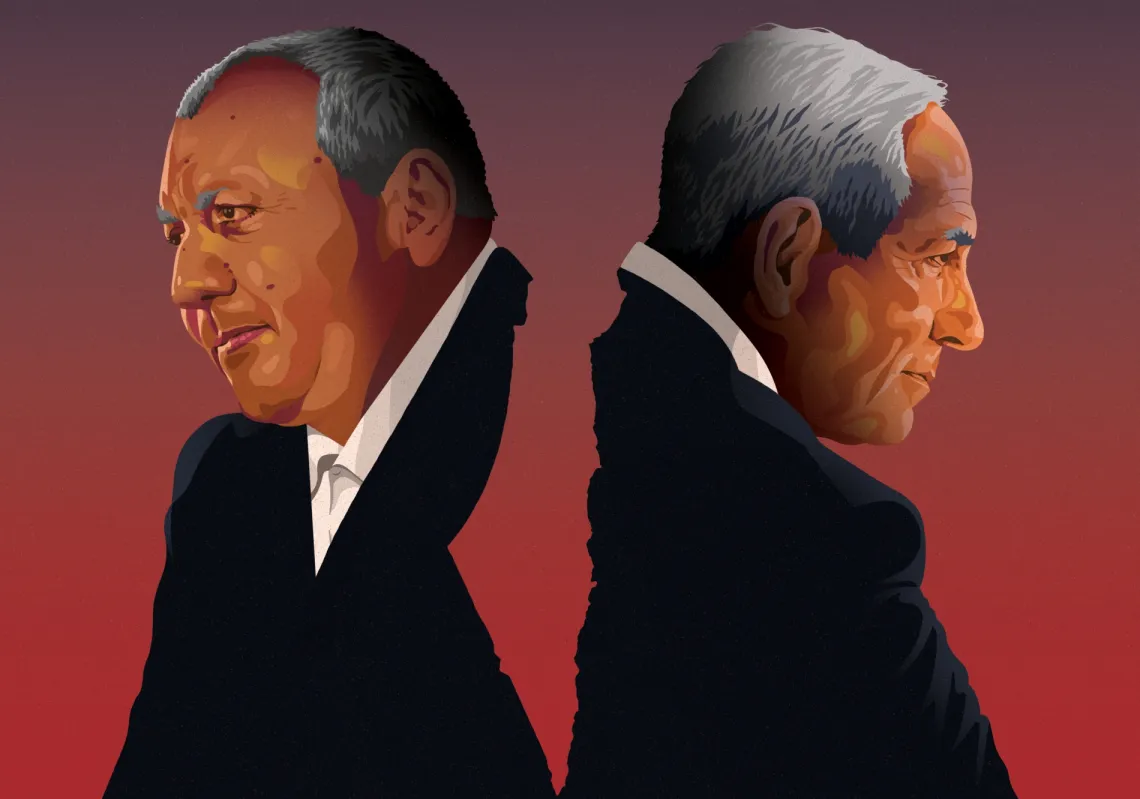

Some serious soul-searching is underway in Cairo after the Houthi militia in Yemen said any Egyptian military support for Saudi Arabia would amount to a “declaration of war”.
Egypt and Saudi Arabia are allies, and Saudi economic and civilian infrastructure has been attacked by the Iran-backed Houthis in recent months, so Egyptian President Abdel Fattah al-Sisi asked the country’s parliament to approve the supply of defensive military aid to Saudi Arabia, which it duly did. Within hours, senior Houthi official Mohammed Ali al-Houthi said on 27 October that to do so would drag Cairo into its war with Riyadh.
If the Houthis targeted Egypt for sending support, it would have economic, security, and political costs. Cairo is keen to avoid ensnarement in the regional mess that unfolded after Gaza-based fighters attacked southern Israel on 7 October 2023, showing restraint as Israel responded by pushing hundreds of thousands of Palestinians to Gaza’s border with Sinai and turning a deaf ear to the inflammatory rhetoric of Israel’s far-right ministers.
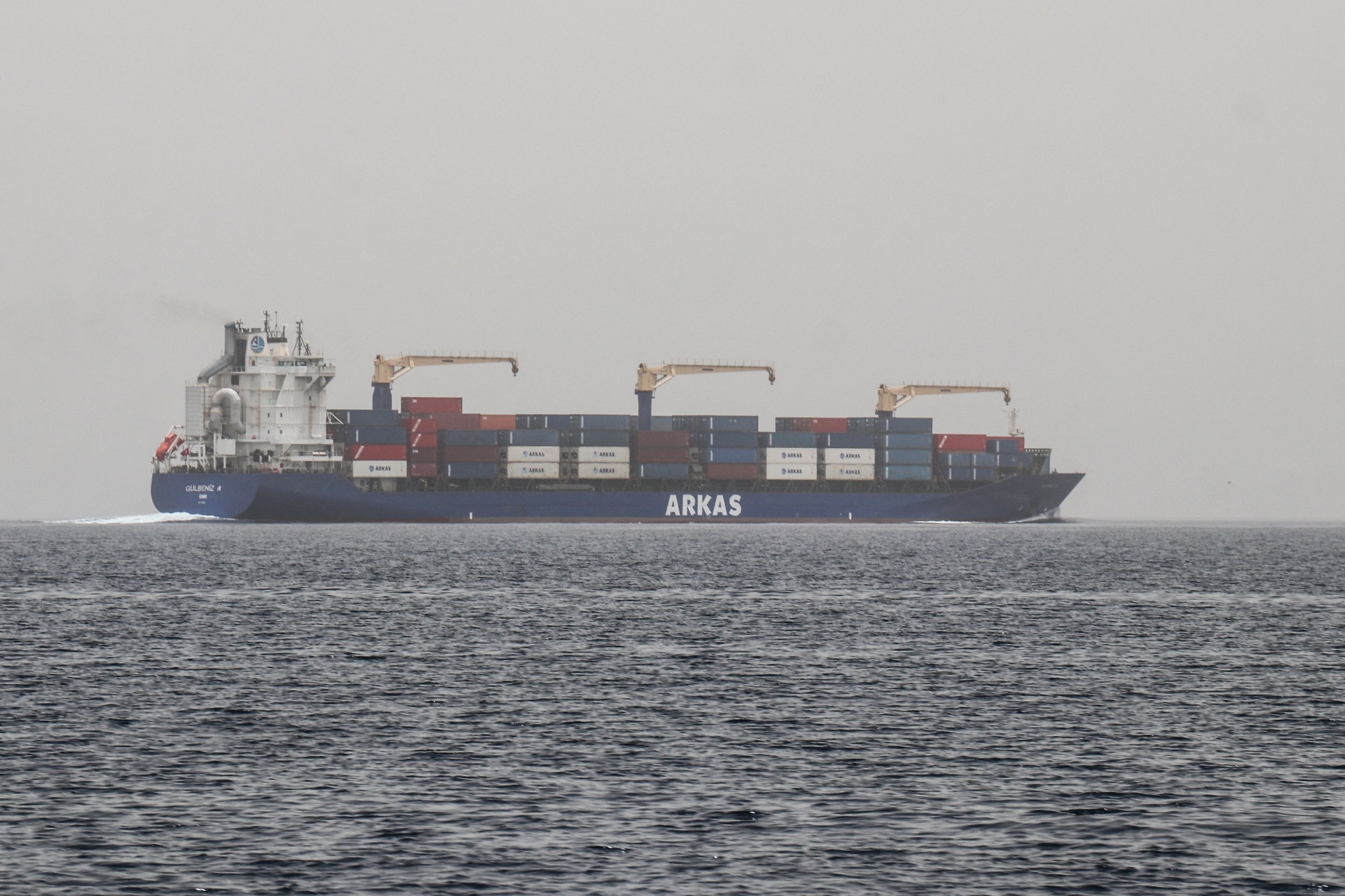
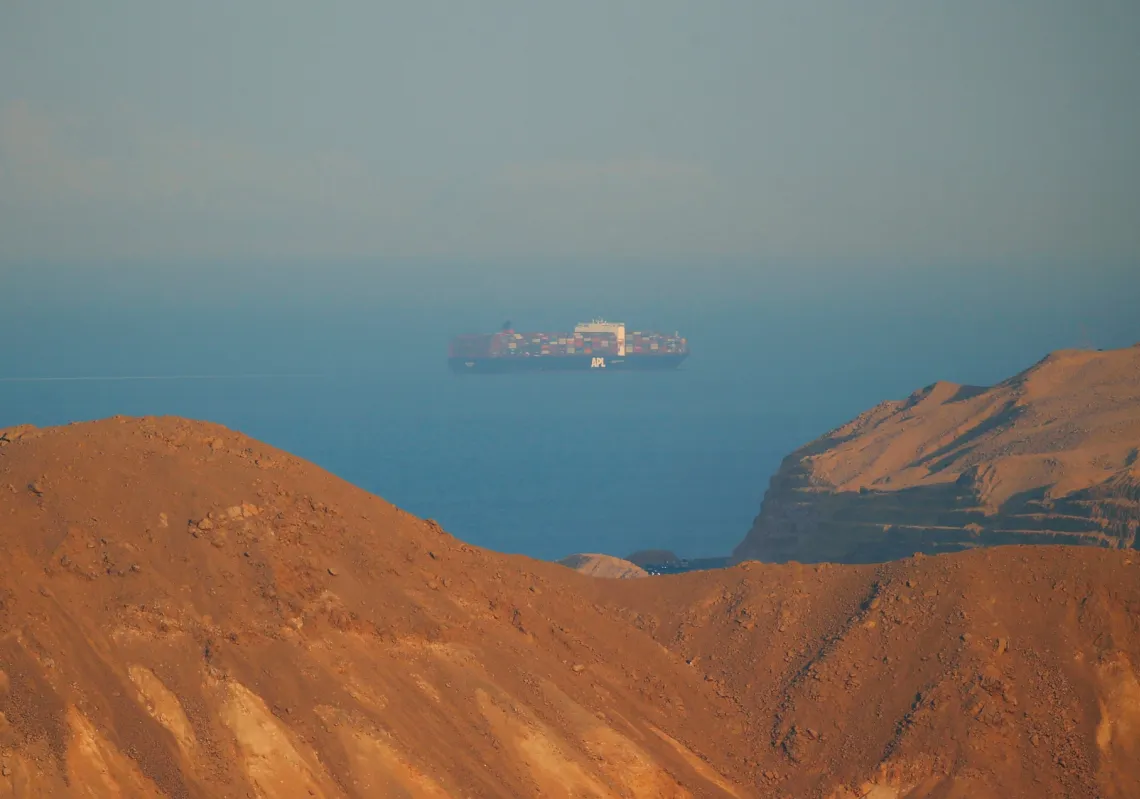
In response to Israel’s attack on Gaza, the Houthis attacked Red Sea shipping, diverting vessels and revenue away from Egypt’s Suez Canal transit route, and instead forcing operators to take the much longer route around the southern tip of Africa. Again, Cairo held its hand against the Houthis, despite the heavy damage it caused to the Egyptian economy.
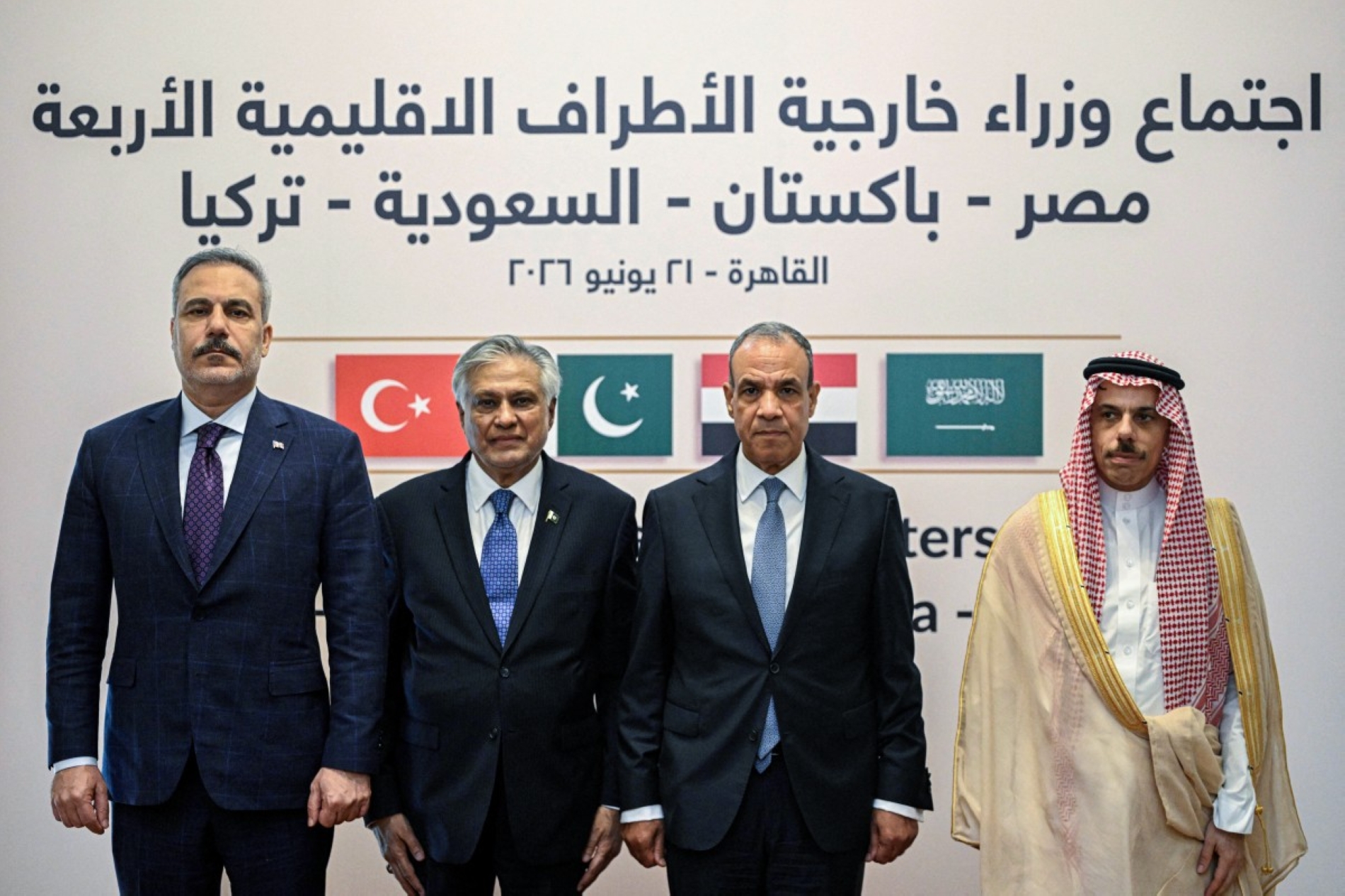
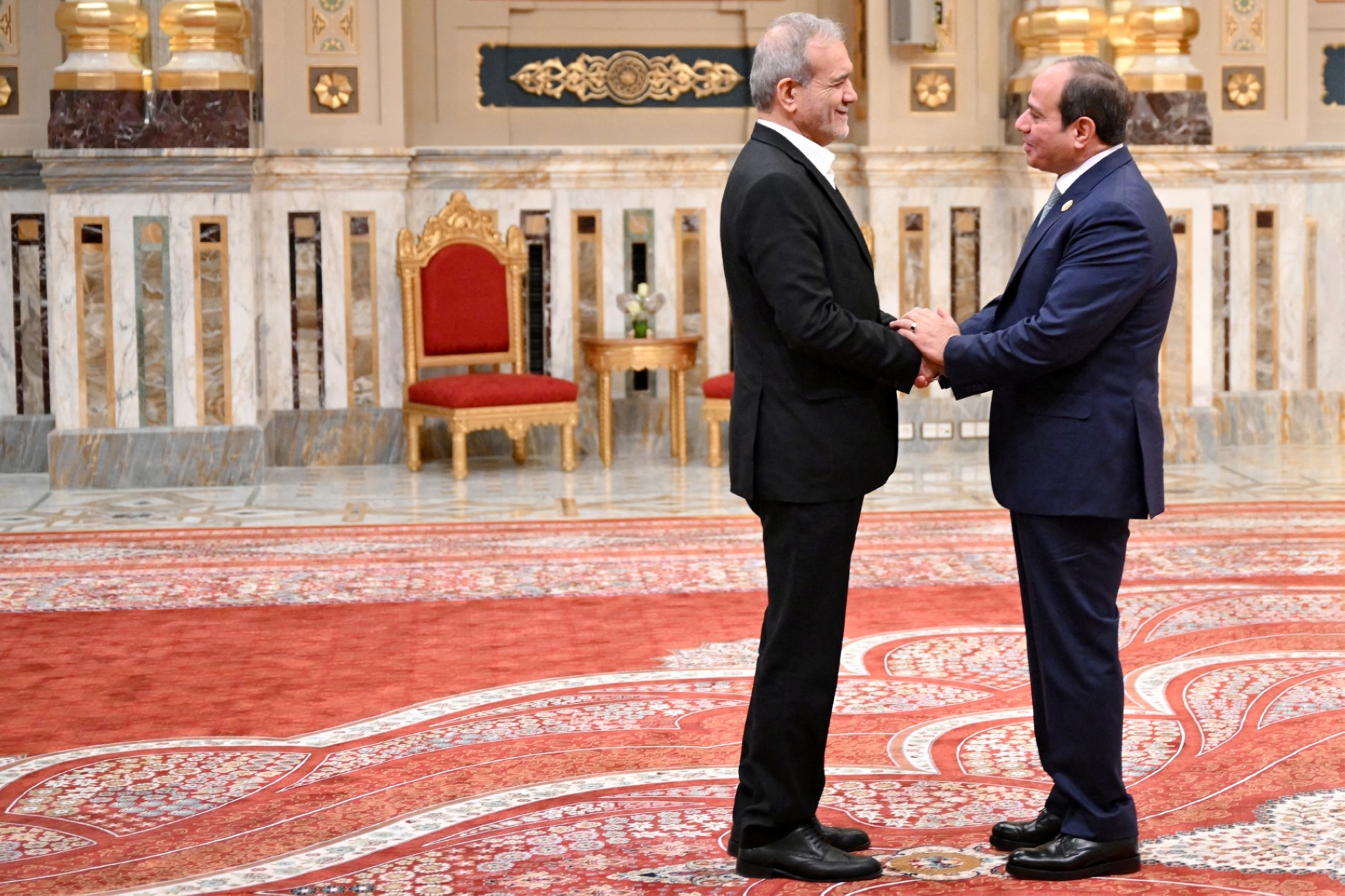
When Israel and the US began attacking Iran in late February, the Gulf states were targeted by Iran in response. Cairo offered defensive aid to its allies, deploying fighter jets to some and air defence systems to others. It also worked hard diplomatically to push for de-escalation through a process in which Pakistan led. Egypt has steadily cultivated diplomatic channels with Tehran, but Houthi attacks against Egypt would complicate that.
Benefits of non-alignment
Having kept itself out of the different conflicts, Egypt saw some economic gains, in the form of more tourists and more foreign investment, with efforts to make the country an AI data hub and an alternative route for energy supplies to the international market, especially with the Strait of Hormuz having been effectively closed by Tehran. To Egyptian policymakers, this reinforced the idea that non-alignment offered tangible benefits amidst regional volatility.
Egypt has not been completely immune, however. When a drone attack struck the Mediterranean port of Damietta in late July, Cairo discovered that its neutrality only took it so far. Now, the Houthis have warned Egypt that ending its neutrality would put it in harm’s way, hence the head-scratching. Whether to continue supplying the Saudis is now a much bigger decision.