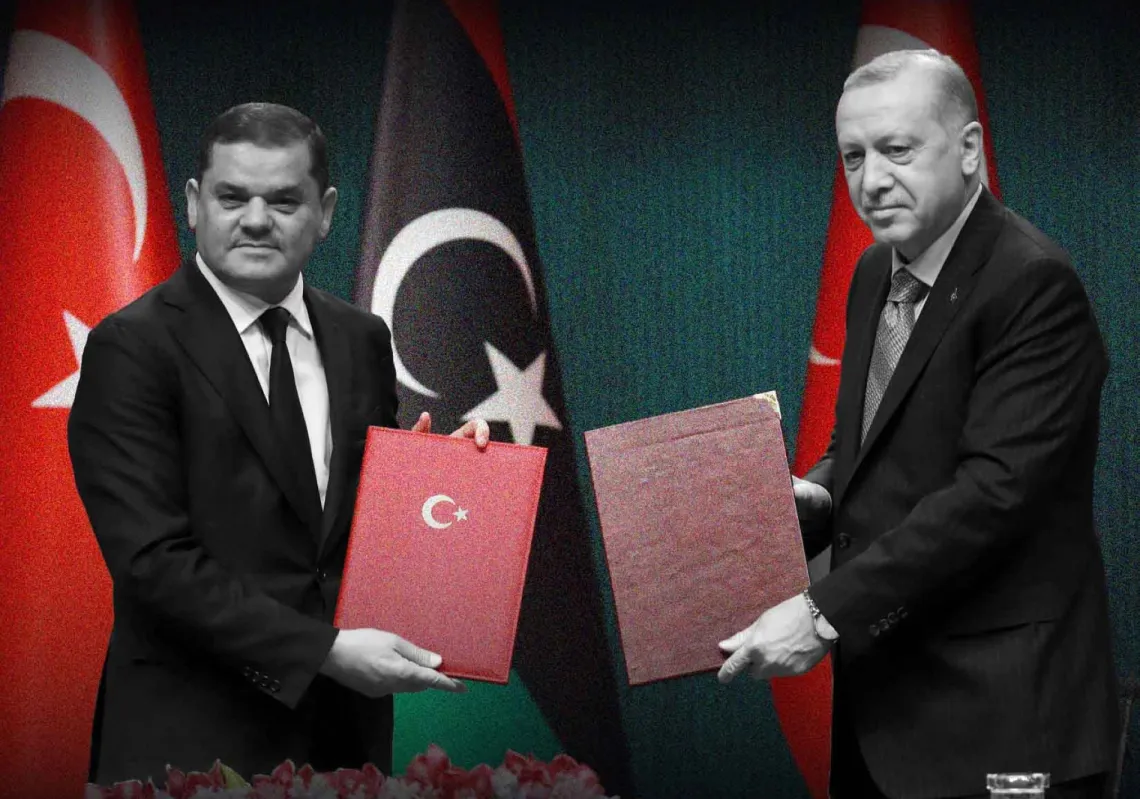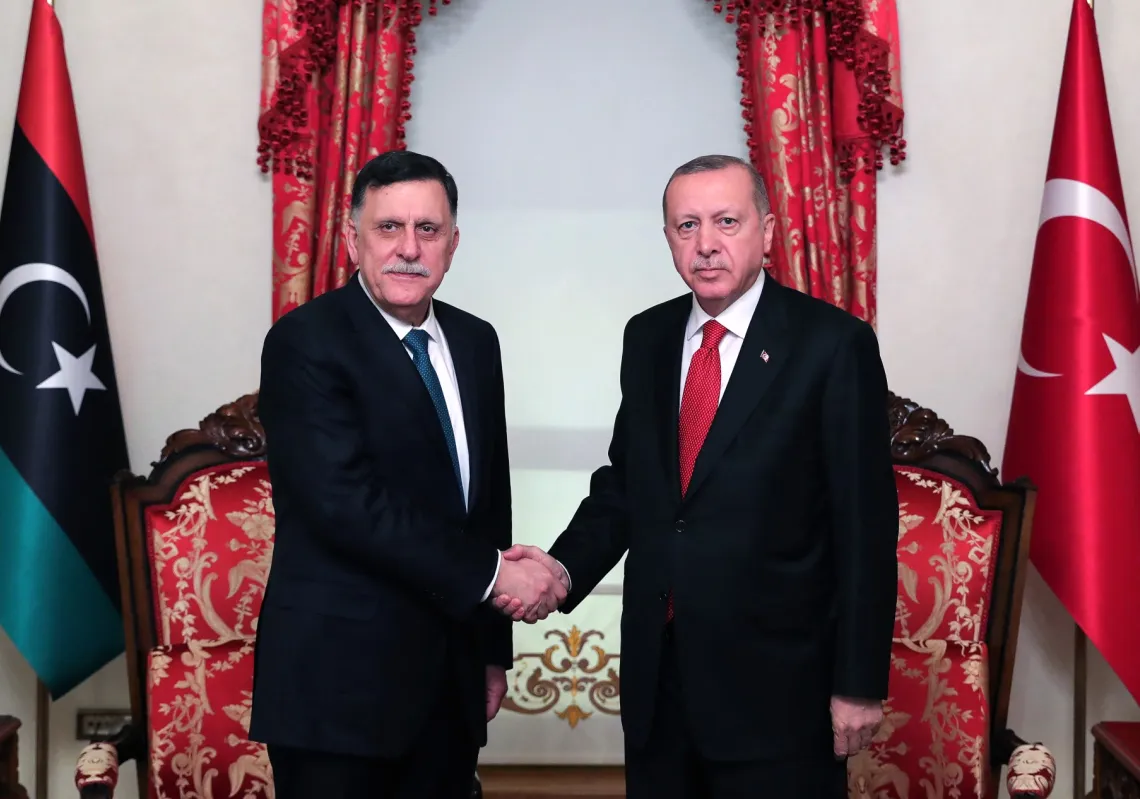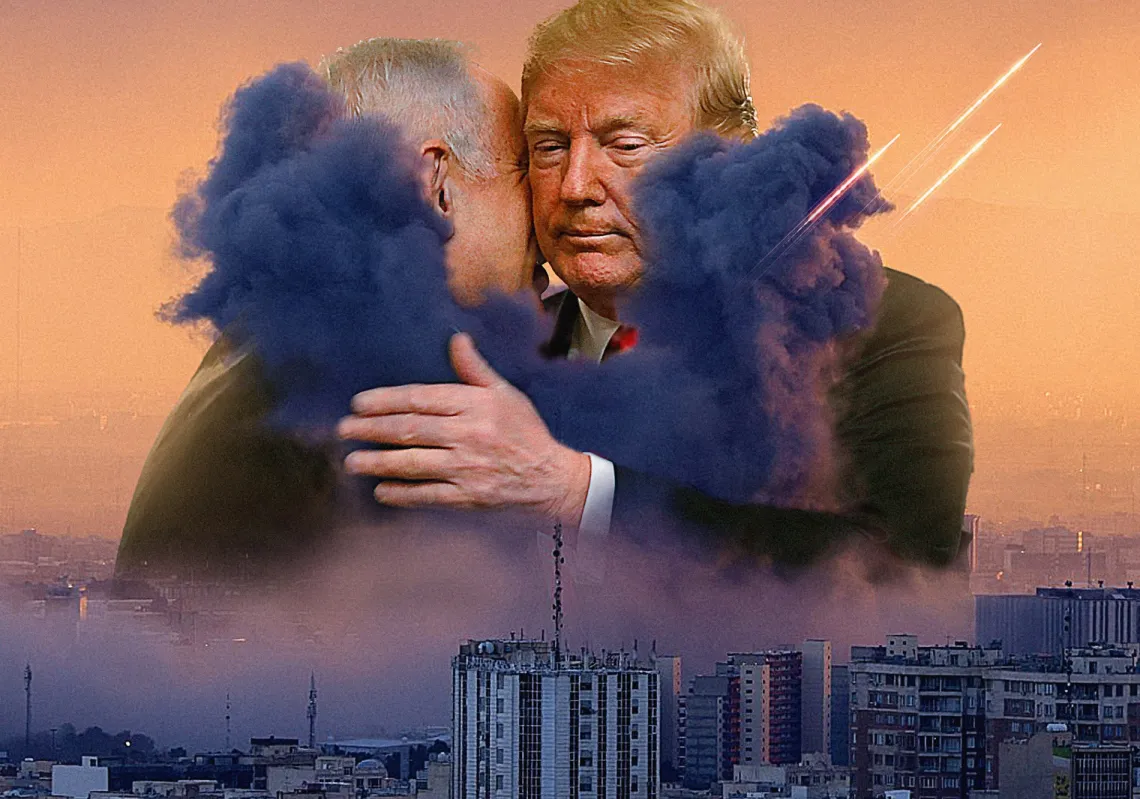

Over the past few weeks, a political chain reaction has gone off in Libya, and its shockwaves will reverberate across the region. That is the ratification of the Turkish-Libyan maritime deal by Libya’s eastern-based rump parliament, the House of Representatives (HoR).
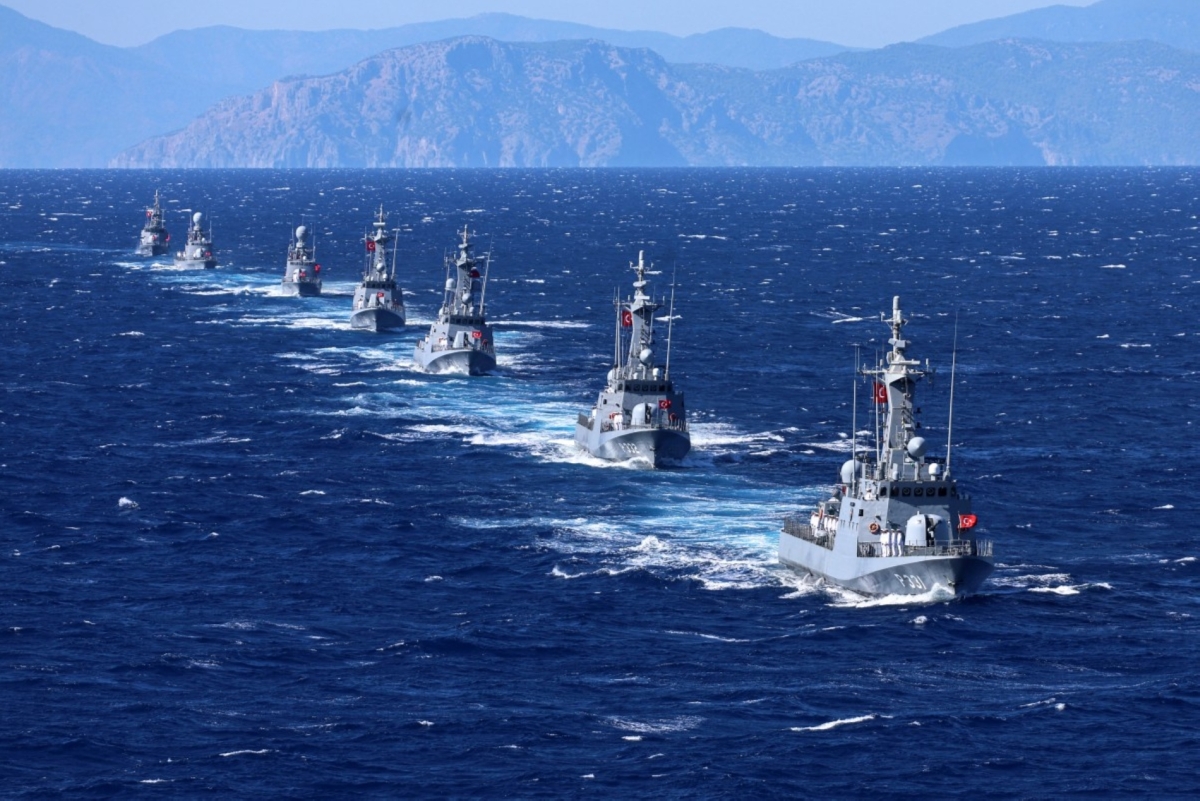
The ratification provides the legal groundwork for Türkiye to begin implementing other deals it signed with the Libyan government. Namely, to conduct seismic surveys across some offshore blocs, which could clash with Egypt, because they include disputed waters on its border with Libya. It also gives Türkiye more weight behind its maximalist interpretation of how economic zones should be divided in the Mediterranean, in opposition to Greece’s equally maximalist perspective and raises the possibility of another military standoff like the one in 2020.
This could potentially drag Libya into a broader regional conflict, between Türkiye on one side, and the EU and Israel on the other. Given that Greece has already contracted US energy giant Chevron to prospect in waters off southern Crete, waters Libya also claims, attempts to implement the agreement could even drag the US into the conflict in a bid to defend its regional interests and energy strategy.
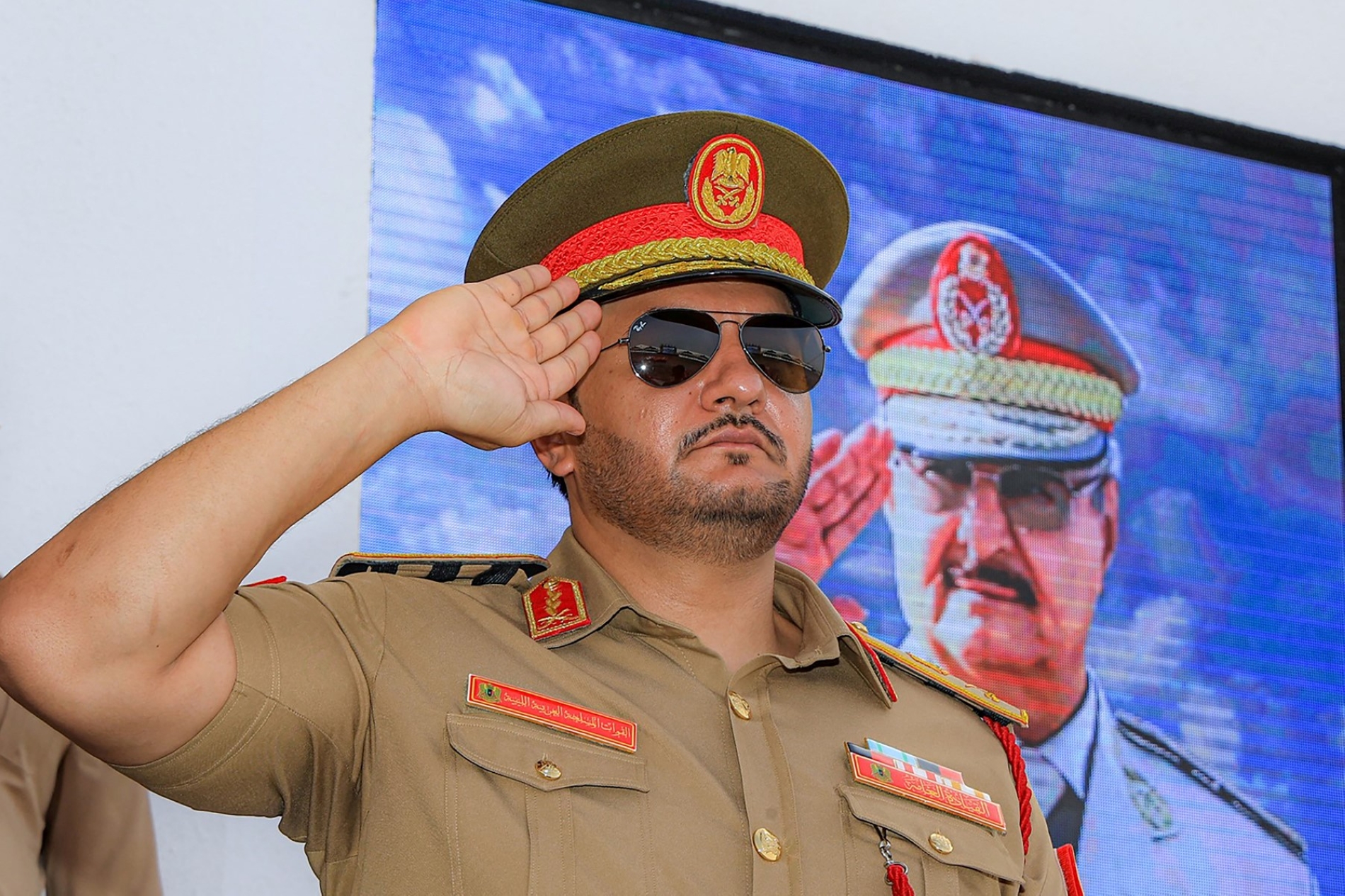
In Libya, events rarely happen in isolation, and these days never without geopolitical pressure. The HoR's decision to ratify the agreement followed a manoeuvre to oust its long-serving speaker of parliament, Aguila Saleh, after 12 years at the helm. Saleh had a close relationship with Cairo and had long stalled on ratifying the deal, which would affect Egypt’s interests and disrupt a long-standing international balance in Libya, threatening his ability to remain in office. However, in early October, Saleh was replaced by Al Salhin Abdulnabi al-Obeidi in a move engineered by Saddam Haftar, the son of ageing Field Marshal Khalifa Haftar— the de facto military ruler of eastern Libya.
Replacing this basic administrative post matters because Saleh transformed the largely ceremonial role of Speaker of the House into the HoR’s de facto decision-maker. He did this by flouting parliamentary rules, holding votes without a quorum, or faking votes by claiming he received them over WhatsApp when it was politically expedient. A change that the UN and other influential actors from the EU turned a blind eye too when it was politically expedient, thus unwittingly laying the groundwork for a dynamic that is now working against them. The new Speaker of the House did the same and held a closed vote on the maritime deal, which came back with unanimous support—the outcome Saddam wanted.
This is a win for the younger Haftar’s bid to become president or de facto ruler of all Libya. Despite rule-by-Saddam becoming the goal of American diplomacy in Libya, and the UN process, and with support from places as wide-ranging as the UAE, Russia and France, the project is still struggling to overcome the fundamental obstacle that Libyans, especially those in the more populous west of the country, simply do not want him to be their ruler. By demonstrating his usefulness to Ankara, giving them the long-desired ratification of the deal, and offering business deals and military partnerships, Saddam appears to be courting Türkiye to use its influence in western Libya to facilitate his ascension.
PR from Saddam’s offices and aligned media portrays the ratification as a statesmanlike move in the national interest—one aimed at advancing a united Libya. Saddam is also trying to impose a new central bank governor on Libya via the HoR to advance his designs on power.
Global reaction
Greece and its European allies reacted with expected outrage. They issued strong statements blaming Türkiye, calling the deal ‘null and void’ and contrary to international law. This response reflects their relative powerlessness and ignores their role in enabling this outcome by killing possible alternatives.
Despite their strong democratic traditions, Greece and France played a central role in rehabilitating the Haftar family’s image in Libya and the international community. They also shielded them from accountability after their defeat in the Tripoli war (a war resulting from an earlier attempt to position Haftar to control all of Libya, a move that further entrenched Russia and Türkiye in the conflict). This war led to the initial signing of this maritime deal with the Libyan government in Tripoli, leading Greece and other Europeans back to a policy of empowering Haftar to undermine said government, facilitate the rise of a ‘strong man’ they could work with and cultivate opposition to the Turkish influence in west Libya that they had enabled through an earlier iteration of the same policy—an encapsulation of the overly tactical, short-term thinking that plagues European foreign policy-making.
Their optimism persisted even as the Haftars developed dependencies with Europe’s enemy, Russia, and extorted Athens and other southern European states by weaponising migration flows. As expected, the autocrat they helped fabricate has slipped away from their control and is now working with rivals to advance his interests over theirs.
Egypt is suffering similarly, having played a key role in protecting Haftar after his 2019 military failure, partly in opposition to Turkish influence in Libya that its own pro-Haftar policy had enabled. Although the maritime deal clashes with Egypt’s view of how their maritime border will be delineated, and the Turkish Petroleum Corporation (TPAO) could begin surveying those waters, Cairo’s bigger headache will be losing Saleh and the added difficulty of trying to maintain good ties with all.
Improving Turkish-Egyptian relations and shared interests in exploiting gas reserves mean there is considerable potential for a deal to resolve their maritime disputes. Harder will be preserving their influence in Libya and developing closer relationships with the Tripoli government and other power centres in eastern Libya to compensate. They will also struggle not to be sucked into the growing animosity between Greece, Europe, and Israel on one side, and Türkiye on the other, since they have dependencies with all states involved and thus need to balance their relations with all.
While the US is happy to maintain distance for now and take the strategic view that this move advances its Libyan goals, it is unclear whether it can maintain such a detached outlook. Pressure from the strong Greek lobby, Chevron's potentially imperilled interests, and Israeli influence could potentially push Washington to limit the deal's impact. It may also eventually realise that independent Turkish energy generation undermines its strategic vision of maintaining an influential stake in all of Europe’s energy flows from the Mediterranean.
These myriad complexities in a divided Libya should serve as a cautionary tale for Türkiye. It may soon realise it has not secured the fait accompli it hoped for, but has instead opened a new chapter of struggle, division, and conflict.
Room for diplomacy
Despite the dramatic reactions to the ratification, little is likely to change on the water in the near future. Most of the blocs TPAO is set to survey fall comfortably within Libyan waters, while there is scope for broader negotiations with Egypt over the one bloc that doesn’t. Given the slow pace of these projects, it is not a pressing issue.
Moreover, the Greek government is trying to engage in talks with Libya to settle the Crete issue, a more limited and potentially manageable goal than scrapping the entire agreement. However, if diplomacy fails, those two blocs south of Crete, where Chevron and the Greek energy company HELLENiQ ENERGY are already surveying, could lead to a standoff similar to the one off Cyprus in 2020, when Türkiye sent warships to obstruct projects in disputed waters, prompting a showdown with France.