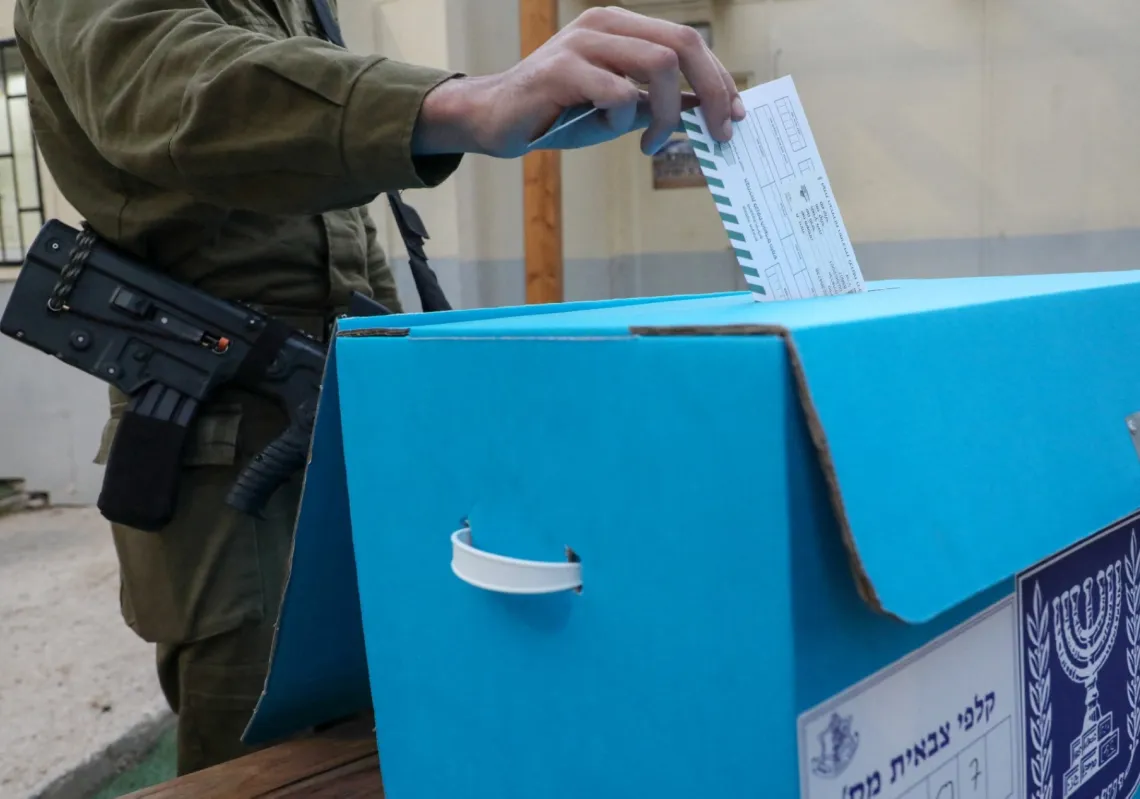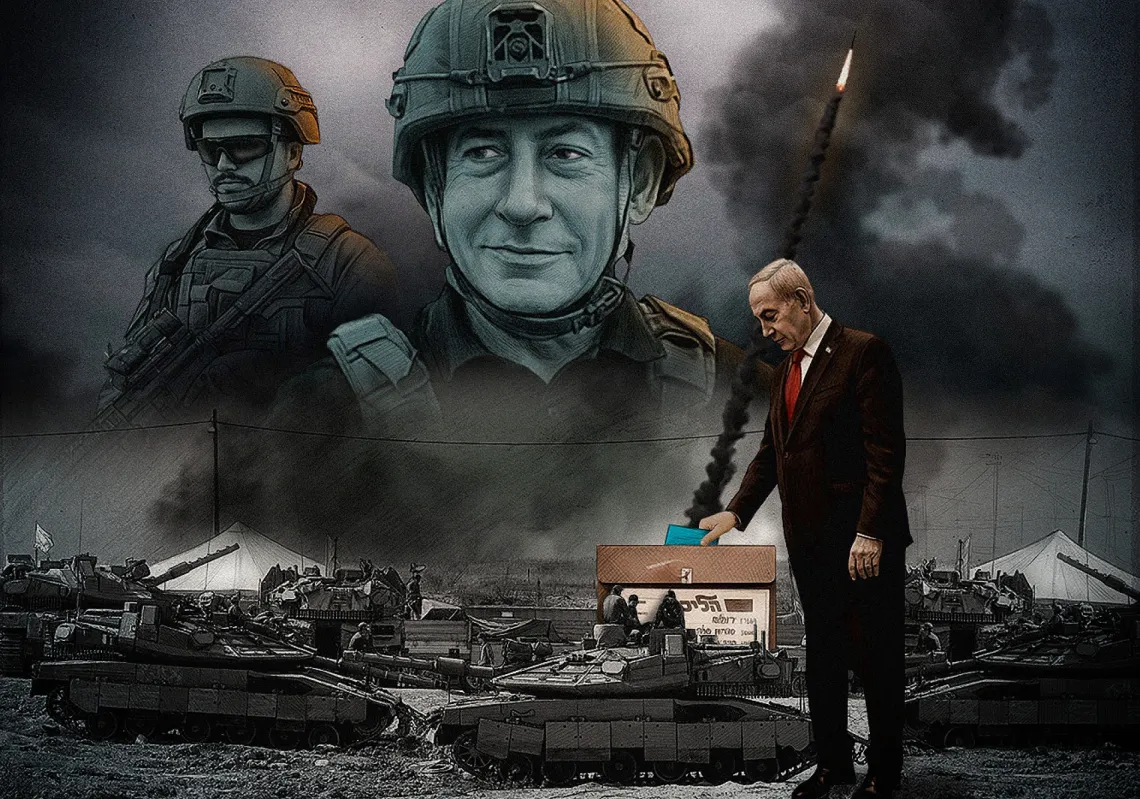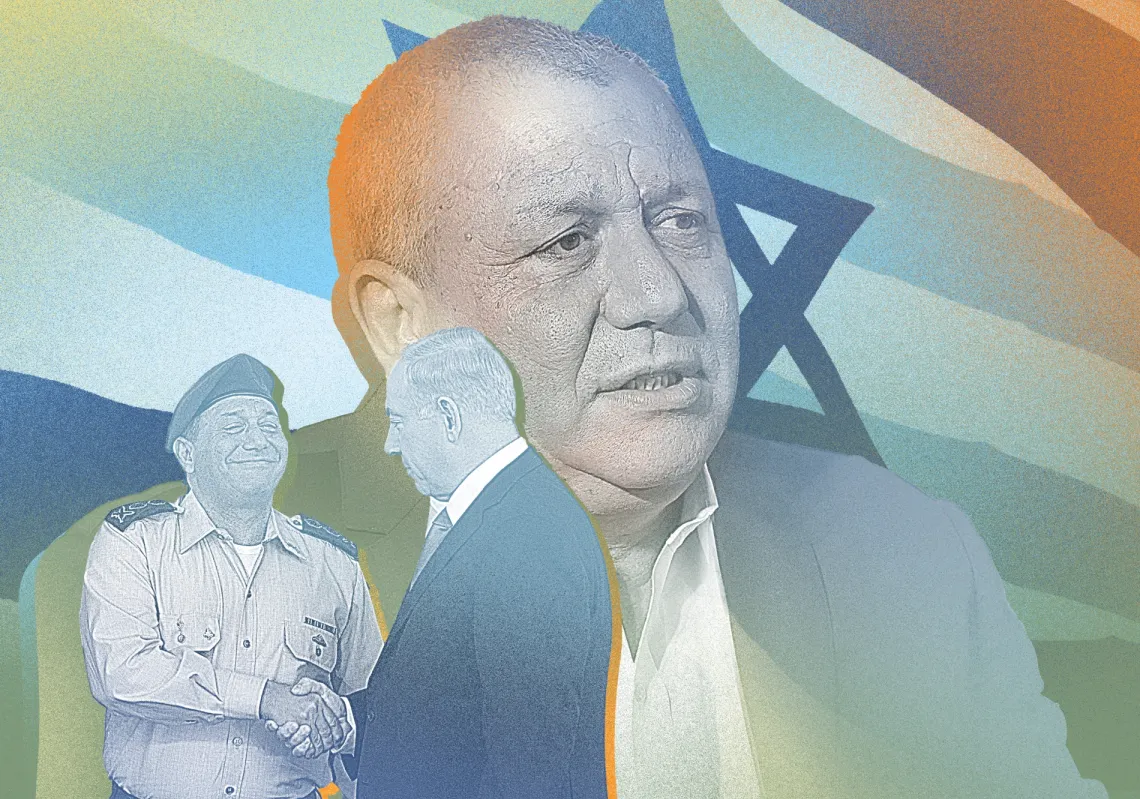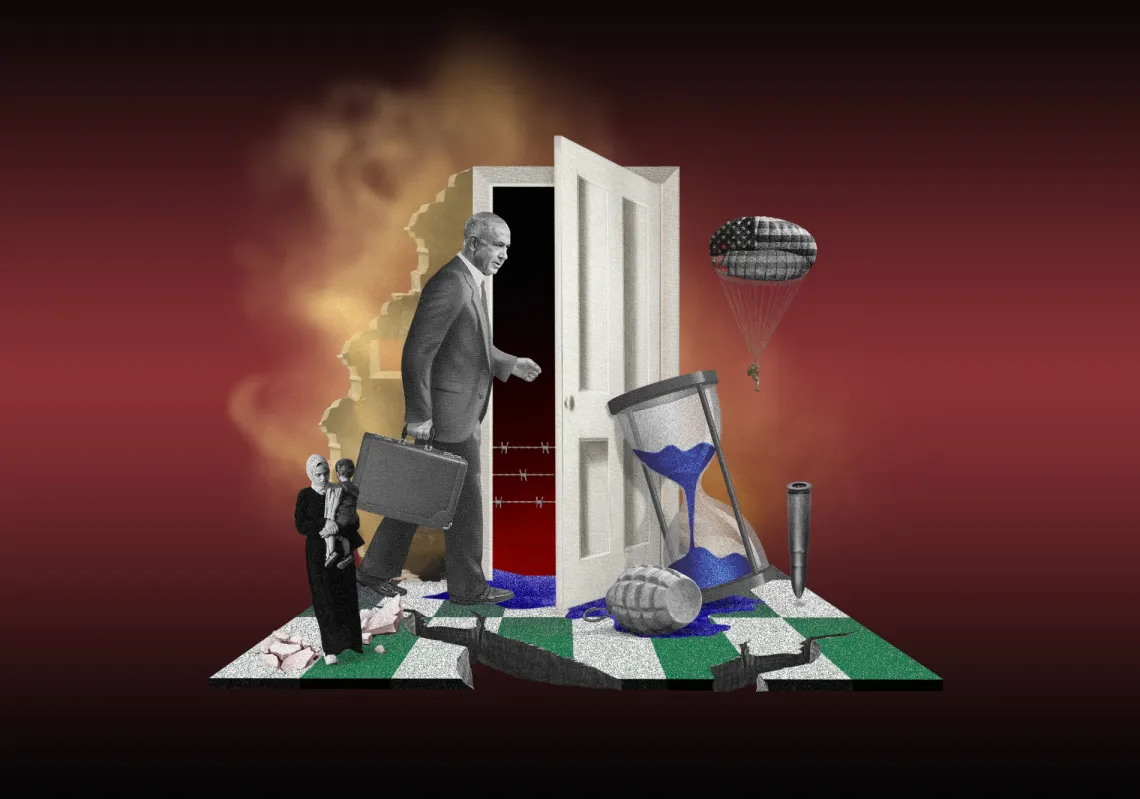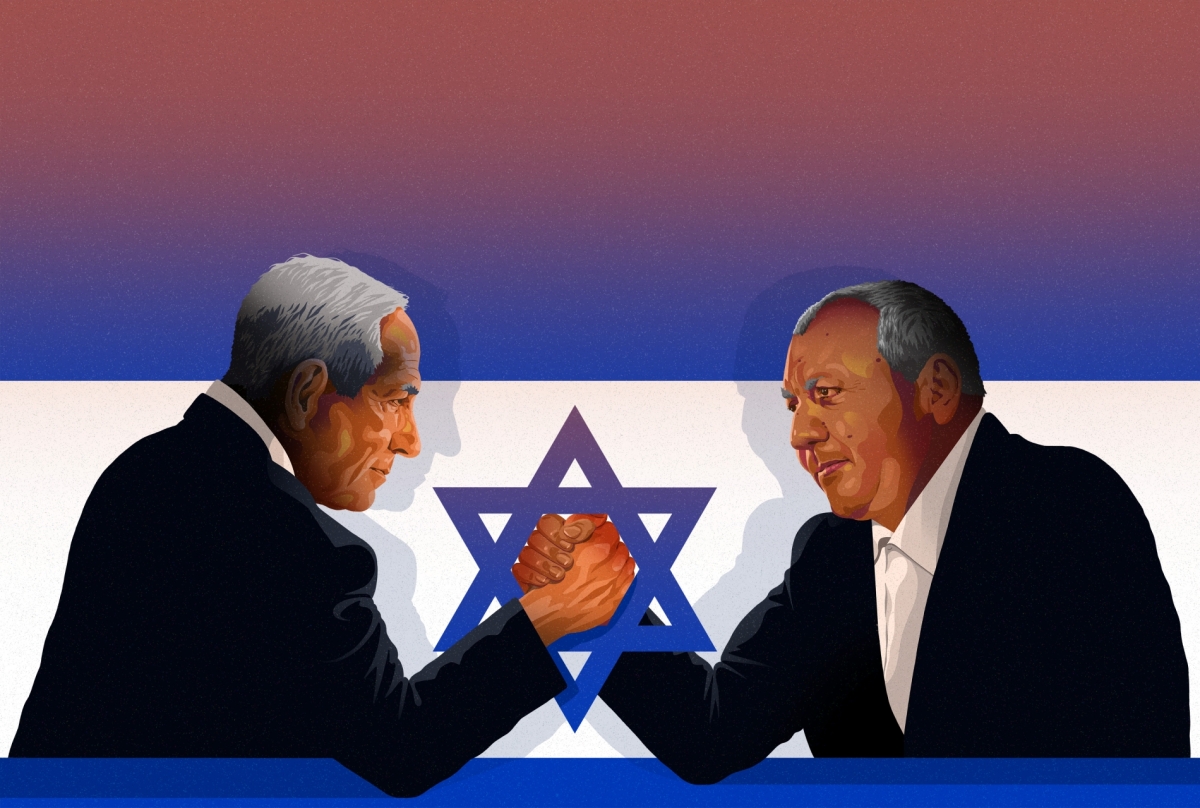

The 27 October elections in Israel—the first since the October 7 2023 attacks—could very well end in a disappointing impasse. Many observers (and Israelis themselves) may want a decisive outcome, but the election setup and the deep polarisation that has plagued Israel in recent years could mean a prolonged deadlock is now the most likely outcome. This means that while Benjamin Netanyahu’s opponents could secure more votes, they might still struggle to form a government.
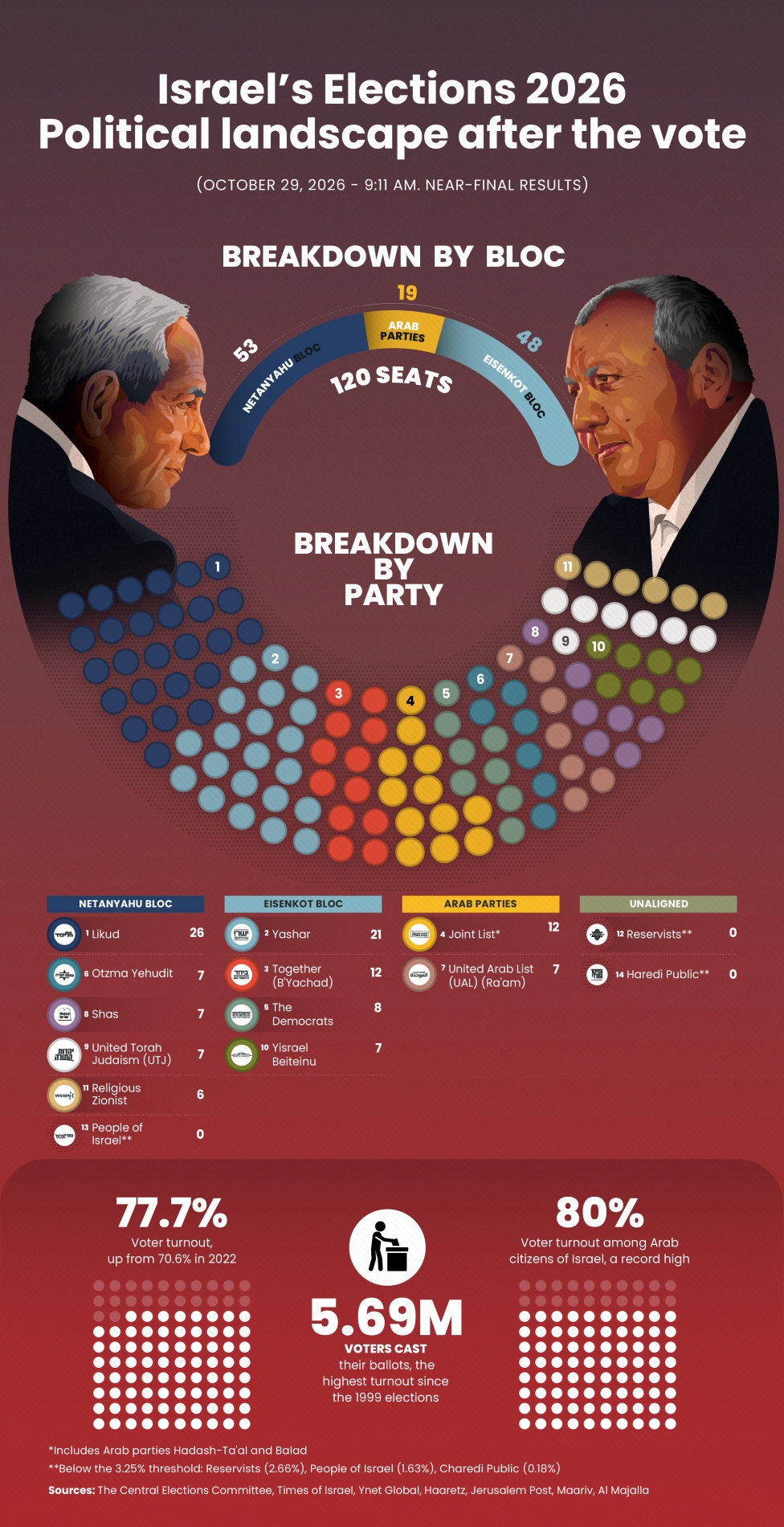
Early counts suggest that is the situation: his bloc is well short of 61, and his rivals are further from it than the polls promised. With 85% of ballots counted, the Netanyahu-led right-wing coalition holds 53 seats, while a possible opposition coalition led by former Israeli army chief of Staff Gadi Eisenkot is poised to hold 48 seats, with Arab parties securing 19 seats overall. While numbers are likely to change slightly in the coming days, this does mean neither side has an obvious path to the 61 seats needed to form a coalition. This is a recipe for deadlock because no government will have a stable majority without Arab partners, or without poaching a party from the other side.
Paradoxically, this is the first time in decades that an Israeli parliament and government served out a full term without collapsing into early elections. Yet this milestone masks a deeper paralysis: four years of endurance have done nothing to resolve the country's polarisation, leaving both blocs struggling to assemble a viable 61-seat majority. Perhaps more accurately: This endurance is partly due to the country's growing political polarisation. The ruling coalition had bitter, long-lasting internal quarrels, yet they knew they would lose if they let their differences lead to early elections. Fear of the other side has become the glue that ties coalitions together.
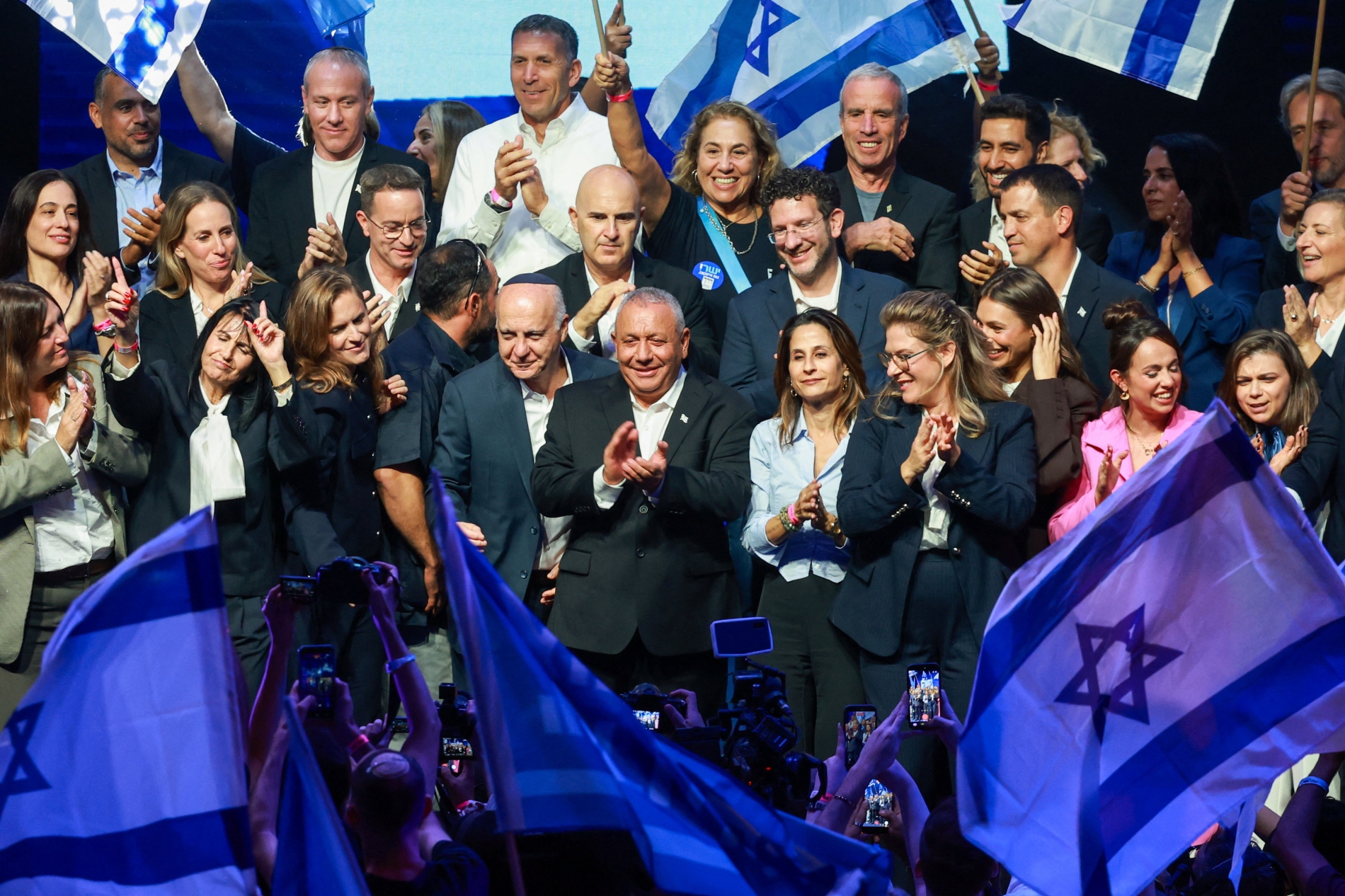
The election could consequently deliver several different kinds of change. A clear opposition majority would produce a government committed to investigating October 7, expanding military service, and restoring institutional restraints. A narrower result would force its leaders to reconsider the partners they have excluded. Prolonged deadlock would leave Netanyahu in office while his opponents argued over which promise to break—potentially giving Netanyahu opportunities to manoeuvre and entice some of them to join him.
The central question is whether Israel’s demand for political change can overcome the boundaries that have made change so difficult over the past years.
Years in the making
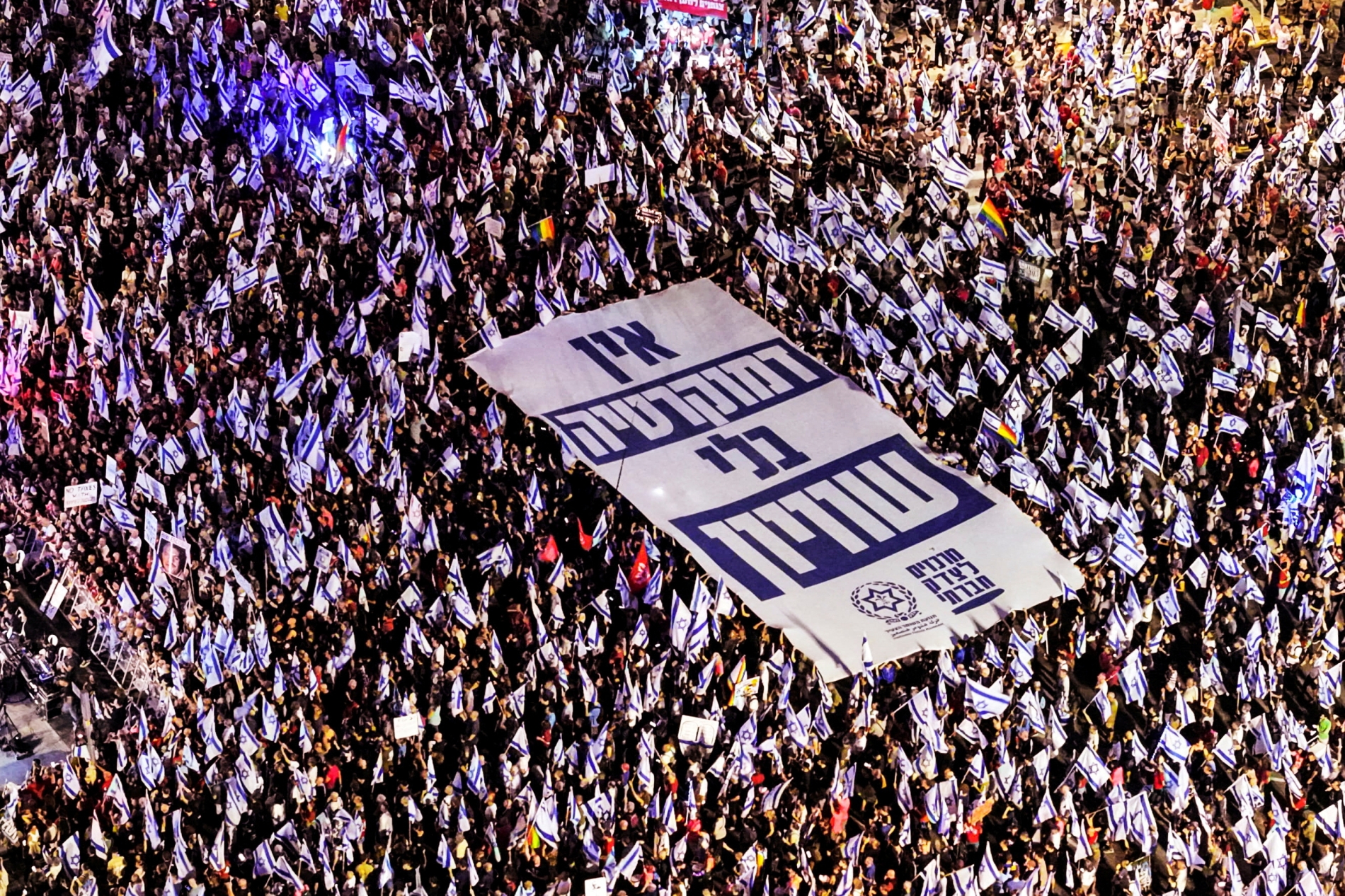
Israel’s current crisis is the culmination of compounding domestic shocks. In early 2023, the governing coalition launched a sweeping judicial overhaul, triggering the largest street protests in the country's history. Lawmakers pushed ahead by curbing the Supreme Court’s oversight powers, only for the court to narrowly strike the measure down in an unprecedented constitutional standoff.
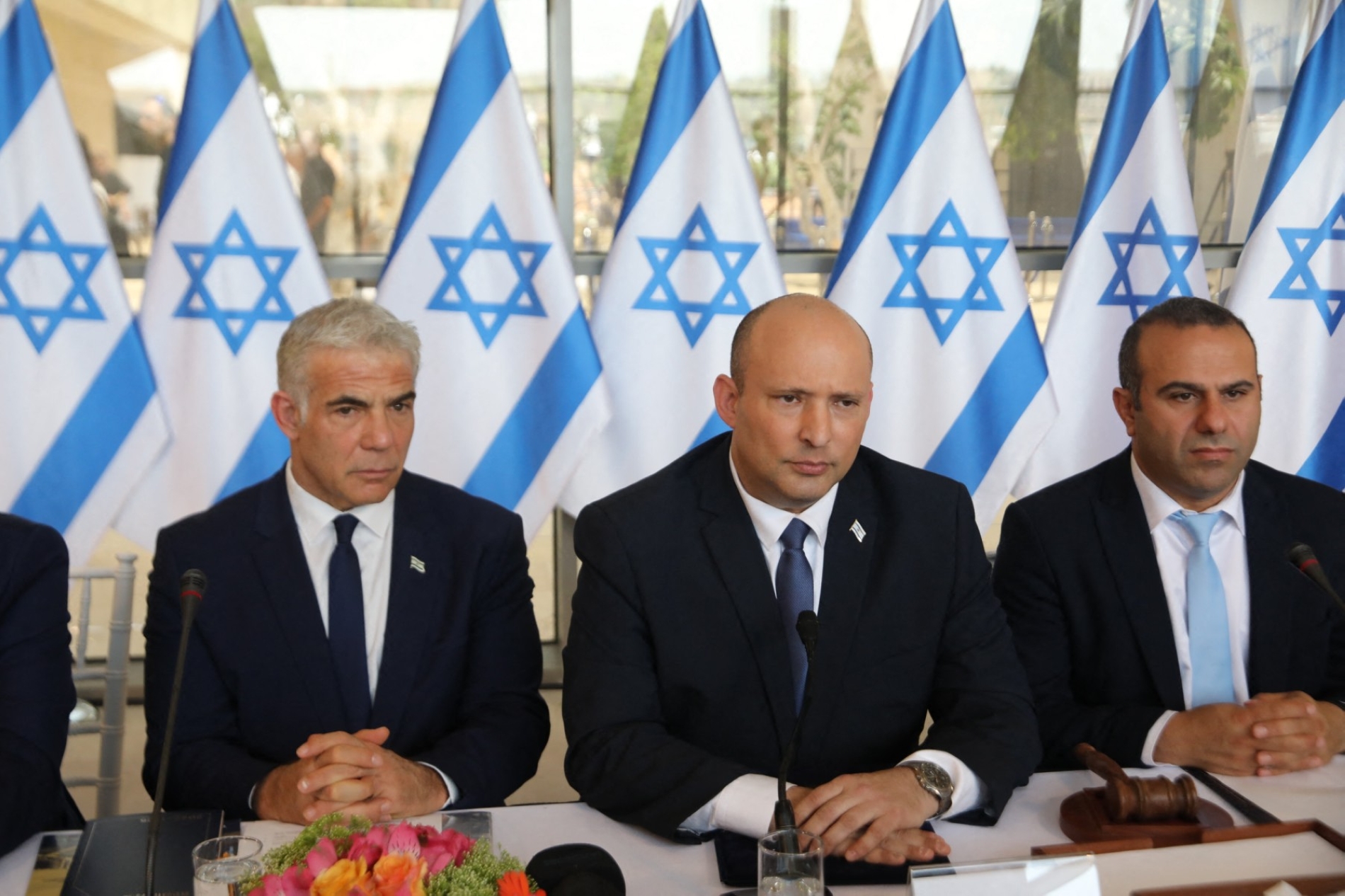
The trauma of October 7 temporarily froze these domestic fault lines, bringing opposition figures Benny Gantz and Gadi Eisenkot into an emergency war cabinet. Yet wartime solidarity soon gave way to familiar political manoeuvring. Centrist allies quit the government over strategic drift, former rivals reconciled to shore up Prime Minister Benjamin Netanyahu’s majority, and far-right factions repeatedly leveraged coalition ultimatums to extract concessions. What began as a constitutional battle has evolved into an ongoing struggle over political survival and national cohesion.
The right-wing coalition's ultimate test came from internal ideological disputes regarding Haredi military conscription. Pressure peaked in July 2025 when both factions of the religious United Torah Judaism (Degel HaTorah and Agudat Yisrael) pulled out of the government over stalled draft exemption legislation, followed immediately by minister resignations from Shas, another Jewish religious party. Though Netanyahu managed to preserve the government until its formal term ended, the crisis transformed the 2026 election from a routine parliamentary race into a foundational debate over Israel's democratic institutions, social contract, and national security architecture.
Far from a cliché, compounding institutional crises and existential security challenges have converged to make this election a defining moment in Israel's history.