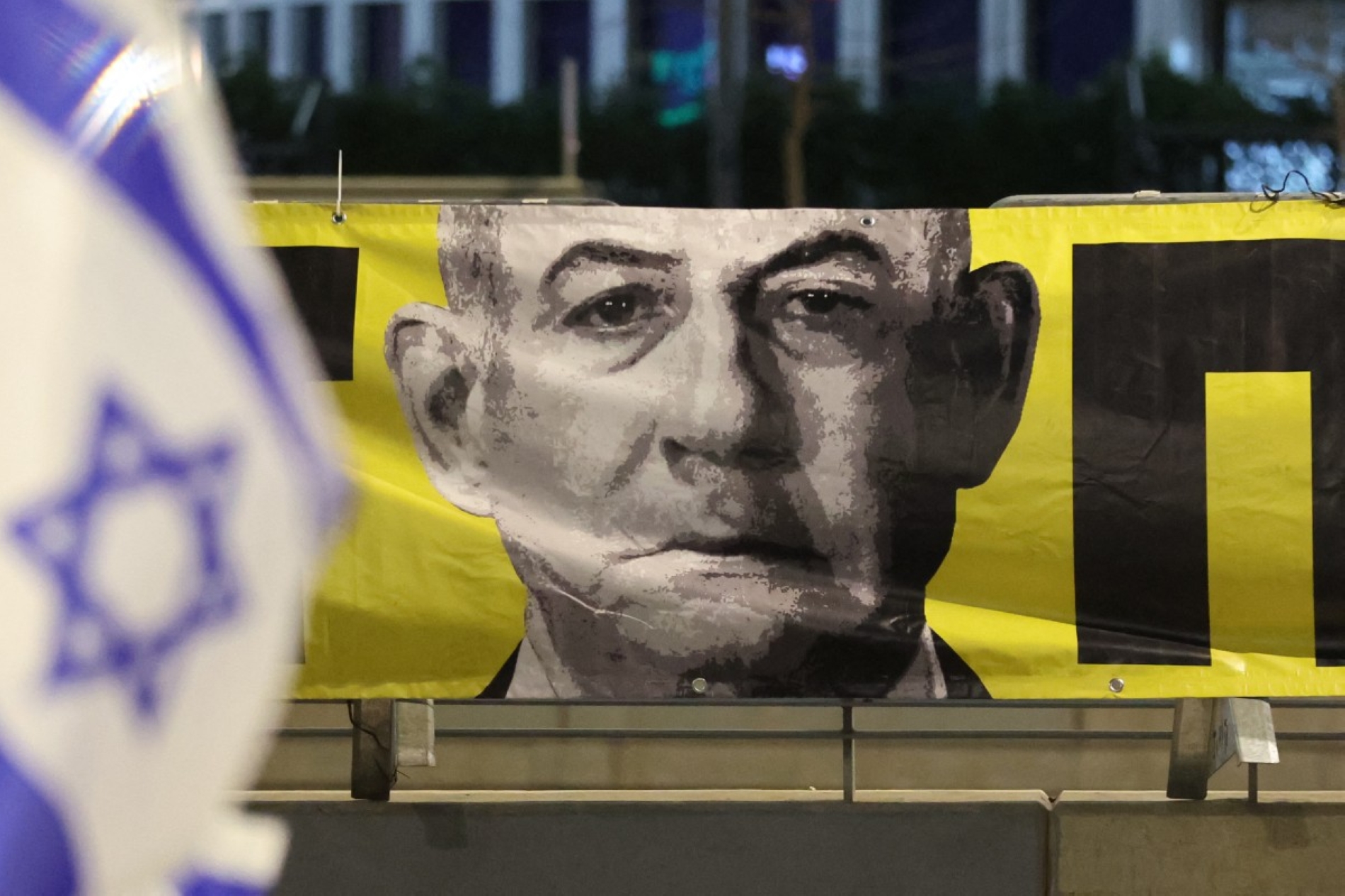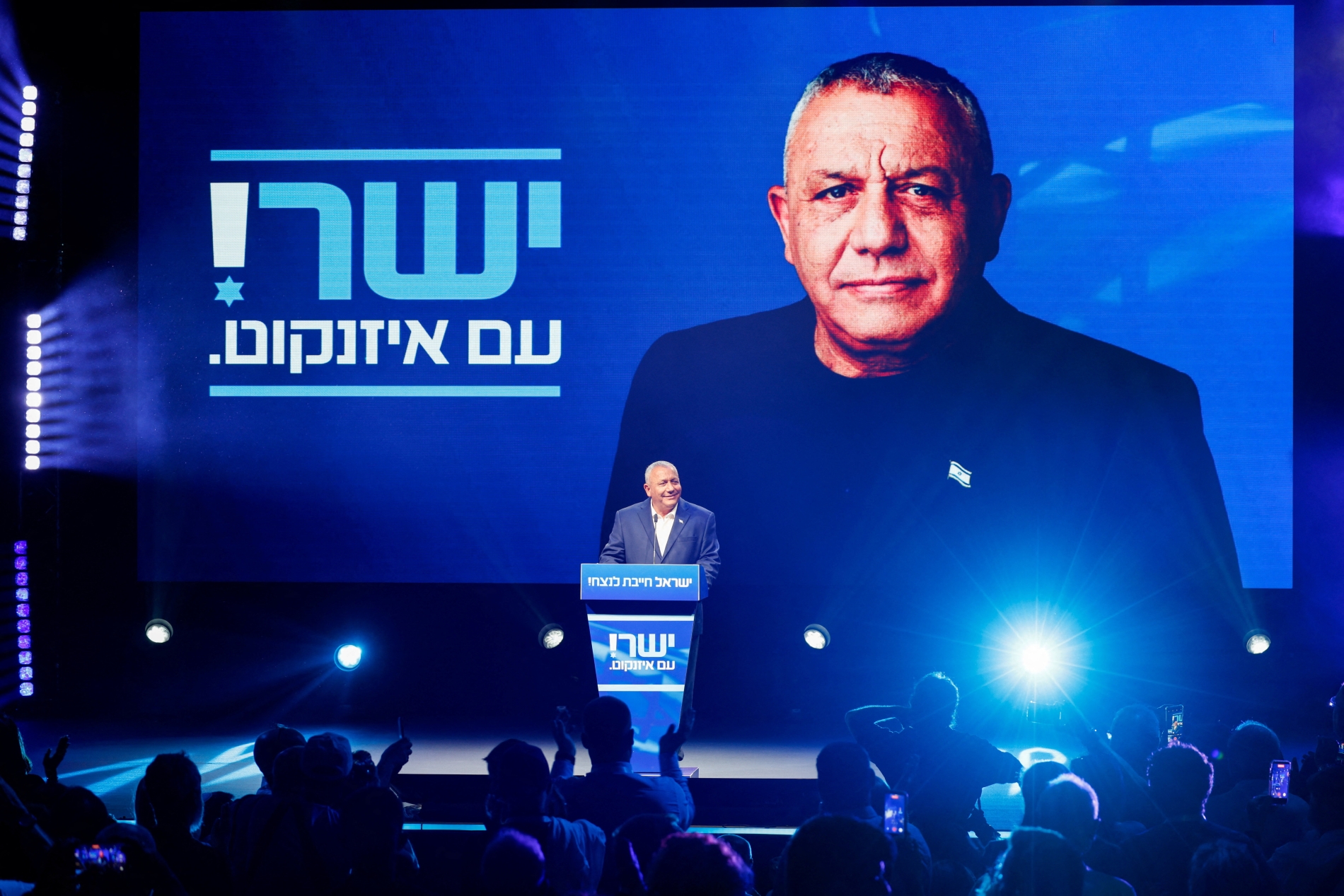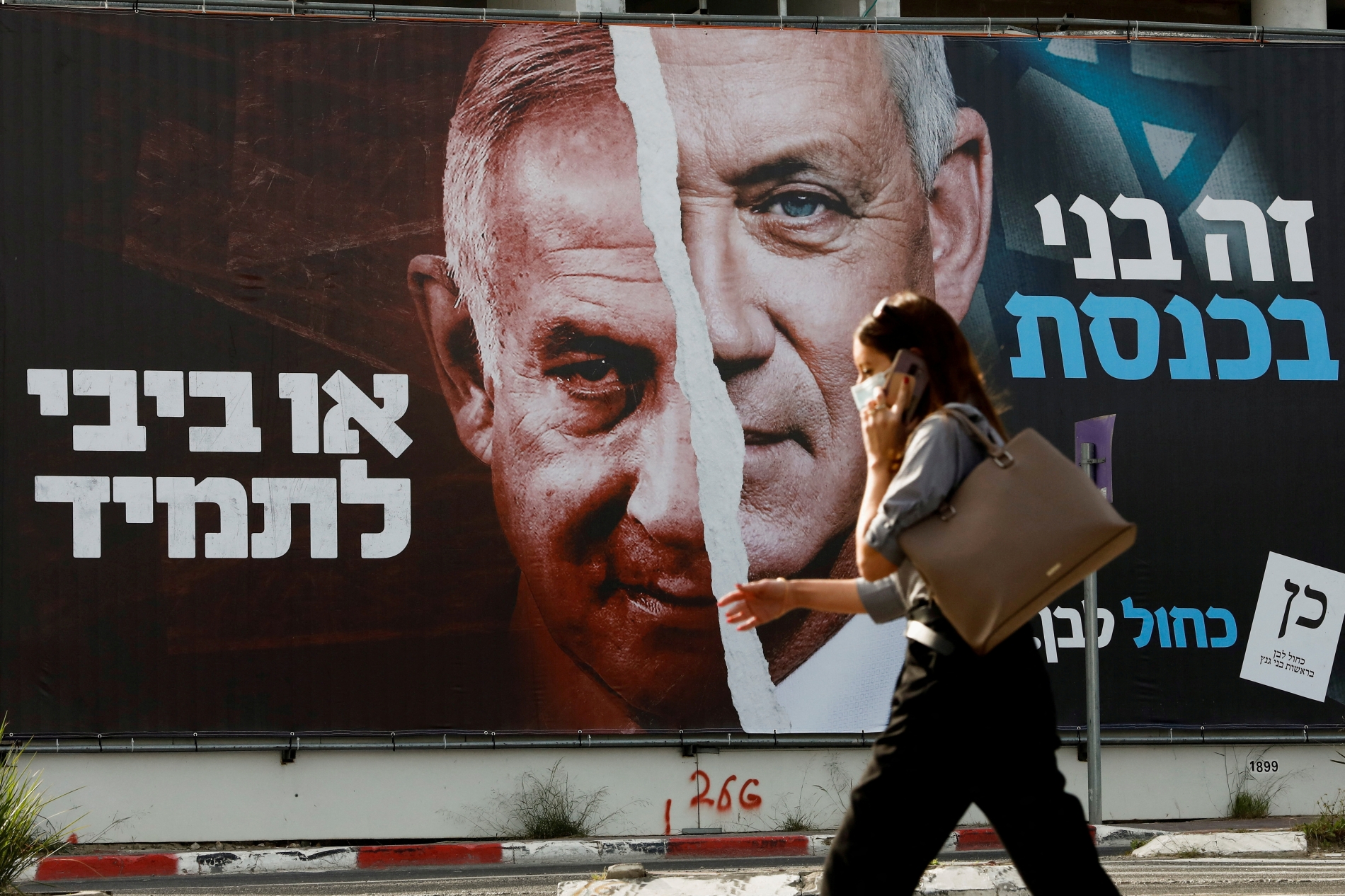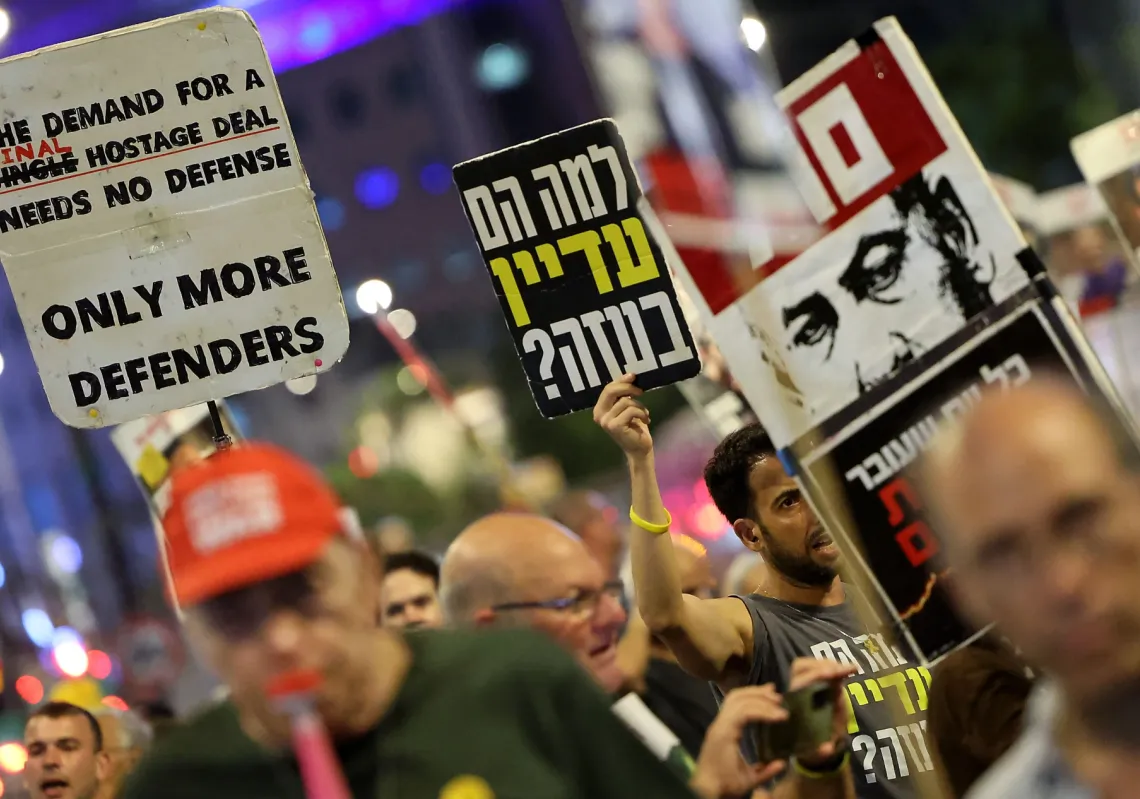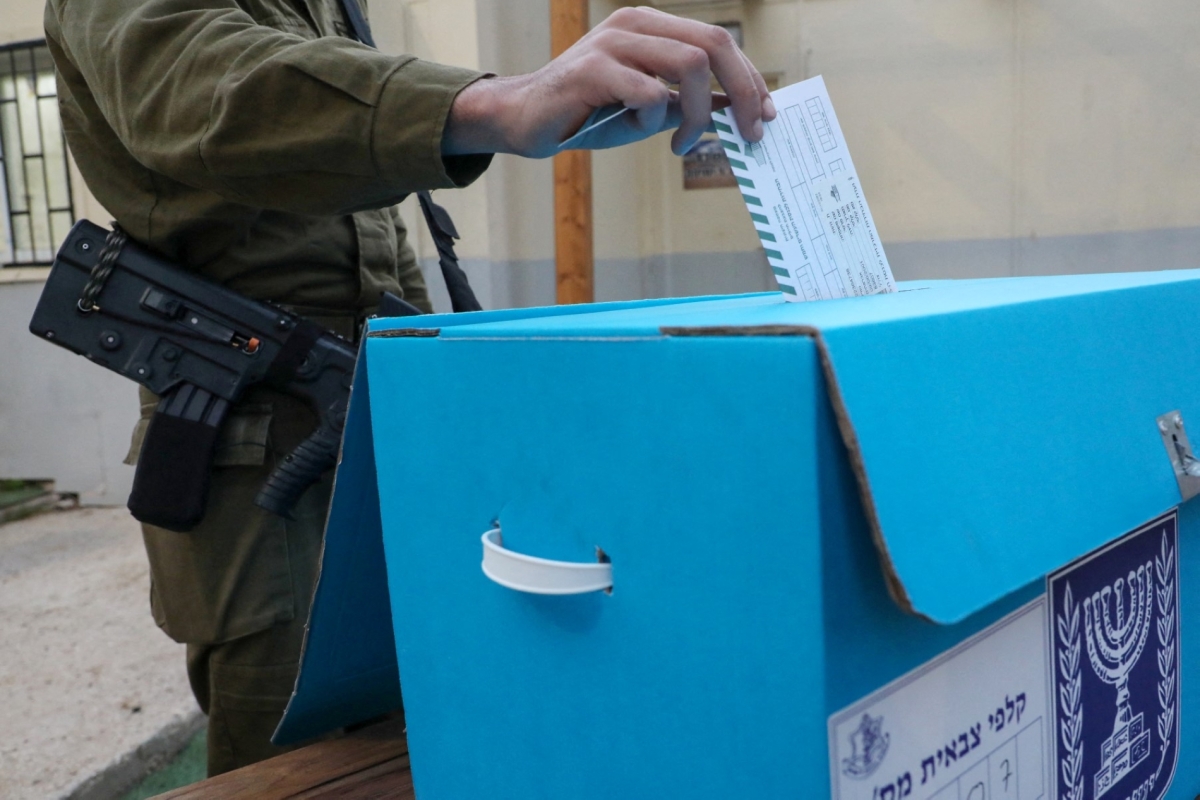

One thousand, one hundred and sixteen. That is the number of consecutive days Israel will have been at war when national elections get underway on 27 October. It is the longest consecutive fighting period Israel has engaged in since becoming a state in 1948. The implications of this figure are rattling Israeli society with reverberations that will be felt—and studied—for decades.
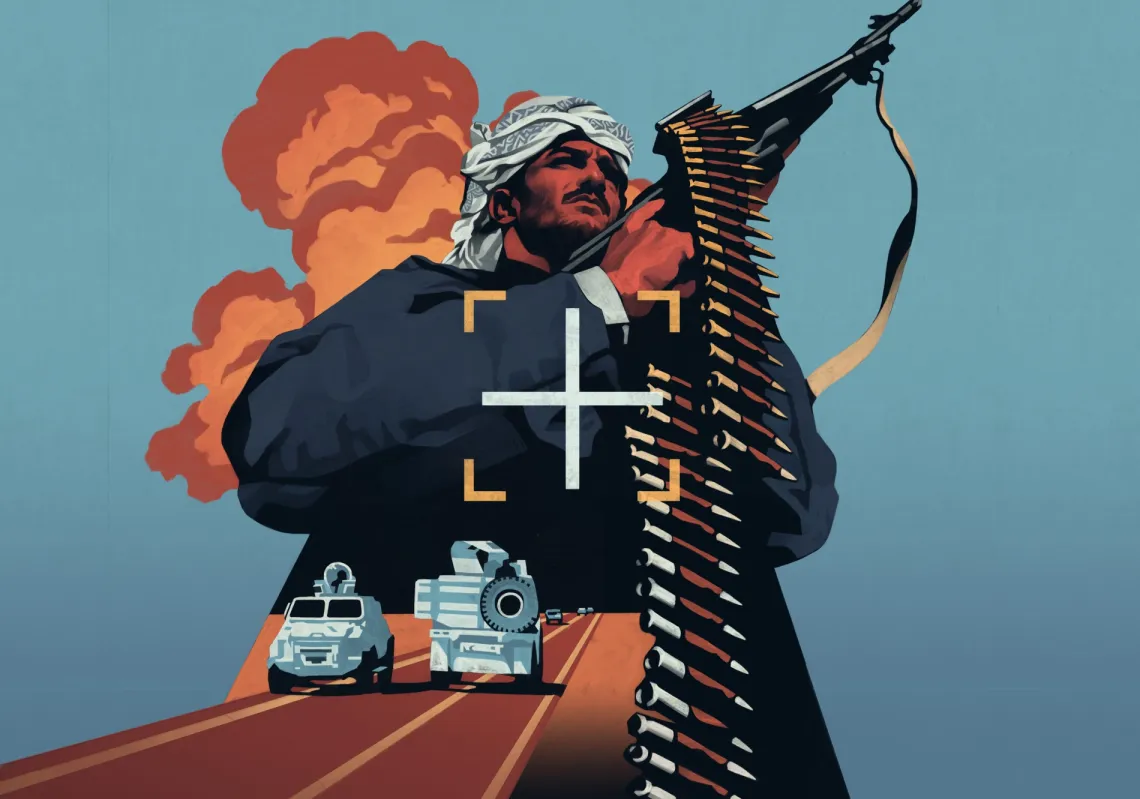
As a reminder, the multi-front war was sparked in October 2023 by Hamas operatives crossing into Israel from Gaza. Around 1,200 Israelis were killed in the ensuing fighting, and Hamas took 250 hostages. Within hours of the assault, Israel launched an offensive in Gaza and, in the days, weeks and months that followed, subsequent fronts opened between Israel and Lebanon, Israel and Iran, Israel and Syria, Yemen, Iraq and the West Bank.
Around 20,000 Israeli soldiers have been killed or injured while fighting on all these fronts since 2023, according to Israeli army figures. Among those who have served in the army, PTSD has climbed 40% since 2023, and that figure is predicted to soar to 180% by 2028.
“The idea that we are at war for almost three years and the heavy burden on the shoulders of the Israeli army is mainly on the reservists is something which is totally mad,” Israel National Studies and Misgav Institute's Senior Middle East/Military researcher Kobi Michael said.
“Reservists serving 700 days or the last two and a half years have no life. They have lost their jobs. People were divorced. They do not see their children," he added.
All seven fronts remain active and unresolved, and in recent weeks the looming threat of an eighth front opening with Türkiye has emerged. This anxiety will likely be on Israeli minds as they go to the polls.
This election is predicted to be the most consequential in Israel’s history on both domestic and international fronts. That is because voters face a range of issues beyond warring with the neighbours. There is scant trust in the current political leaders, growing polarity between religious vs secular and politically ultra-right/extremist vs centre-left sectors, the cost of living is soaring, and anti-Israel/antisemitic sentiment due to Israel's war on Gaza is rising.
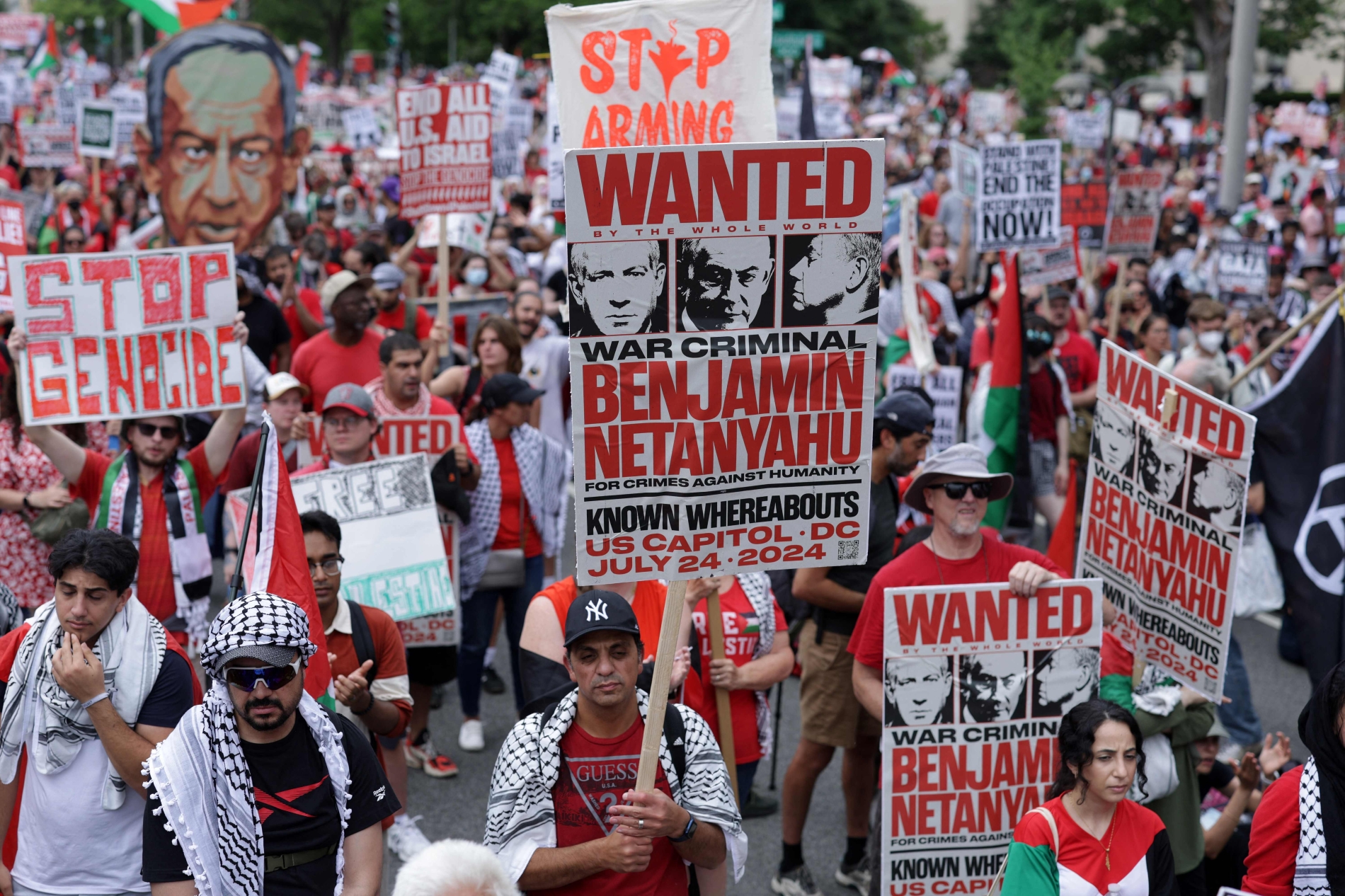
Some of this sentiment has translated into violence. Last year was the deadliest in decades for Jews worldwide, with more than 23,000 attacks perpetrated against Jews—20 of those resulting in death. Those figures from Jewish advocacy group the Anti-Defamation League (ADL) coincide with research showing a triple-digit surge in global hate crimes against Jews within weeks of Israel's 2023 war on Gaza. Around 52% of Israelis are afraid to reveal their nationality when travelling abroad. Furthermore, a growing number of European and North American Jews feel Israeli government policies are endangering their lives.
Growing grievances
In Israel, citizens struggling to make ends meet also question government decisions. A third of Israelis are locked into debt, spending more than they earn as living costs balloon. On average, Israelis pay 21% more than residents of Europe’s wealthiest countries. So while Swedes pay an average €15 for a kilo of beef, Israeli consumers shell out €25 euros for the same. A €1.80 litre of petrol in Germany and France goes for €2.20 in Israel. These price hikes are largely being driven by an inflated military budget, conflict-driven supply chain interruptions and labour shortages created by restrictions on Palestinian workers.
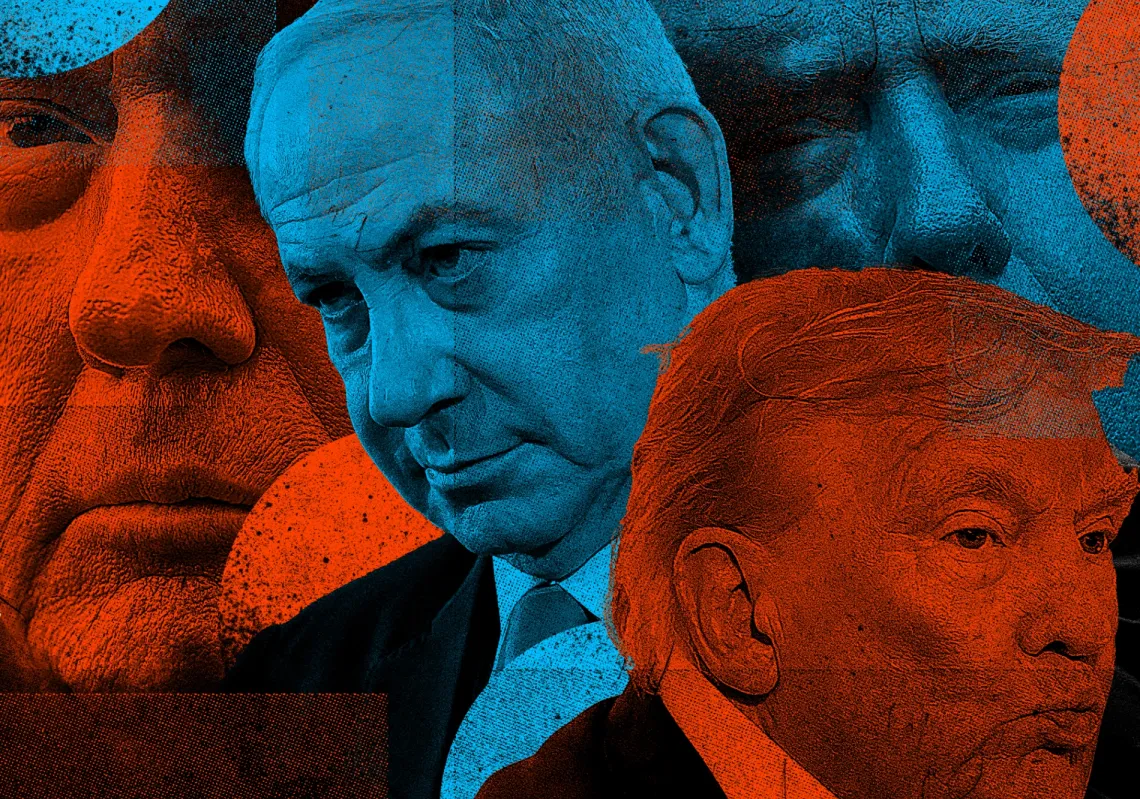
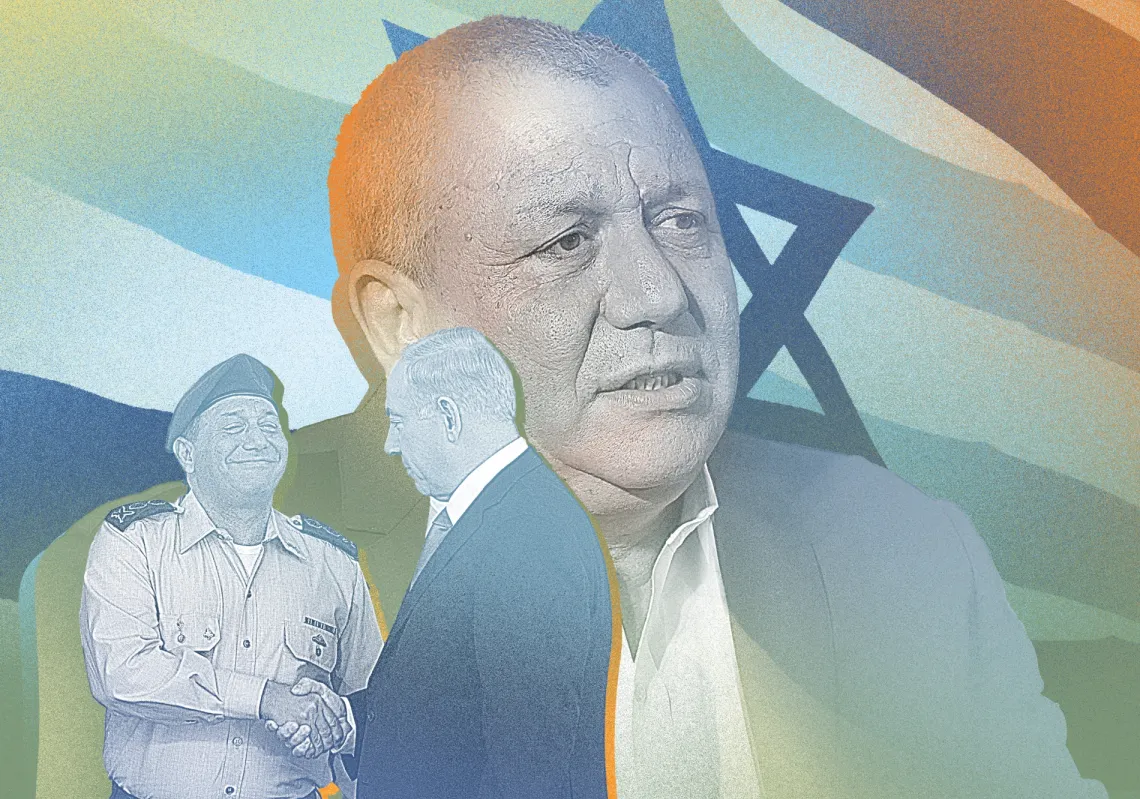
On the socio-political front, polarisation between right wing/religious and extremist blocs vs center-left/secular sectors is expanding. Benjamin Netanyahu’s current coalition is propped up by ultra-Orthodox parties and far-right extremists like Itamar Ben Gvir and Bezalel Smotrich. Ben Gurion University comparative politics expert Professor Guy Ben-Porat says these parties are targeting democratic institutions in an effort to reconfigure Israel into an ethnocratic majoritarian country and “stamp upon the rights of minorities".