Benjamin Netanyahu is damaged goods in the West

Key voices in the West appear to be throwing him under the bus ahead of the approaching Israeli election

Pete Reynolds

Benjamin Netanyahu is damaged goods in the West

One striking thing about US President Donald Trump’s endorsement of Israeli Prime Minister Benjamin Netanyahu this past week is how isolated he was in making this call. The Israeli Prime Minister has become a widely detested figure worldwide following Israel’s war in Gaza—where Israel committed war crimes. This disdain was clearly on display in New York in September when dozens of diplomats streamed out of the hall during Netanyahu’s speech.

But perhaps more importantly, many prominent figures in the West appear to be distancing themselves from his controversial policies and actions. Even Trump’s own vice president, JD Vance, broke with his boss by refusing to endorse Netanyahu, saying that he’s focused on supporting candidates in America’s midterm elections early next month.

In the months leading up to Israel’s hotly contested election, key voices in the West appear to be throwing Netanyahu under the bus, in a sign that they have had enough of the man who has been a leading voice in Israeli politics for more than three decades and has served as the country’s leader since 2009, with the exception of a brief period in 2021-2022.

In September, the United Kingdom, France, and Canada announced trade and economic bans targeting Israeli settlements in the West Bank as part of a 12-nation group—a move to prohibit goods and restrict services and financing for Israeli settlements in the occupied territory. Around the same time, Hillary Clinton, the former US Secretary of State, issued strong criticism of Netanyahu, saying “I love Israel, but I hate Netanyahu’s government and his policies,” and that she would be tough on him if he returned to power. Clinton added her voice to a growing chorus of leaders in the Democratic Party who distrust the Israeli leader.

His moves to make the US-Israel relationship a partisan wedge issue in America’s politics have left a negative mark. Few Democrats have ever forgiven Netanyahu for coming to Congress in 2015 to argue against the Iran nuclear deal—a signature policy priority and achievement of the Obama administration.

In addition, throughout the fall, there was a series of coordinated leaks showing that Netanyahu and his government were warned in advance by countries like the United Arab Emirates and Egypt that the October 7 attacks might happen—and these leaks played prominently in the Western media and Israel’s media aligned with the political opposition. In the rough-and-tumble of Israeli politics, elections are bitterly contested; that’s par for the course. But global opposition to Netanyahu is an interesting feature of the 2026 elections, though it remains to be seen whether it will affect the results.
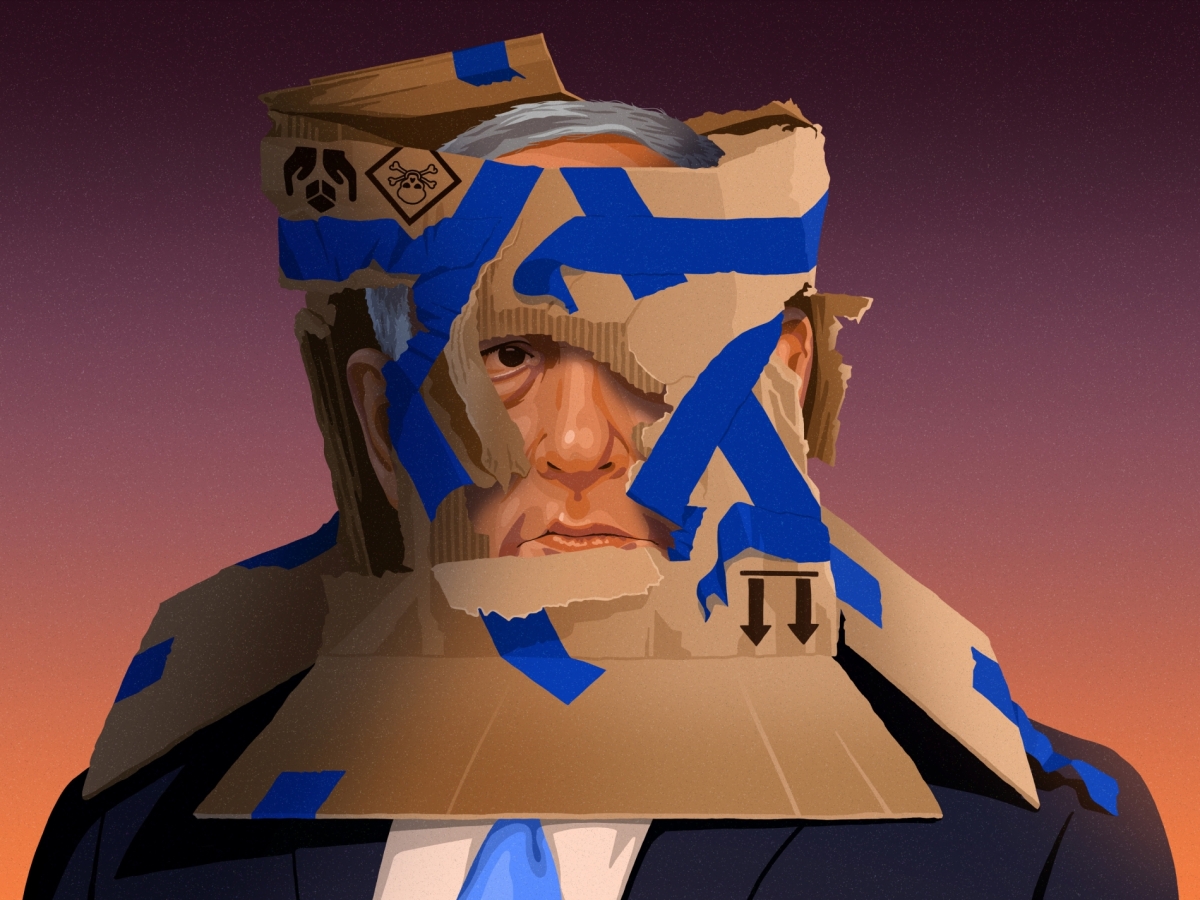
Netanyahu isolated Israel through the aggressive military operations in Gaza that killed tens of thousands of Palestinians—war crimes that will not be forgotten

Why the flip?

Why have so many voices in the West distanced themselves from Netanyahu? There are three main reasons—all interlinked. The first and most proximate cause is the instability and economic pain caused by Israel's military actions in the Middle East—particularly the inconclusive Iran wars of this year and last.  But Israel's actions in Gaza, Lebanon, and Syria—as well as a military strike against Qatar last September—have all stirred a growing sense of unease about how unpredictable Israel's conduct has become under Netanyahu.  

These actions have caused countries like Saudi Arabia to distance themselves from the idea of normalisation of ties, and they have led to considerable strains with Middle East countries with which Israel has ties. One measure of how isolated and desperate Netanyahu has become was his jockeying for the visit he eventually made to Abu Dhabi earlier this fall. He wanted to project to the Israeli public that he could maintain ties and remind them of his 2020 accomplishment: the Abraham Accords, which opened relations with the UAE, Bahrain, and Morocco.

AFP
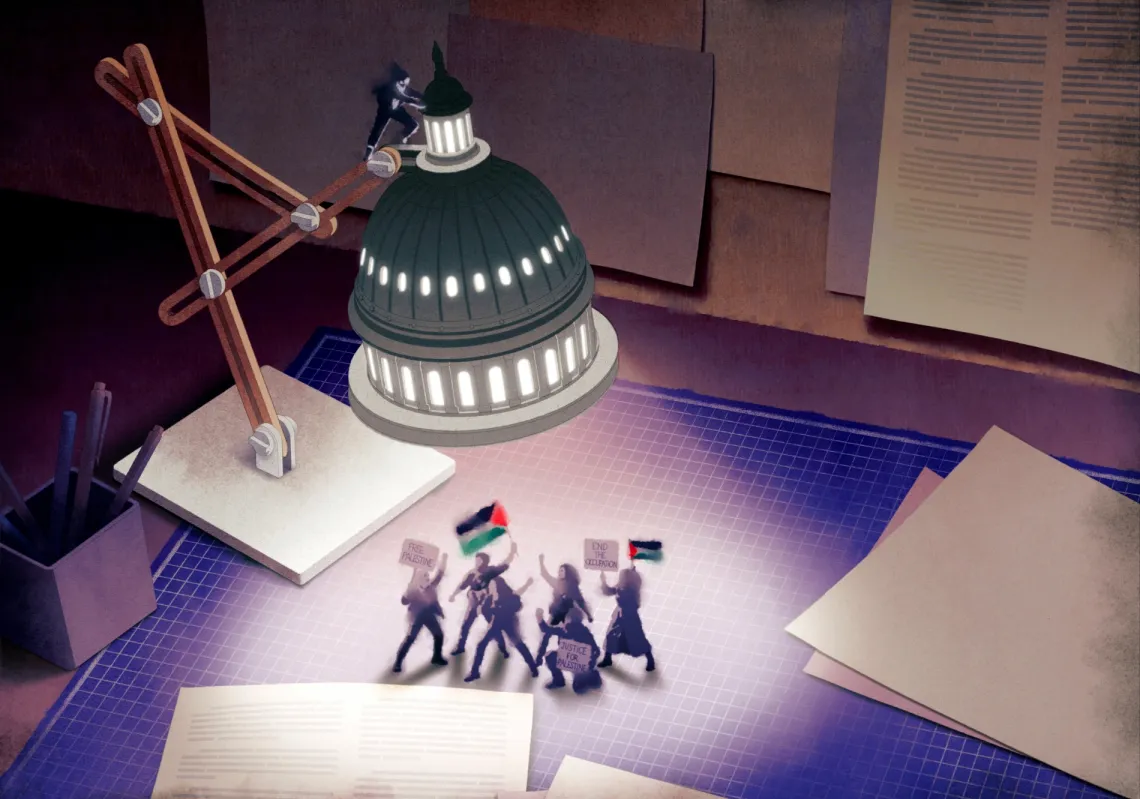
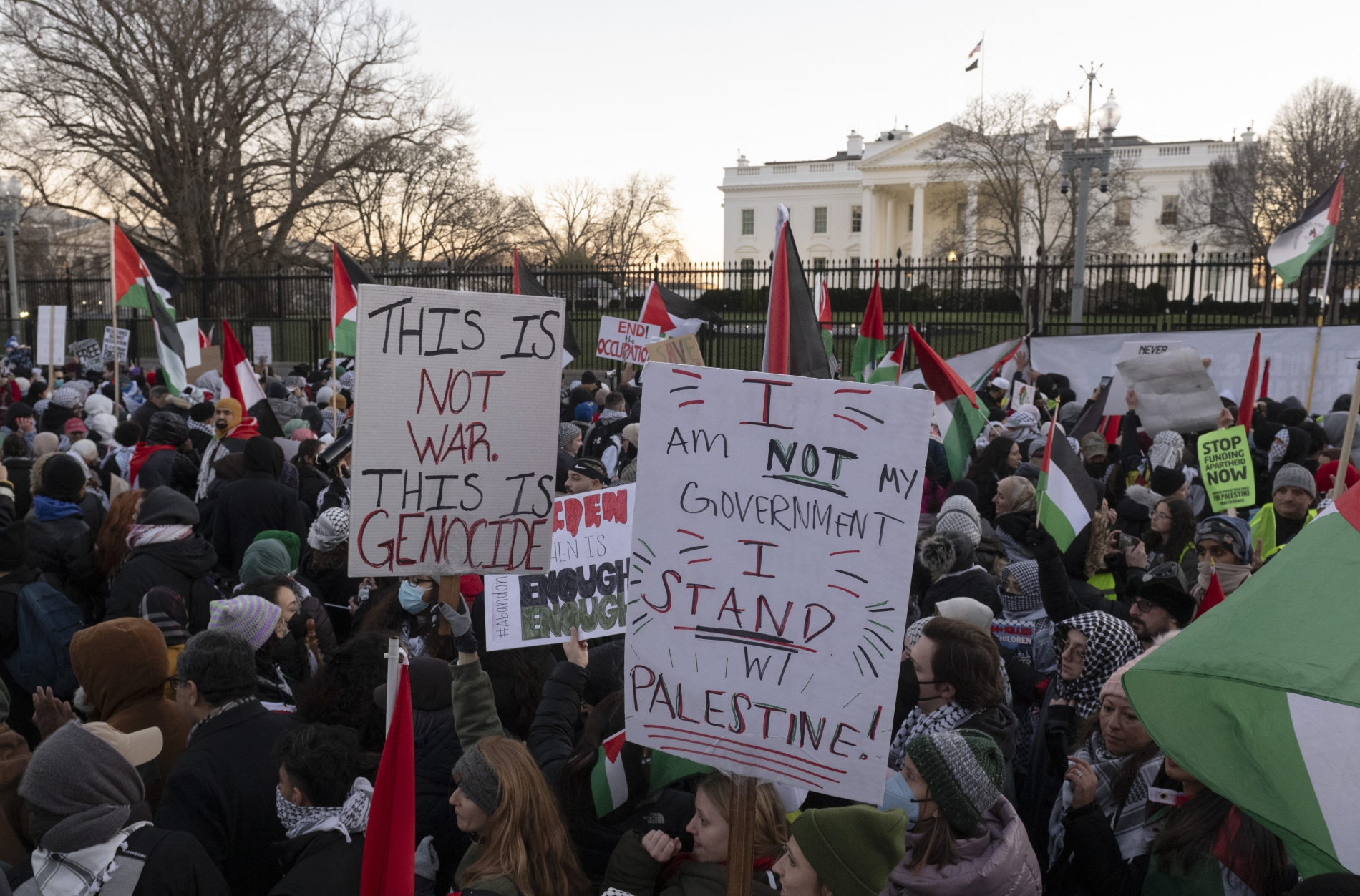
Pro-Palestinian demonstrators gather in front of the White House during the "March on Washington for Gaza" in Washington, DC, on January 13, 2024.

A second key factor is how Netanyahu isolated Israel through the aggressive military operations in Gaza that killed tens of thousands of Palestinians. The war crimes and abuses of the 2023-2024 Israeli war in Gaza will not be forgotten, nor will the fact that Netanyahu was the leader who failed to protect his own people against the attack launched by Hamas on October 7 that sparked the current ongoing regional conflicts. Add to that the fact that Netanyahu has rejected the two-state solution, the consensus view in the Middle East, for years, and it helps explain the turn against him.

Last but not least is the fact that many leaders and figures around the world do not trust Netanyahu and see him as a leader interested in little more than maintaining his grip on power inside of Israel. In 1996, President Bill Clinton famously said, frustrated by Netanyahu's aggressive, lecturing demeanour, "Who's the (expletive) superpower here?"  Netanyahu's style of governing and diplomacy has put off many leaders for decades; he is seen as someone who has done everything possible to stay in power, no matter the cost to Israelis, the region, and increasingly the world.

Polls are close ahead of Israel's elections, and the country's complicated parliamentary democracy often leads to protracted negotiations to form a coalition.  Some signs indicate Israel may be returning to a period of divided uncertainty, with multiple elections in a row, as it saw in the late 2010s. But no matter who wins the next election, a growing number of voices in the West seem to prefer dealing with someone else. However, given Israel's rightward shift over the past few years, it is unclear that a new leader would adopt a drastically different approach to Netanyahu's destructive policies.

font change

Related Articles