
It has become a cliché in Israel to say the country is “stuck on October 7”: unable to move on to 8 October; unable to return to 6 October. Moving beyond that day will take time, but it will also require moments that mark a before and an after.
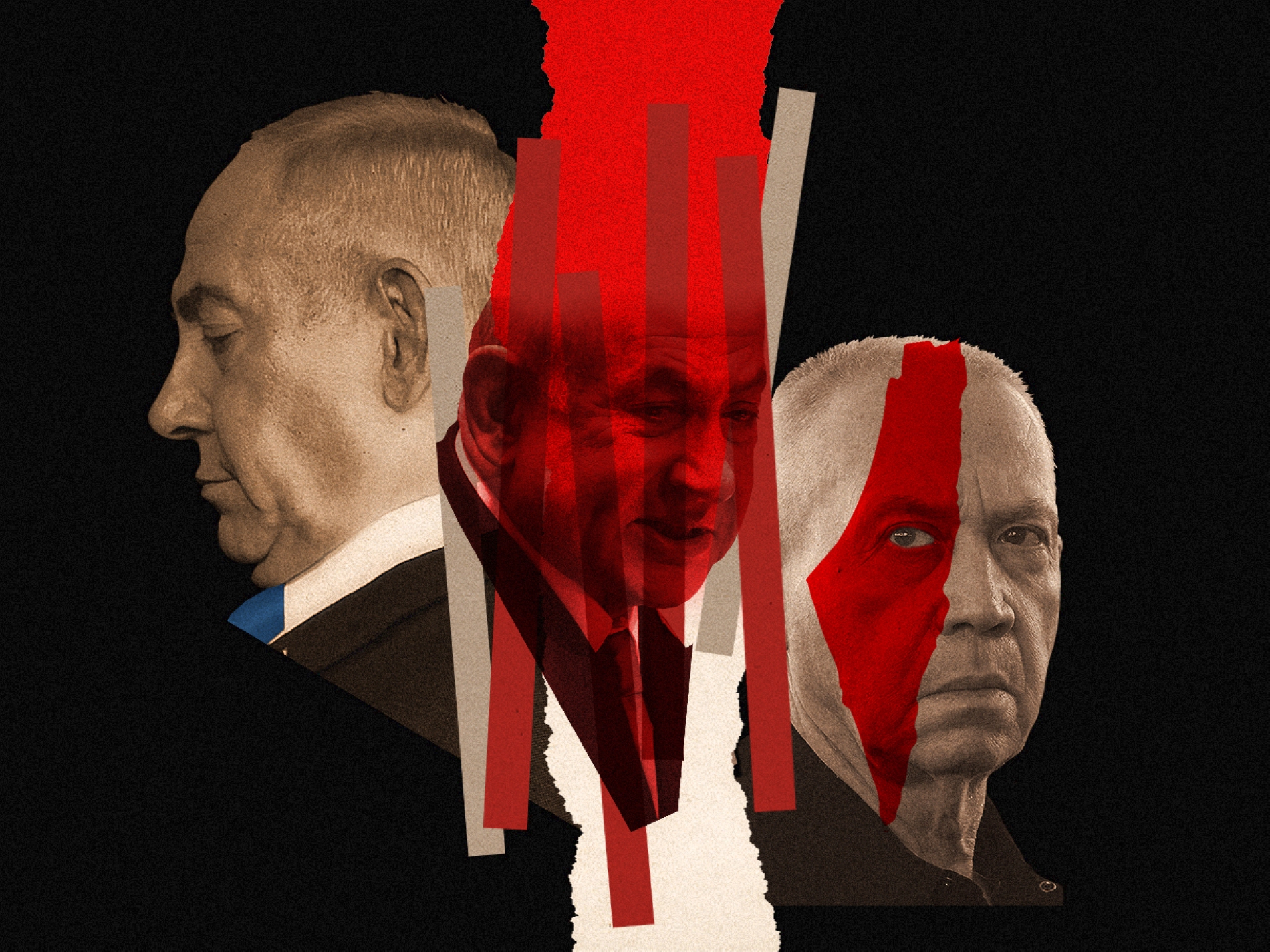
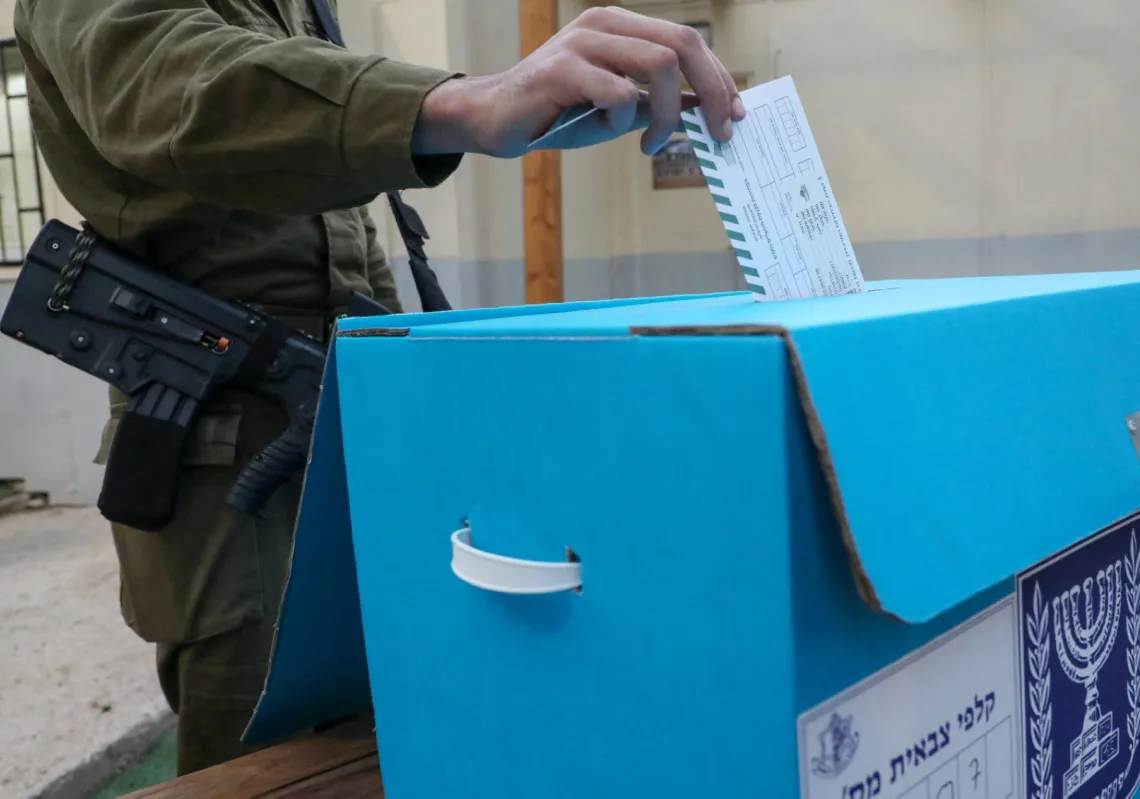
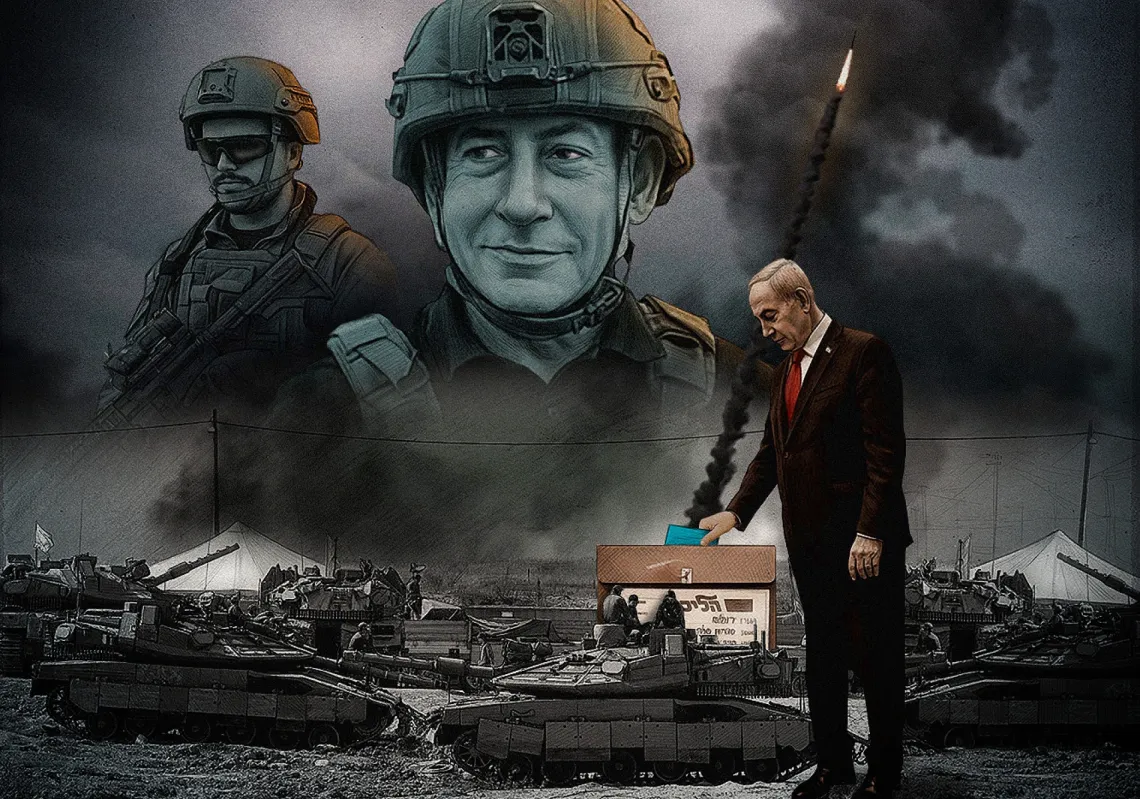
One came last year, when the last living Israeli hostages were freed from Gaza, allowing the country to breathe a sigh of relief. Another is approaching: the 27 October election. Israeli politics are complicated, but at the heart of this election are two simple questions: who is responsible for the security failures that occurred on October 7 and who can ensure such an attack can never happen again?
The 1973 war and its aftermath may offer some useful insights into how to best answer this question. On 6 October, a surprise attack by Egypt and Syria delivered a military blow that Israel hadn't experienced since its founding in 1948. Recovery took weeks, but the political reckoning took years. A year later, the Agranat Commission, established to investigate Israel’s failures, blamed senior military commanders while sparing government ministers.
However, that was not enough to appease a bitter Israeli public. Days later, Golda Meir (Israel's then-premier) resigned. While her Labour Party endured and won the election held in December 1973, it later lost to Menachem Begin’s Likud party in May 1977, ending nearly three decades of Labour rule. Israelis called it the mahapach: the upheaval.
Then came an unexpected opening for peace: In November 1977, Egyptian President Anwar Sadat visited Jerusalem. The Camp David Accords followed in 1978, and an Israeli-Egyptian peace treaty in 1979. The sequence offers a possible path: a surprise attack can trigger a military recovery, a political reckoning, and sometimes a strategic opening.
But is such a sequence possible in today's regional landscape? Three years after October 7, a political reckoning inside Israel remains uncertain, and a regional shift even more so. This is not to say that Israel, as a geopolitical actor, has remained paralysed, or that its environment has not changed. Three years after the worst terror attack Israel has ever suffered, the Israeli army is now actively operating outside of Israel’s borders in three additional areas (Gaza, Lebanon and Syria). Yet many feel none of the wars that followed October 7 have been won. A three-year survey by INSS found that only 38% of Israelis believe Israel won the war against Hezbollah in Lebanon, 27% think it won against Hamas in Gaza, and 23% think it won against Iran. The wars, in other words, are still unfinished even in the minds of Israelis.
New lines, old problems
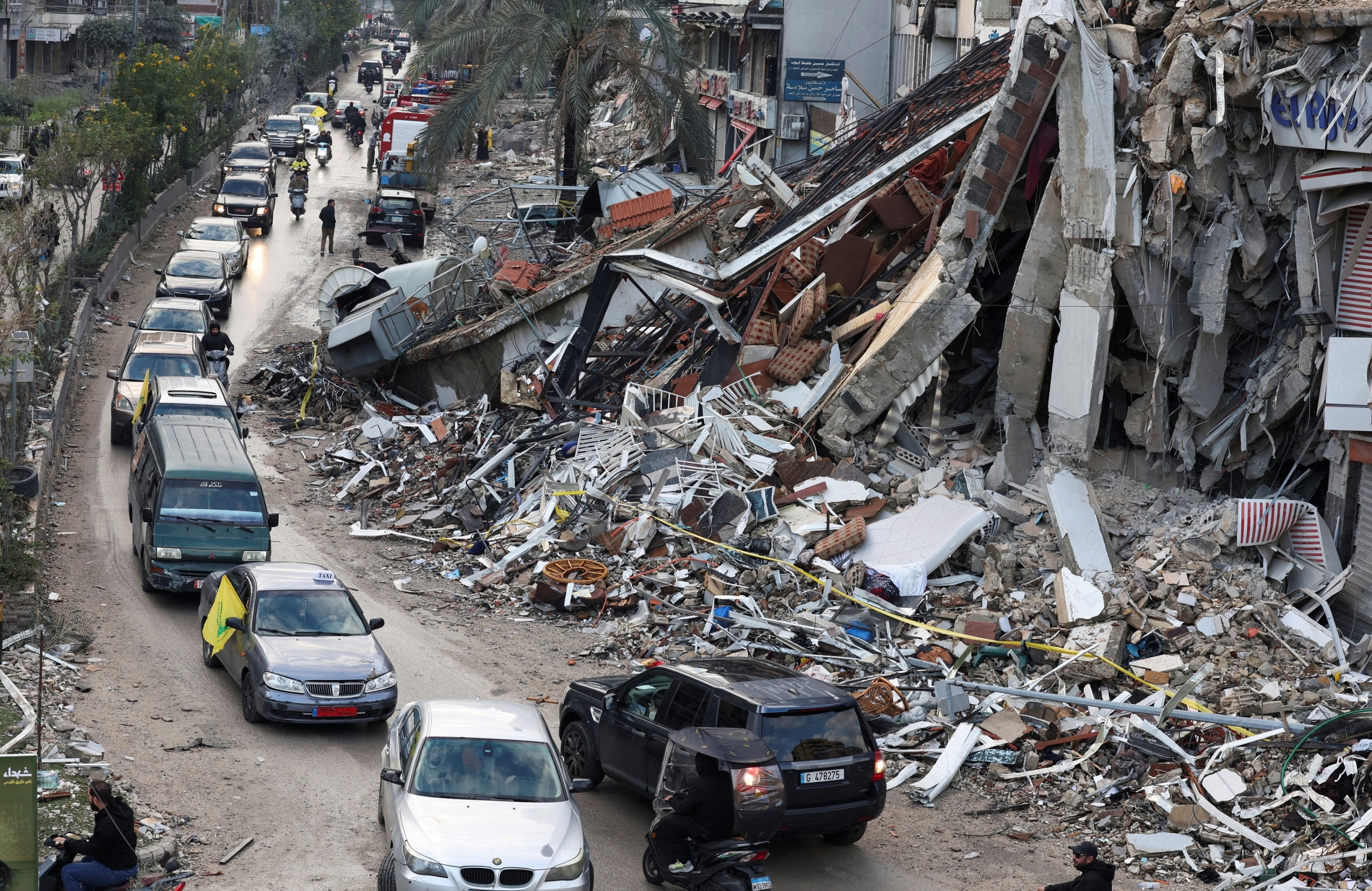
On a map, Israel looks like the victor. The hostage ordeal finally ended in January 2026, when the last remains were returned, and large-scale fighting in Gaza has subsided, although Israeli strikes continue. In the region, Israel has weakened Iran and its main ally Hezbollah in Lebanon.
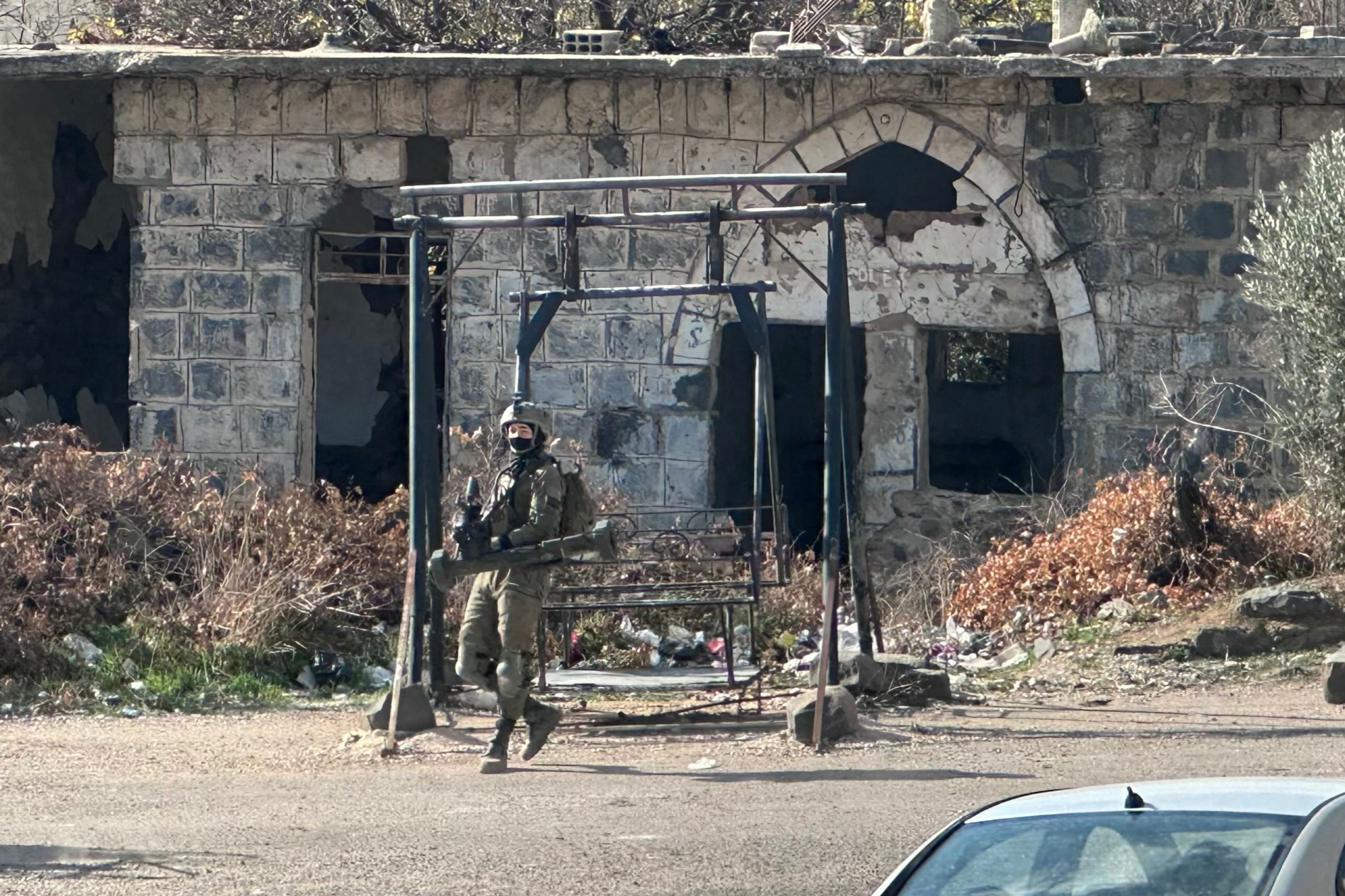
And yet neither war is over. At the start of the ceasefire, the Israeli military held about 53% of Gaza behind the so-called Yellow Line, the boundary separating its positions from the rest of the territory. By July, it said it controlled about 60%; some estimates put the figure close to 70%. Visiting an outpost on 2 September, Netanyahu made his position plain: “We control the territory. We are not withdrawing.” Netanyahu’s vision resembles the situation in the West Bank, where Israel retains overarching security control as an alternative to a political solution.
The path to a political resolution is narrow. At the end of July, Hamas accepted a 15-point roadmap proposed by the Board of Peace that called for it to disarm. Israel never signed it, saying it will only withdraw once the group actually hands over its weapons. No weapons have been handed over, the proposed International Stabilisation Force has yet to deploy, and the $2.45bn recovery plan unveiled at the UN on 23 September has yet to materialise.
The problem is one of sequence: Hamas wants Israel to withdraw before disarming, while Israel wants Hamas to disarm before withdrawing. This is “dead cat” diplomacy at its best: Both sides know the other has no intention of truly compromising. Each side seeks to bring the dead cat of stillborn diplomacy to the other’s door—blaming the other side for the failure of the talks.