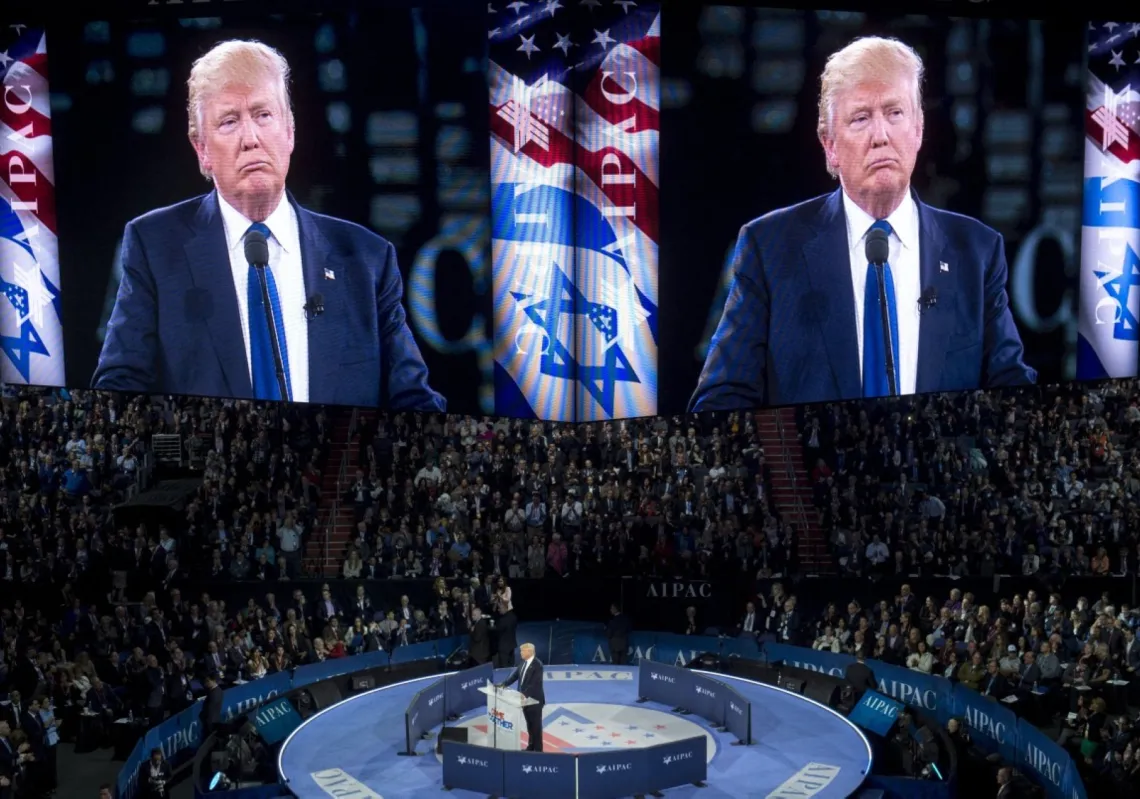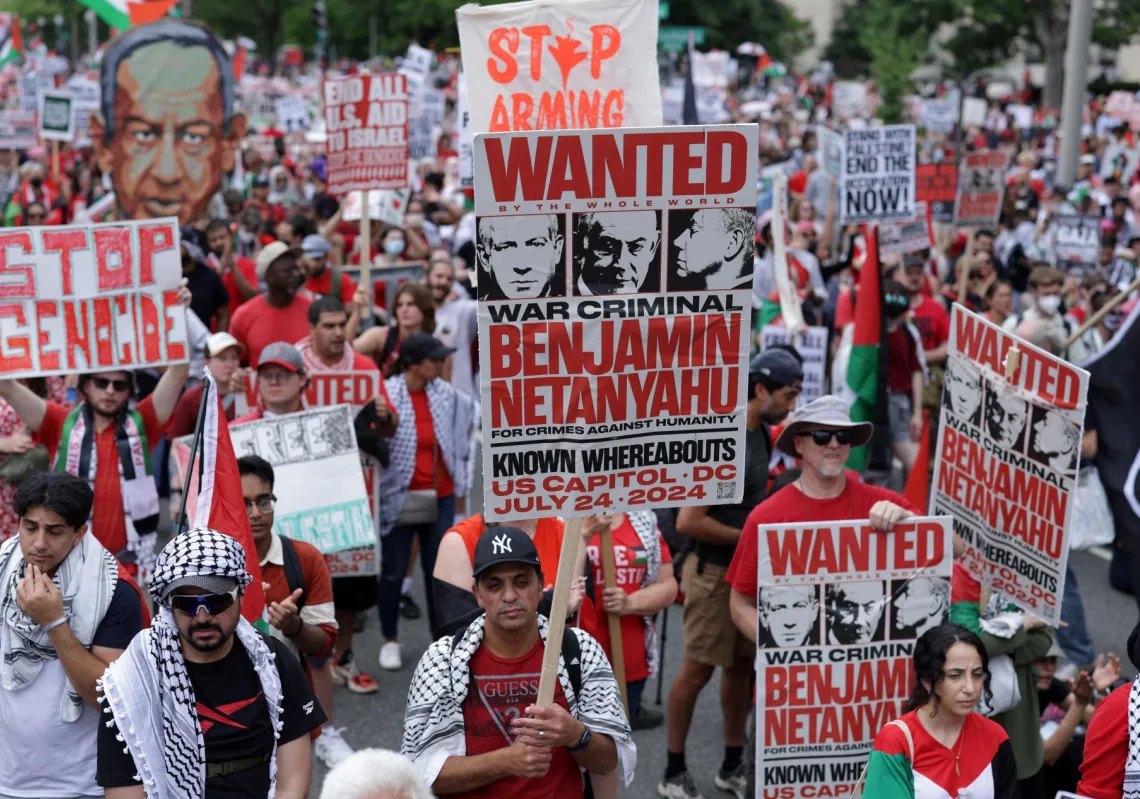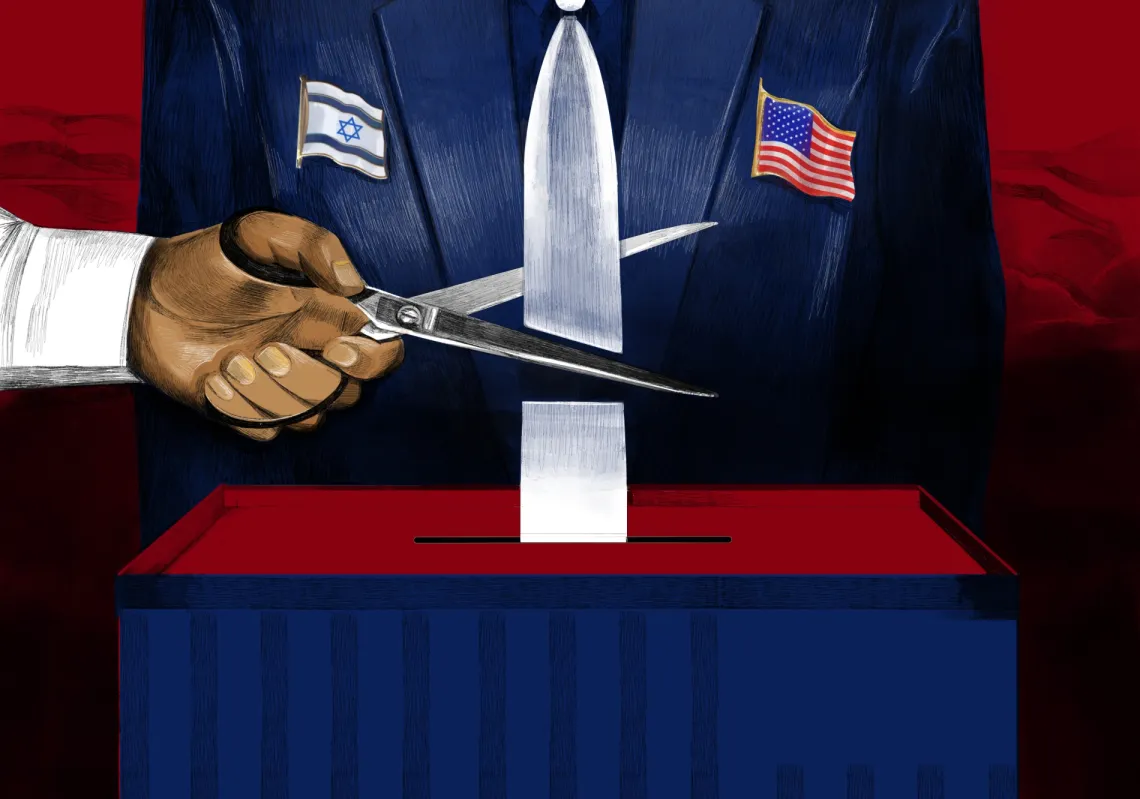

For decades, American support for Israel was one of the most durable constants in US foreign policy, to such an extent that successive administrations, whether Democratic or Republican, hardly needed to debate it. That truism no longer holds. A Gallup poll conducted between 2-16 February confirmed what observers have long suspected: that American public opinion on Israel-Palestine has flipped.
For the first time in Gallup’s polling history, Americans now sympathise more with Palestinians than Israelis, 41% saying their sympathies lie with the former, while only 36% say they feel for the latter. Three years ago, 54% were more favourable towards Israel, while only 31% chose Palestine. That is no gentle drift. Gallup’s senior analyst Benedict Vigers said the findings were “striking”. The implications are as consequential as they are poorly understood in Washington.
The headline numbers, dramatic as they are, do not fully capture the structural depth of the change. Among Americans aged 18-34, a majority (53%) now sympathise more with the Palestinians, while only 23% side with Israel, a record low for that age group. This is a generational realignment. These young Americans have grown up watching images from Gaza. This has informed their political and ethical identities.
Change on all sides
The partisan dimension adds another layer of complexity. Democrats have been decisively realigned since at least 2023: 65% now sympathise more with the Palestinians, while only 17% lean toward Israel. What should alarm Tel Aviv is that sympathy for Israel among Republicans has declined by 10 points since last year, falling to its lowest level since 2004.
For the first time in 25 years of Gallup polling, more Americans say they sympathize with Palestinians than with Israelis https://t.co/z2JylSzXn0
— Axios (@axios) February 27, 2026
The big voices of the right, including former Fox News host Tucker Carlson and former US Representative Marjorie Taylor Greene—who both have a big following among US President Donald Trump’s MAGA (Make America Great Again) movement—amplify the kind of Israel-scepticism that would previously have been politically unthinkable in conservative circles.
Throwing fuel on the fire in his resignation letter last week, Director of the United States’ National Counterterrorism Centre Joe Kent, a Trump supporter and former Fox News commentator, said the president had been hoodwinked into joining a war “manufactured” by the Israelis. “High-ranking Israeli officials and influential members of the American media deployed a misinformation campaign that wholly undermined your America First platform and sowed pro-war sentiments to encourage a war with Iran,” Kent told Trump on 17 March.
“This echo chamber was used to deceive you into believing that Iran posed an imminent threat to the United States and that, should you strike now, there was a clear path to a swift victory. This was a lie and is the same tactic the Israelis used to draw us into the disastrous Iraq war that cost our nation the lives of thousands of our best men and women. We cannot make this mistake again.”
After much reflection, I have decided to resign from my position as Director of the National Counterterrorism Center, effective today.
I cannot in good conscience support the ongoing war in Iran. Iran posed no imminent threat to our nation, and it is clear that we started this... pic.twitter.com/prtu86DpEr
— Joe Kent (@joekent16jan19) March 17, 2026
Political independents have also pivoted, with 41% now sympathising with Palestinians, compared to 30% for Israel. Independents often decide American elections, so this is of consequence. The issue now is not whether Americans are tiring of Israel, but whether US policy will follow suit. That question is only becoming more urgent.
Read more: Americans are tiring of Israel. Will US policy follow?
Reviewing assumptions
The US-Israel relationship was built on a foundation that combined strategic utility, ideological solidarity, and a domestic political environment with a strong lobby base. All three pillars are now under stress. Importantly, the strategic utility argument is being quietly re-evaluated in Washington.
In an era defined by competition with China, unlimited US exposure to Middle Eastern conflicts is a liability, not an asset. Israel has demonstrated formidable military capability, but also a voracious appetite for American weapons and diplomatic protection. Israel’s war in Gaza has cost the US diplomatic credibility, strained its relations with Arab partners, and derailed Trump’s coveted Saudi-Israel normalisation project.
Washington wants a regional security architecture that encompasses Arab states, Türkiye, Iran, and Israel, but this is incompatible with Israel's vision of regional hegemony, as pursued by Israel's Prime Minister Benjamin Netanyahu.
Furthermore, the ideological solidarity between Washington and Tel Aviv is eroding. That solidarity was always partly transactional, sustained by a domestic political environment in which support for Israel was portrayed as all-but-mandatory. That is changing. US financial and military aid to Israel is a big debate in Democratic circles. The old taboo is dissolving, incrementally but unmistakably.
Changes down the line
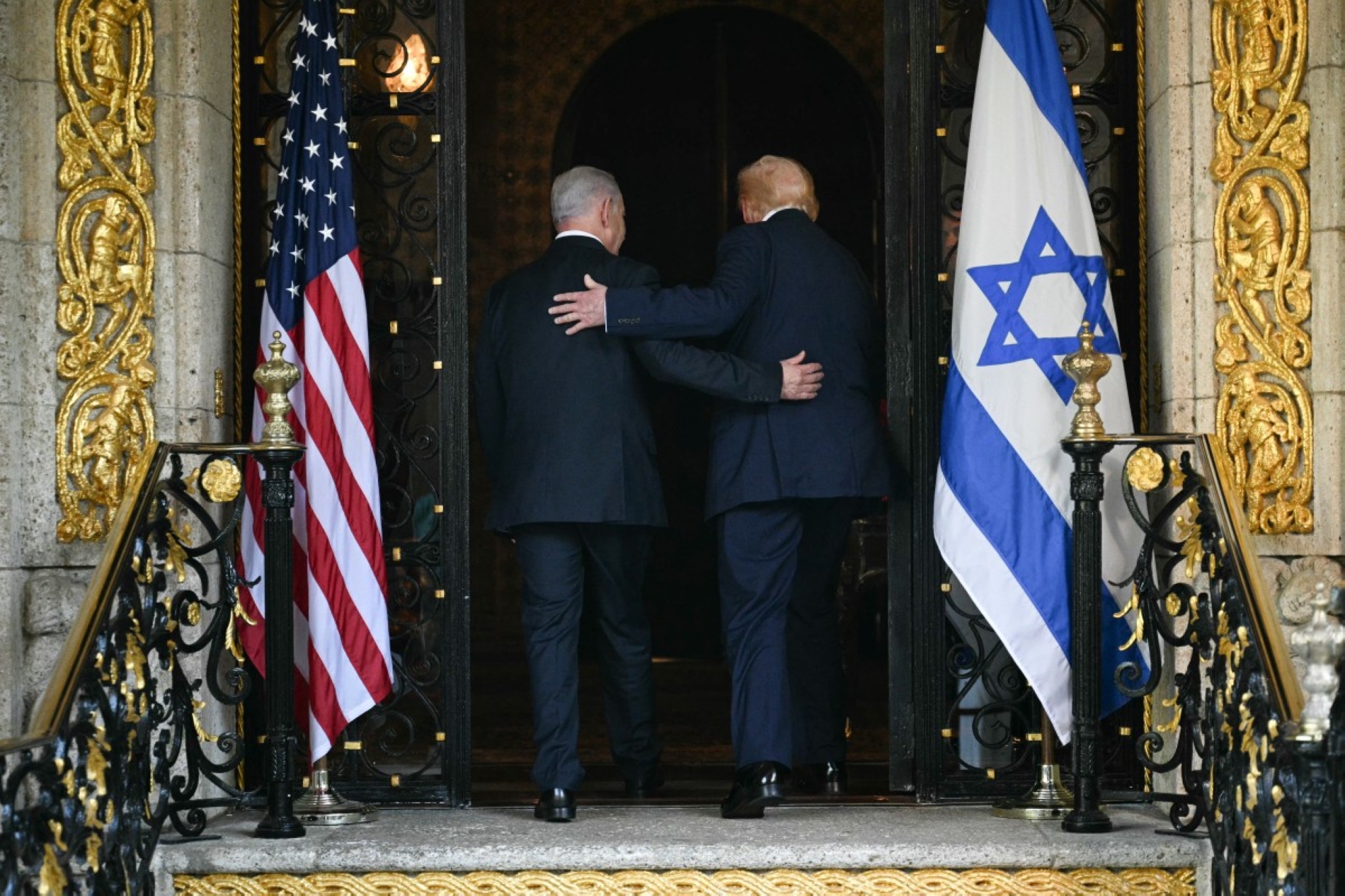
Foreign policy rarely tracks public opinion in lockstep, and the Trump administration has demonstrated a strong personal affinity for Netanyahu. Support for Israel in Congress and the national security bureaucracy remains formidable, so in the short term, US policy is unlikely to shift fundamentally. Yet the opinions of future politicians are being formed among the young adults of today and 57% of Americans who now support the establishment of an independent Palestinian state, levels not seen since 2003.
This majority is growing, deepening, and getting younger. History suggests that when American public opinion structurally realigns in this way, policy eventually follows—albeit sometimes with a time lag. This occurred with both Vietnam and South Africa. The question is how long it will take—and what the cost of that time lag will be for the region, the United States, and Israel itself.