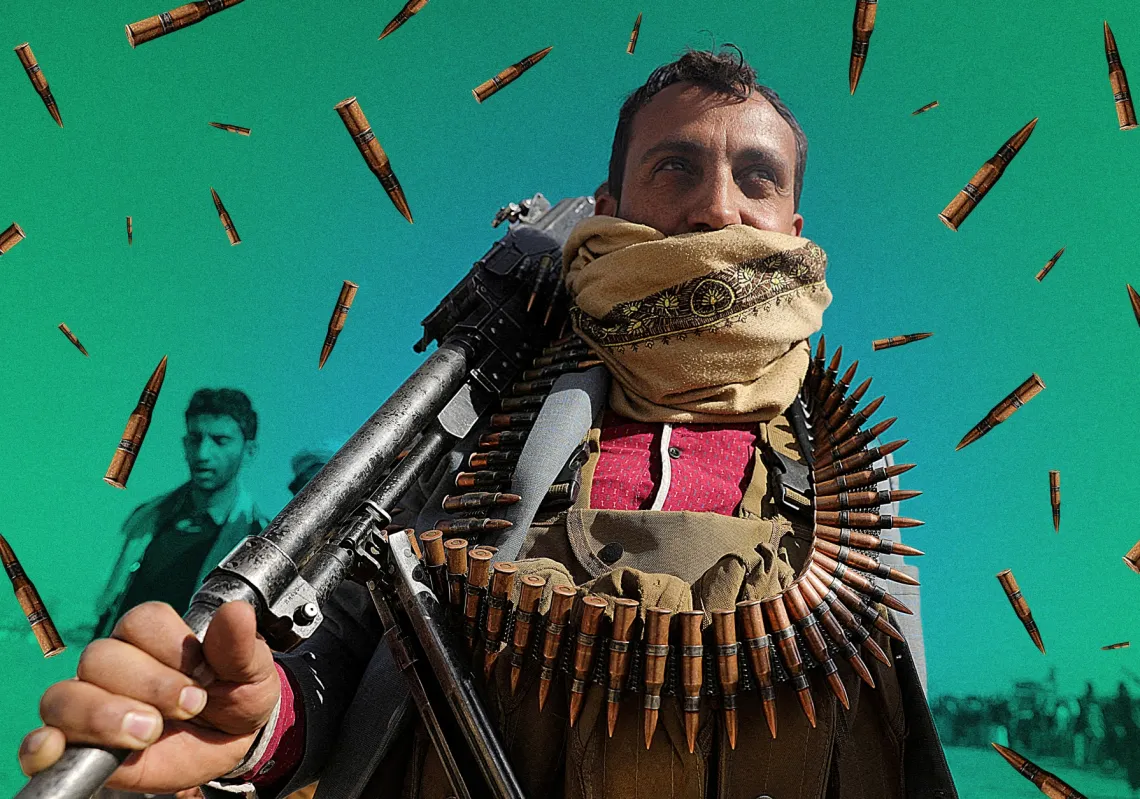

From 9-11 September, Iran-backed Houthi rebels in Yemen seized the towns of Hays, al-Khokha, al-Mokha and Dhubab, advanced onto Zuqar and Hunaish Islands, and reached Mayyun/Perim Island in the middle of the Bab al-Mandab Strait. Within days, they occupied most of Yemen’s south-western coastline along one of the world’s most critical maritime chokepoints.
The surge was the culmination of a military offensive that began on 9 August, with ground operations commencing on 3 September. By 10 September, the Houthis captured Mokha due to a culmination of overlapping factors, which included intelligence penetration, poor coordination across government-aligned formations, mediocre leadership, a lack of authenticated withdrawal orders, and insufficient air support. This contributed to the collapse of the control station at Jabal al-Nar, 18km from the frontline, manned by forces led by Tareq Saleh (deputy chairman of the Presidential Leadership Council and nephew of the late President Ali Abdullah Saleh).
This effective surrender spread panic across other government-held territories, allowing the Houthis to advance at lightning speed, capturing 120km in only two days. Their latest gains shattered the belief that Yemen's armed forces were slowly becoming a more effective military force.
Read more: Can Yemen's new drone arsenal seriously confront the Houthis?
Because of the close relationship the Houthis have with Tehran, their recent gains in Yemen mean Iran’s Islamic Republican Guard Corps (IRGC) now effectively controls the Bab al-Mandab Strait—a strategic goal it has held for decades. This doubles its coercive capability, as Iran already has effective control over the Strait of Hormuz, where it is holding global energy and Gulf exports hostage.
For those who insist Houthi actions are independent of Iran, one does not need to look far to discredit this claim. Just after the Houthi Red Sea Coast gains, Mohammad Mokhber, an advisor to Iran’s Supreme Leader, declared it a “victory,” adding that security cannot be bought through external guarantees. For his part, IRGC spokesman Hossein Mohebbi called it a “divine triumph.”
IRGC and Hezbollah experts have long supported the Houthis, and have played a critical role in the latest round of fighting along the Red Sea, Marib, and al-Jawf frontlines. Since June, the IRGC has deployed weapons, electronic warfare equipment, and experts, not least through the US-sanctioned Mahan flights to Yemen on 3 and 13 July, despite opposition from the internationally-recognised Yemeni government.
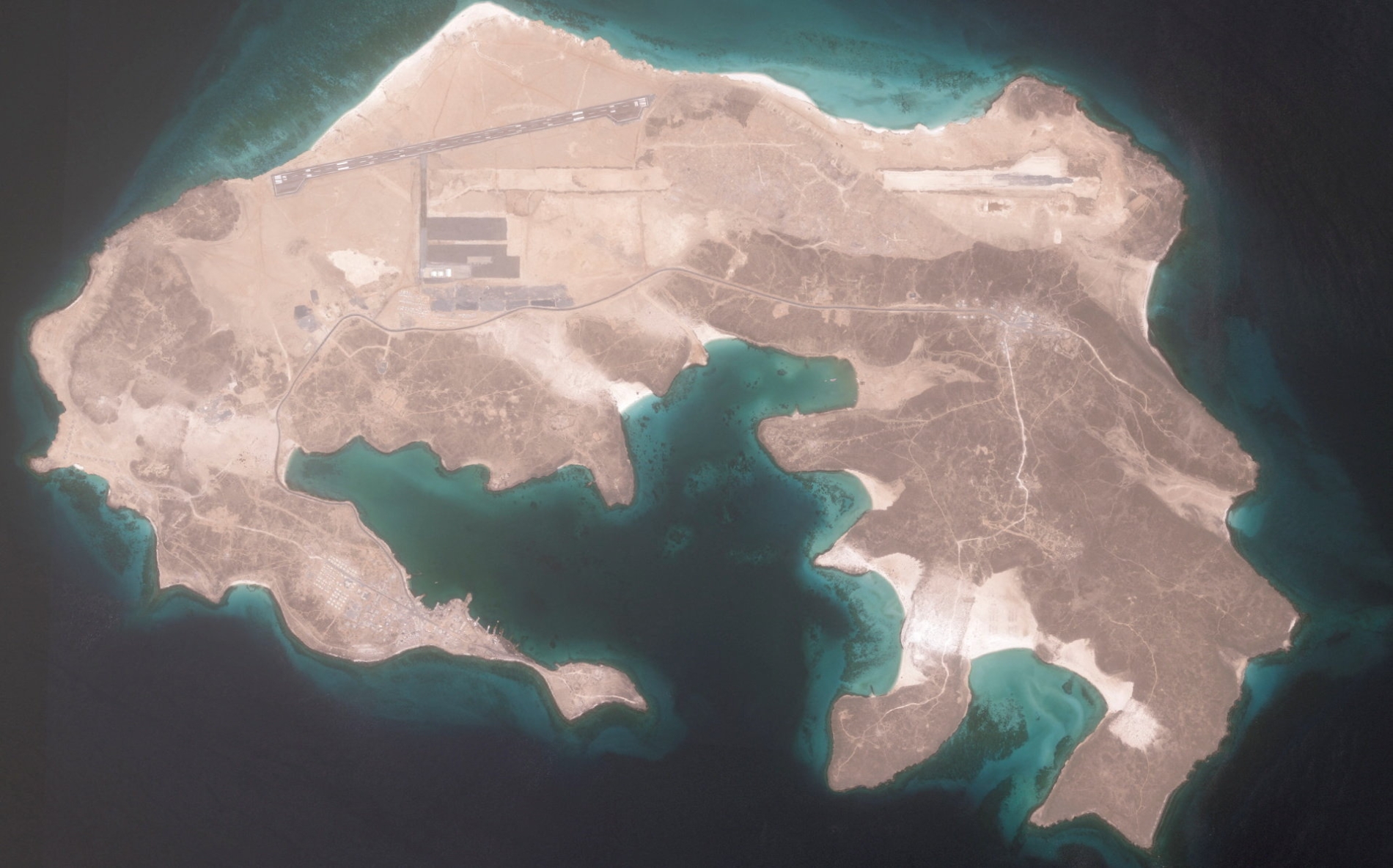
The recent Houthi Red Sea gains, from Hays, al-Mokha, and al-Khokha to the Bab al-Mandab Strait, remain to be consolidated as pro-government forces continue to challenge the group. However, if the group is able to hold this strategic territory, its newfound proximity to ships reduces the distance to strike targets in Bab al-Mandab Strait and the Red Sea, and shortens the warning time for ships to escape attack. It also lets them deploy direct-fire arms, including rocket-propelled grenades, heavy machine guns, anti-tank guided missiles, booby-trapped boats, naval mines, short-range drones, and even anti-ship ballistic missiles if required.
Houthi strategy
Despite the quick loss of 5,400 sq. km. in 48 hours, government-aligned forces have spent the past week halting Houthi advances eastward around al-Aradi and the strategic mountain of Kahbub, which overlooks the Gulf of Aden. Seizing this would strengthen the Houthis' ability to track and target ships. Inland highlands matter because they can shield the coastline from above, reduce exposure to artillery and air observation, and complicate any efforts to sever Dhubab and al-Mokha from inland reinforcements. To this end, Houthi forces are fighting in the coastal area of the Taiz governorate and near the strategic mountain approaches of Lajh, in a bid to outflank government forces, cut supply lines, and isolate cities gradually.