
While the events unfolding in Yemen appear to be swinging in the Houthis’ favour, the fight has just begun, and the Iran-backed group is already struggling to hold territories it took over in the past week. Ferocious fighting continues around the sprawling governorates of Marib and al-Jawf, both rich in natural and mineral resources, and, to a lesser extent, in al-Bayda. Government forces have reclaimed the initiative in response and deterrence and have even shown greater offensive momentum.
For their part, the Houthis have been worn down by airstrikes and are struggling to hold their newly acquired positions. Furthermore, government forces have cut Houthi military and logistical supply lines from several directions, while their drones are tracking and striking vehicles and, at times, fighters themselves, who have become increasingly exposed after moving away from the hills and high ground that once provided natural fortifications and some protection from attack.
According to military experts and sources, Houthi forces have “made no progress, in the strategically important Kahbub area of Lahj governorate, while government forces deployed there have become better organised and more prepared both to defend their positions and to launch operations against Houthi concentrations along the coast and in the mountainous districts of western Taiz.” Kahbub is a strategically important mountainous area administered as part of al-Mudaraba wa Ras al-Arah district in Lahj governorate, on the border with neighbouring Taiz. It is one of the most important highland positions overlooking the strategic shipping lane through the Bab al-Mandab Strait.
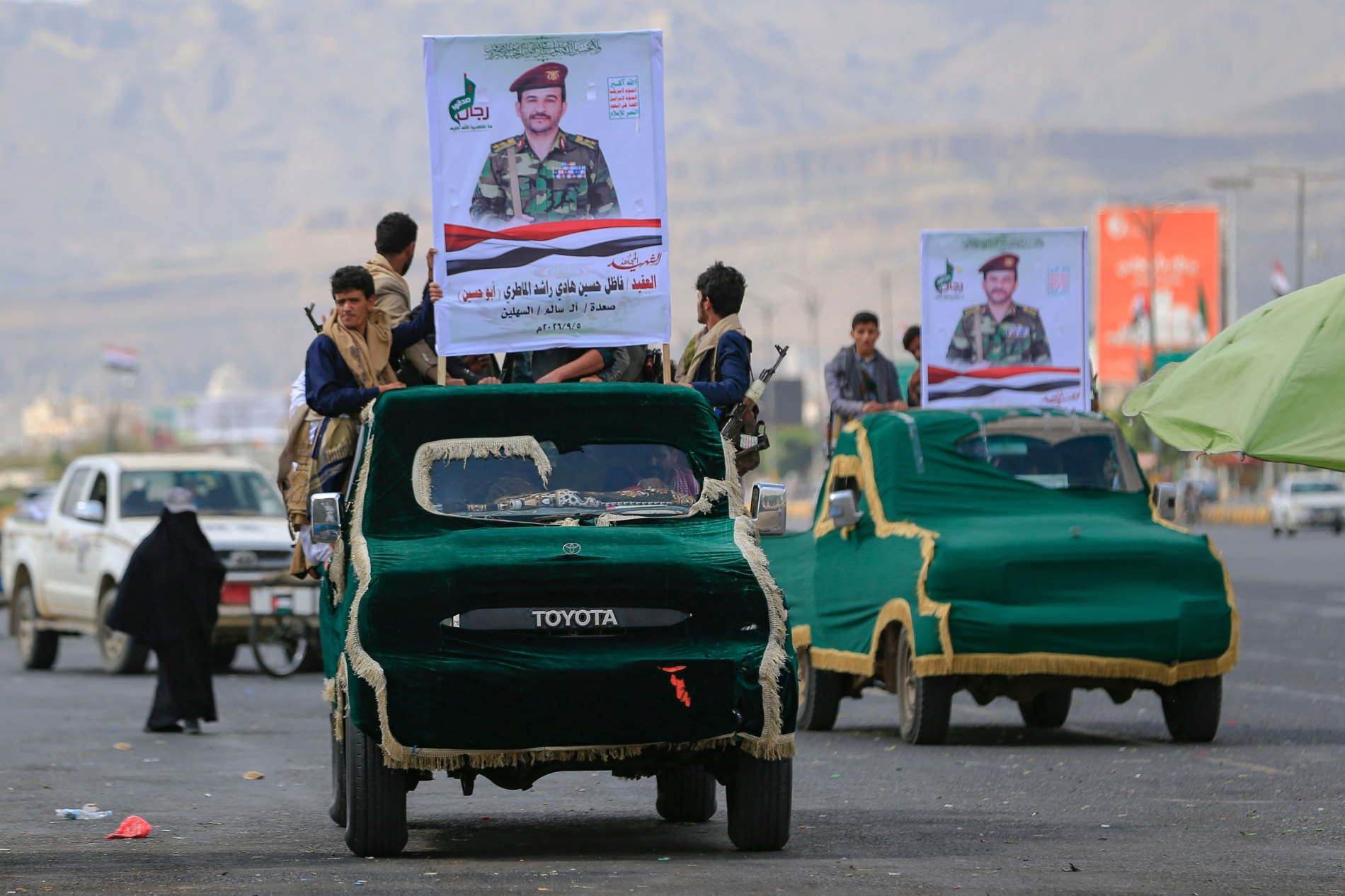
The Houthis are also facing great difficulty in recovering thousands of bodies (at least 3,000) from the battlefields of recent days, as well as evacuating thousands of wounded and injured fighters as government air strikes continue to pound their trenches and formations.
Pre-planned operation
Commenting on events along Yemen’s Red Sea coast, Major General Sadiq Duwaid, spokesman for the National Resistance Forces, said: “The Houthi operations on the western coast had been planned for months and were carried out on direct orders from Iran’s Revolutionary Guard, with the participation of Iranian and Lebanese experts, as part of Iran’s war.”
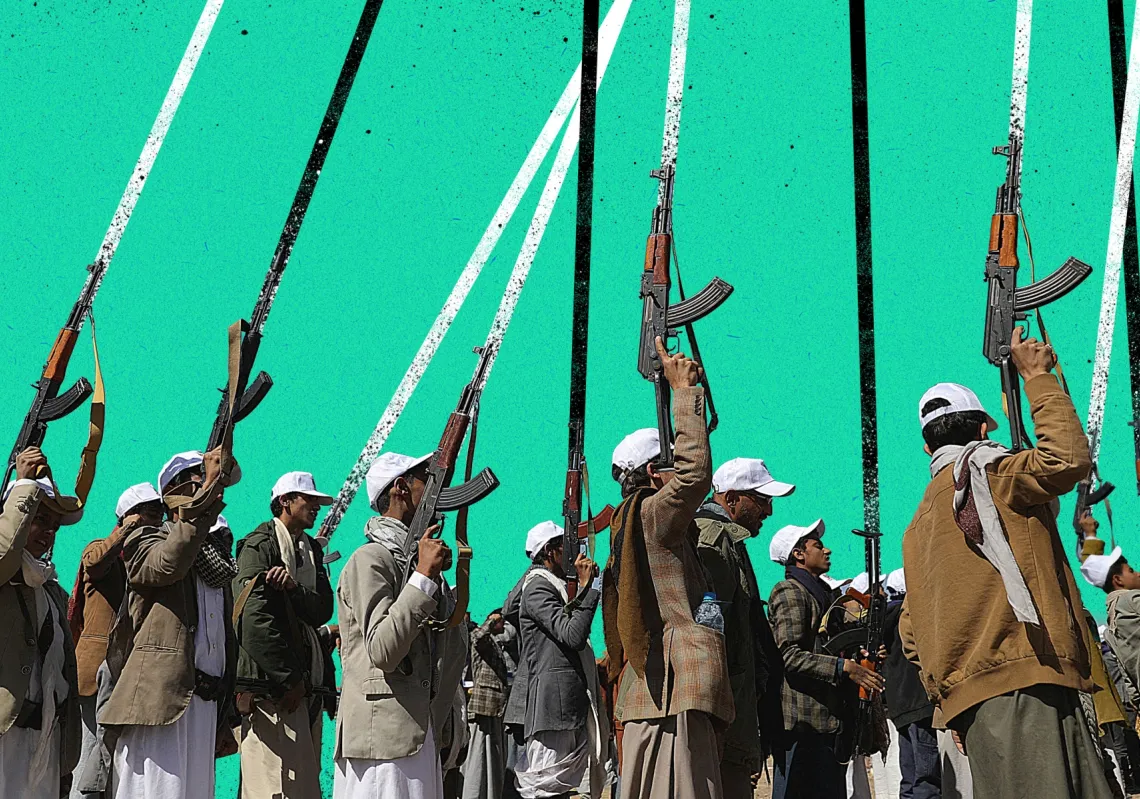
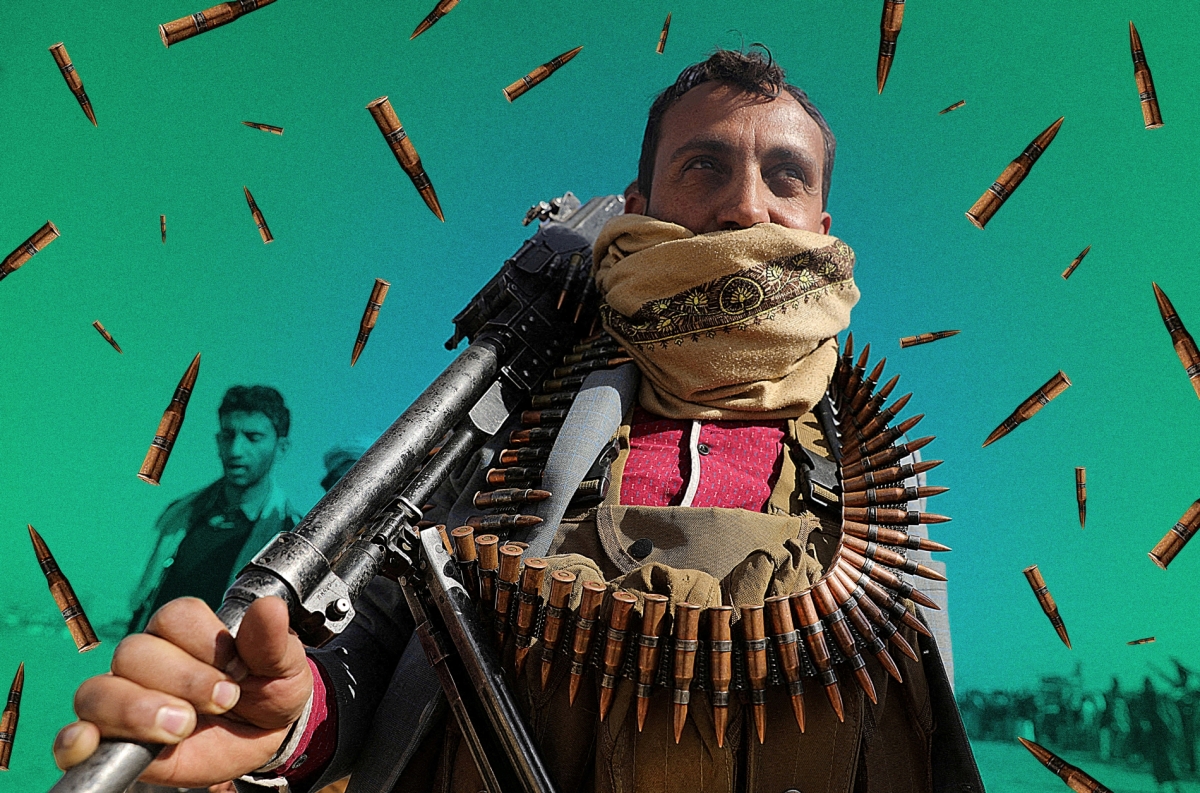
According to estimates by Yemeni military experts, more than 100,000 militia fighters took part in the offensive. The Houthis also fired more than 120 ballistic missiles, deployed an even greater number of drones and used a wide range of heavy and medium weapons.
Yemeni army forces reported detecting more than 3,000 radios used by Houthi militia commanders and their Iranian aides during the assault on the western coast. The operation launched from Taiz governorate, overlooking Bab al-Mandab, extended across Yemeni islands and towns along the southern Red Sea.