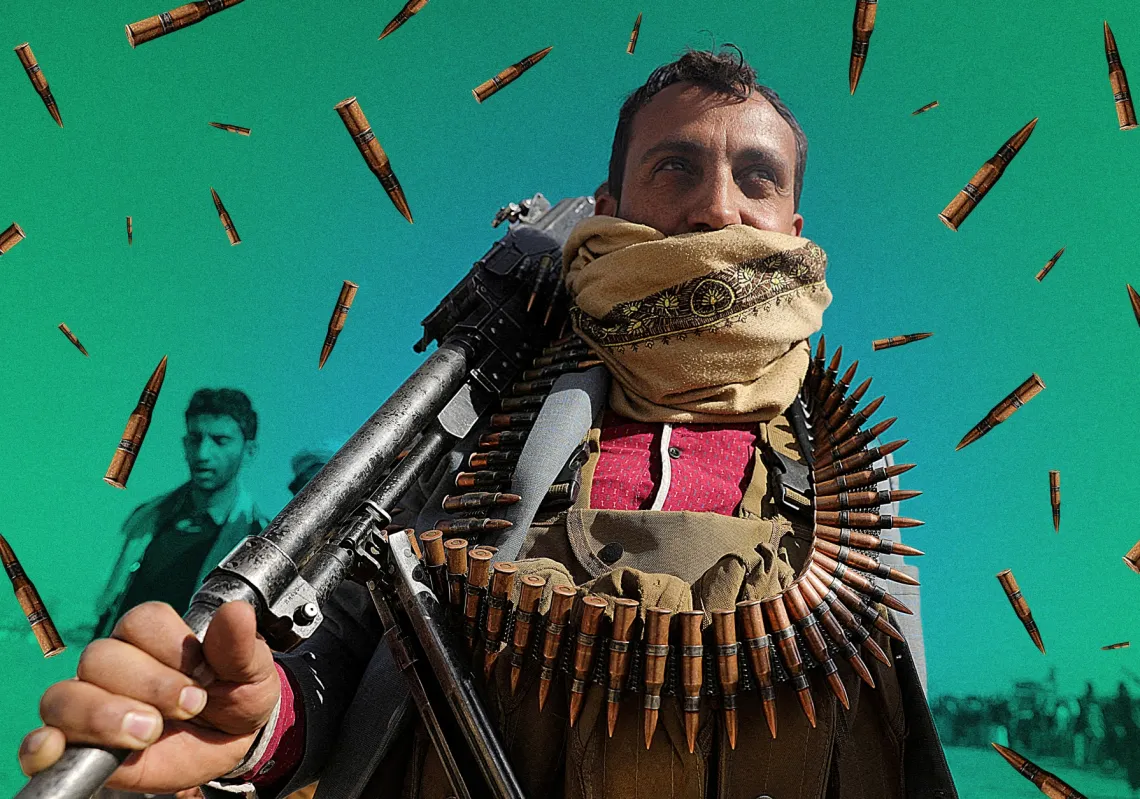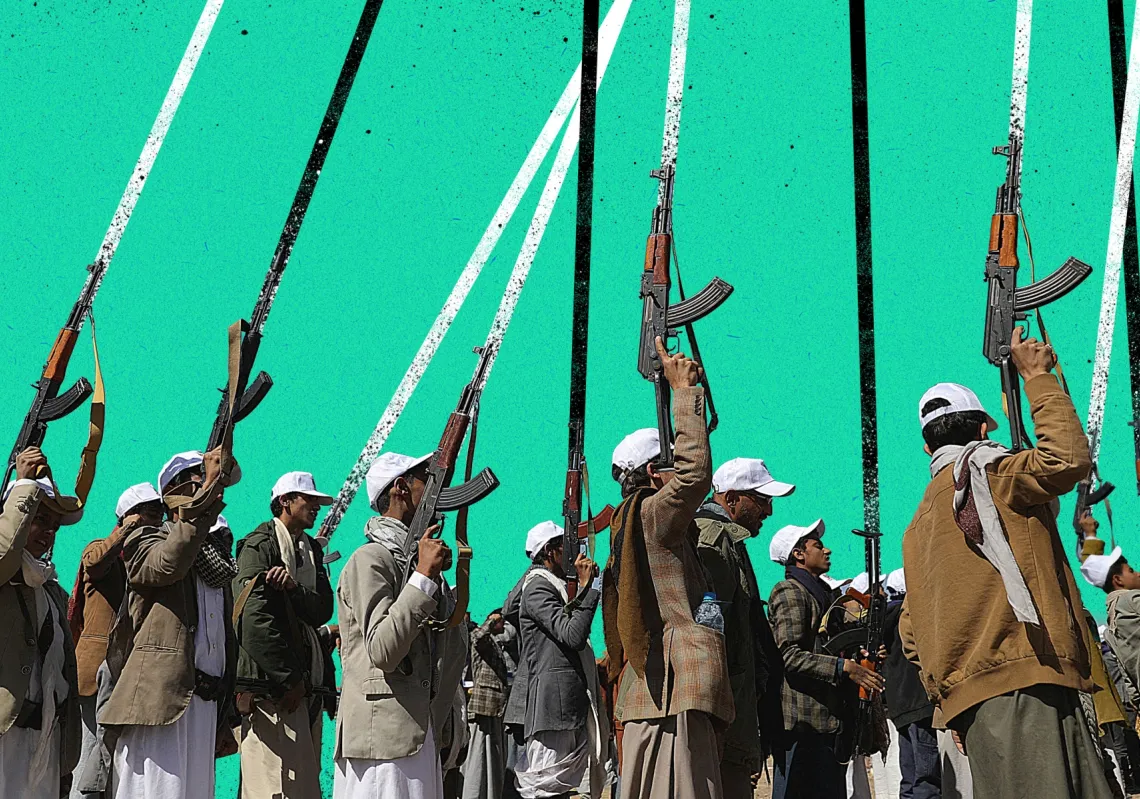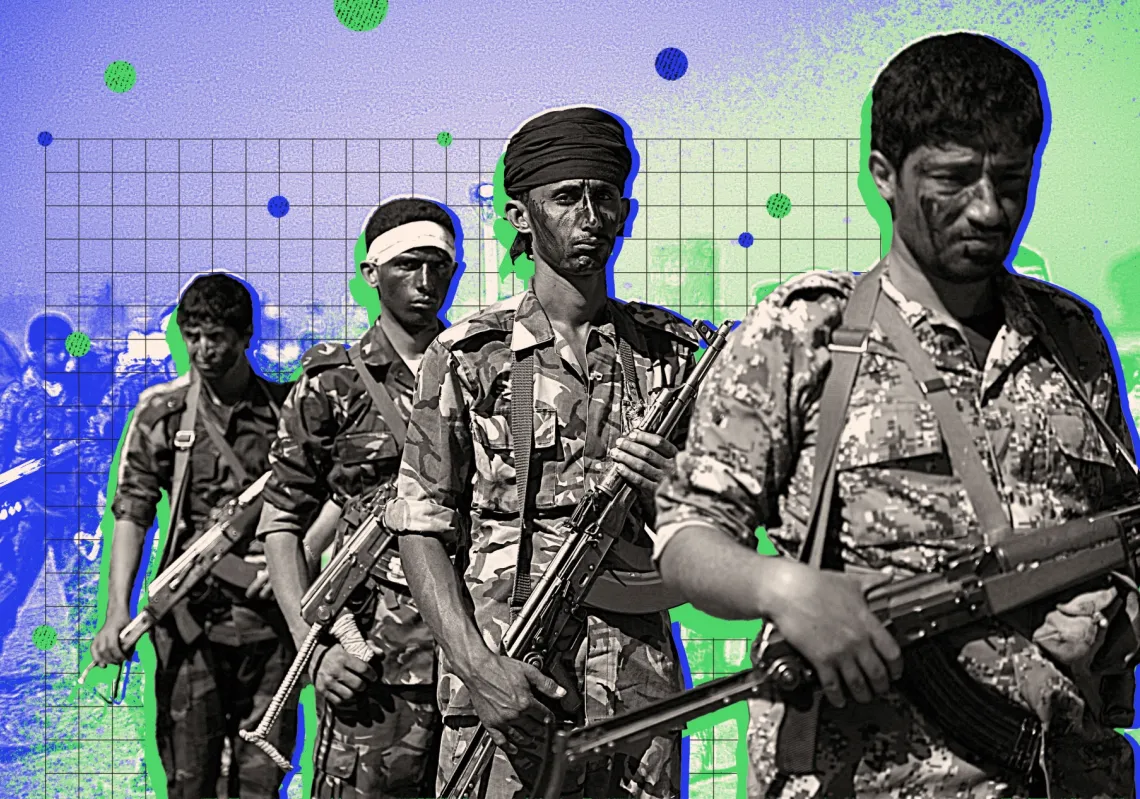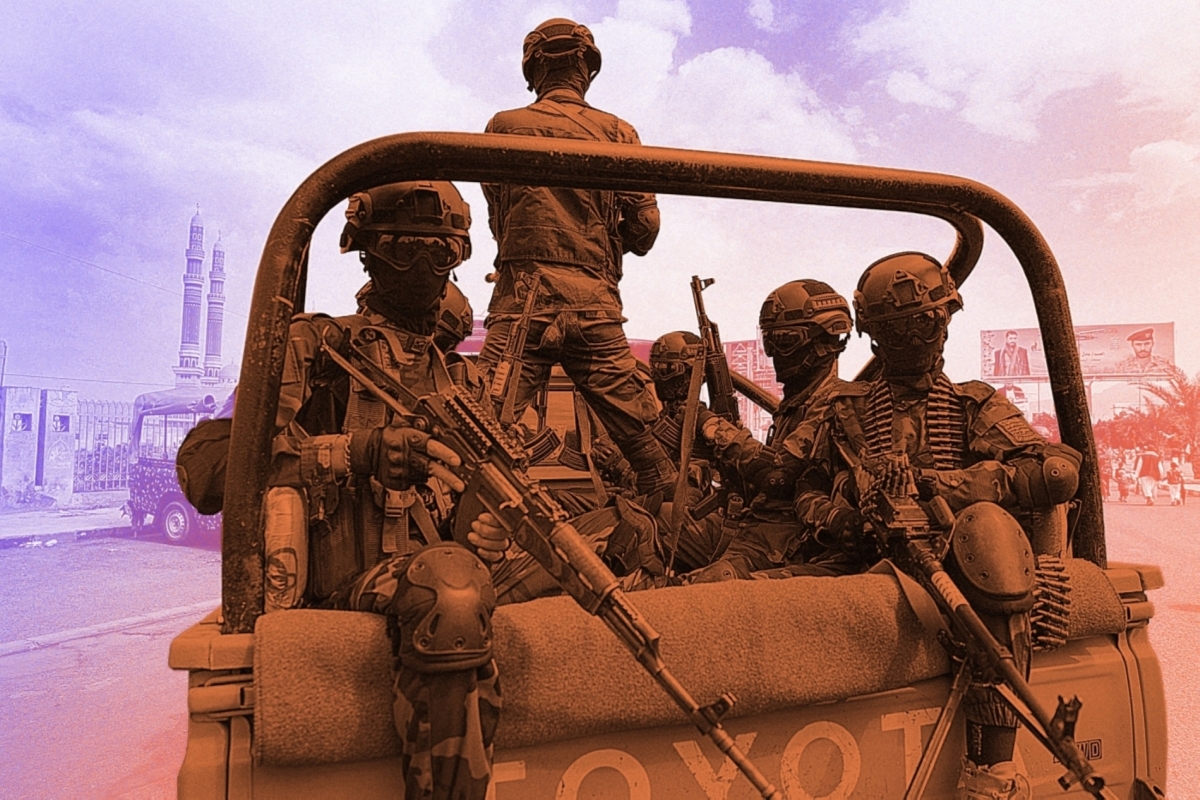

As the war in Yemen rages in several governorates bordering areas under Houthi control, including the capital, Sanaa, Iran's active role is becoming far more obvious. Many analysts believe Tehran is pushing the Houthis to escalate across much of the country and beyond the border with neighbouring Saudi Arabia, with the aim of drawing it and other Gulf states into a broader and far more costly regional war.
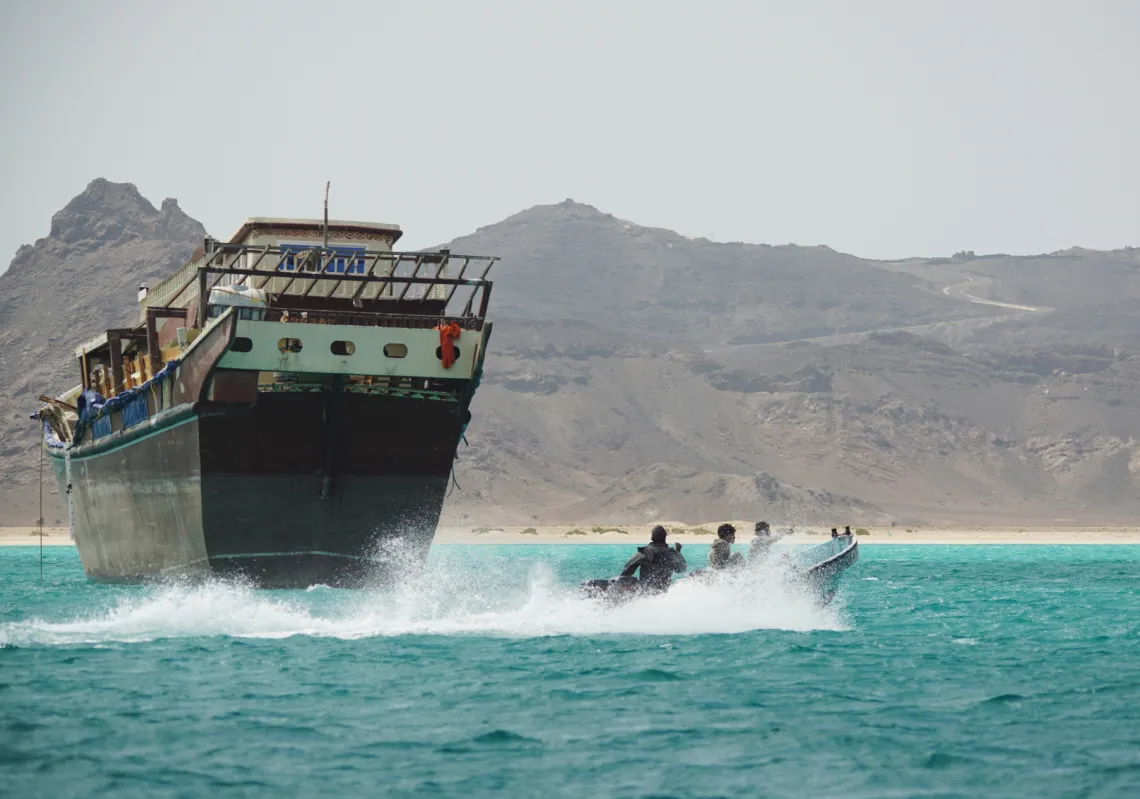
But apart from the precarious and incomplete arrival of some Houthi elements on several Yemeni islands in the southern Red Sea and the Bab al-Mandab Strait, the group has yet to achieve a decisive victory. With the help of “experts” from Iran’s Revolutionary Guard (the IRGC), the Houthis have managed only to dig a few trenches and tunnels and install radar equipment on high ground overlooking the southern Red Sea and the Bab al- Mandab Strait.
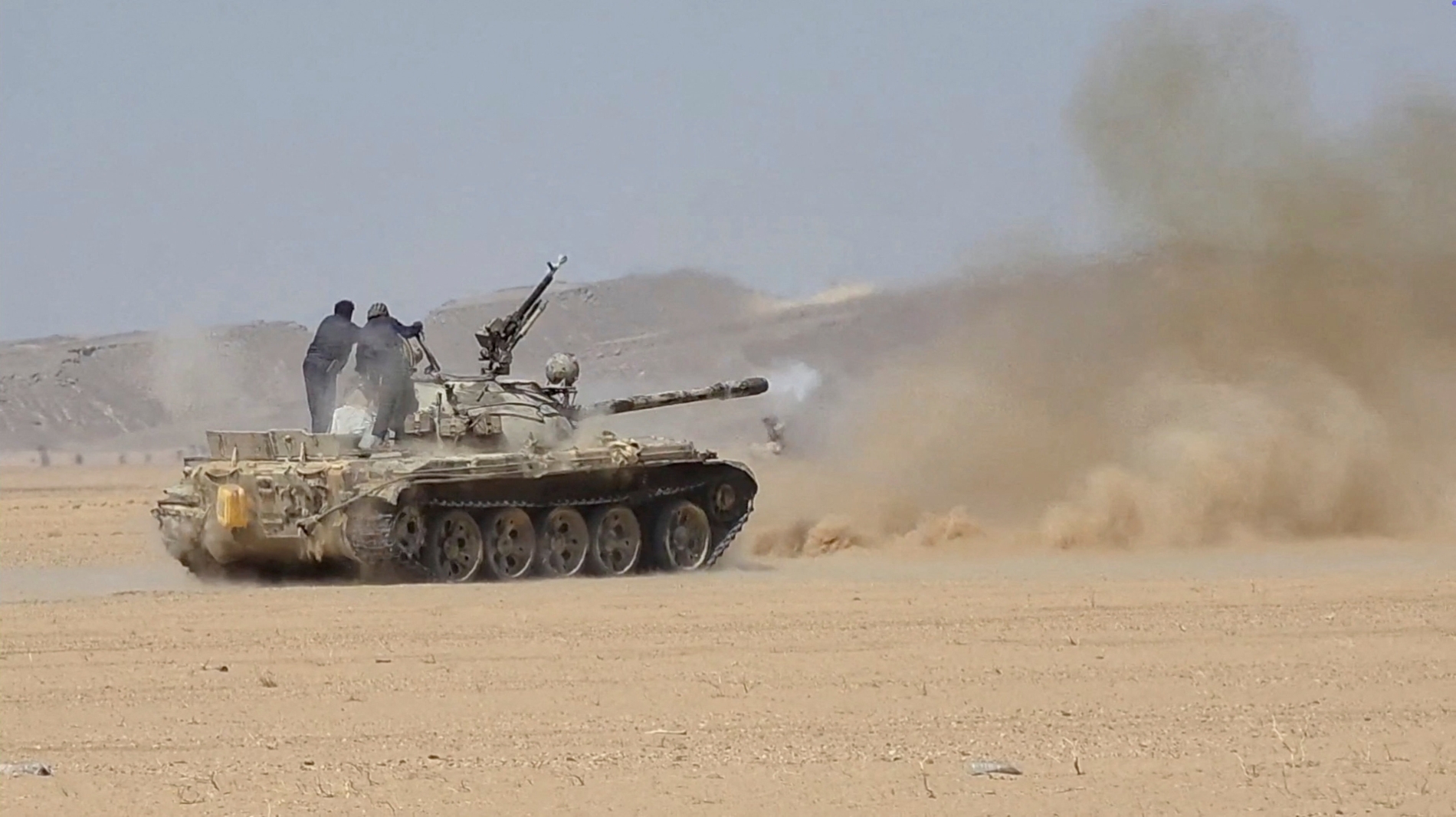
Sources close to the group acknowledge that it has suffered heavy losses on the battlefield, especially in its attempt to seize Marib. Over the past two days, reports have emerged that two entire Houthi militia brigades were drawn into a prolonged cycle of “encirclement and attrition” on the eastern Jabal al-Balaq front, on the outskirts of Marib, and in the Kahbub Mountains overlooking Bab al-Mandab, between Taiz and Lahj governorates.
Among those reportedly killed from the two brigades were prominent militia commanders who had played key roles in recruitment, mobilisation and the direction of several battles throughout the Houthis’ years of war. For their part, Yemeni government forces insist that they maintain absolute air superiority over the entire country and are continuously monitoring areas where the Houthis are now present.
Soon after their militias reached Bab al-Mandab, the Houthis quickly pledged that they would not target American or even Israeli vessels, according to Reuters, which cited corroborating sources. But this pledge has seemingly failed to inspire confidence in Washington, which has reportedly been preparing for a sudden, major escalation.
US media reported that President Donald Trump cut short his stay at Camp David and returned to Washington, where US military intelligence presented him with several options for launching air strikes against Houthi positions in areas the group had reached along Yemen’s western coast, extending as far as Bab al-Mandab, but then later decided against it.
Iranian presence
Meanwhile, reports have emerged that the IRGC is present on Yemen's battlefield and directing military operations in Taiz Governorate and along Yemen’s western coast, through its experts as well as the missile systems, drones, and technical and logistical capabilities at its disposal. Without that support, some analysts say, the Houthis could not have advanced as far as they have.