Why Al-Aqsa matters more than ever to Jordan

At a time when Amman's security ties with Washington are being questioned, asserting its custodianship role over Al Haram Al Sharif could win it favour at home

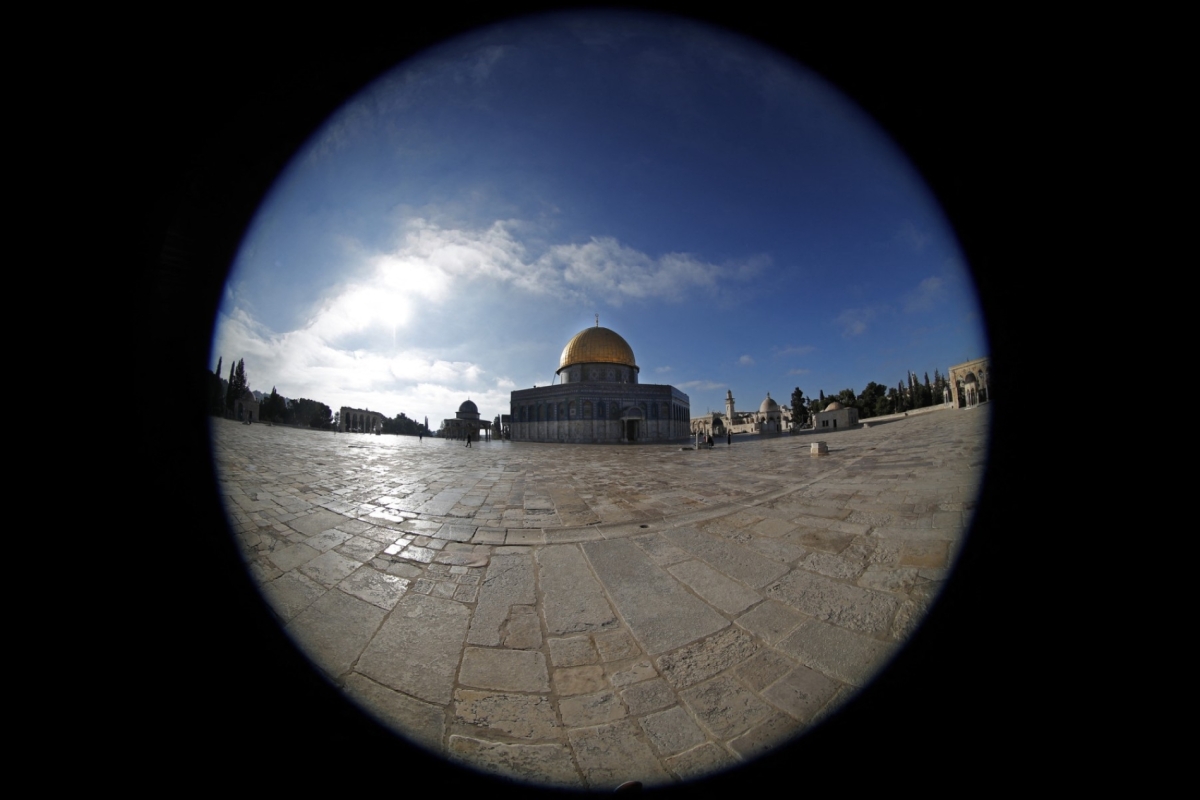
A view of the Dome of the Rock mosque at the Al-Aqsa mosque compound after renovation work carried out by the Waqf, a Jordanian-backed body that oversees Muslim religious sites in Jerusalem, on 10 January 2018.
THOMAS COEX / AFP
A view of the Dome of the Rock mosque at the Al-Aqsa mosque compound after renovation work carried out by the Waqf, a Jordanian-backed body that oversees Muslim religious sites in Jerusalem, on 10 January 2018.

Why Al-Aqsa matters more than ever to Jordan

When foreign ministers from 14 Arab and Muslim states gathered in Amman on 5 August to reaffirm Jordan's custodianship of Jerusalem's holy sites, the meeting carried significance beyond the city's status. It highlighted a growing dilemma inside Jordan. As its security relationship with the United States becomes increasingly costly at home, it has a stronger incentive to defend its historical oversight role, which is important to its domestic population as well as the region.

Jordan convened the meeting as chair of the Arab League committee responsible for supporting Jerusalem. Representatives from Türkiye, Pakistan, Indonesia and Malaysia joined their Arab counterparts in endorsing Jordan's custodianship and reaffirming the authority of the Jerusalem Awqaf. The gathering took place as pressure was mounting on Jordan from two directions—one linked to the country's alliance with Washington and the other to developments at Jerusalem's holy sites.

Relations with Washington have come under greater strain since the US launched another round of war on Iran in late February. Jordan hosts around 4,000 American troops and receives roughly $1.65bn annually in US economic and military assistance. The partnership has underpinned Jordan's security for decades and remains essential to its ability to deter threats that it cannot manage alone. At the same time, US military presence has exposed Jordan to retaliation from Iran and its regional allies.

The costs of that relationship became visible in July when a strike on Muwaffaq Salti Air Base killed three American service members and injured others. Additional missile and drone attacks followed later in the month, many of which were intercepted by Jordan’s air defences. For many Jordanians, such incidents reinforced concerns that the country is being drawn into regional confrontations that are not of its own making.

Concerns over the costs of hosting US forces have become increasingly visible within Jordan. Late in July, more than one hundred political, academic and tribal figures called for the security agreement with Washington to be reviewed or submitted to parliament. Iran's Revolutionary Guard publicly welcomed the position of Jordanian intellectuals, recognising an opportunity to increase the political cost of the US military presence without altering the military balance itself.
Jordan has little choice but to absorb the domestic costs associated with its alliance with the US, but it has less room to appear passive on Jerusalem.

The Jordanian government therefore faces a difficult dilemma. The security partnership with Washington remains indispensable. Jordan cannot realistically reconsider a relationship that provides military protection, intelligence cooperation and economic support at a time of growing regional instability. The government must nevertheless contend with the domestic consequences of that same relationship.

Economic pressures compound the problem. Tourism revenues came under pressure during the first half of the year, declining 5.3% year on year to approximately $3.5bn and weakening earnings from a sector that contributes significantly to the national economy. However, revenues rose by 24.9% year on year in July, narrowing the cumulative decline for January–July to just 0.2%.

AWAD AWAD / AFP
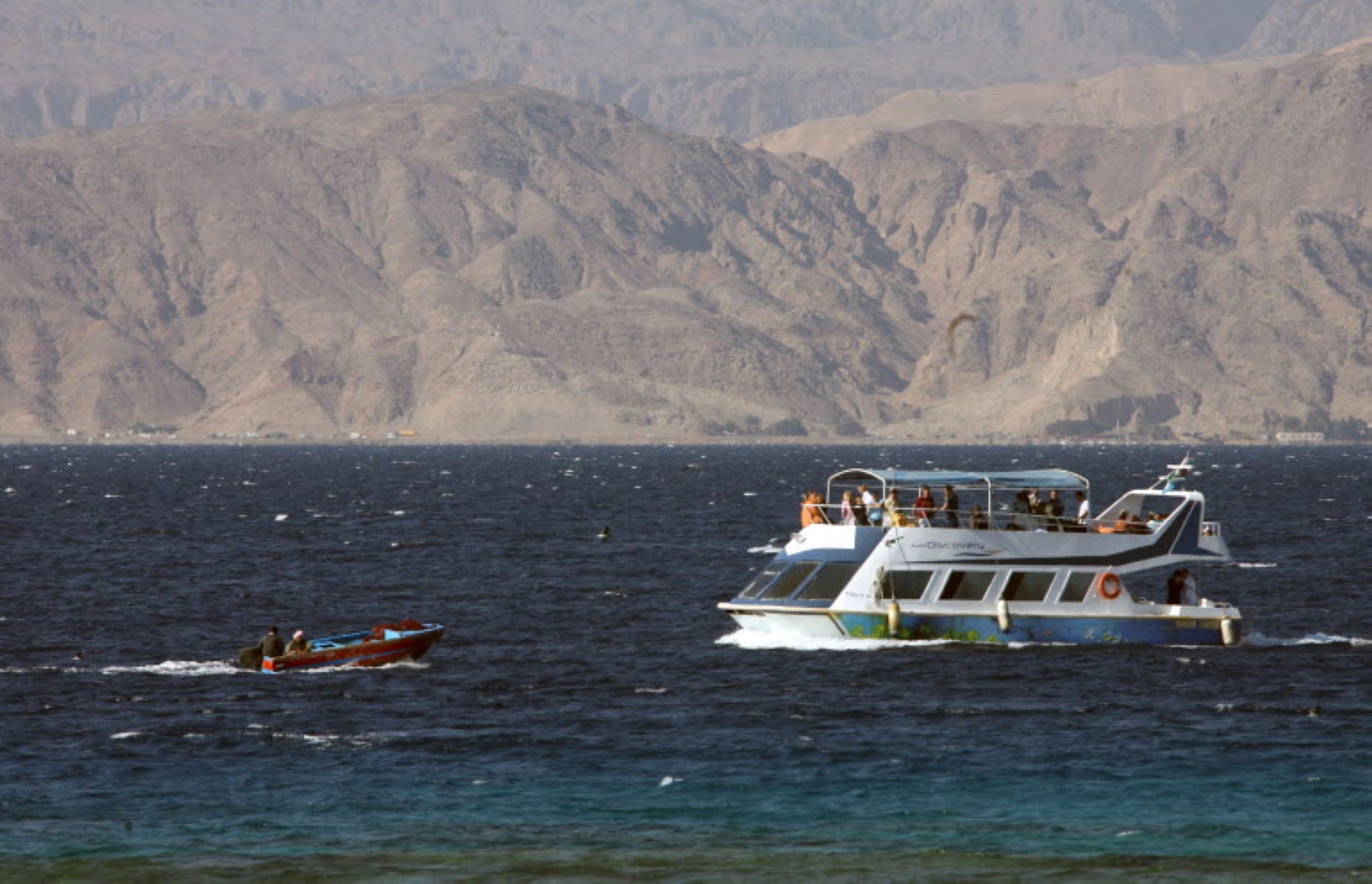
A Jordanian boat sails near tourists cruising in the Red Sea off the Jordanian coastal city of Aqaba, 29 December 2007.

Custodianship under pressure

Developments in Jerusalem present a different challenge. Hashemite custodianship of the Muslim and Christian holy sites dates back to the 1920s and was reaffirmed in Jordan's 1994 peace treaty with Israel. The arrangement is important to Jordan's international standing, but also to its domestic population, which is mostly of Palestinian origin.

Israel has continuously run roughshod over Jordanian custodianship. Most recently, it erected an illegal canopy on the Al-Aqsa compound, recruited religious Jews into a dedicated Temple Mount police unit, increasingly opened Jewish prayer at the site during Tisha B'Av, and imposed tighter restrictions affecting Christian institutions and access to the Church of the Holy Sepulchre. Taken together, these provocative actions flout longstanding understandings governing the holy sites and Jordan's role as custodian.

Diplomatic leverage

Unlike the US military presence, Jerusalem is an issue where Jordan retains a degree of diplomatic initiative. While Amman cannot dictate developments on the ground, it can mobilise regional and international support, build diplomatic coalitions and demonstrate to domestic audiences that it is actively defending a core national interest. 

JORDANIAN ROYAL PALACE / AFP
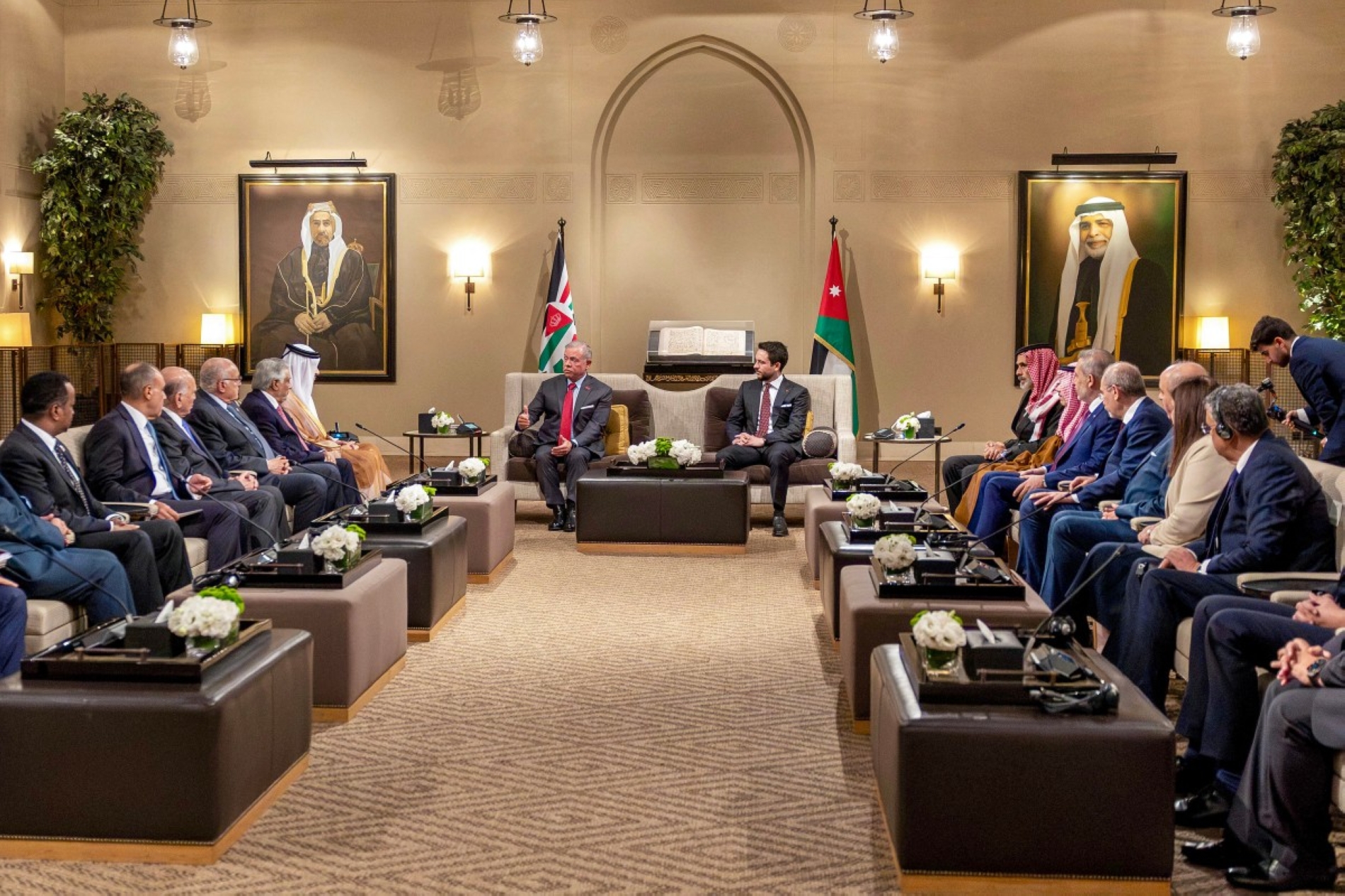
King Abdullah II meets foreign ministers from Arab and Islamic countries to discuss Israeli actions in Jerusalem and the situation at the Aqsa mosque complex, in Amman on 5 August 2026.

The 5 August meeting should be understood in this context. The resulting declaration reaffirming the authority of the Jerusalem Awqaf and calling for international action was not merely symbolic. It was also a reminder that Jordan intends to defend a role that carries considerable political weight at home and abroad.

Israel's approaching 27 October election could increase the pressure. Nationalist and religious parties have strong incentives to appeal to constituencies that favour expanded Jewish access and prayer rights on what they call the Temple Mount (Known to Muslims as Al Haram Al Sharif). Jordan should therefore prepare for further violations of the status quo arrangements as the campaign intensifies.

The significance of Al-Aqsa for Jordan is not new. What is changing is the context in which the issue now sits. Jordan cannot easily reduce its dependence on Washington, even as the US military presence becomes more politically contentious and exposes the kingdom to Iranian retaliation. Under those circumstances, protecting its custodianship role becomes even more important.

Jordan may have little choice but to absorb the domestic costs associated with its alliance with the United States. But it has considerably less room to appear passive when it comes to Jerusalem. 

font change