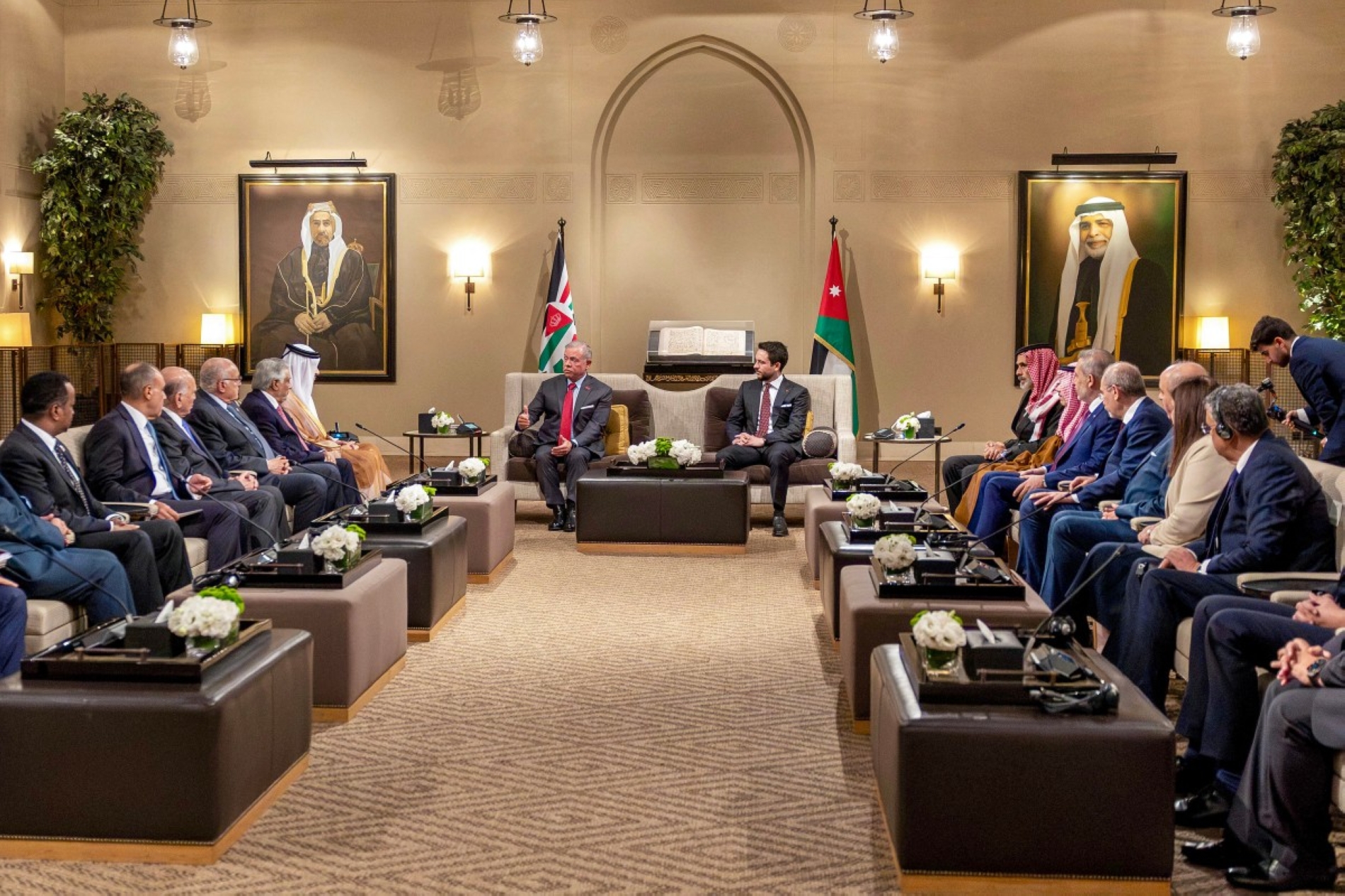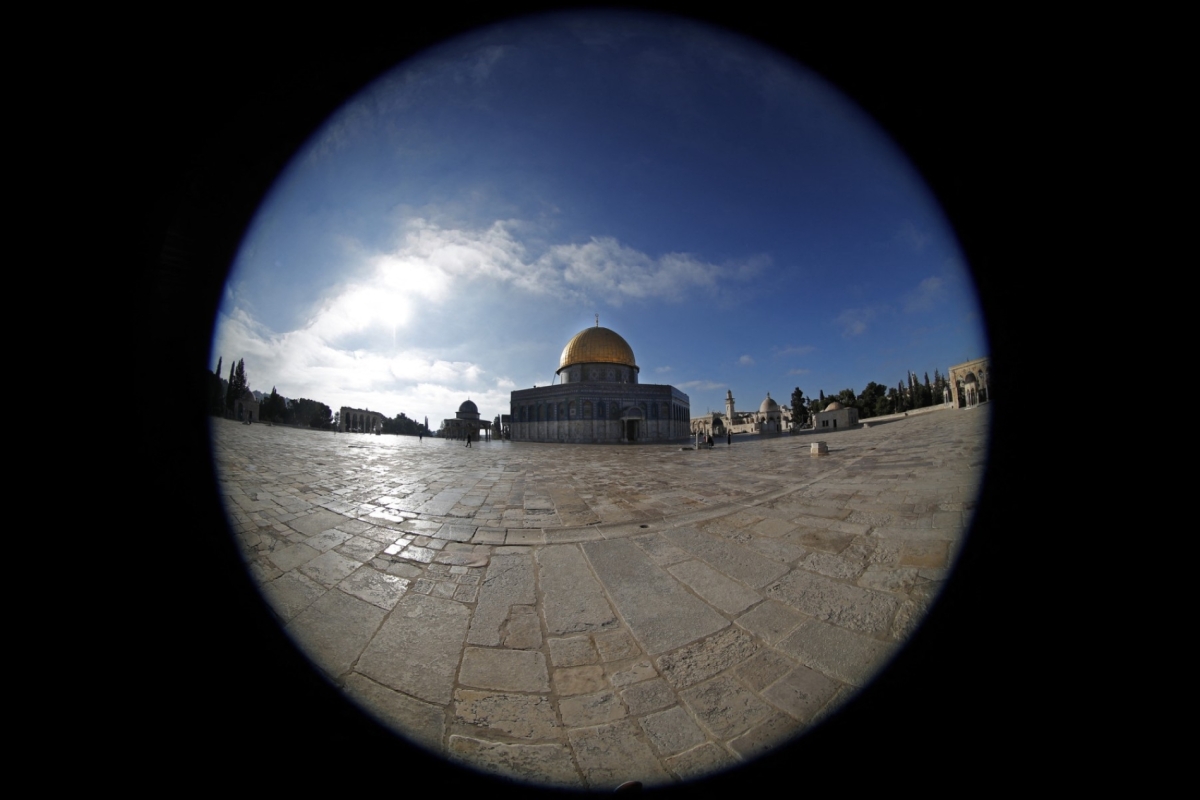

When foreign ministers from 14 Arab and Muslim states gathered in Amman on 5 August to reaffirm Jordan's custodianship of Jerusalem's holy sites, the meeting carried significance beyond the city's status. It highlighted a growing dilemma inside Jordan. As its security relationship with the United States becomes increasingly costly at home, it has a stronger incentive to defend its historical oversight role, which is important to its domestic population as well as the region.
Jordan convened the meeting as chair of the Arab League committee responsible for supporting Jerusalem. Representatives from Türkiye, Pakistan, Indonesia and Malaysia joined their Arab counterparts in endorsing Jordan's custodianship and reaffirming the authority of the Jerusalem Awqaf. The gathering took place as pressure was mounting on Jordan from two directions—one linked to the country's alliance with Washington and the other to developments at Jerusalem's holy sites.
Relations with Washington have come under greater strain since the US launched another round of war on Iran in late February. Jordan hosts around 4,000 American troops and receives roughly $1.65bn annually in US economic and military assistance. The partnership has underpinned Jordan's security for decades and remains essential to its ability to deter threats that it cannot manage alone. At the same time, US military presence has exposed Jordan to retaliation from Iran and its regional allies.
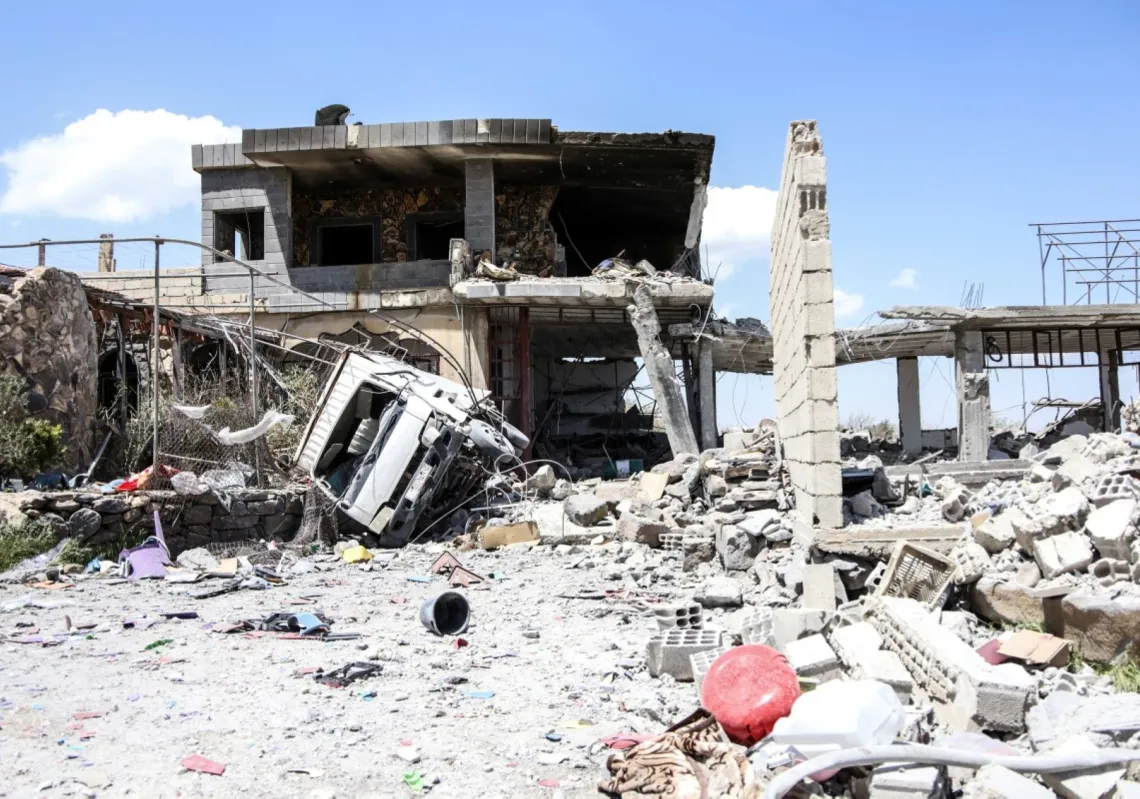
The costs of that relationship became visible in July when a strike on Muwaffaq Salti Air Base killed three American service members and injured others. Additional missile and drone attacks followed later in the month, many of which were intercepted by Jordan’s air defences. For many Jordanians, such incidents reinforced concerns that the country is being drawn into regional confrontations that are not of its own making.
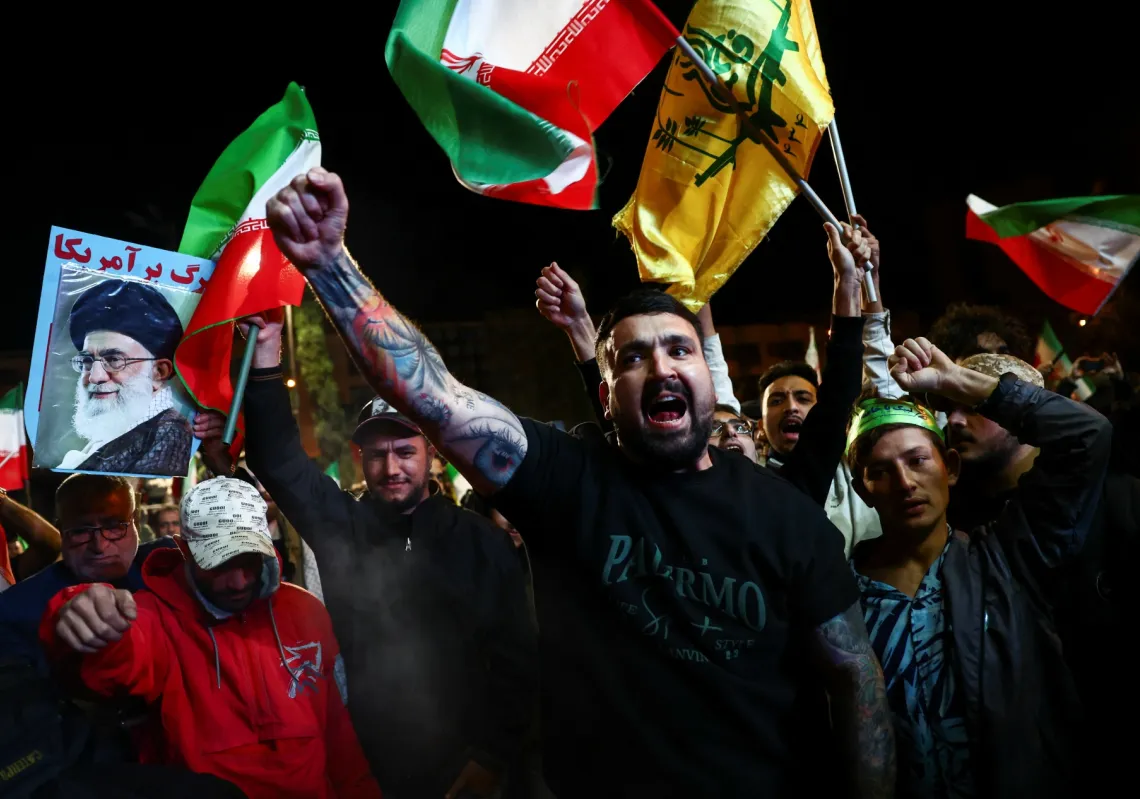
Concerns over the costs of hosting US forces have become increasingly visible within Jordan. Late in July, more than one hundred political, academic and tribal figures called for the security agreement with Washington to be reviewed or submitted to parliament. Iran's Revolutionary Guard publicly welcomed the position of Jordanian intellectuals, recognising an opportunity to increase the political cost of the US military presence without altering the military balance itself.