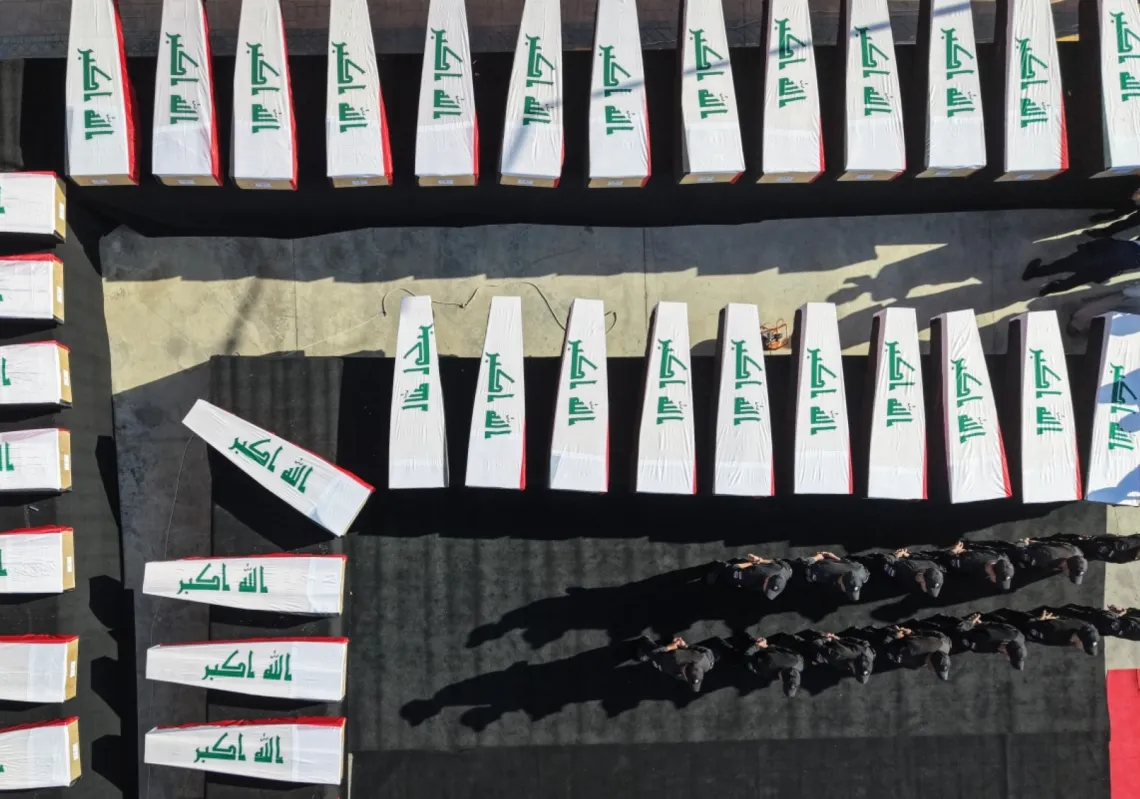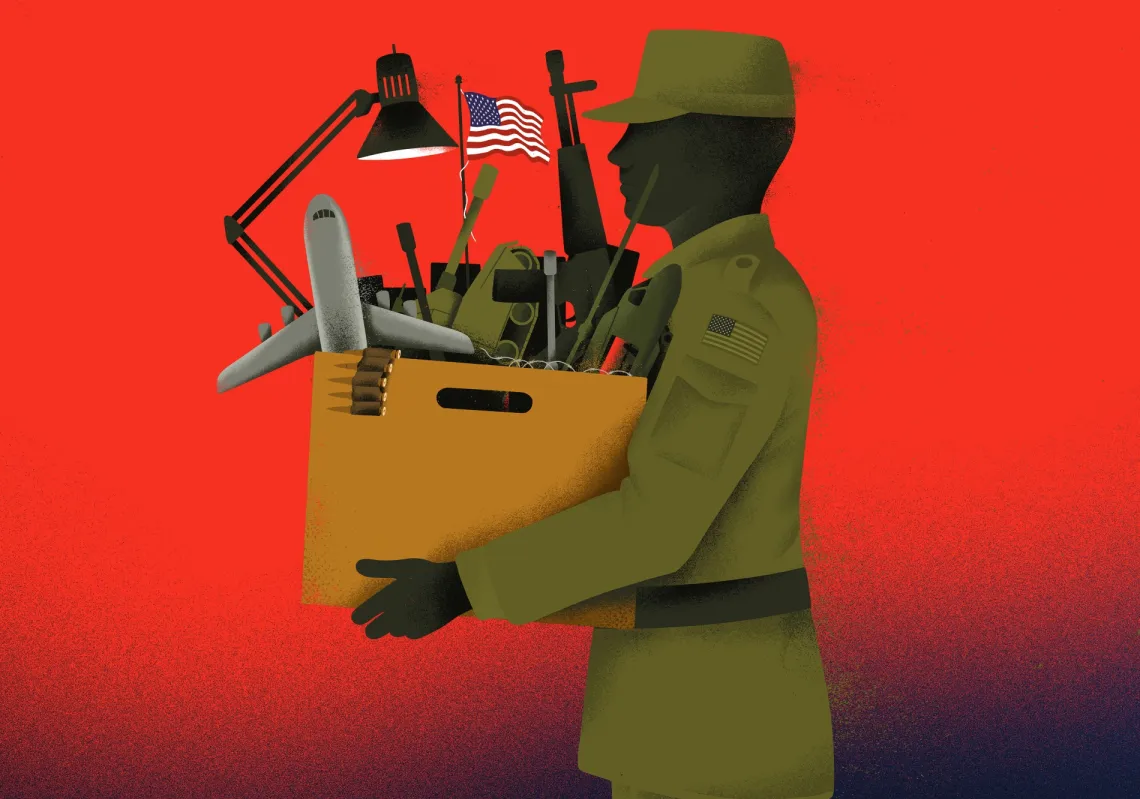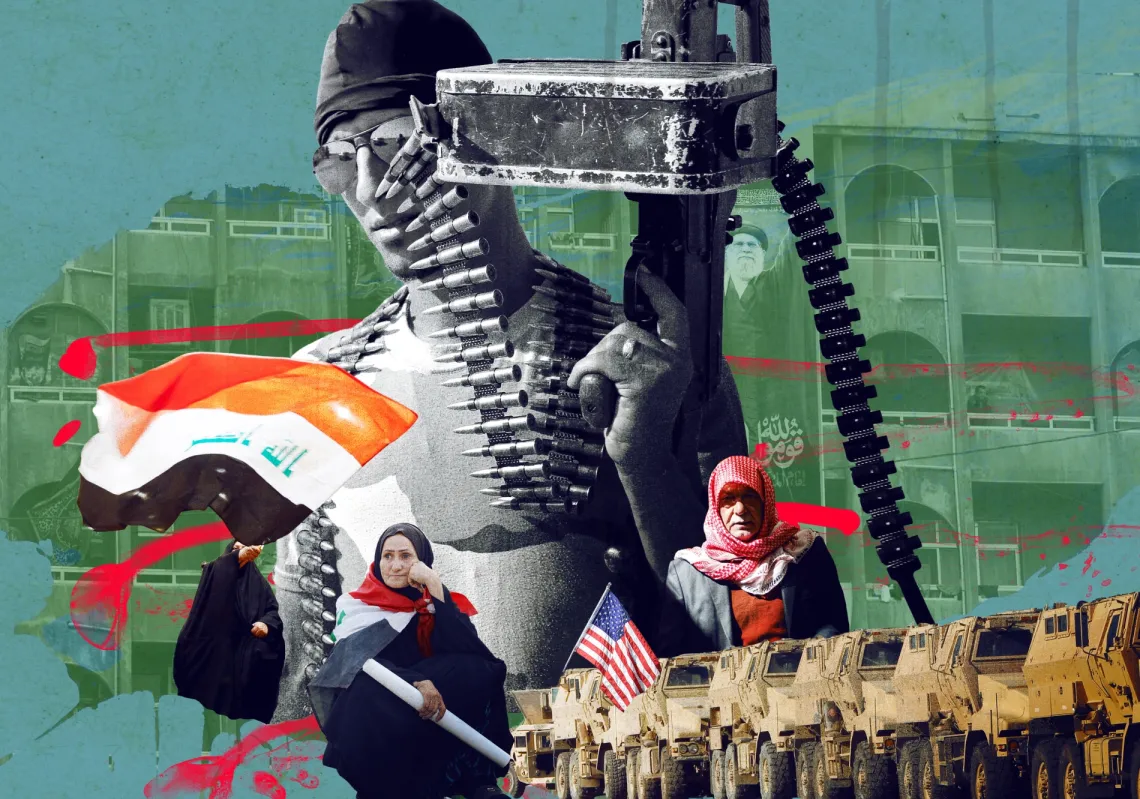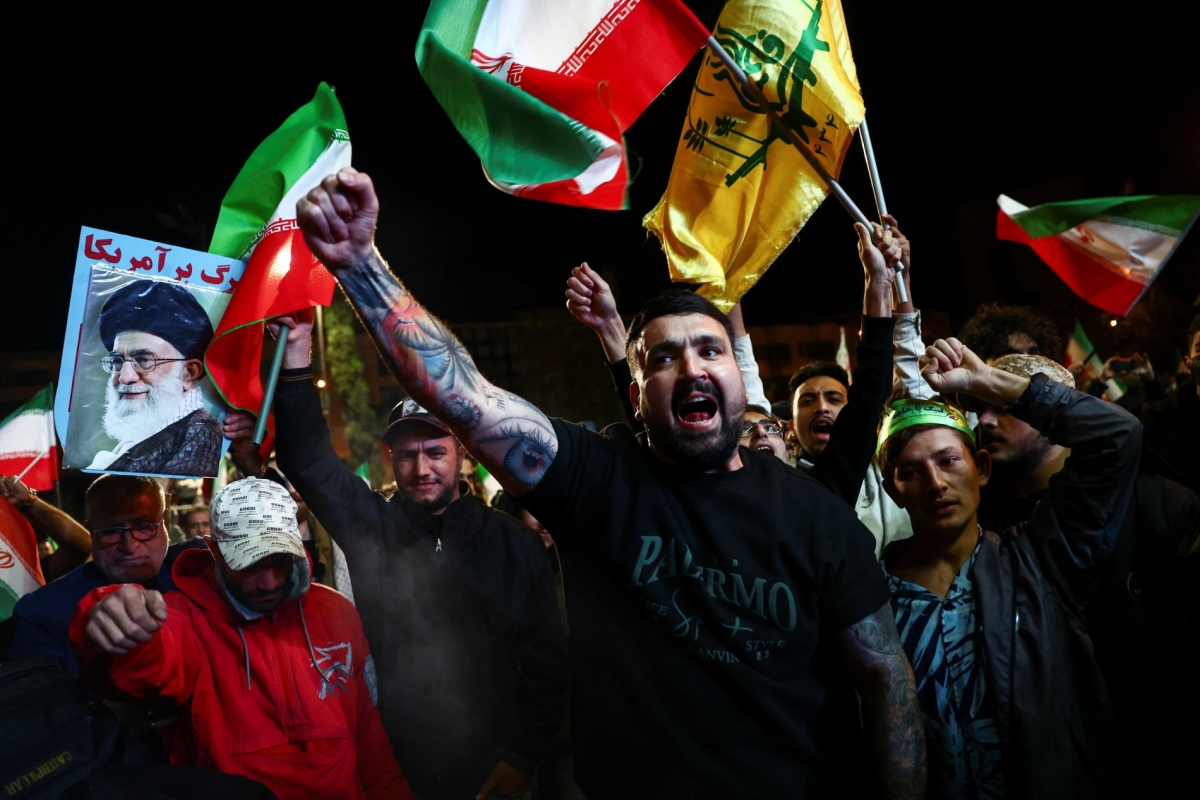

The Islamic State (IS) has been defeated in its original core territories, Syria and Iraq. Despite the US military withdrawal from those states, the United States, its international Anti-IS Coalition, Iraq and Syria have powerful capabilities to keep the terrorist group suppressed. But many of the conditions that led to IS’s explosive growth 12 years ago remain latent: some support for violent fundamentalist movements and Sunni Arab rejection of control by Iran and its proxies.
The only likely trigger to reactivate the conditions that led to the emergence of IS would be a new round of Iranian expansion in the region following the US withdrawal in lieu of a security alternative. Thus, any failure by the United States and its partners in the current campaign against Iran could unleash not only Tehran and proxies, but also a fresh IS threat.
To the extent an ideological terrorist group can be defeated, IS has been—at least in Iraq and Syria, where the group first emerged. While remnants still exist in both countries (more so in Syria), they are not currently a significant problem, with attacks this year in both countries down to less than 50, compared to thousands annually just a few years ago, according to a Washington Institute Policy Analysis.
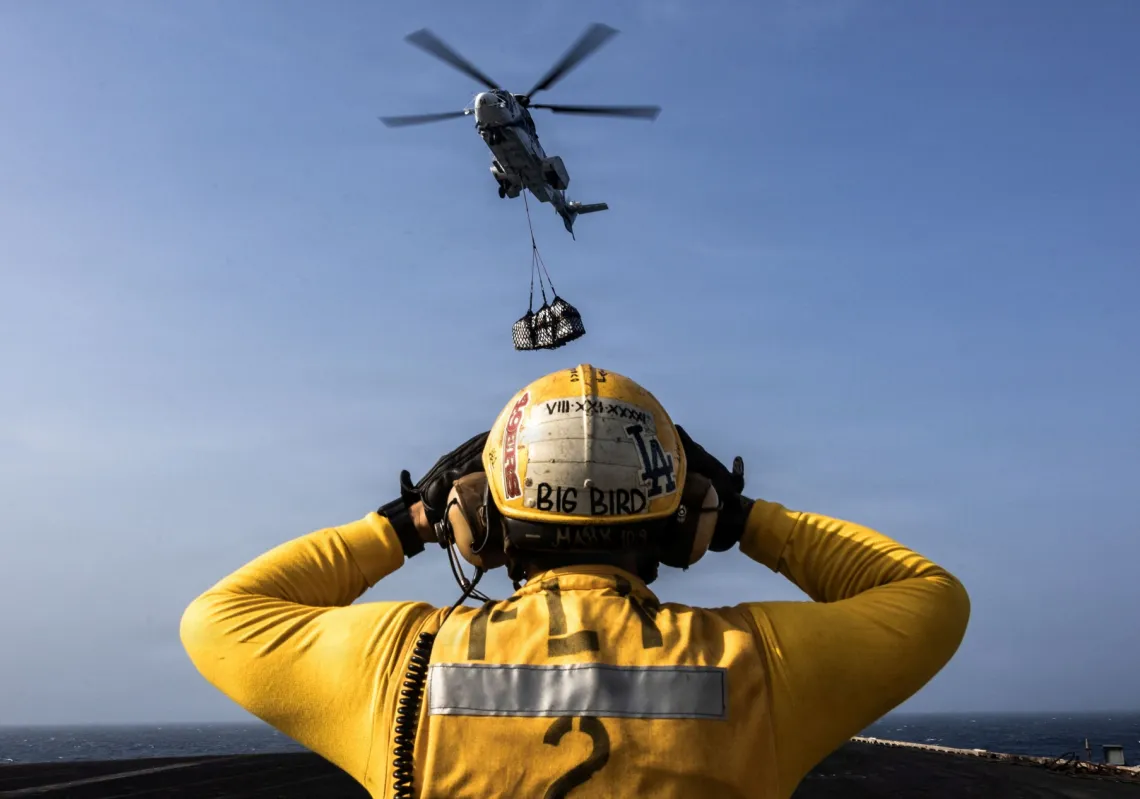
Iraq and Syria now have huge military forces experienced in fighting IS and, so far, the US military withdrawal has not led to an uptick in IS activities. Furthermore, the anti-IS coalition remains operational, with its Operation Inherent Resolve (OIR) headquarters moved from Iraq to Jordan, and the 80-nation diplomatic coalition remains very active. The US is also providing robust military assistance, training, and equipment to Baghdad.
In Syria, US forces through OIR have more formal authority from Washington and informal Syrian acquiescence to hit high-value IS targets inside Syria. CENTCOM, the American regional military headquarters to which OIR reports, reported recently that IS has been extensively reduced. Having said that, the ability of IS to regenerate cannot be written off, especially given that the conditions for its initial success still exist, while the conditions for its large-scale defeat have the potential to weaken.
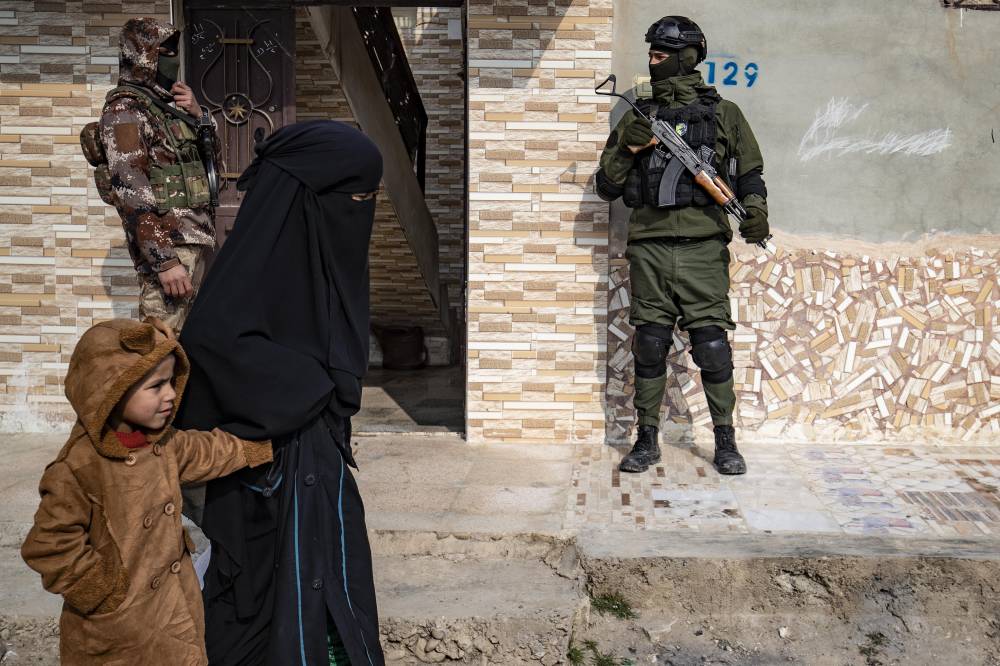
The origins of IS
IS and its precursors are perversions of Islamic movements mainly among Sunni Muslims. According to polling, a significant percentage of Muslims support strict fundamentalist forms of Islam. But few of those support violence to advance their view of Islam, and even fewer, a tiny minority, have been ready to take up arms for that cause. But that tiny minority, in a population of hundreds of millions, can give rise to dangerous armed movements under the right conditions.
In the case of IS, those conditions included long-standing hostility to the presence of the West, be it its ideas or soldiers, in the Middle East, as well as hostility to Muslim states and societies seen as too liberal. But IS emphasised another factor drawn from al-Qaeda in Iraq (AQI): animosity towards Shiite Muslims. This was largely absent in the ideologies of Osama bin Laden and first-generation al-Qaeda terrorists. In fact, in various ways Iran (a predominantly Shiite nation) cooperated with, facilitated, and harboured people linked to al-Qaeda. While there was always some source of friction between Sunnis and Shiites since disagreement over succession of Prophet Muhammad led to a split, there were also lengthy periods of co-existence and intermarriage over the centuries.
But a notable shift occurred in 2004, when AQI leader Abu Musab al-Zarqawi began targeting Shiites, rather than US and Iraqi government forces. This culminated in the 2006 Samarra Mosque bombing and the subsequent near civil war between the two groups.
And when Abu-Baker al-Baghdadi splintered from AQI to form the Islamic State (IS) in 2013, he carried forward this anti-Shiite fervour. This hatred found fertile ground in Iraq and Syria, where some 25 to 30 million Sunni Arabs were respectively governed by a Shiite prime minister and an Alawite (a Shiite offshoot) president. At the time, both countries were pretty much beholden to Iran, and Bashar al-Assad was in the middle of cracking down on an uprising from Syria’s largely Sunni population.
It took years and much manpower from both the United States and the anti-IS coalition to finally defeat IS—a testament to the group’s staying power. In fact, IS was also simultaneously fighting the Turkish army and various Syrian opposition forces, as well as Assad's army backed by Iran, Russia and Iranian proxies.)
While the underlying incubators of Sunni terrorism described above still remain, the world is acutely attuned to the dangers of IS and the potential for it to regroup and remains vigilant to ensure it does not. Against this backdrop, IS is unlikely to pose a strategic threat anytime soon. However, it can still pose a tactical threat in its latent form.
The Iran factor
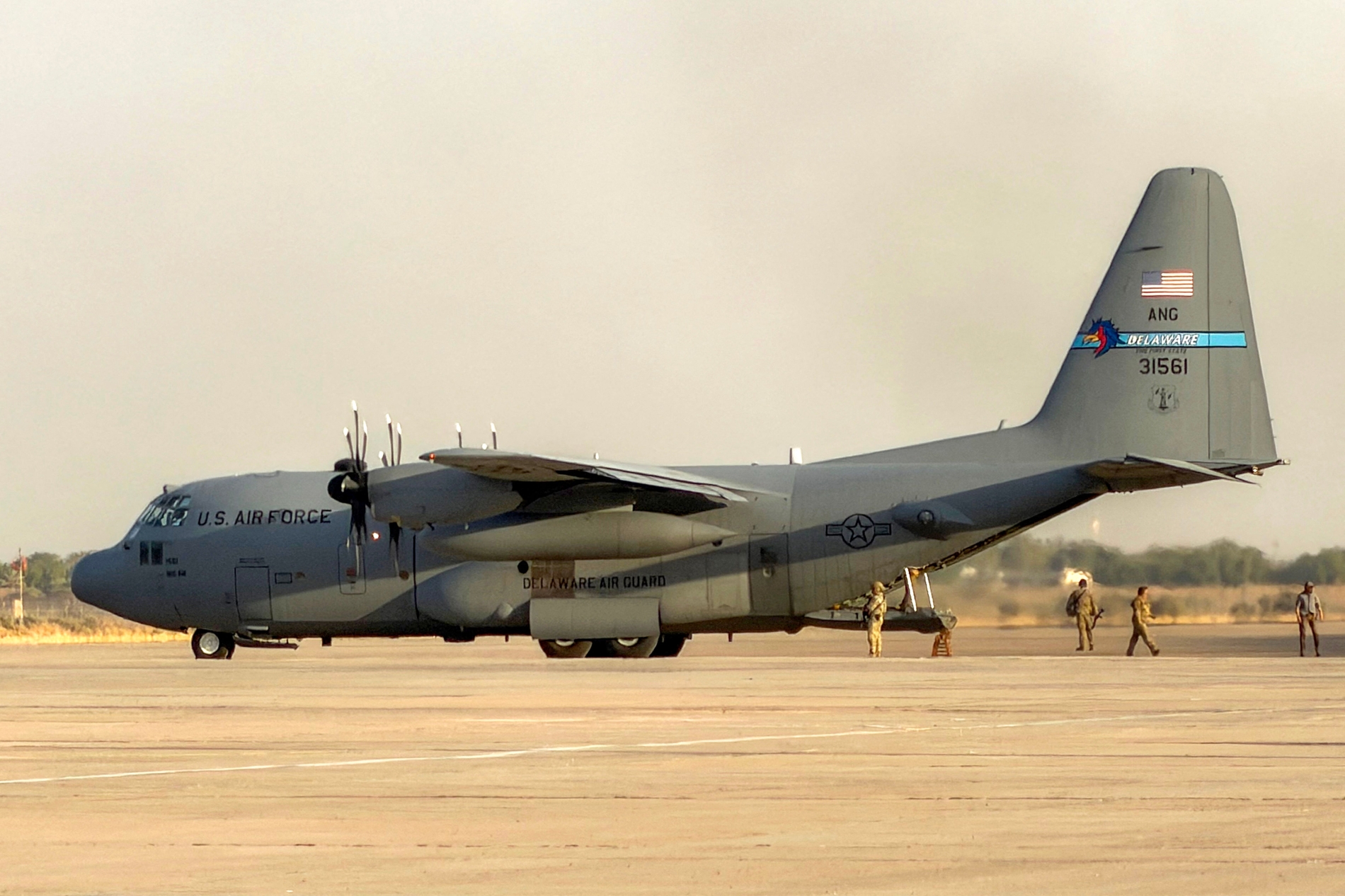
Tehran’s survival in the US-Israel war waged against it has the potential to shuffle the Middle East deck, especially if this translates into a massive US withdrawal from the region and an abandonment of any security role there. This would pave the way for Iran to fill the security vacuum in a far more obtrusive way than in the past two decades.
For reasons beyond the scope of this article, neither Arab states nor Europeans could likely replace the US in containing Iran. It is not just a question of military power but of leadership and "convening power" which only Washington could provide. And while Türkiye has a 400-year history of protecting its borders against Iran, it has little interest in containing Iran beyond its immediate "near abroad”.
For its part, Israel has tremendous ability to defend itself from Iranian attack, but little capability to either spread its defensive umbrella over the entire region or organise Arab states to do so themselves. With growing pushback from nearly the entire spectrum of American politics, and its alienation from the Arab world and Türkiye over its treatment of Palestinians, Israel at present is particularly ill-suited to mobilise its neighbours against any regional threat.