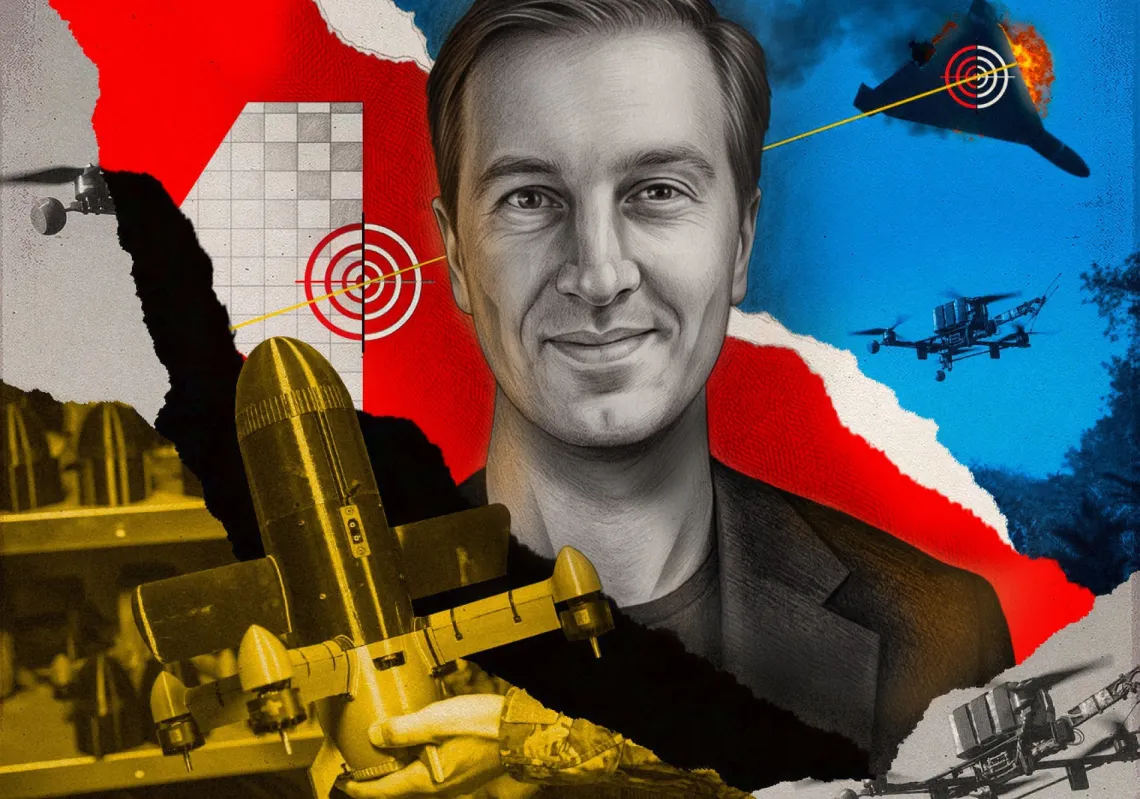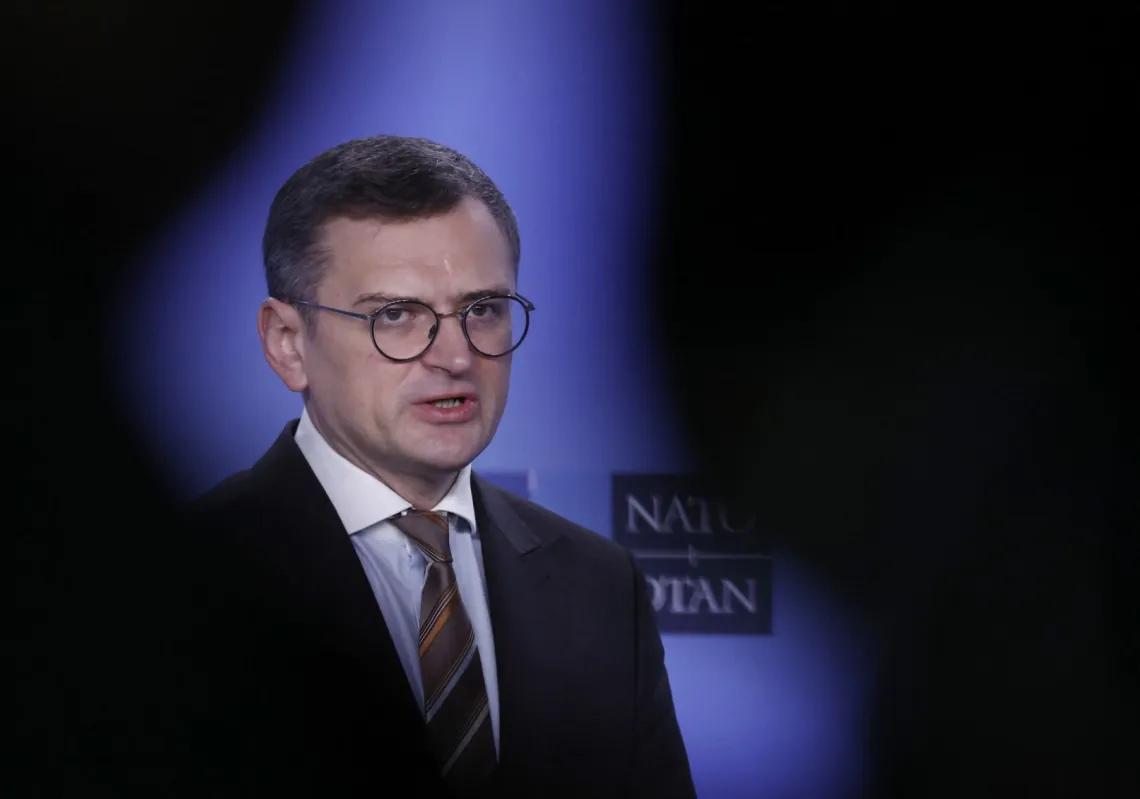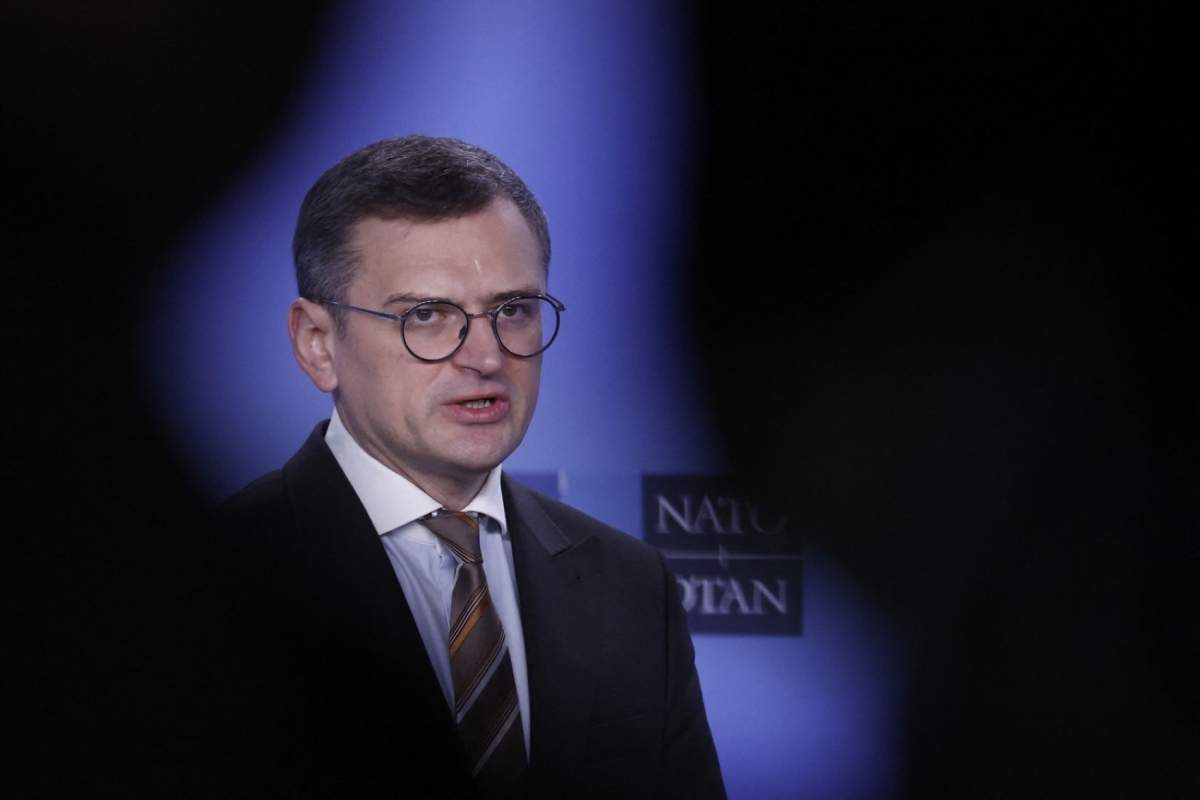

Nearly five years into Russia’s full-scale invasion of Ukraine, Dmytro Kuleba sees no end in sight. Ukraine’s former foreign minister (2020-24), he steered Kyiv’s diplomacy for more than two years of the war, mainly during US President Joe Biden’s administration. Now a senior fellow at Harvard’s Belfer Centre, he believes the conflict is no longer just about territory, but about Russian President Vladimir Putin’s conclusion that ending the war carries greater risk for him than continuing it.
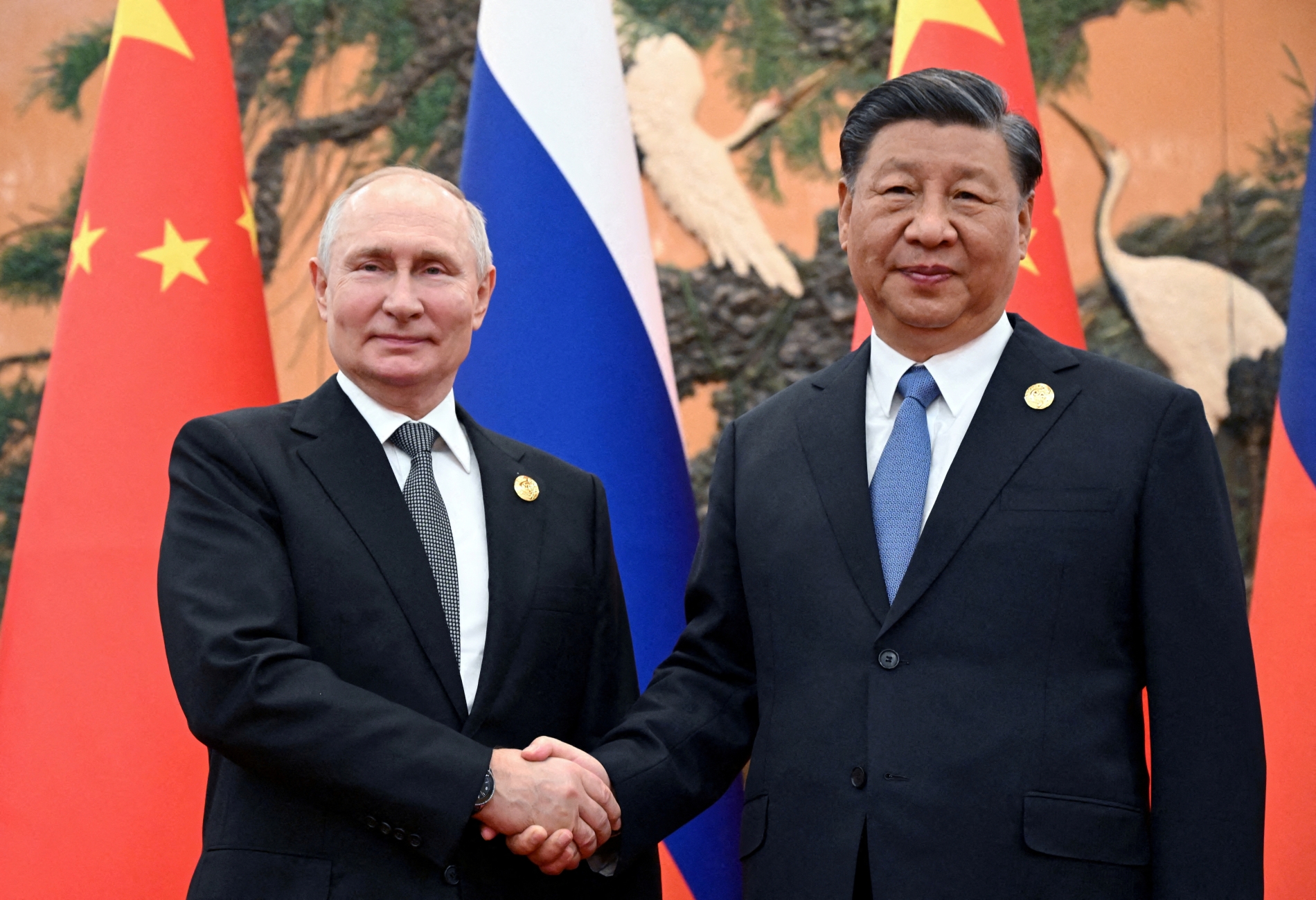
That assumption shapes everything else. Kuleba argues that a ceasefire would be broken quickly. For him, Ukraine’s victory means independence and the chance to choose to be part of Europe, not part of Russia. He felt Donald Trump’s promise to end the war within 24 hours was a slogan and worries about Trump’s “drift” towards Moscow, having literally rolled the red carpet out for Putin in Alaska earlier this year.
Kuleba is unsentimental about the wider map. He thinks China wants Russia to stay bogged down in Ukraine, making it weaker and more dependent. On the other hand, he says Beijing may want to play the role of peacemaker. In his reading, sanctions constrain Russia’s war-fighting abilities but will not, by themselves, end the war. Likewise, he thinks NATO membership should not be taken off the table, because Ukraine has yet to find a better example of a security guarantee.
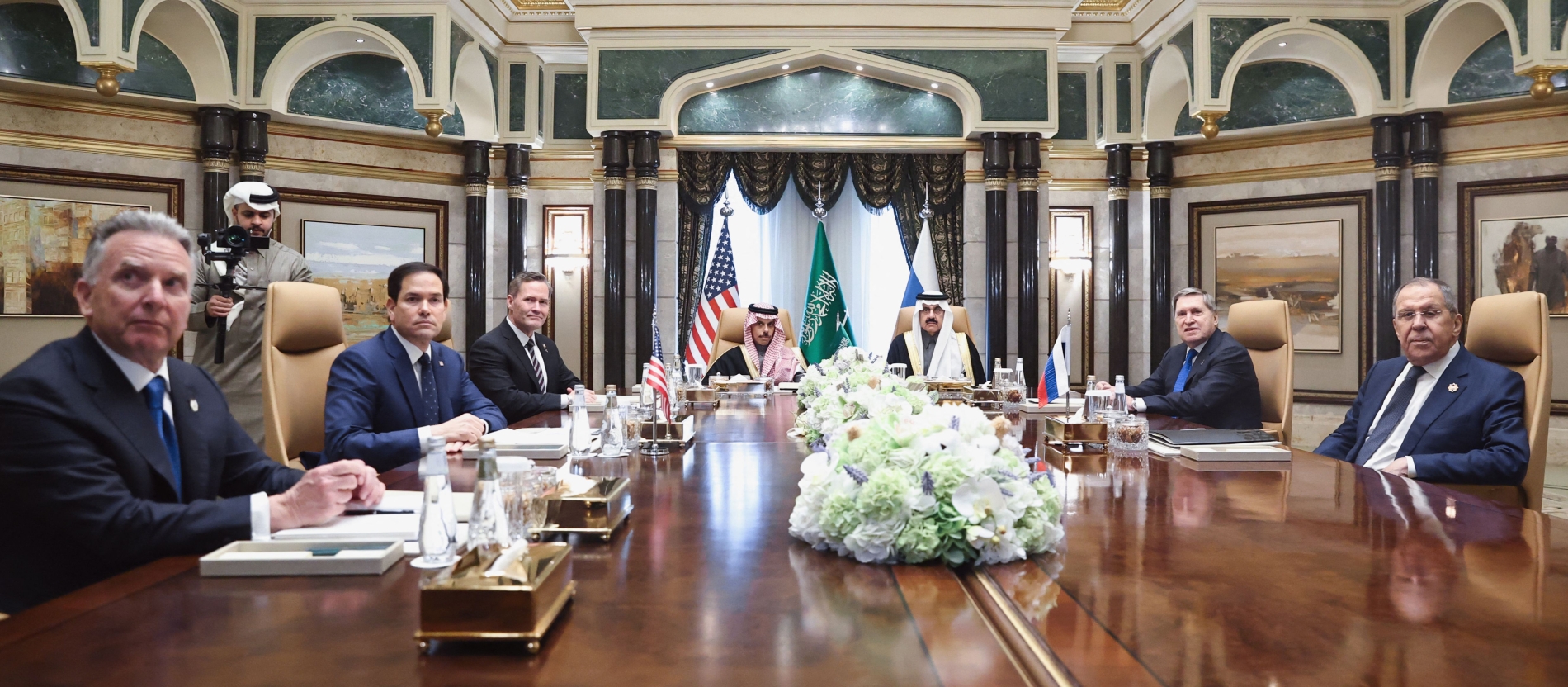
His most pointed remarks concern the Gulf. Despite Saudi Arabia hosting talks in 2025, he expects limited engagement from Gulf capitals, which he sees as constrained by their ties to Moscow. Even Riyadh’s drone-defence discussions with Kyiv after the Iran war were, in his words, “a spike, not a strategy”. Here is the conversation with Al Majalla.
More than four years into this war, what is your assessment?
Strategically, (Russian) President (Vladimir) Putin has put his country on a war trajectory and will be fighting different wars until his last day in office. He has concluded that ending the war in Ukraine carries greater risk for him than continuing and expanding it, so we should be ready for a long-term confrontation with Russia, whose actions will become even more hostile in different directions.
Ukraine has no choice; if we’re serious about defending our independence, our sovereignty, and our choice to be part of the European project, not the Russian one, then we must endure and adapt to changing circumstances.
What is your view of victory, or of a ceasefire with Putin?
Even if a ceasefire agreement is reached, which I doubt, it is not going to last long, because Putin is a guarantee of war. He has chosen war as his main policy instrument, so even if a ceasefire is reached, it should not be seen as salvation from war, because it will be broken very quickly. As for Ukraine’s victory, I imagine it simply as this: Ukraine remains an independent, sovereign, European country.
In Europe, some taxpayers are asking how long the war will go on...
No one can honestly estimate how long this war will last. Neither British nor Ukrainian taxpayers will decide that; President Putin decides to wage a long war that defines our effort, and Ukraine has no choice but to adapt. If taxpayers in a country that supports Ukraine speak out against continuing support, Ukraine will have to adapt to that reality as well. I follow developments in several key countries, including the UK, and hear politicians describe support for Ukraine as a problem, yet the polls show support for Ukraine remains strong.
President Trump and his envoys are pursuing a revised 20-point framework for peace. Given his promise of ending the war almost two years ago, has he failed?
From the very beginning, it was clear to me that the promise to end this war within 24 hours was a slogan, nothing more. I don’t think the problem is President Trump’s failure to end the war but Putin’s willingness to continue it. To end a war, you need to persuade the side driving it forward to stop.
The problem is more President Trump's drift towards Moscow's position and his recent policy of restraining Ukraine's capabilities to repel Russian attacks. I don't buy the claim that the war is about to end, because I don't think the circumstances are ripe for that. I'm more concerned about policy decisions that weaken Ukraine and strengthen Russia.
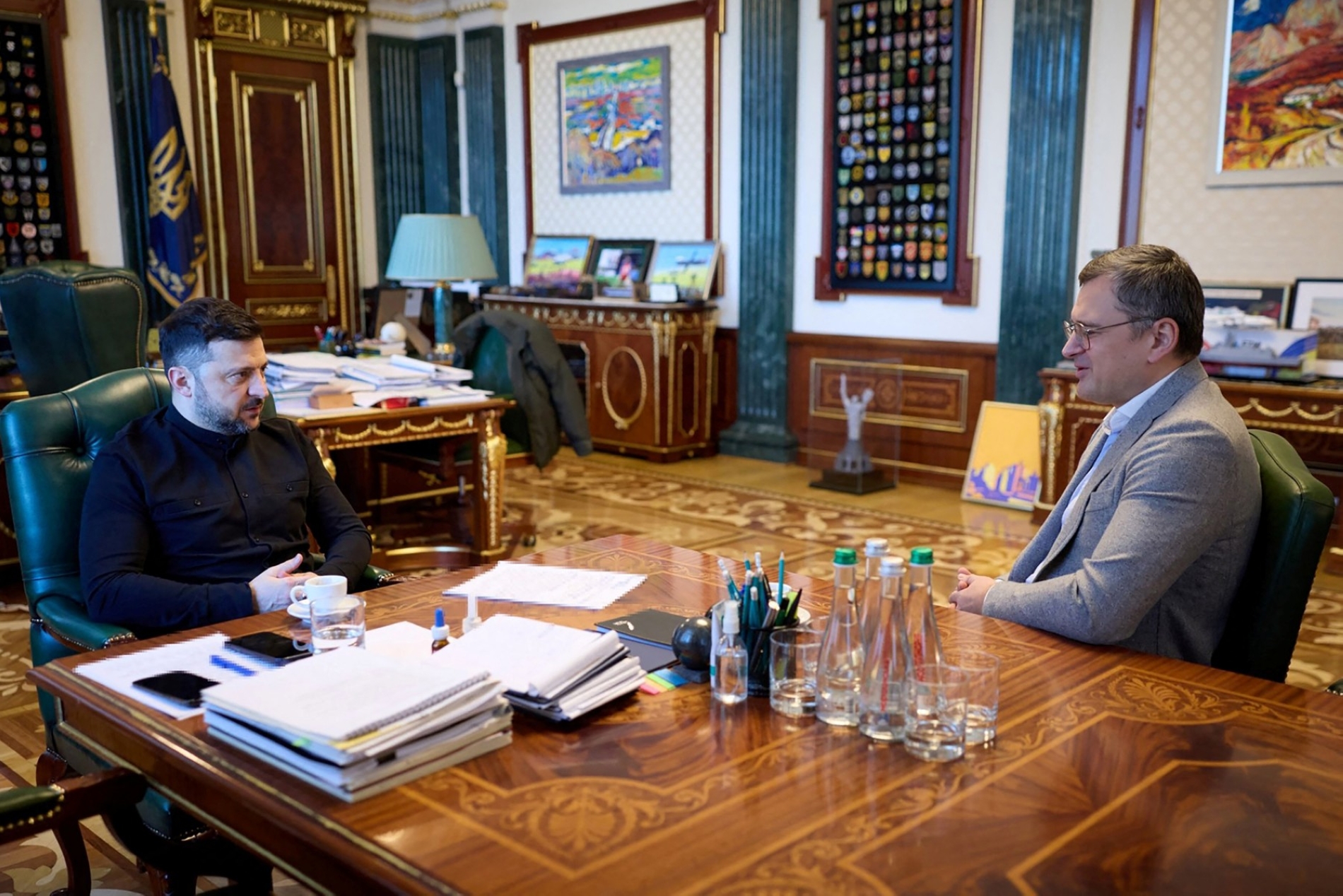
Some think Ukraine's President Volodymyr Zelensky sounds more like a warrior than a politician and will keep fighting until victory. Do you agree?
I'm puzzled that people are surprised by his language. He has been a wartime leader since February 2022 and has made many strong statements to both President Biden and President Trump, but he has always stopped short of ruining the relationship.
Whatever President Zelensky says, whatever message he sends, he always leaves room for continued dialogue and restoring the relationship. It's not a bad thing to disagree openly with friends when you have to defend a position that is critical to you, but the art of diplomacy is to do it in a way that leaves room for further dialogue, and I think President Zelensky has mastered that quite effectively.