Wang Huning: key advisor to three Chinese presidents

The chairman of the Chinese People’s Political Consultative Conference has shaped the country's trajectory since the 1980s. Al Majalla takes a look at his career and impact.

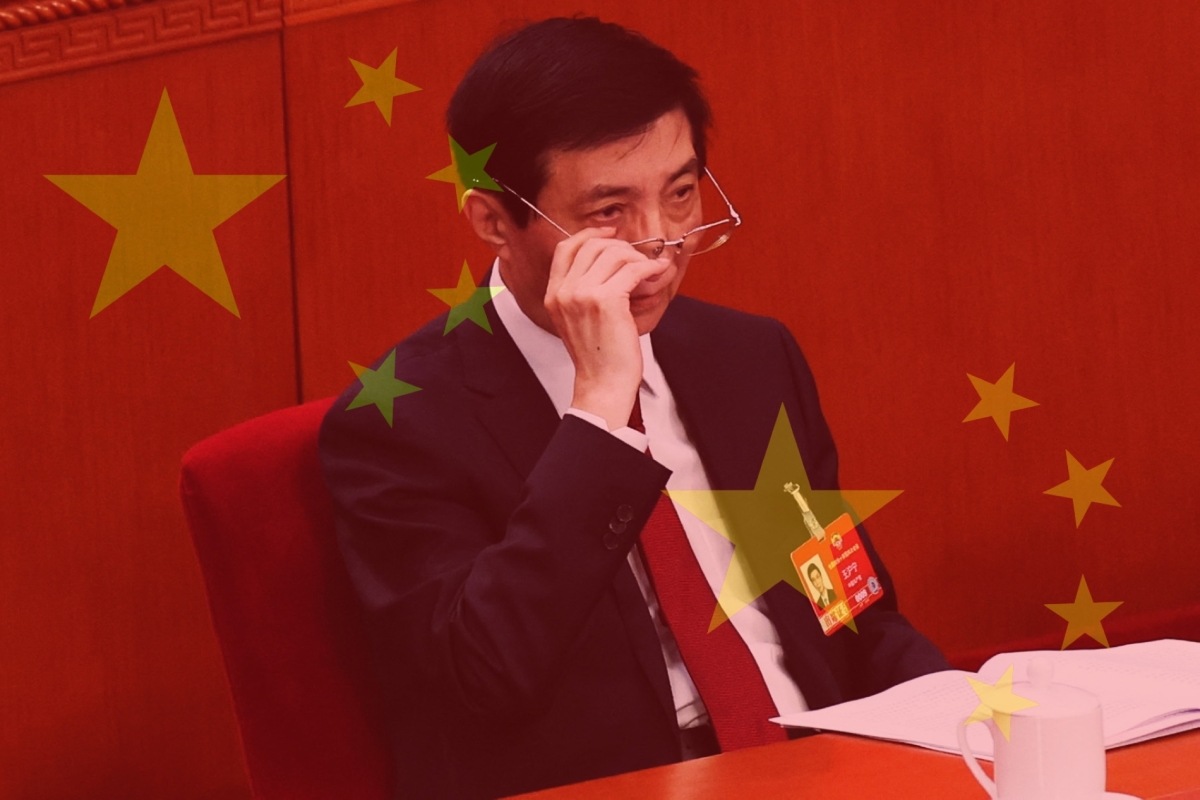
Wang Huning, Chairman of the Chinese People's Political Consultative Conference, at the conference's opening session in the Great Hall of the People in Beijing, China, on 4 March 2026.
Reuters
Wang Huning, Chairman of the Chinese People's Political Consultative Conference, at the conference's opening session in the Great Hall of the People in Beijing, China, on 4 March 2026.

Wang Huning: key advisor to three Chinese presidents

Wang Huning has been described by some Western observers of Chinese politics as “the world’s most influential intellectual,” “the mind behind Xi Jinping’s vision,” and China’s “ideological tsar”. Some even call him “the hidden ruler”. Chinese political tradition has a more appropriate moniker: a guoshi (meaning ‘mentor of the nation’ or ‘teacher of the state’). This figure was regarded as exceptionally wise and learned and was entrusted with offering the emperor strategic and spiritual counsel, helping shape the philosophy of government.

Wang is sometimes described by the expression san chao di shi, literally ‘teacher of three emperors,’ having advised Presidents Jiang Zemin, Hu Jintao and Xi Jinping. His prominence, and his ability to win the confidence of China’s leaders, can be traced to a stellar career as an independent scholar and prolific public intellectual. It was in 1995, during the second half of Jiang Zemin’s tenure, that he was first summoned to advise the modern-day emperor.

Revolutionary lineage

Wang was born in Shanghai into a family of revolutionaries. His parents, originally from Shandong province, joined the Communist Party during the civil war and fought in the Red Army, which later became the People’s Liberation Army. They helped the Communists capture Shanghai in 1949. They chose to settle there, in China’s economic heart, and named their son, born in 1955, Huning, a compound name meaning ‘peace in Shanghai’.

The family’s subsequent fate was not peaceful. During the Cultural Revolution and Mao’s political purges, Wang’s father, an army officer, was implicated in the case of Peng Dehuai, the Chinese marshal and defence minister who angered Mao and was subsequently cast aside. It affected Wang’s family. The young Wang spent much of his adolescence at home. He became introverted, devoted to reading, and convinced that knowledge was the path to salvation. Loyalty had only led to his parents’ ostracism.

Thousands like Wang and Xi Jinping were compelled to join the ‘Up to the Mountains and Down to the Countryside’ campaign. A frail Wang was spared the most remote provinces. After completing secondary school in 1972, he spent four years working part-time in rural districts of the Shanghai municipality and surrounding areas.
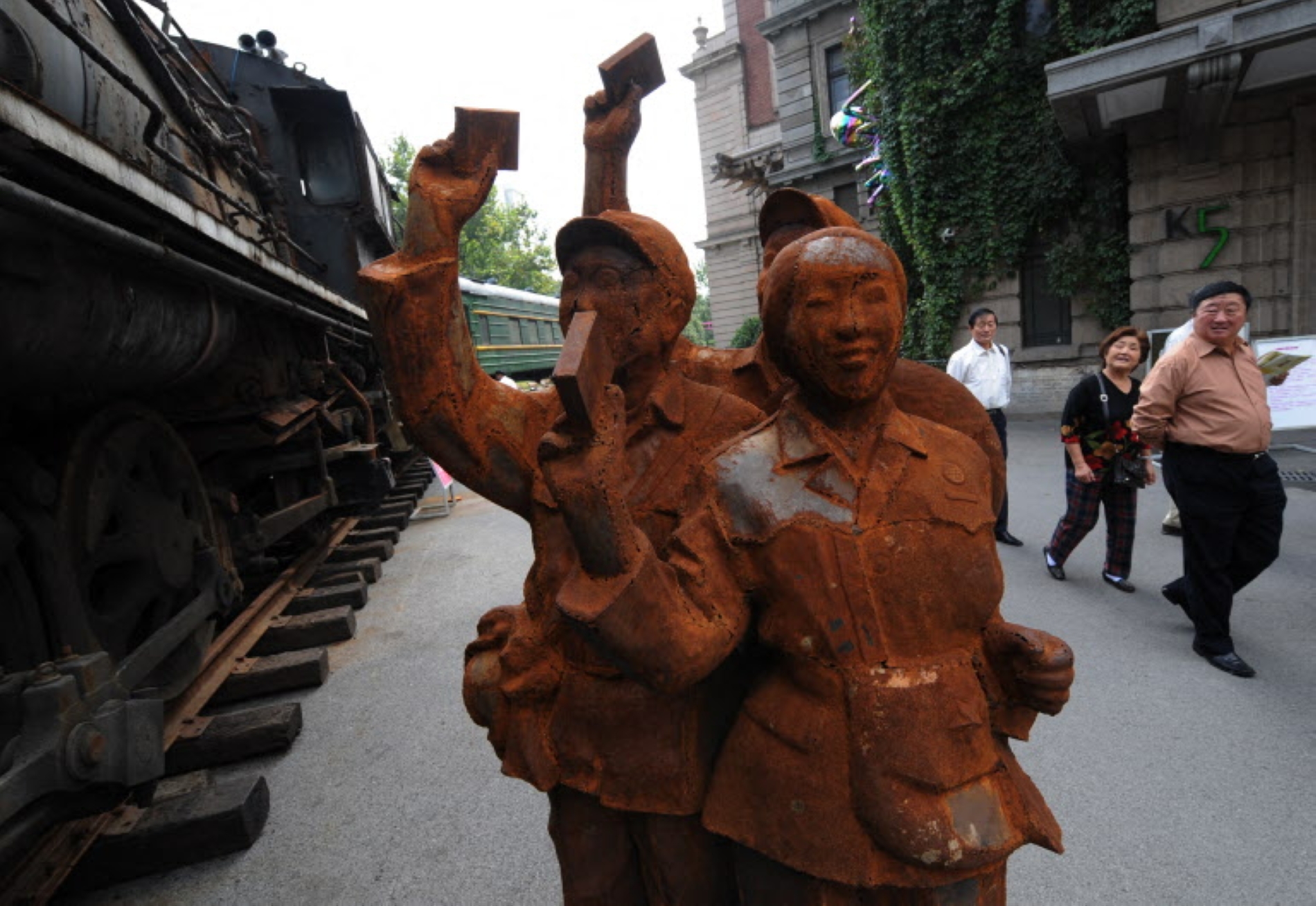
MARK RALSTON / AFP
Chinese tourists walk past a rusted 1970's Cultural Revolution era statue showing Red Guards chanting political slogans in Shanghai on 8 October 2008.

New centralism

Wang’s relative escape from the ordeals suffered by so many in his generation profoundly shaped his academic development. Instead of enduring hard labour on distant farms, he was assigned to Shanghai University, where he studied and trained in French. In 1978, Deng Xiaoping reopened the universities that had been closed during the Cultural Revolution. Wang sat the national university entrance exam (the gaokao) and achieved an exceptional result.

Fudan University, one of Shanghai’s most prestigious institutions, admitted him to a Master’s degree in international politics, allowing him to bypass undergraduate study altogether. He completed his thesis in 1981. It was a Marxist analysis of Western theories of sovereignty and reflected an early interest in political independence and sovereign authority, themes that would later reappear in his insistence that China preserve its sovereignty and ability to determine its own course.

Wang joined the Communist Party relatively late. A year later, in 1985, at age 30, he became the youngest associate professor at Fudan, where he distinguished himself through prolific academic output. In Comparative Political Analysis (1987), he presented ‘strategic centralism’ as a prerequisite for economic modernisation. He argued that a developing country undergoing rapid economic transformation could not bear the consequences of competitive liberal democracy. In his view, a strong, stable central authority offered the only reliable guarantee that market reforms would succeed and that society could be guided smoothly toward modernity.
Wang's 1991 book America Against America persuaded an influential section of the Chinese elite that America's weaknesses lay within its own society.

Some in the West soon described him as the intellectual father of 'new authoritarianism'. Wang also advocated "building the soft power of the state" and creating a cultural basis for central authority. His proposal combined the strict organisational structure of Marxism with traditional Confucian values that encouraged respect for authority and placed the collective interest above individual preference.

In a prominent article published in 1986, Wang argued that "centralism does not mean stagnation," and that the absence of strong political institutions and clear laws had not led to the Cultural Revolution. The party's administrative system therefore required reform. Rigorous institutional oversight had to be established, and the principle of the rule of law had to be applied according to a distinctly Chinese understanding.

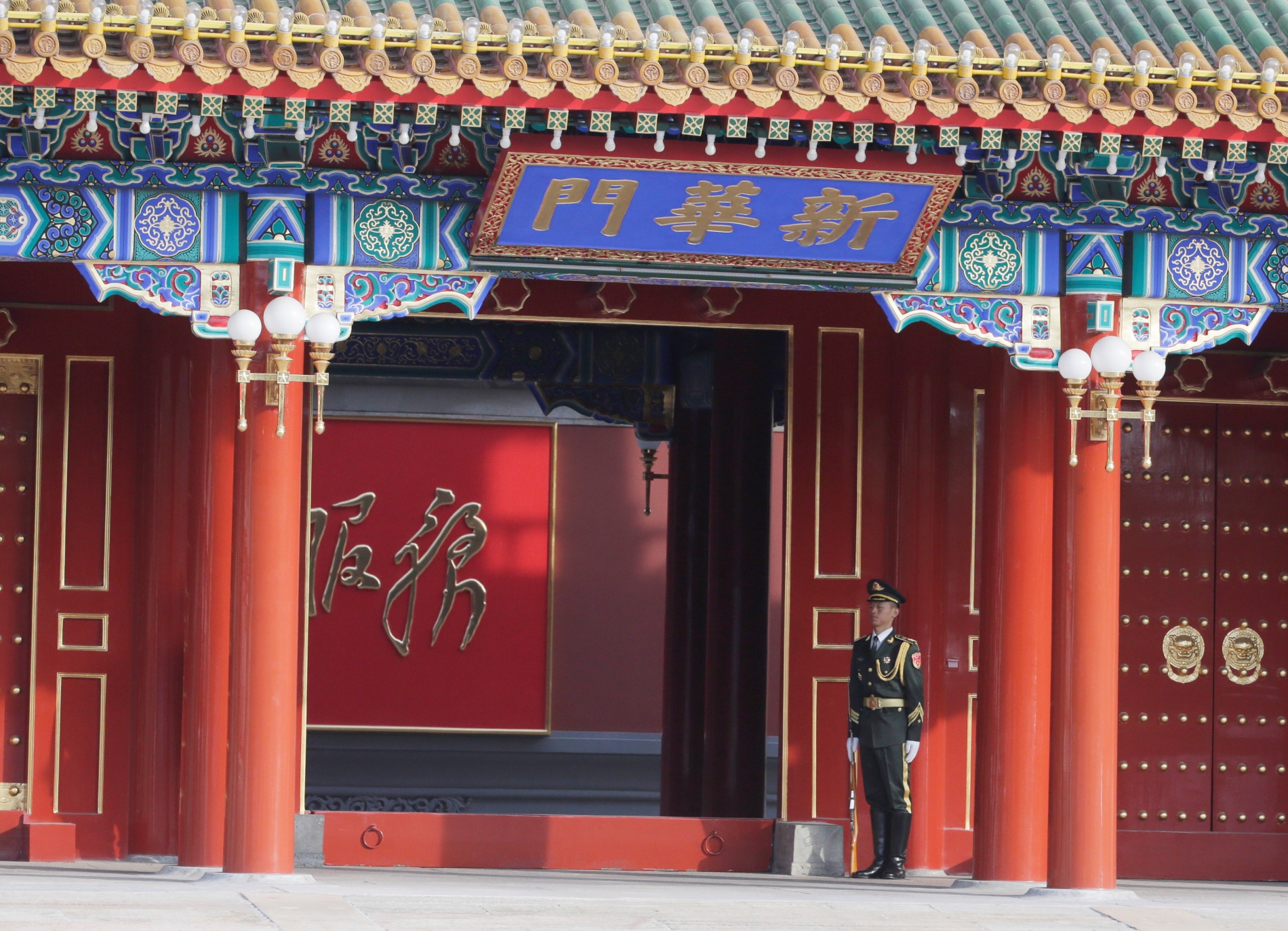
Reuters
A soldier stands guard at the Xinhua Gate of the Zhongnanhai leadership compound in Beijing, China, on 1 November 2019.

Analysing America

The decisive episode in Wang's career came in 1988, when he travelled to the United States as a visiting scholar at the invitation of the American Political Science Association. He spent six months moving among universities, including Iowa, Berkeley and Michigan, and visited more than 30 cities. Returning to China, he distilled his experiences and critical impressions into his celebrated 1991 book America Against America, without concealing his admiration for the American model.

Despite this, it was not a love letter. He concluded that some of the very elements of the model's strength also produced the conditions of internal erosion. His analysis persuaded an influential section of the Chinese elite that America's weaknesses lay within its own society. They concluded that to rise, China need not defeat the US militarily, but rather wait for its domestic contradictions to deepen.

A structural analysis of the American model, the book became a guide to the dangers China should avoid. Wang argued that capital in the United States had acquired influence beyond politics. That judgement later found expression in his insistence that the Communist Party must remain above the market, that business leaders must never emerge as independent centres of power, and that major corporations must remain subordinate to the country's broader national objectives.

Wang saw that the US amassed immense wealth yet suffered from profound social problems. The lesson for China was that unbalanced development could become a political threat. This was embodied in the slogan: 'common prosperity.' He also believed that excessive individualism was eroding and fragmenting American society into competing groups, so he called for a stronger and more inclusive Chinese national identity, a clearer definition of the individual's responsibilities towards society, and the priority of stability over open political confrontation.

Steady ascent

These ideas led some observers to portray Wang as the intellectual architect of a model of 'modernity without political liberalism'. For decades, the book remained largely confined to elite circles of political thought, but events such as the global financial crisis (2008-09), the rise of Donald Trump (2016-17) and the storming of the US Capitol (2021) led to its rediscovery. Here were the internal contradictions within the American model that Wang had written about years earlier. Wang therefore came to be seen by many in China as the theorist who had provided the intellectual key to the end of 'the American century'.

Jiang Zemin had first summoned him to Beijing in 1995, his first experience of the corridors of power. He was appointed head of the Political Affairs Department at the Central Policy Research Office, the Communist Party's leading centre for policy expertise, research and ideological formulation. In 2002, he was promoted to director, responsible for drafting official speeches and formulating state doctrine. He remained in the post throughout Hu Jintao's reign and into the early years of Xi Jinping's.

During Jiang's final years in power, Wang accompanied the president on foreign visits. Jiang even mentioned him to Bill Clinton in 1998, as the two leaders met in Beijing to discuss Western and Eastern systems of government. Midway through Hu Jintao's tenure, Wang won a huge promotion to the Secretariat of the Communist Party's Central Committee, placing him within the inner sanctum.

When Xi Jinping came to power in 2012, Wang was elevated even further, to the Politburo, making him one of China's 24 most senior leaders. Following the Party's 19th National Congress in 2017, he made a rare and historic advance into the seven-member Politburo Standing Committee, the apex of China's power structure. This was renewed in 2022, when he also became chairman of the Chinese People's Political Consultative Conference, a senior state position with a highly sensitive remit that includes national cohesion, Taiwan, and Hong Kong.

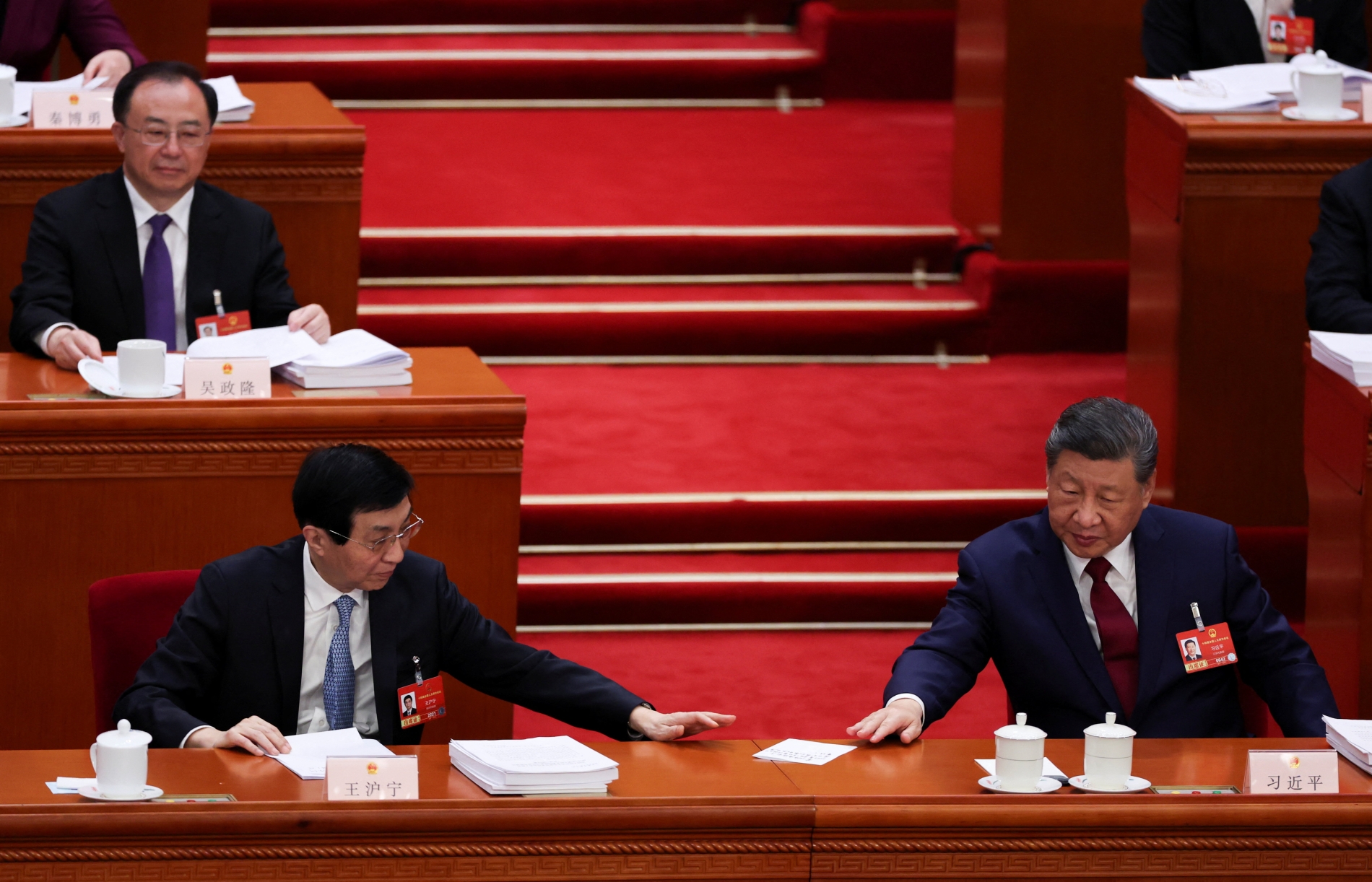
Reuters
Chinese President Xi Jinping hands a document to Wang Huning, Chairman of the Chinese People's Political Consultative Conference, at the National People's Congress at the Great Hall of the People in Beijing on 5 March 2026.

Shaping the country

Wang was key to Jiang Zemin's theory of the 'Three Represents,' which was formally incorporated into the Party's constitution in 2002. The doctrine supplied the theoretical basis for admitting entrepreneurs and capitalists into the Communist Party. Under Hu Jintao, Wang was credited with helping to develop the Scientific Outlook on Development, adopted by the Party in 2007. This addressed the adverse effects of the economic boom by emphasising balance and sustainability.

Xi Jinping translated Wang's ideas on the centrality of the Party, the revival of nationalism, institutional reform, the enforcement of law, and the restoration of confidence in traditional Chinese culture into policies and legislation that would determine China's course. Wang helped formulate Xi's 'Thought on Socialism with Chinese Characteristics for a New Era,' which was formally written into the Party constitution in 2017.

By the time the Party convenes its 21st National Congress in 2027, Wang will be 72, the conventional retirement age for senior party officials. He will have spent three decades guarding the ideological throne of a rising China. Xi Jinping's policies have undoubtedly been shaped by Wang's ideas. Whether they are mature enough to endure without their architect remains to be seen.

Xi translated Wang's ideas on reviving nationalism, institutional reform, and restoring confidence in traditional Chinese culture into policy and legislation.

Steady ascent

These ideas led some observers to portray Wang as the intellectual architect of a model of 'modernity without political liberalism'. For decades, the book remained largely confined to elite circles of political thought, but events such as the global financial crisis (2008-09), the rise of Donald Trump (2016-17) and the storming of the US Capitol (2021) led to its rediscovery. Here were the internal contradictions within the American model that Wang had written about years earlier. Wang therefore came to be seen by many in China as the theorist who had provided the intellectual key to the end of 'the American century'.

Jiang Zemin had first summoned him to Beijing in 1995, his first experience of the corridors of power. He was appointed head of the Political Affairs Department at the Central Policy Research Office, the Communist Party's leading centre for policy expertise, research and ideological formulation. In 2002, he was promoted to director, responsible for drafting official speeches and formulating state doctrine. He remained in the post throughout Hu Jintao's reign and into the early years of Xi Jinping's.

During Jiang's final years in power, Wang accompanied the president on foreign visits. Jiang even mentioned him to Bill Clinton in 1998, as the two leaders met in Beijing to discuss Western and Eastern systems of government. Midway through Hu Jintao's tenure, Wang won a huge promotion to the Secretariat of the Communist Party's Central Committee, placing him within the inner sanctum.

When Xi Jinping came to power in 2012, Wang was elevated even further, to the Politburo, making him one of China's 24 most senior leaders. Following the Party's 19th National Congress in 2017, he made a rare and historic advance into the seven-member Politburo Standing Committee, the apex of China's power structure. This was renewed in 2022, when he also became chairman of the Chinese People's Political Consultative Conference, a senior state position with a highly sensitive remit that includes national cohesion, Taiwan, and Hong Kong.

Reuters
Chinese President Xi Jinping hands a document to Wang Huning, Chairman of the Chinese People's Political Consultative Conference, at the National People's Congress at the Great Hall of the People in Beijing on 5 March 2026.

Shaping the country

Wang was key to Jiang Zemin's theory of the 'Three Represents,' which was formally incorporated into the Party's constitution in 2002. The doctrine supplied the theoretical basis for admitting entrepreneurs and capitalists into the Communist Party. Under Hu Jintao, Wang was credited with helping to develop the Scientific Outlook on Development, adopted by the Party in 2007. This addressed the adverse effects of the economic boom by emphasising balance and sustainability.

Xi Jinping translated Wang's ideas on the centrality of the Party, the revival of nationalism, institutional reform, the enforcement of law, and the restoration of confidence in traditional Chinese culture into policies and legislation that would determine China's course. Wang helped formulate Xi's 'Thought on Socialism with Chinese Characteristics for a New Era' which was formally written into the party constitution in 2017.

By the time the Party convenes its 21st National Congress in 2027, Wang will be 72, the conventional retirement age for senior party officials. He will have spent three decades guarding the ideological throne of a rising China. Xi Jinping's policies have undoubtedly been shaped by Wang's ideas. Whether they are mature enough to endure without their architect remains to be seen.

font change

Related Articles