El Kamhawi’s new novel uses fantasy to escape tragedy

The Egyptian novelist’s new book prompts a deeper meditation on life, death, and the possibility of renewal

Aliaa Abou Khaddour

El Kamhawi’s new novel uses fantasy to escape tragedy

From its opening lines, Contrary to What Came Before, the new novel by Egyptian writer Ezzat El Kamhawi, does not seem especially promising. For readers familiar with El Kamhawi’s What Sami Yacoub Saw, published some seven years earlier, it may initially seem like little more than a continuation of old stories.

The surprise, however, is that the novel carries its author and reader into wider territories, moving beyond storytelling toward reflection and an interrogation of diverse human experiences. Published by Al Dar Al Masriah Al Lubnaniah, it moves at times between city and countryside, and at others between the struggles of the powerful and wealthy and those of ordinary and marginalised people.

Throughout, the novel presents these situations with impartiality, making the reader a participant in their details and placing them in the midst of these problems without offering miraculous or ready-made solutions.

The narrative follows Sami Yacoub as he leaves Cairo after a period of voluntary seclusion at home. His retreat follows a painful encounter with security officers who stopped him and searched his phone, triggering memories of his father and brother, who died during the 2011 revolution.
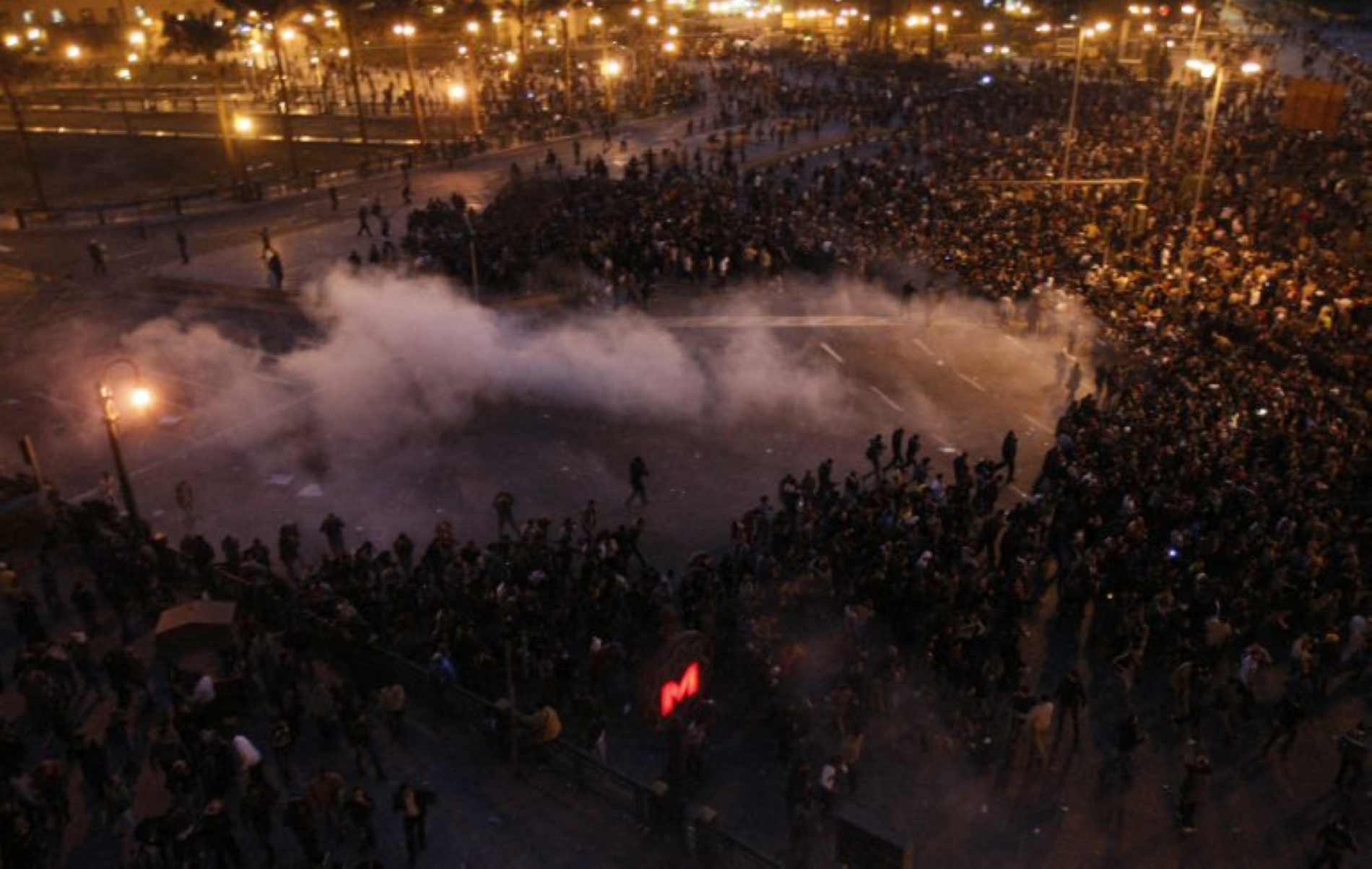
MOHAMMED ABED / AFP
Egyptian demonstrators protest in central Cairo on 25 January, 2011, calling for President Hosni Mubarak's ouster and demanding political reforms.

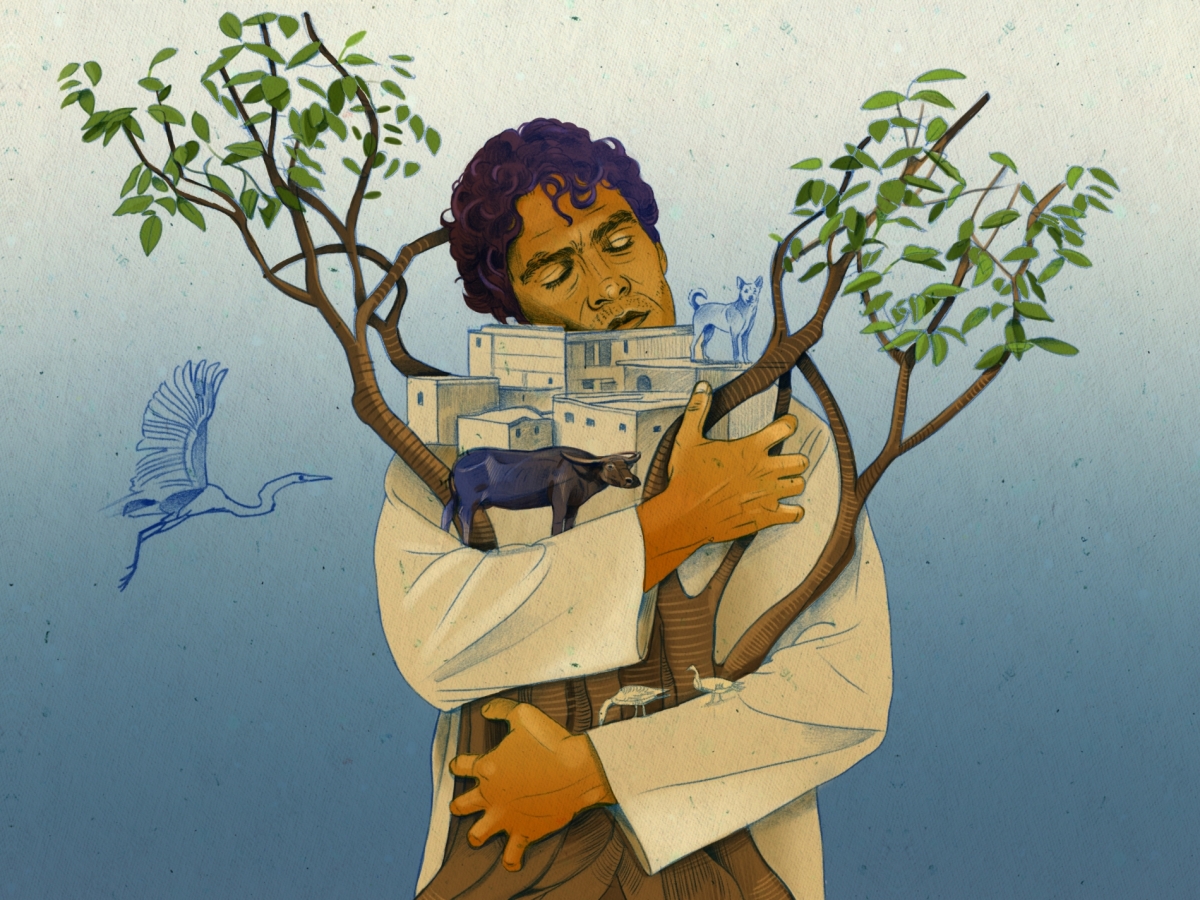
Sami leaves this behind and travels to Tell al-Masakhit, where he settles in his grandfather’s villa in the hope of living a different life. There, however, problems and catastrophes begin to close in around him, which he meets with indifference.

“Who would leave this paradise?” This is the first question that enters Sami’s mind when he first encounters the place, and it also captures his initial feeling towards it. Distancing himself from the clamour of the city and its world of anxiety and confusion seems to offer him an opportunity to reclaim his life.

The rural environment, his closeness to more elemental forms of life and even his participation in the animals’ daily existence all seem to give him this feeling. It may also be the novel’s first question, quietly and simply entering the reader’s consciousness: can life truly exist elsewhere?

Details as a means of survival

What had Sami been suffering from in Cairo? Was his fundamental problem the loss of the dream and the revolution? Was it the ‘anxiety’ that had become a disturbing obsession, particularly after the security search left him feeling that his life was in danger? Or was it connected to his beloved Farida, whom he wishes to marry despite the difficulties in his way?

Sami carried all this, and perhaps more, in the earlier novel. He gradually sheds these burdens by changing his surroundings and entering the rural world, with all the hope, promise, and clarity it appears to offer. There, the protagonist seems completely transformed. The reader soon discovers, however, that Sami has replaced anxiety and bewilderment with a measure of contemplation and confrontation. He marries Farida and brings her two daughters and father to live with them in the manor-like villa that resembles the paradise he had imagined.
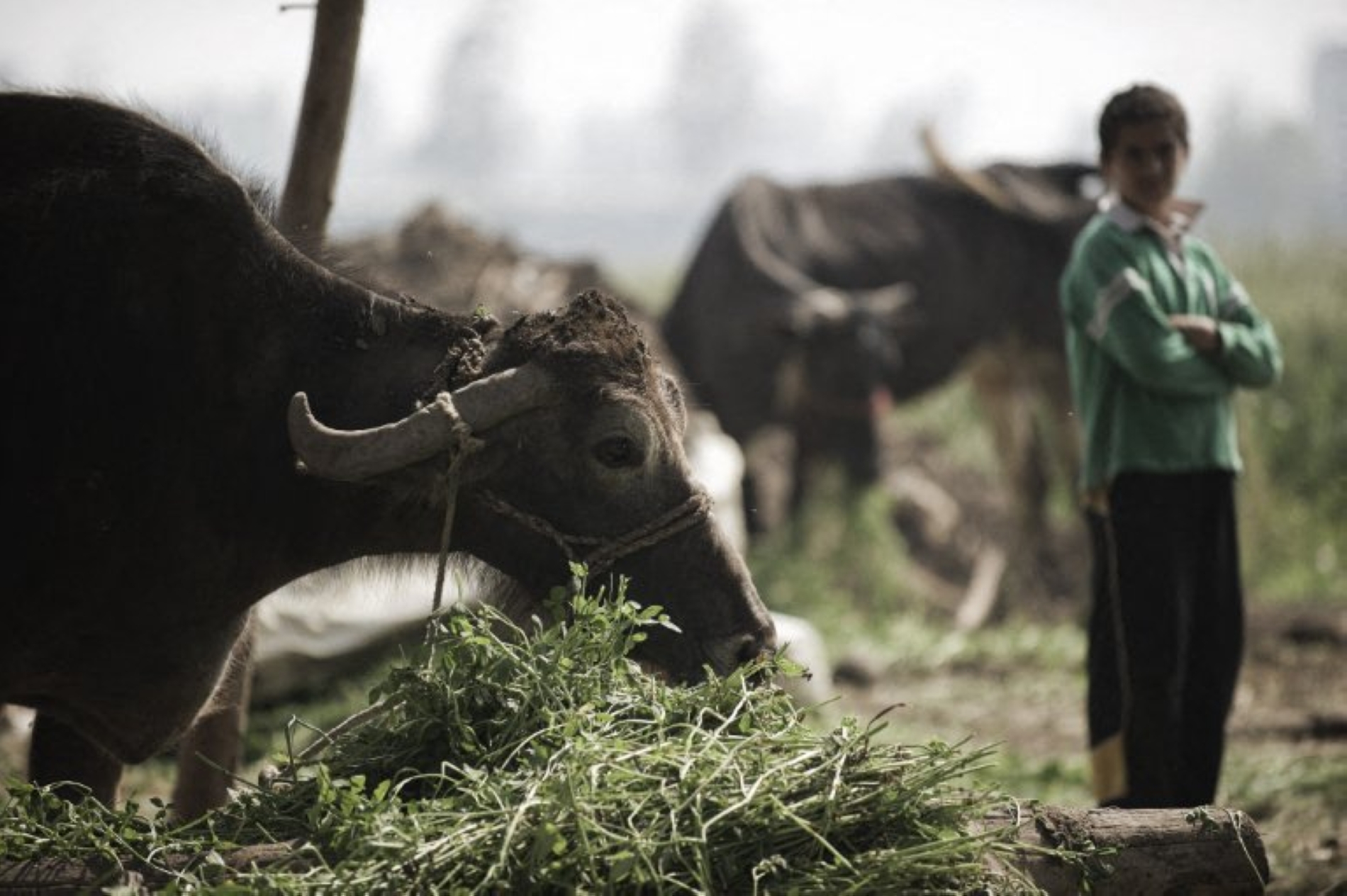
The story moves between city and countryside and the struggles of the powerful and wealthy and those of ordinary and marginalised people.

The novel introduces a rich array of characters. Among them is Umm al-Ghulam, the owner of a farm and orchard, who, we learn, sent her son to ensure that Sami received his rightful share of the land. We also encounter figures who sympathise with Sami and help him, including Salah and Kamel, as well as Hamada, his Nubian assistant. The narrative also portrays the corrupt Amin Askar, who seeks to acquire a plot of land by any means available. Several women, including Naama and Rifqa, enter the story more quietly.

Despite the number and richness of the characters on the farm and manor, the novel does not confine itself to their world. Animals also have a significant presence. Sami brings them to the farm, carefully raises them, and learns through them a series of lessons about life, from the way they are selected to the demands of caring for them and keeping them alive. From chickens and goats to camels, he observes the animals, becomes attached to them and strives to preserve their lives. Some nevertheless die, and the experience is initially harsh. Yet contemplating these details and immersing himself in them changes the way he thinks. It also allows the reader to reconsider our relationship with life and the animals that sustain it amid so much death.

Politics, the relationship with authority, and their consequences surface intermittently throughout the novel. They are especially evident in the writer's subtle references to the relationship between peasants and the land, as well as the agrarian reform programme introduced by Gamal Abdel Nasser in the 1960s and its damaging effects on people's lives. The landowning pashas sought to resist and circumvent the new system by voluntarily granting their land to the peasants. Yet matters do not remain settled. Others emerge who covet the land and farms and seek to seize what is not rightfully theirs, sometimes through the law and at other times through fraud.

GIANLUIGI GUERCIA / AFP
An Egyptian boy stands beside cattle at a farm in Ezbet al-Galayla, on the outskirts of Berket al-Sabaa village in Egypt's Nile Delta province of Al-Minufiyah, on 23 March, 2012.

As Sami reflects on the situation and attempts to free himself from his troubles, the January Revolution returns once more, like a spectre from which he cannot escape: "If freedom of thought is not an article of faith for a majority capable of defending it, then a revolution amounts to no more than an uprising. Even if it produces the finest constitutions, they will soon become sheets of paper worth less than the ink with which they were written."

The preoccupation with death

Death appears differently in this novel. More generally, it seems to be a persistent preoccupation throughout El Kamhawi's writing, no matter how far a particular work may seem from the subject of death. A reader approaching a novel called It Is Enough That We Are Together might assume it is a dreamlike romantic novel, only to discover that death is woven into its details. The protagonist reaches the age of 60 without having loved, until a young woman enters his life, upends his assumptions and leads him to contemplate love and marriage, while the spectre of death looms in the distance.

In his short-story collection The Sky, Imminently, death appears in different forms. An elderly couple who have grown old together find life beginning to smile upon them once more near the end of their lives. Elsewhere, a man accompanies a colleague to his final resting place, prompting him to reflect on life, death, and the traces a person leaves behind. Other stories approach death and question it cautiously.

What distinguishes death's presence here is the confrontation El Kamhawi creates between his protagonist and the dead. In the villa, he brings the dead before Sami with remarkable simplicity and without anxiety or fear. The first time, Sami awakens to the voice of his brother, with the mark of the bullet still visible on his head. Later, his father appears, followed by his grandfather and others.

Fantasy gradually permeates the narrative. It becomes the protagonist's main escape from the crises and problems he faces.

In this way, and despite the novel's abundance of realistic detail, fantasy gradually permeates the narrative. It becomes the protagonist's main escape from the crises and problems he faces. It also lets him reconnect with a family that seems essential to the sense of security he has lacked in his life. At the same time, it invites the reader to contemplate the life that everyone clings to, struggles over, and fights to preserve,  even though it can end suddenly in a single, mysterious moment.

It is worth noting that El Kamhawi, the journalist and writer whose name has been associated with cultural pages and specialist literary magazines such as Akhbar al-Adab and Al Doha, grew up in the village of Mit Suhail in Sharqia. That rural environment shaped him and influenced his sensibility early in life.

When he left journalism in 2015, he returned to his family's farm, believing that he would devote himself entirely to his literary projects. Instead, he found himself immersed in a different, difficult experience: raising animals and struggling to keep them alive.

For this reason, many of the novel's scenes and details reveal a striking convergence between the author and his protagonist, particularly in relation to farm life and their relationship with animals. El Kamhawi discusses this connection in his book I Try, an account of his relationship with writing. There, he reveals the motivations behind the novel and the lived experience that led him to bring Sami back to life and write Contrary to What Came Before.

font change