

Al Majalla focused on the US-Iran negotiations to reopen the Strait of Hormuz as last week’s cover story. For his part, Alex Vatanka penned a piece titled Washington's war, Tehran's waiting game. In it, he says, “The US is betting that a sustained blockade can force Iran to make concessions on Hormuz. Iran is betting that rising economic pressure from the strait's closure will force the US to blink first.” For his part, Abdelrahman Ayas looks at the economic impact. “Any agreement that restores traffic through the strait will bring much-needed relief to the global economy, but repairing the damage wrought by war—and restoring confidence—will take far longer,” he writes.
For his part, Christopher Phillips asks: Is multipolarity helping or hindering Iran? Read his piece to find out. Meanwhile, Al Majalla also profiles the new Iranian war cabinet, explaining what the appointments say about the Islamic Republic's future direction.
Branching out, Zaid bin Ali al-Fadhi writes on the new Saudi-Turkish-Pakistan alliance, arguing that the choice of Mecca, the holiest city in Islam, as the venue sends a clear message about its intentions. And five years after America’s humiliating withdrawal from Afghanistan, Ibrahim Hamidi writes that: “Unlike the Taliban approach with the US, Sharaa’s approach in Syria was one that distinguished between victory and vengeance— between hostility towards Assad and relations with Russia.” Meanwhile, Haid Haid explains why Syria's new bylaws are a good step forward, but warns they be exploited if parliamentary leadership uses its extensive powers to limit scrutiny of the executive branch.
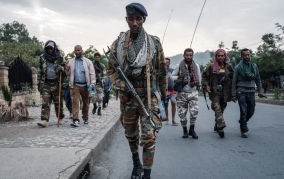
And Amr Emam looks at the possible reasons why Ethiopia’s volatile Tigray region has erupted yet again in violence, pointing out that supporters of the region’s warring parties are as close as next door and as far away as Israel. And this week in Profile, Kamal Alam pens a piece titled Tucker Carlson: America’s right-wing insurgent-in-chief. “The former Fox News presenter, who now wields more influence over US politics than he did at the network, has become one of Trump’s staunchest critics, in part over Israel,” he says.
Back to business and economy, Abdul Fattah Khattab explains Why cotton fibres could be key in the global arms race, writing: “War is driving demand for munitions, and the fibres from cotton seeds are used to produce artillery shells. With only a few producers, demand is soaring.” And finally, in Culture, Fadi El-Abdallah traces the evolution of Taqāsīm, the solo improvisation musical form indigenous to the Middle East, while Noureddine Bassaadi explains how the advent of technology and social media has hindered, but also helps preserve, Amazigh oral traditions in Algeria.
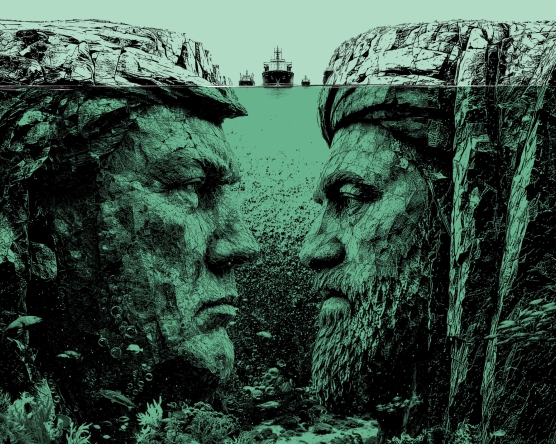
Trump and Mojtaba: the Hormuz negotiations
Al Majalla offers political and economic analysis about how we got here and what the future may hold
 Politics
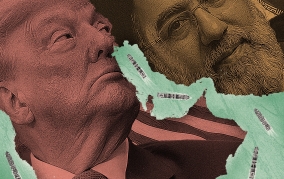
Washington's war, Tehran's waiting game
The US is betting that a sustained blockade can force Iran to make concessions on Hormuz. Iran is betting that rising economic pressure from the strait's closure will force the US to blink first.
 Politics
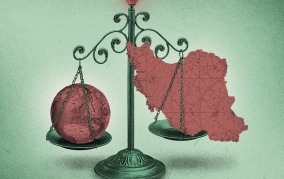
Is multipolarity helping or hindering Iran?
A bit of both. It enabled its rise as a regional power, then helped weaken it, and may now help prevent its complete defeat.
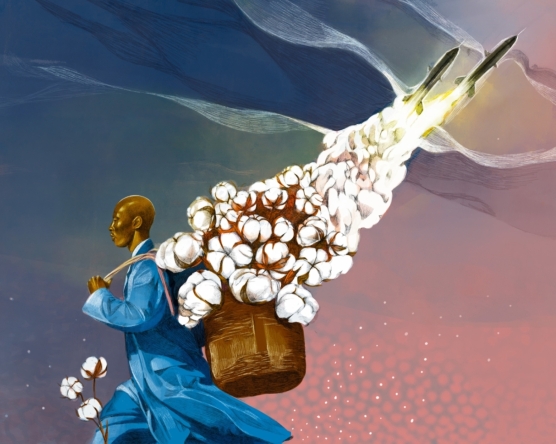
Why cotton fibres could be key in the global arms race
War is driving demand for munitions, and the fibres from cotton seeds are used to produce artillery shells. With only a few producers, demand is soaring.
Abdulfattah KhattabMecca diplomacy and the New Middle East
Zaid bin Ali al-FadhilDamascus and Kabul: how great powers are defeated
Ibrahim HamidiSyria’s parliament can only be as strong as its leadership allows
Haid Haid Culture & Social Affairs
The art of Taqāsīm: dividing time and charging silence
Al Majalla traces the evolution of the solo improvisation musical form indigenous to the Middle East region
 Culture & Social Affairs
Preserving Amazigh heritage: from oral tradition to AI
The spoken word has kept a key component of Algeria's social mosaic alive for generations, but now technology is stepping in to do the heavy lifting
 Profiles
Tucker Carlson: America’s right-wing insurgent-in-chief
The former Fox News presenter, who now wields more influence over US politics than he did at the network from 2009-23, is now a vehement critic of Trump in recent months, in part over Israel
 Politics
Why clashes in Ethiopia’s Tigray region are ominous
Both the government in Addis Ababa and armed Tigrayan independence fighters have their supporters, from as near as next door to as far away as Tel Aviv
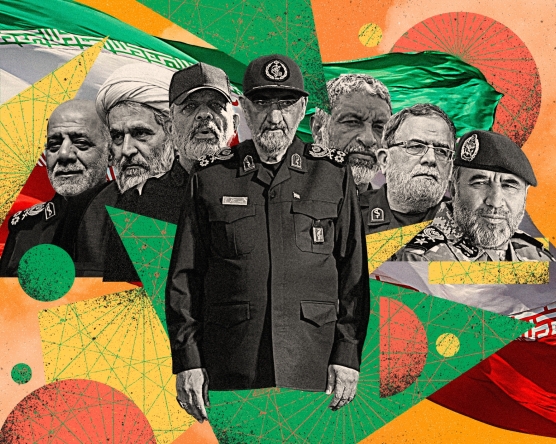
Iran's new war cabinet is really an old one
The appointments show how Tehran is drawing lessons from successive wars and preparing for a prolonged period of insecurity
