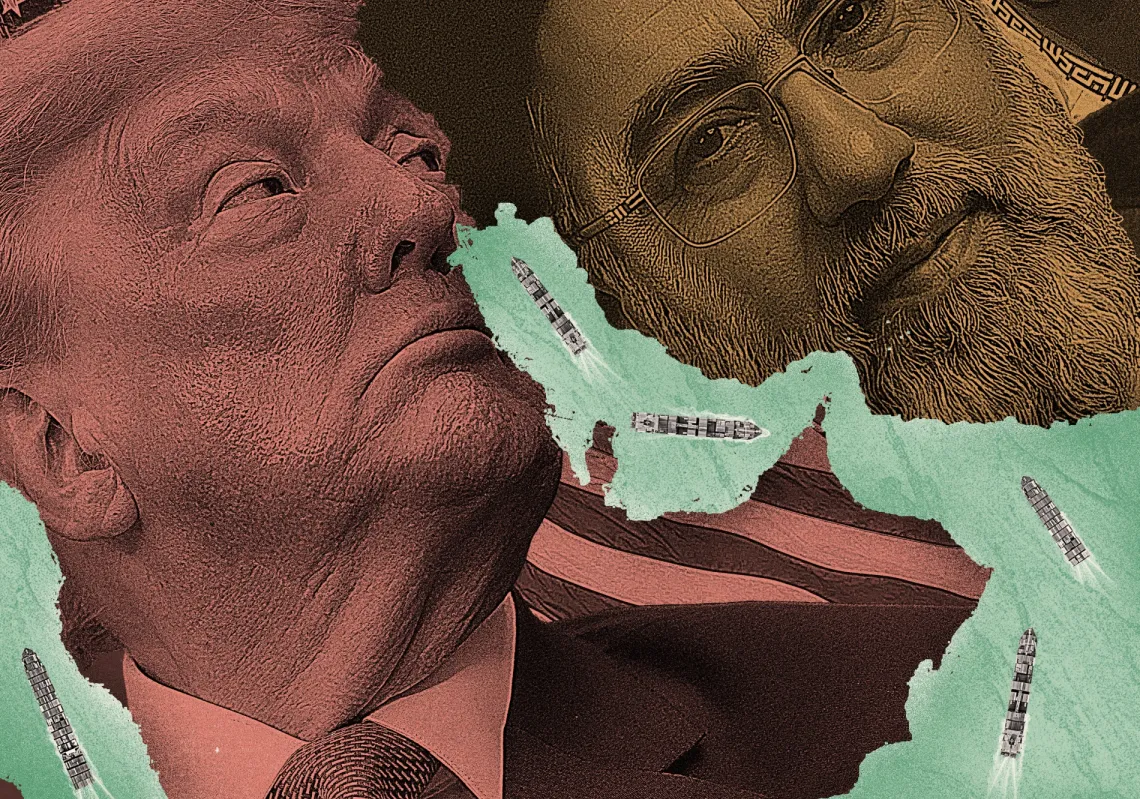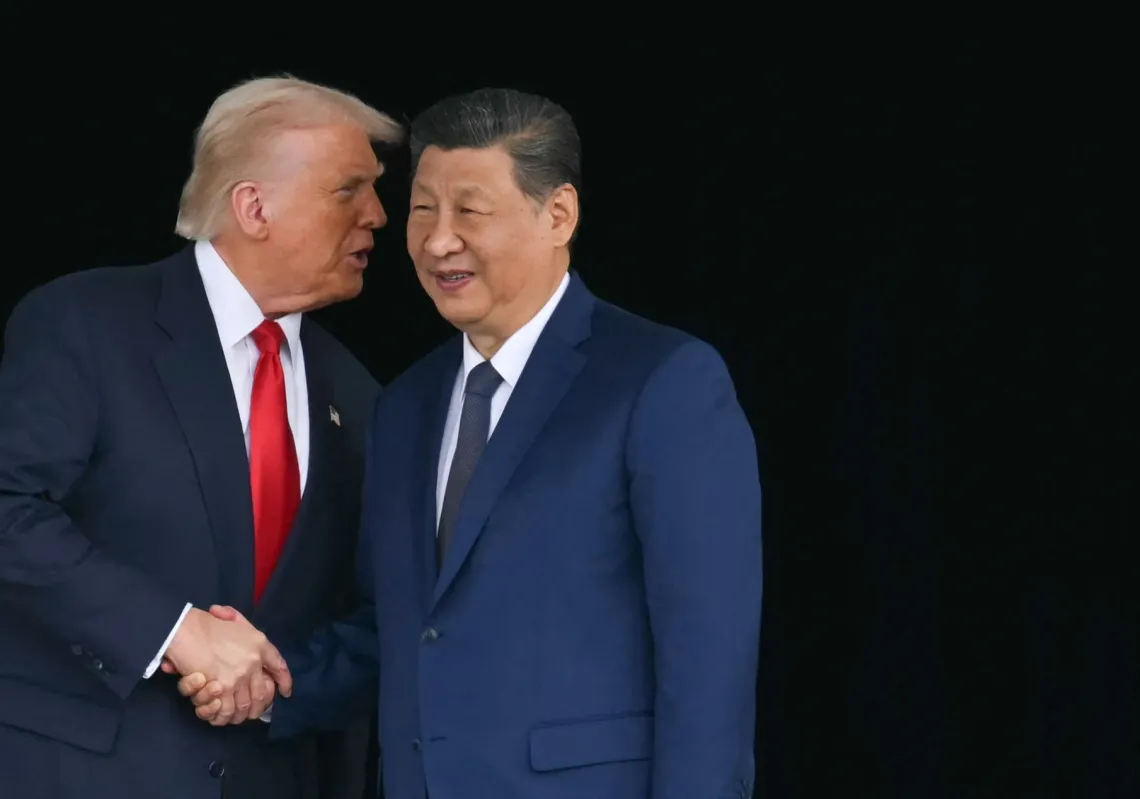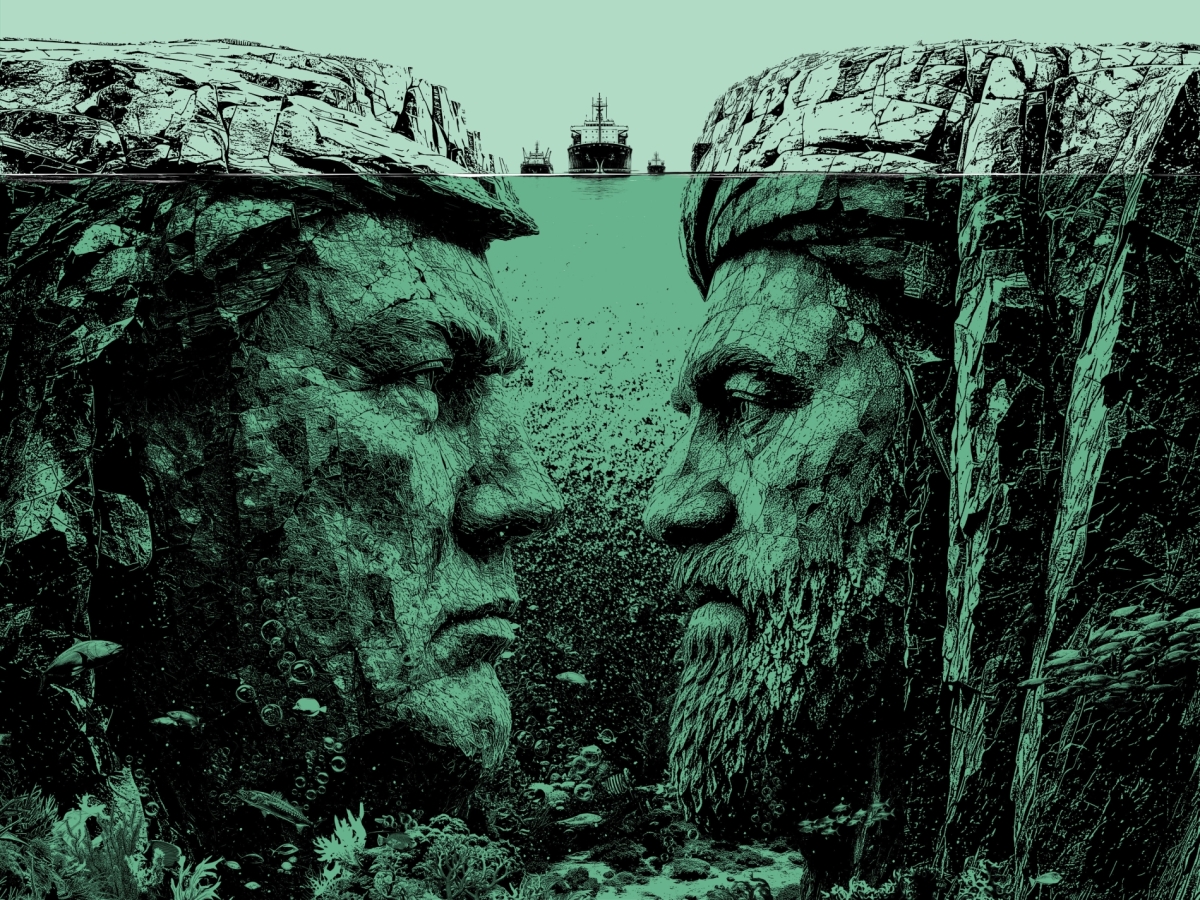

With US President Donald Trump’s grand objectives for his war on Iran unrealised, he now appears to be trying to negotiate a way out. While months of US strikes on Iran, the assassination of its key leadership, and a naval blockade on its oil exports succeeded in inflicting a steep human, economic and infrastructural toll on the country, it failed to topple the government, eliminate its nuclear or ballistic missile programme, or get it to abandon its regional allies.
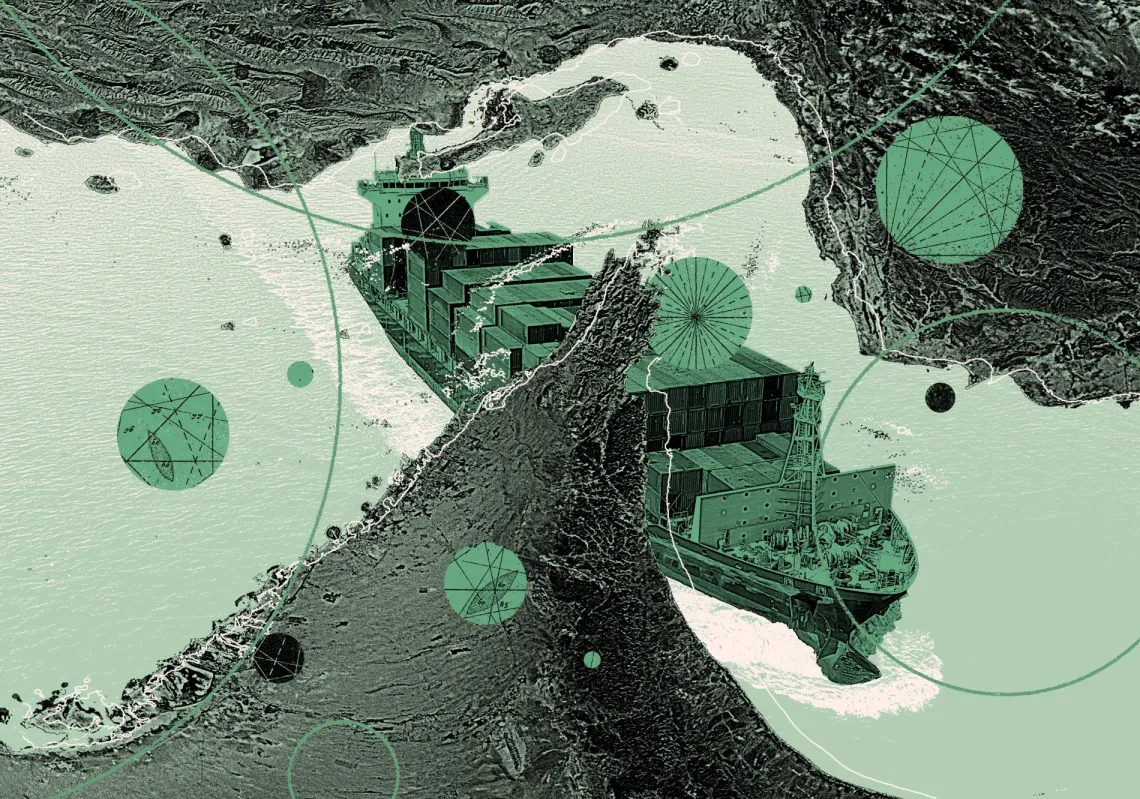
As a result, the focus of negotiations has shifted to the Strait of Hormuz and agreeing on a deal to reopen the vital waterway where around 20% of the world’s energy passes through. Trump is betting that sustained sanctions and a blockade on Iran will place enough economic pressure on it to make concessions. For its part, Tehran is banking on the rising cost of the war and energy prices to pressure Trump ahead of November’s midterm elections into making a deal favourable to Iran.
Against this backdrop, indirect US-Iran negotiations may not only determine the fate of the strait, but also the state of relations between the two long-standing enemies. If reached, will a deal finally bring an end to the US-Iran war, or will it pave the way for another round of conflict? Given how much is at stake, Al Majalla chose this topic as its weekly cover story, offering political and economic analysis about how we got here and what the future could have in store.
Read more:
1. Washington's war, Tehran's waiting game by Alex Vatanka
2. Is multipolarity helping or hindering Iran? by Christopher Phillips
3. As the US and Iran spar over Hormuz deal, the world waits with bated breath by Abdel-Rahman Ayas