Preserving Amazigh heritage: from oral tradition to AIhttps://en.majalla.com/node/332548/culture-social-affairs/preserving-amazigh-heritage-oral-tradition-ai
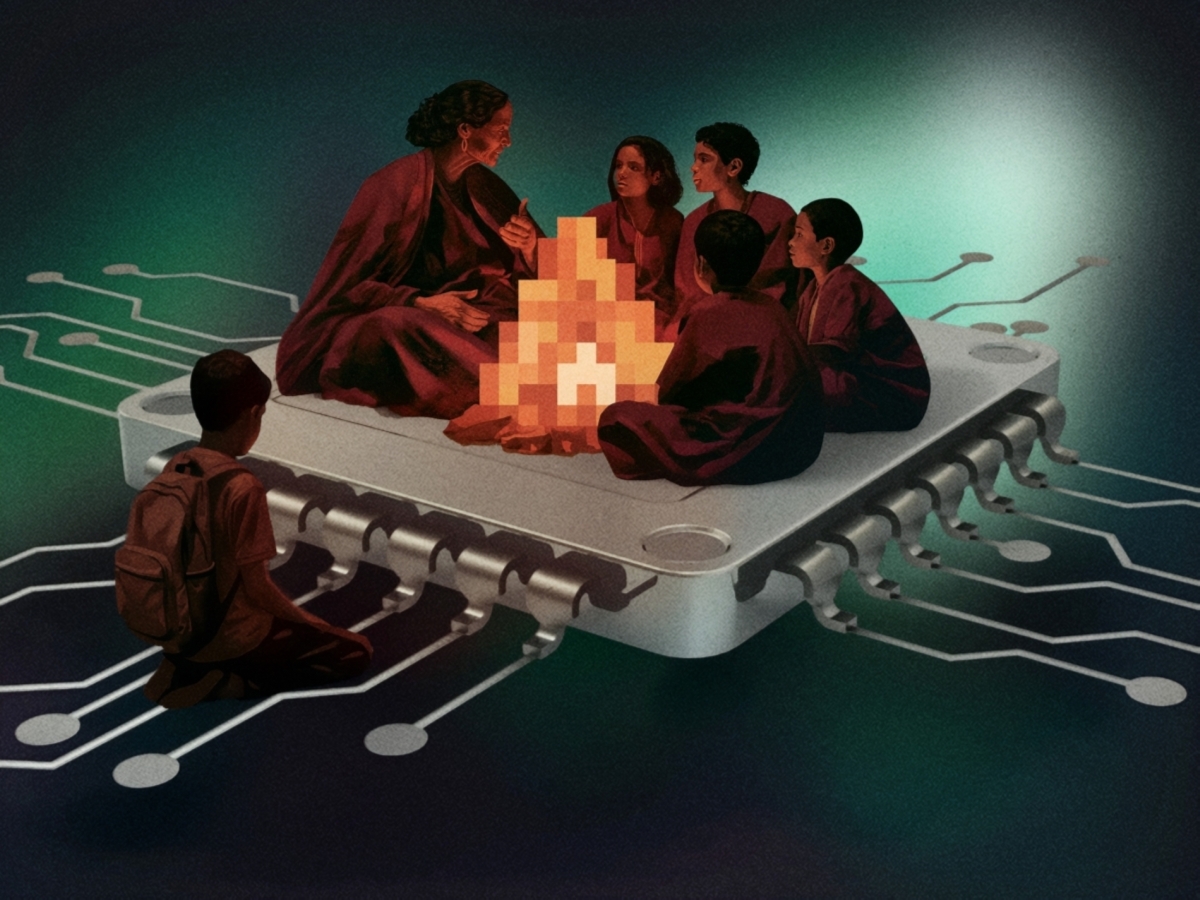
In many Amazigh homes across Algeria, children would gather at night around a grandmother or another elder to listen to tales of heroes and legends, proverbs that distilled generations of experience, and songs that accompanied harvests and weddings. These gatherings were more than just a fun activity—they were spaces of learning, where language, values, history and identity passed from one generation to the next in a society that, for centuries, relied on the spoken word as one of its principal means of preserving memory.
Unfortunately, social change and modern lifestyles have made these gatherings increasingly rare, putting these oral traditions at risk of becoming extinct as elders pass away. Luckily, technology has stepped in to fill this void and rescue this endangered heritage.
Oral tradition is an essential strand of Algeria’s cultural memory, encompassing a wide range of storytelling forms, such as folktales, poetry, songs, proverbs, riddles, elegies and prayers, alongside traditional knowledge relating to agriculture, folk medicine and the management of natural resources.
In Kabylia, a mountainous coastal region in northern Algeria, folktales flourished, interweaving myth, wisdom and human experience. One of the most popular is Lunja n Terye, or Lunja, Daughter of the Ogress. The legend tells of a beautiful and kind-hearted girl, the daughter of an ogress, who belongs to the supernatural realm yet differs from her mother in the humanity of her heart. The story follows the adventures of a hero seeking to reach her, in a narrative in which courage and ingenuity triumph over the forces of evil.
In the Aurès region of eastern Algeria, oral poetry and collective chants played a key role in recording events and celebrating local acts of heroism. In M'zab and the Sahara Desert in central Algeria, oral storytelling was closely bound to the particular character of the desert environment and to Tuareg ways of life and movement, giving rise to varied forms of expression that reflect the diversity of the Amazigh experience in Algeria.
This heritage also served important educational and social purposes. Through proverbs and stories, children learned the meaning of courage, honesty, solidarity and respect for their elders. Social occasions, from weddings to seasons of communal labour, each had their own unique songs that often echoed historical events and memories of resistance.
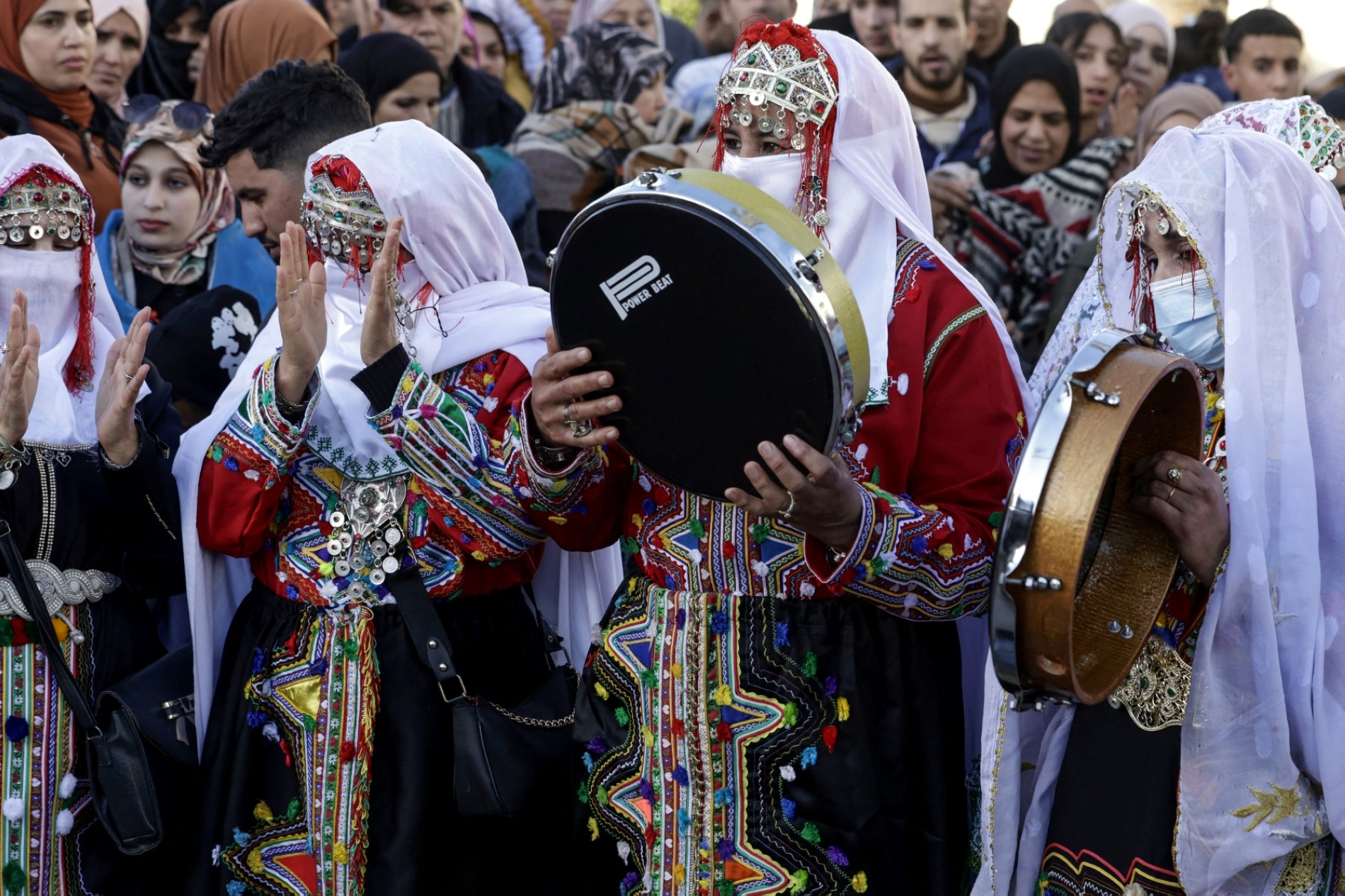
Amazigh women wearing traditional attire participate in Amazigh New Year celebrations.
Women's key role
Women played a crucial role in keeping this tradition alive. The mother or grandmother was often the family’s first storyteller, passing tales on to children and preserving songs associated with different stages of life, including birth, marriage, work and social occasions.
They not only preserved the stories but also safeguarded how they were told and the social settings in which they were told, through tone of voice, rhythm, and interaction with listeners. This demonstrates the complexity of the tradition—one that is not just about telling stories but sits within an entire ecosystem that gives these stories that much more meaning and significance.
When the power of oral storytelling meets the promise of modern technology, a heritage threatened with disappearance can be given a new lease of life.
Modernity and the social changes that accompany it have made it increasingly difficult to keep these traditions alive. Urban expansion, the decline of traditional communal life and the advent of new forms of communication have steadily reduced the spaces in which stories, proverbs and songs once circulated.
Social media has also changed the relationship between younger generations and their heritage. Memory once travelled through evening gatherings within the family. Today, it must compete with the rapid flow of digital content. The danger lies not only in losing the words themselves, but also the context that gives them their meaning and value. A folktale is more than a sequence of words; it is a living performance, bound to the storyteller's voice, the audience's response, and the time and place in which it is told.
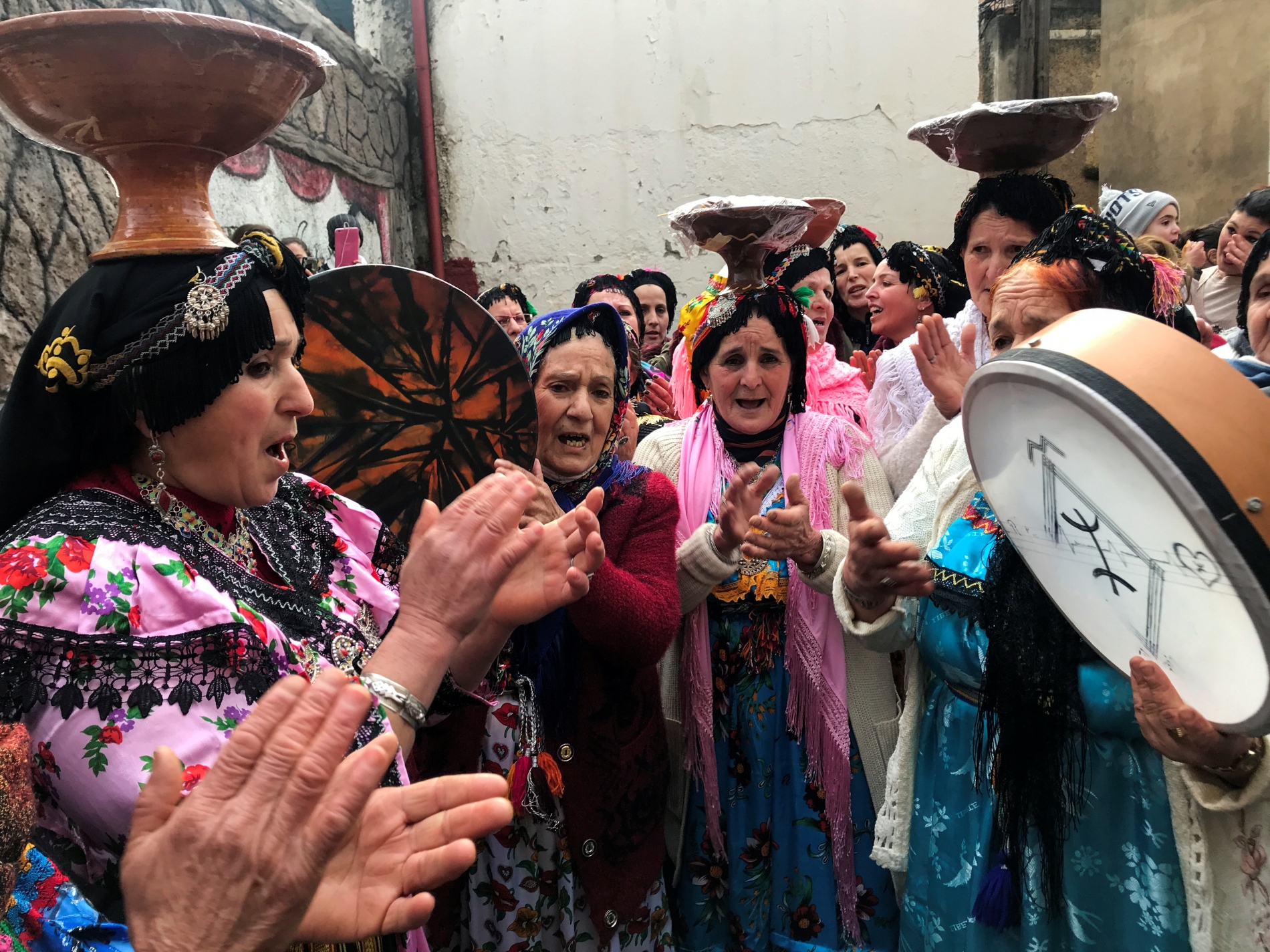
Amazigh women in traditional attire celebrate the Amazigh New Year in the village of Tifilkout, in the Tizi Ouzou province of Algeria.
From threat to preservation tool
But while modernity and the advent of social media have threatened this tradition, technology now plays a key role in preserving it by recording stories, songs, proverbs, and the testimonies of elders, and storing them in audio and visual form for researchers and interested audiences both within Algeria and beyond.
Digitising heritage requires more than accumulating recordings. Rigorous documentation depends on precise information about the storyteller's identity, the region they come from, and the social context in which a particular version emerged. Variations in stories and proverbs from different regions are themselves a critical component of the richness and diversity of this heritage.
In recent years, a growing number of initiatives devoted to documenting Amazigh oral heritage have emerged in universities, research centres, cultural associations, and among local activists. The recognition of Tamazight (the language of the Amazigh people) as a national language and then later as an official language has strengthened interest in this key component of Algeria's cultural memory. Across different regions, researchers and volunteers have recorded elders' accounts, collected stories, songs, and proverbs, and made them available through books, digital platforms, and audiovisual recordings, while seeking to preserve their connection to the communities and environments from which they emerged.
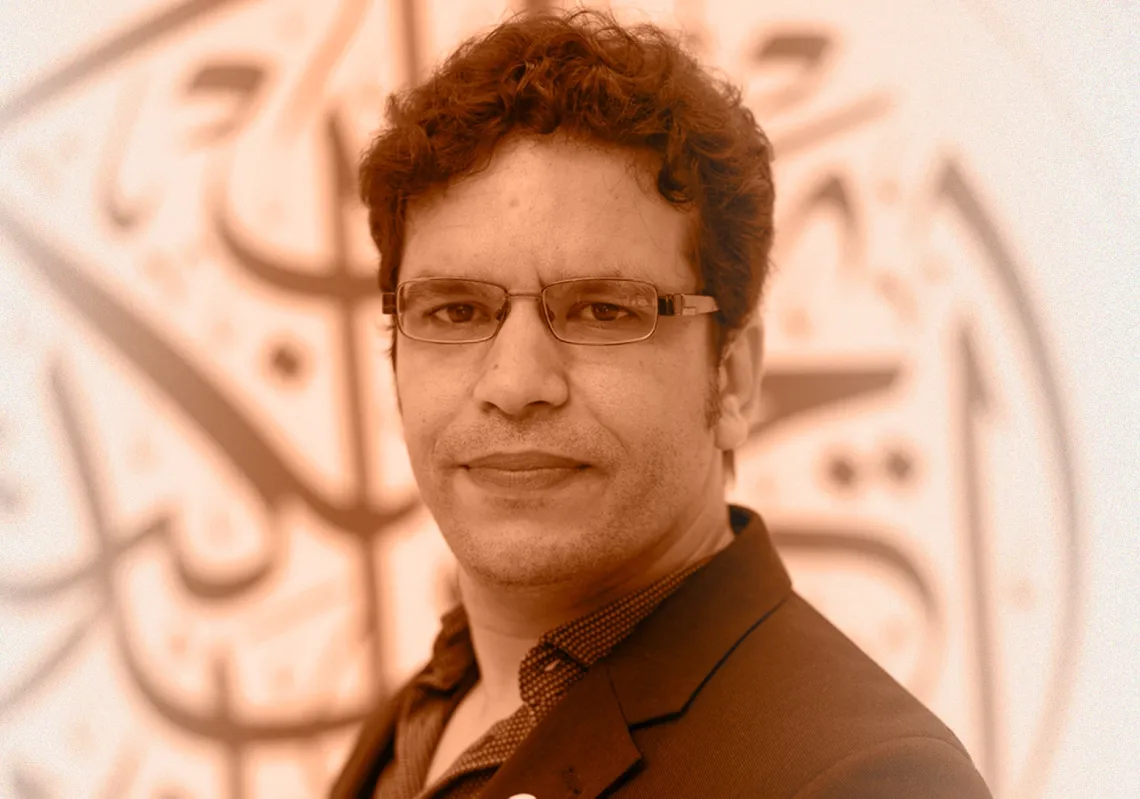
Among those who have chosen to place technology at the service of Amazigh language and culture is the Algerian researcher and software developer Toufik Djeroud. He sees digitisation as a means rather than an end—a way to ensure that this inheritance can be transmitted to future generations. In his view, a significant part of Amazigh heritage has remained lodged in oral memory, making it vulnerable to extinction as time passes and those who carry and transmit it pass away.
Djeroud has developed educational applications for children and young people, including LMED Tamazight (Learn Tamazight), Taqendurt Iw (My Dress) and Awalen Uffiren (Hidden Words). He has also produced a semi-scholastic book in Tamazight and developed a digital game based on Kabyle riddles for TikTok.
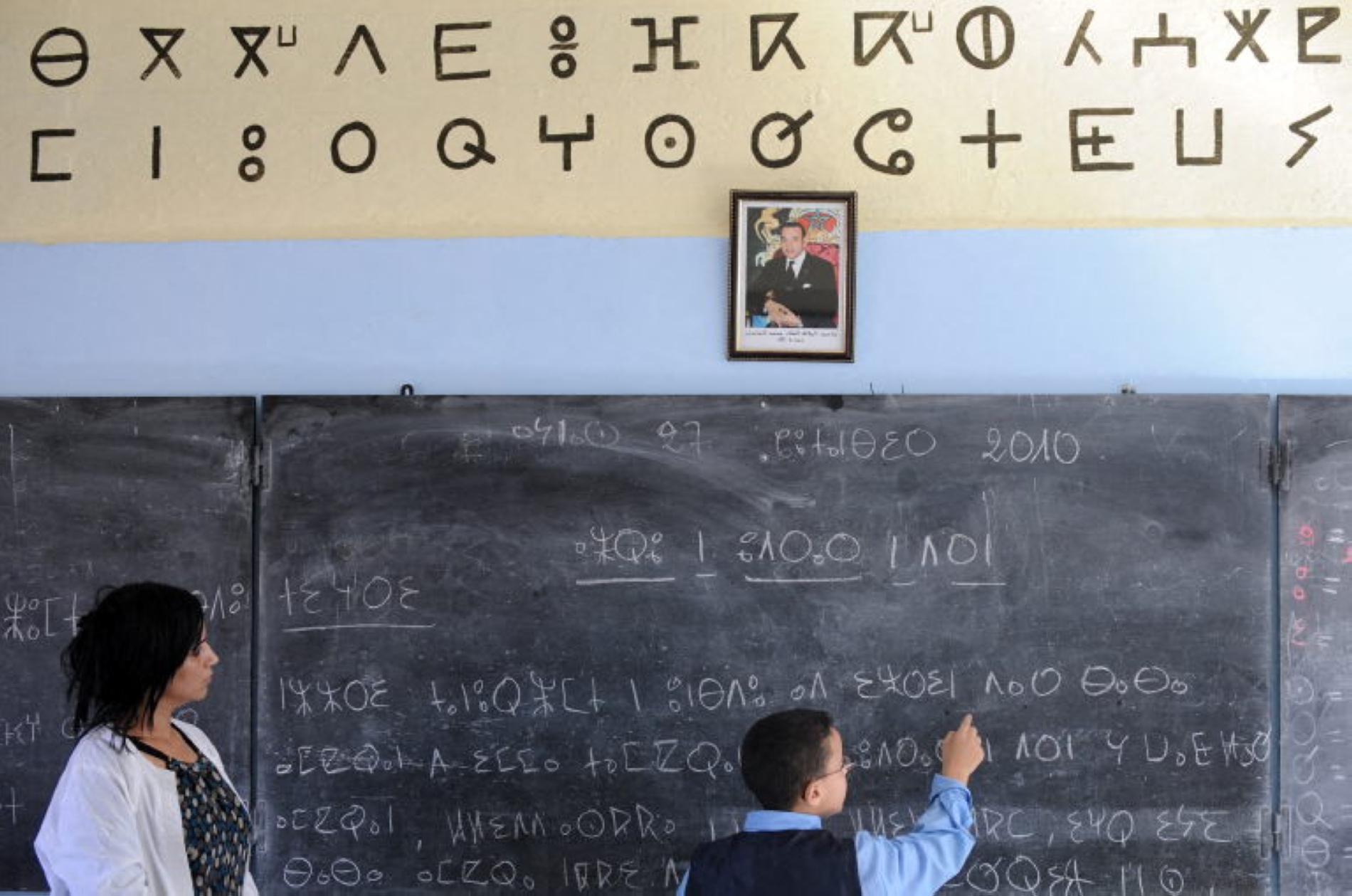
A student writes the Amazigh language, called Tamazight, on a classroom chalkboard.
Some of his projects have received national acclaim, including winning first place in the President of the Republic Award for Amazigh Literature and Language in the category devoted to scientific and technological research and digitisation—a recognition that reflects the growing role of digital innovation in supporting Amazigh language and culture.
This broader effort also includes the work of Dr Yacine Zidane—an education inspector, adviser to the High Commission for Amazighity, and developer of the ATLAS applications and the ADLIS platform dedicated to Amazigh books. For Zidane, digitising Amazigh heritage is part of a broader effort to secure a lasting place for the language in the contemporary digital sphere, extending beyond converting books and documents into electronic files.
He argues that a language unable to establish itself within modern technologies may gradually lose its ability to spread and engage younger generations. In this context, he points to the High Commission for Amazighity's efforts to strengthen Tamazight's digital presence, including developing Unicode-compatible keyboards in both Latin and Tifinagh scripts. These tools have made it easier to produce scientific, educational and literary content in Tamazight.
Zidane also regards the introduction, in 2020, of a "Digitisation and Technologies" category within the President of the Republic Award for Amazigh Literature and Language as an important stimulus for a new generation of developers and researchers using technology in the service of the language. The ATLAS application, which won the President's Award in 2025, exemplifies this approach. Alongside language instruction, it gives users a space in which to explore different linguistic varieties and enables learners from diverse linguistic backgrounds to access Tamazight through multilingual interfaces.
The potential of technology extends beyond archiving and dissemination into scholarly research. Digital dictionaries, linguistic databases, language-processing tools and artificial intelligence can all contribute to developing new resources for teaching, research and the everyday use of Tamazight.
Digitisation, and now the advent of artificial intelligence, are helping secure the future of the Amazigh language by giving it a place within the applications, platforms and digital tools that have become an integral part of life for younger generations. AI is making it easier and quicker to transcribe audio recordings, classify them, link them to particular geographical areas, and build linguistic databases for researchers, teachers, and developers. Such tools can also support the development of electronic dictionaries and improve translation and language-processing technologies to create more sophisticated educational applications.
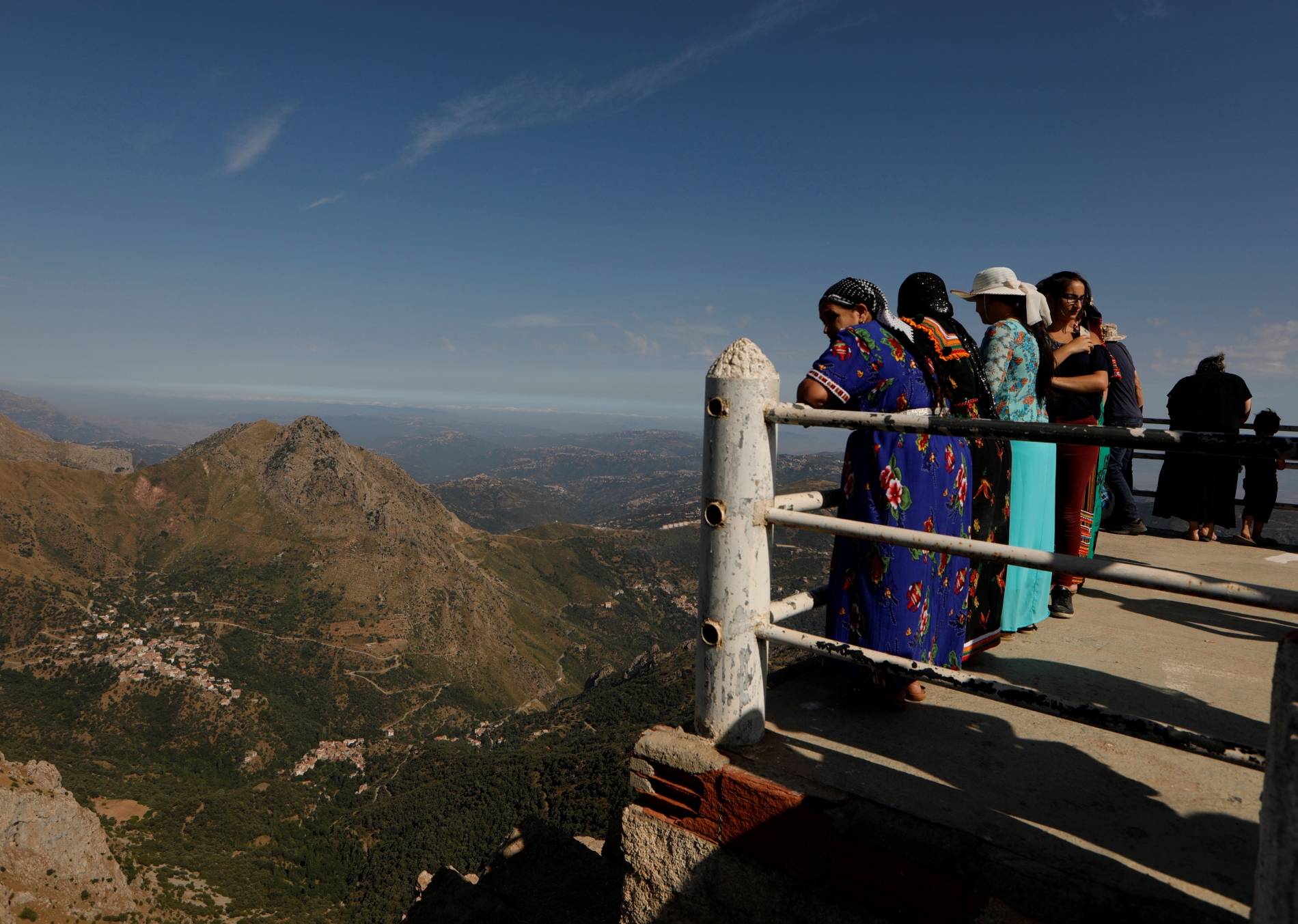
Women from the Amazigh Kabylie region look out over Djurdjura National Park from the terrace of the Azrou N'Thor shrine, located at the summit of Mount Djurdjura in the Tizi Ouzou province of Algeria.
Combined approach needed
Despite technology's increasingly vital role, it cannot preserve Amazigh oral heritage on its own. Because of the interactionary component of this tradition, keeping it alive requires a combined approach: digitising stories and sustaining the social settings in which they live.
Ultimately, the future of Amazigh oral heritage depends on finding the right formula where tradition and technology can co-exist and complement each other. Technology can help store and categorise oral traditions, but it cannot replace the social setting, family and communal bonds, and the human warmth that has sustained this practice for generations.
Here, technology should be used as a tool to preserve—not as a substitute for—living memory. When the power of oral storytelling meets the promise of modern technology, a heritage threatened with disappearance can be given a new lease of life, allowing it to continue shaping identity and binding generations together.