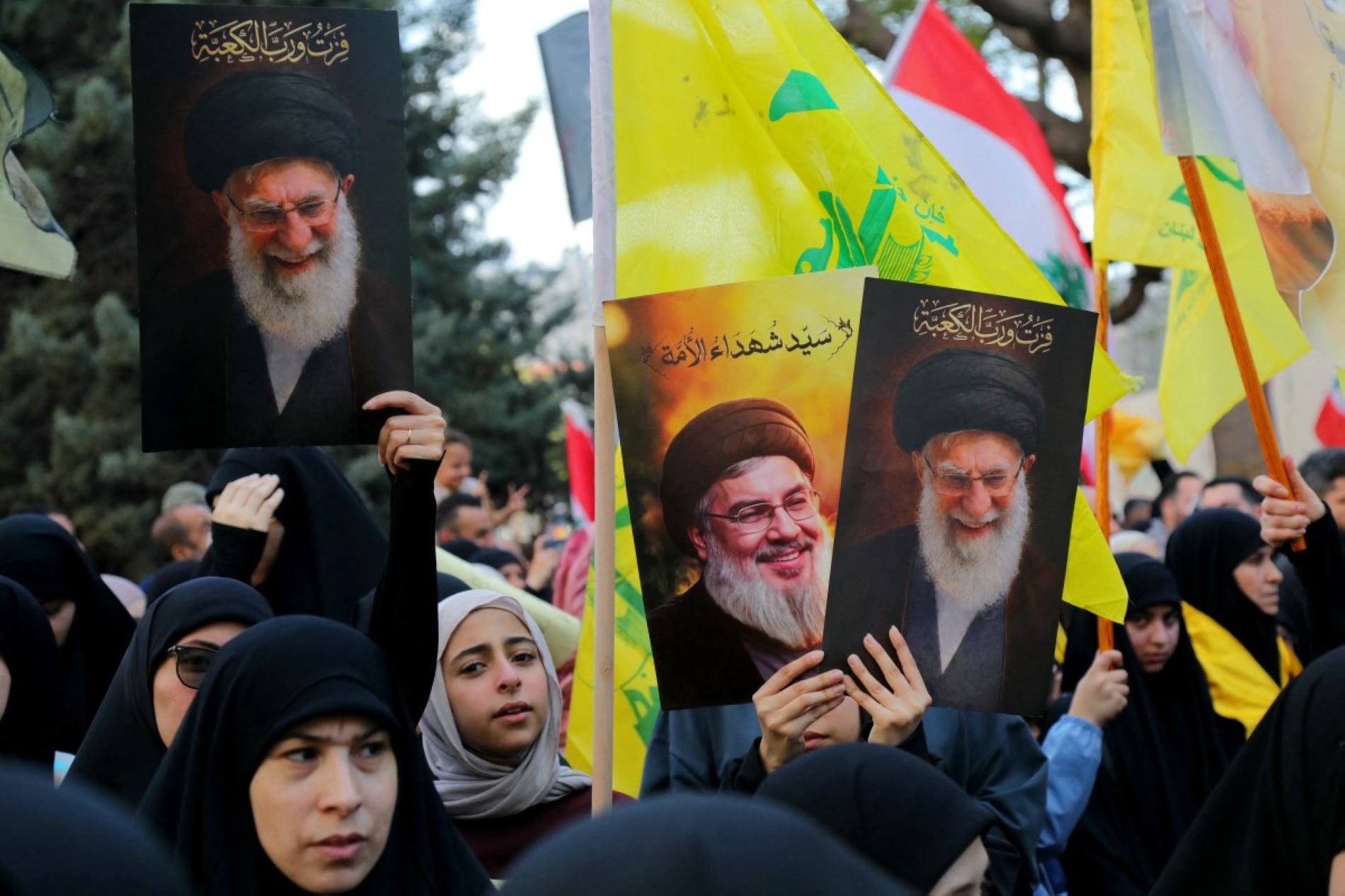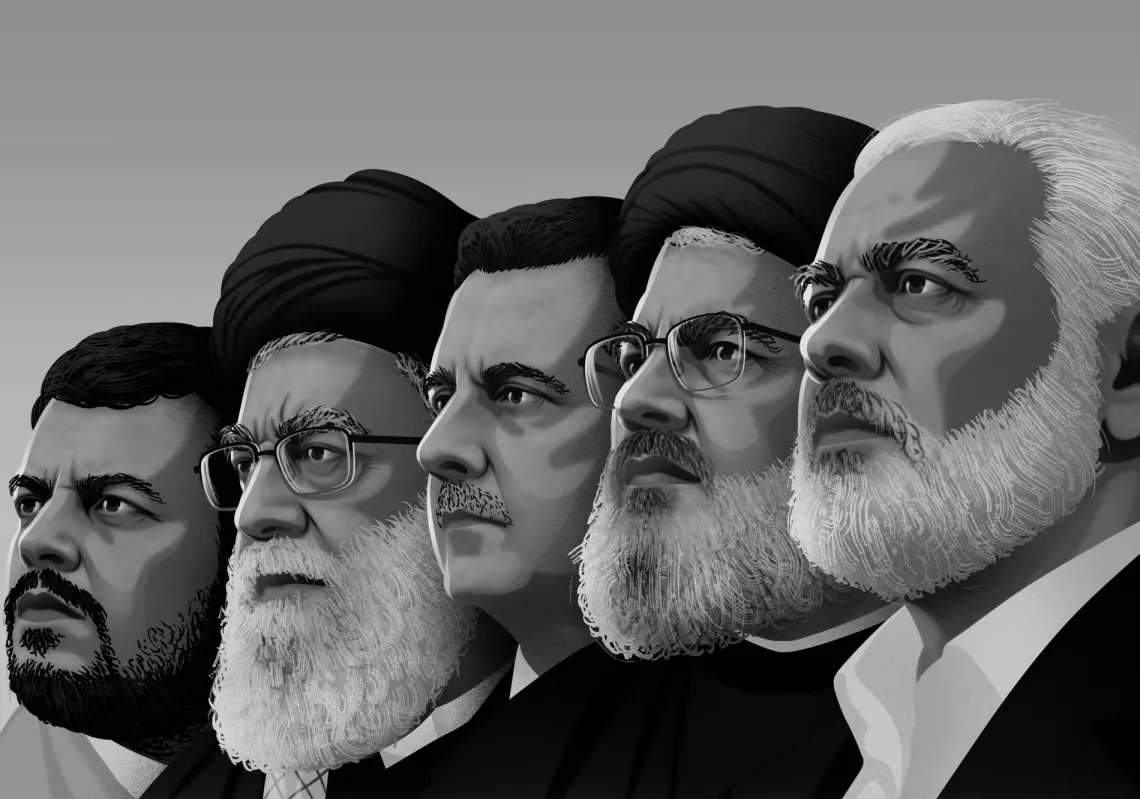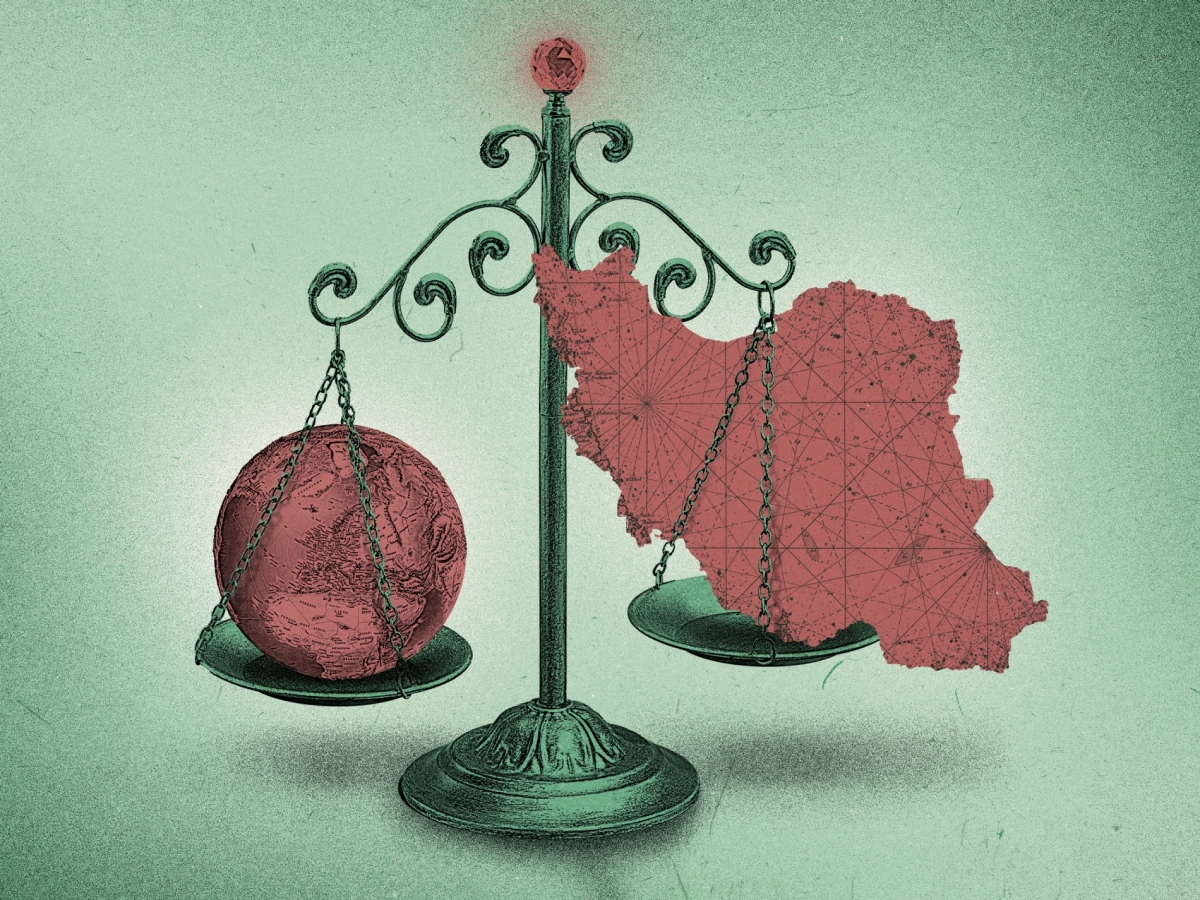

What’s the connection between the global move towards multipolarity in recent decades and the Iran conflict today? Israel and the US have been enemies of the Islamic Republic since the 1979 Revolution, so perhaps it’s unsurprising that tensions have finally erupted. However, in past eras, direct conflict was largely avoided, with war waged by proxy instead. Of course, the Iran war has a host of origins, but one that is often overlooked is the changing global and regional balance of power.
Realist International Relations scholars have long argued that the balance of power, both worldwide and in a particular region like the Middle East, plays a significant role in constraining or facilitating conflict. As global multipolarity has reduced Washington’s capacity and appetite to police the Middle Eastern order, regional powers have gained greater freedom to pursue their own agendas.
The global move to multipolarity in recent years is no different, allowing both Israel and the United States to be far more confrontational with Iran than in the past. There is some irony here, however, as Iran initially benefitted in the 2000s and 2010s when the world order first moved to multipolarity, taking advantage of growing caution from the United States. Yet today it is on the receiving end of changes brought about by the same phenomenon.
The post-Ottoman Middle East has historically been multipolar. The division of the region by colonial powers left a collection of medium-sized states, many with powerful assets like large populations, militaries or economies, but none with enough to dominate the region in the way that, say, the US dominates North America, or China does East Asia.
Yet because of its strategic and economic importance, the region attracted superpower interest, meaning that the Middle East’s multipolar balance of power was contained, to an extent, by the global balance of power. For example, during the Cold War, when war broke out between Israel and its neighbours, both sides looked to the US and USSR to support them and, eventually, play a role in de-escalating. Similarly, during the post-Cold War unipolar era of US dominance, the US projected itself onto the region and became the established ‘hegemon’. Even states like Iran that opposed this US vision were heavily restrained by US power.
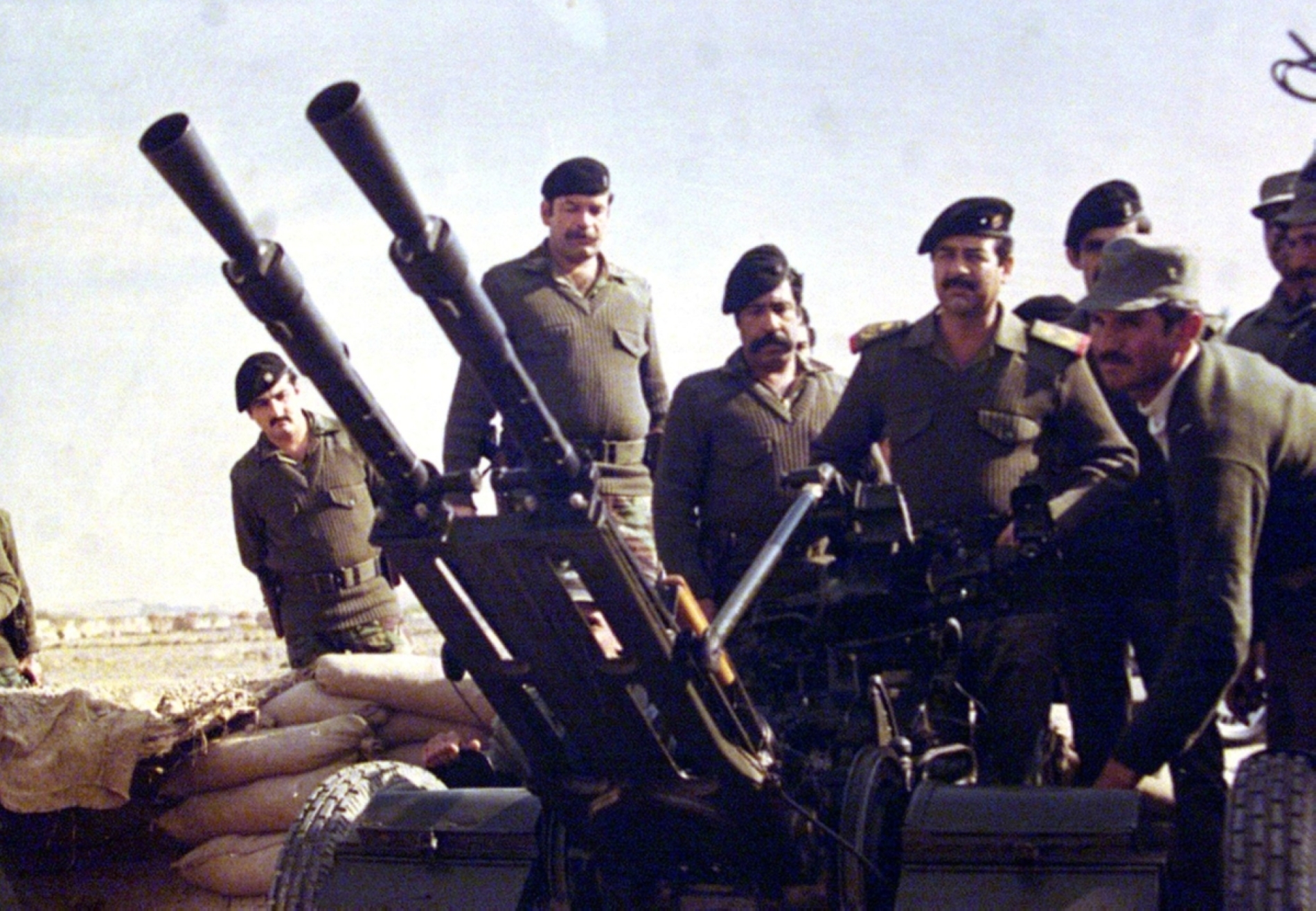
Iran’s Islamic Revolution was born into this constrained international environment. Though post-1979 Tehran was hostile to both the US and the Soviet Union, its regional ambitions were contained by the superpowers, with both Moscow and Washington backing Iraq during the Iran-Iraq War. After the war ended, the unipolar era allowed the US to build a much larger regional presence, establishing ‘Dual Containment’ to once again restrain Iran alongside Saddam Hussein’s Iraq.
Yet the 2000s saw a shift both globally and internationally. The failures of the ‘War on Terror’ created war weariness in the US, followed shortly by the 2008 Financial Crash and the rise of China as a realistic challenger to US global dominance. By the end of the decade, after the election of Barack Obama, the world was shifting towards multipolarity, and the US had lost the appetite to play hegemon in the Middle East.
Without external constraints for the first time in decades, the Middle East’s historic multipolarity re-emerged and Iran took full advantage. After George W. Bush generously toppled Tehran’s bête noire, Saddam, the route west was clear for the Islamic Revolutionary Guard Corps (IRGC) to expand the network of allies that became known as the ‘axis of resistance’ across the region. Iran benefitted from recognising the changing regional and global circumstances more quickly than its rivals and gained a ‘first mover advantage’. Meanwhile, US allies— the Gulf States, Israel and Türkiye—were still looking to the US to act against Iran and its allies and were frustrated when Obama was reluctant to do so.