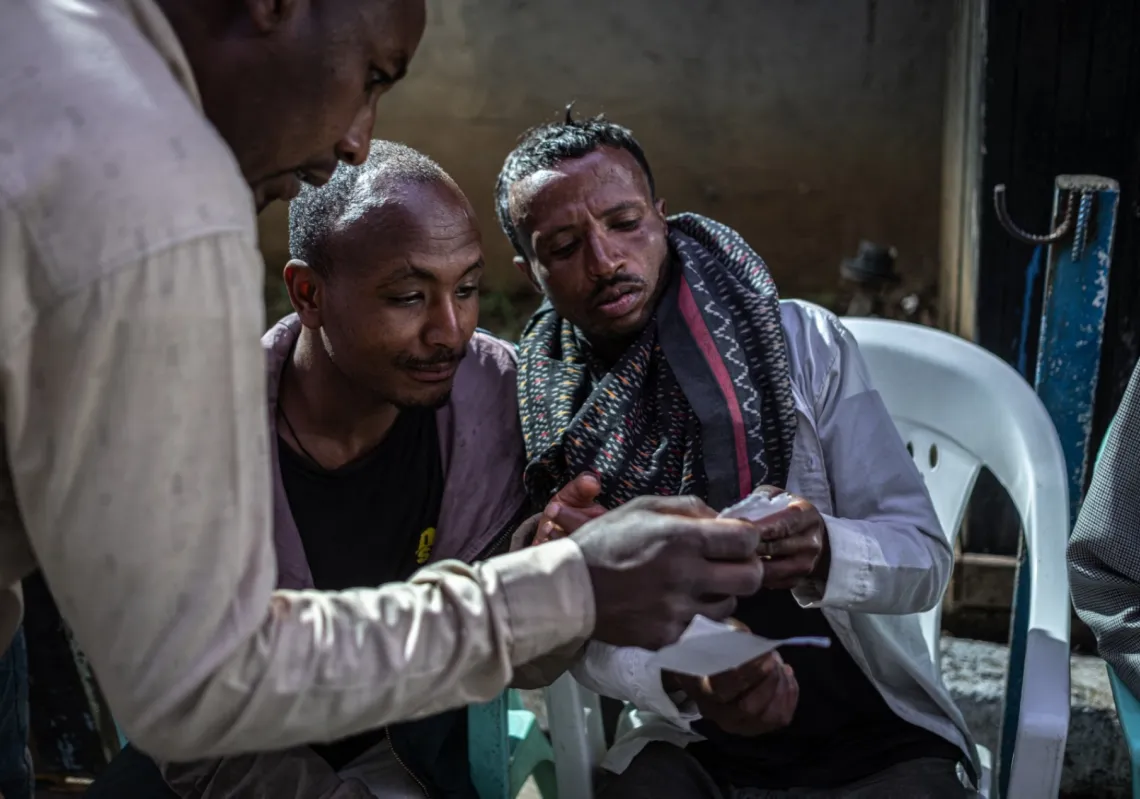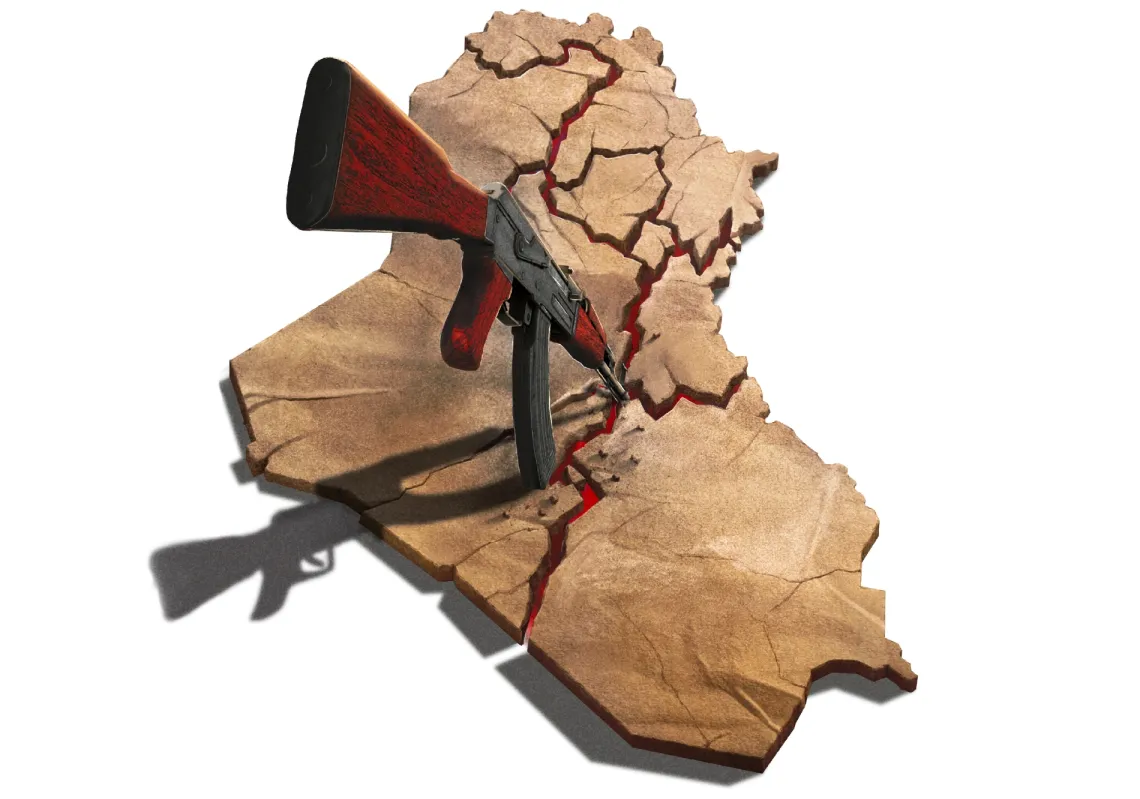

The clashes between Ethiopian federal soldiers and Tigrayan fighters in the country’s north last week were no sudden, unexpected outburst. Rather, it sprang from old regional grievances left to simmer since a patch-up peace deal in 2022 ended a two-year war that killed 600,000 people.
In early August, it was reported that the Ethiopian army had traded blows with the Tigray People’s Liberation Front (TPLF) near the border with Sudan, in a conflict that involves the Eritrean armed forces, Ethiopia’s well-armed Fano tribe (Amhara nationalists), and the Rapid Support Forces, a powerful Sudanese paramilitary organisation.
Unresolved problems have plagued the fragile 2022 Pretoria Cessation of Hostilities Agreement, reached after the 2020-22 Tigray war—one of the deadliest conflicts of the 21st century. As part of the accord, the TPLF agreed to disarm its heavy weapons and accept an interim regional administration, while the federal government promised to restore basic services, let the displaced return home, and settle territorial disputes.
In reality, the core problems were never fixed. Western Tigray was seized during the war by the Fano and their allies, who were then allied with the federal government. This forced hundreds of thousands of Tigrayan civilians to flee their homes, to which they have not yet been able to return. The TPLF now insists that pre-war borders must be restored, even as the federal government and Amhara authorities treat the wartime changes as permanent.
The TPLF also rejected the council set up during the war. In May 2026, it reconstituted the pre-war council and claimed the regional presidency for 2025-26. This marginalised the federally-recognised interim administration and left Mekelle, the capital of Tigray region, with two rival authorities: one backed by popular support, the other recognised by Addis Ababa.
Simmering grievances
Tigrayan officials accuse the federal government of imposing an economic blockade by restricting fuel, aid, and public-sector salaries, while launching drone strikes and blocking the return of displaced people to western Tigray. The TPLF’s exclusion from the general elections in June only deepened the sense of political marginalisation across Tigray (it was one of several irregularities that clouded the vote which gave Ethiopian Prime Minister Abiy Ahmed’s Prosperity Party another five years in power).
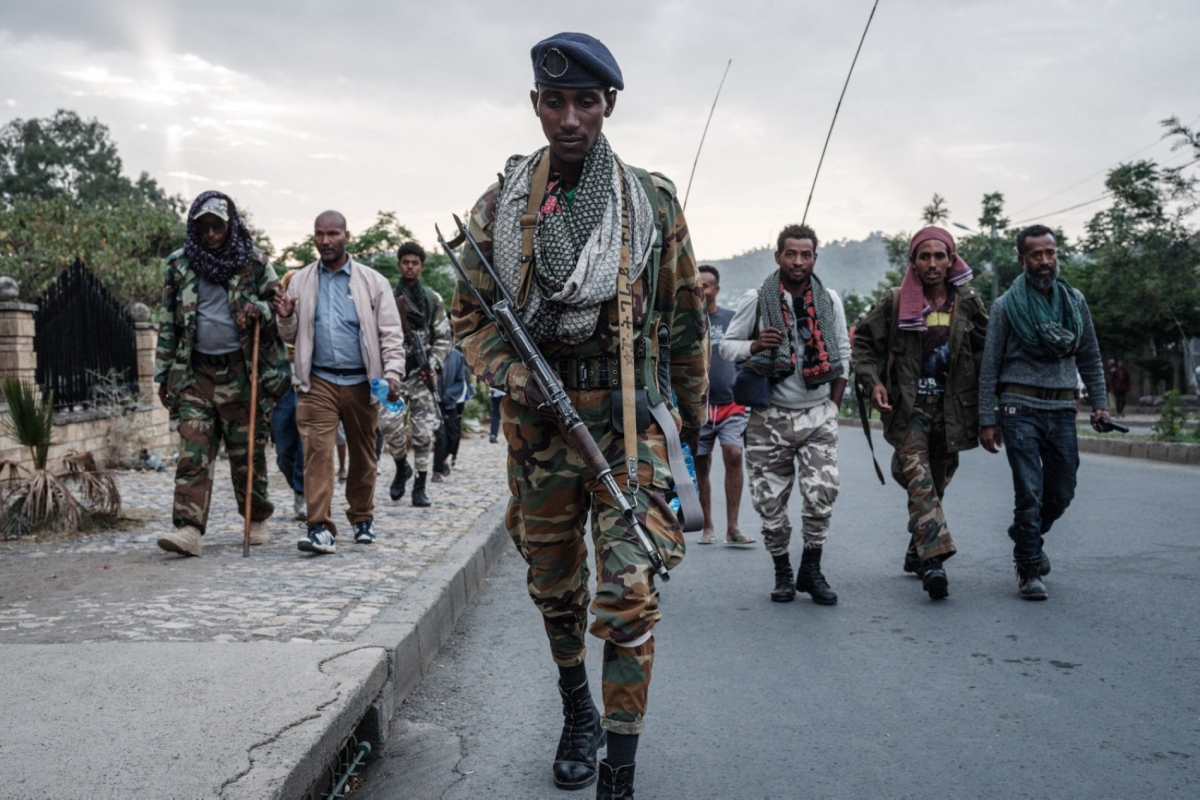
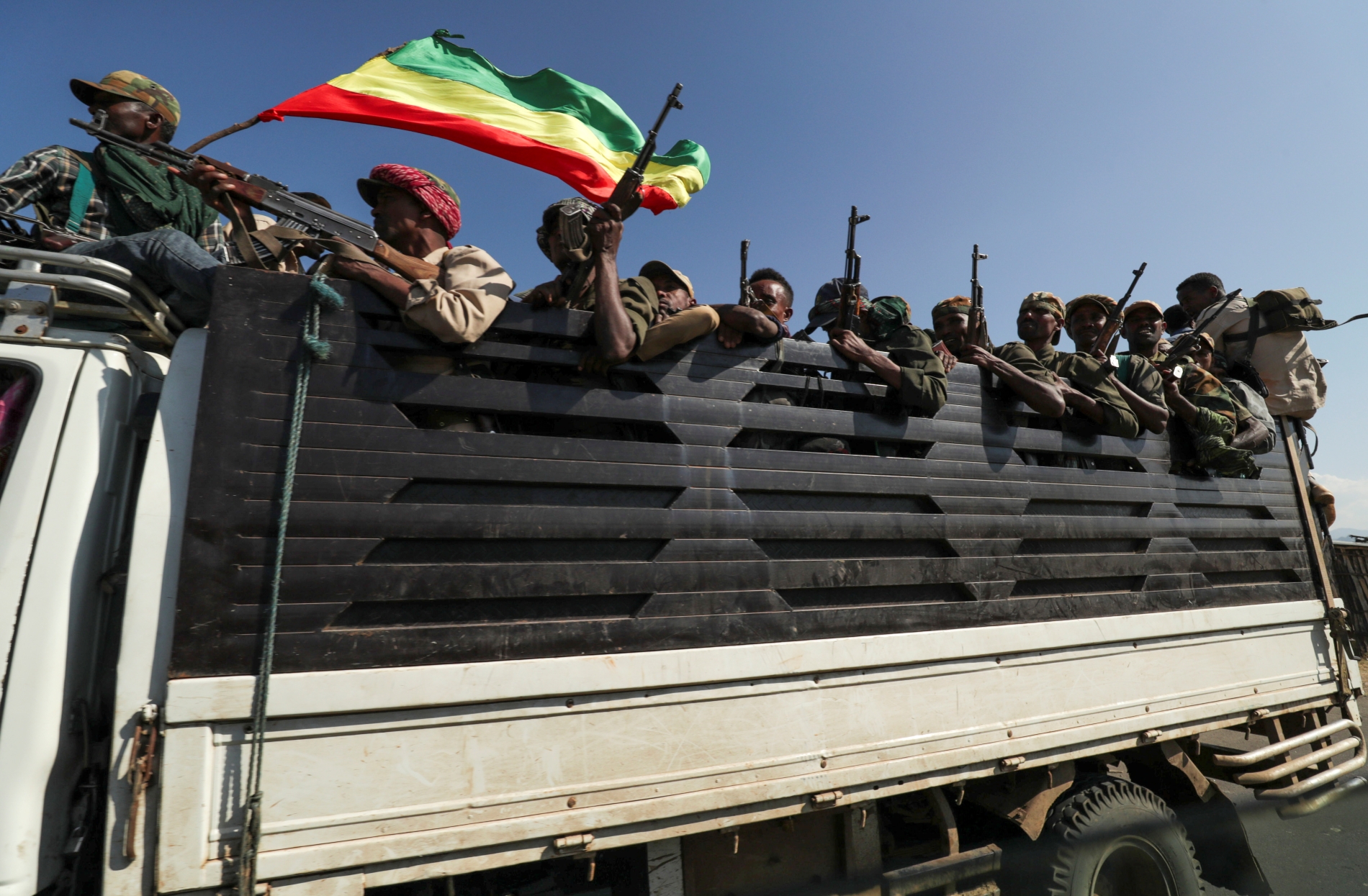
The clashes that broke out earlier this month in western Tigray, close to the Sudanese border, are among the most serious since 2022. Both sides quickly blamed the other. Media reports describe the use of heavy artillery and drones, with some Tigrayan units having previously fought in Sudan, where hundreds of Tigrayan civilians fled.
For months, tensions have been rising. The TPLF has recruited and mobilised new conscripts as public rhetoric sharpens, and while neither side appears eager to repeat the war of 2020-22, both want to strengthen their hand. In doing so, miscalculation remains the greatest immediate risk. If Tigrayan forces push deeper into contested territory, or if federal troops try to seize back control of Mekelle and the main roads, the fighting could spread, drawing in others. Eritrea's forces are already in the area.