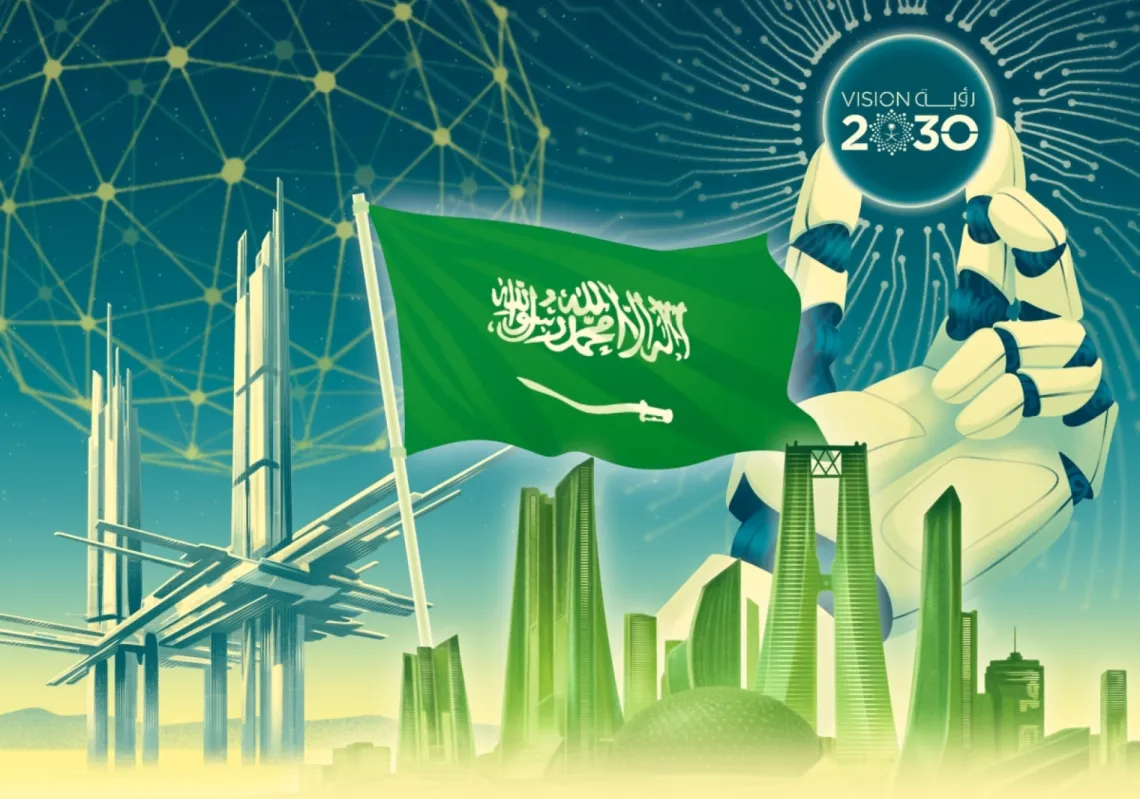
In most key performance areas, targets are being met, but there is still work to do over the next few years to move the Saudi economy away from oil toward a more sustainable future.
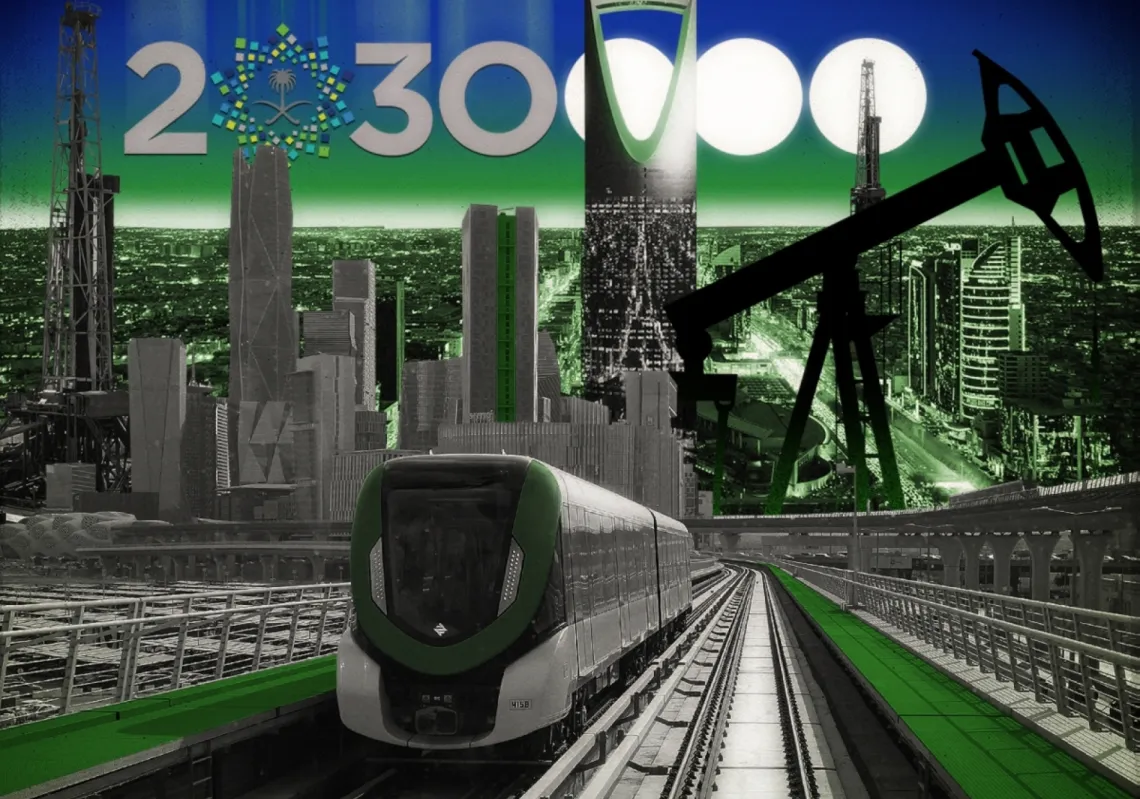
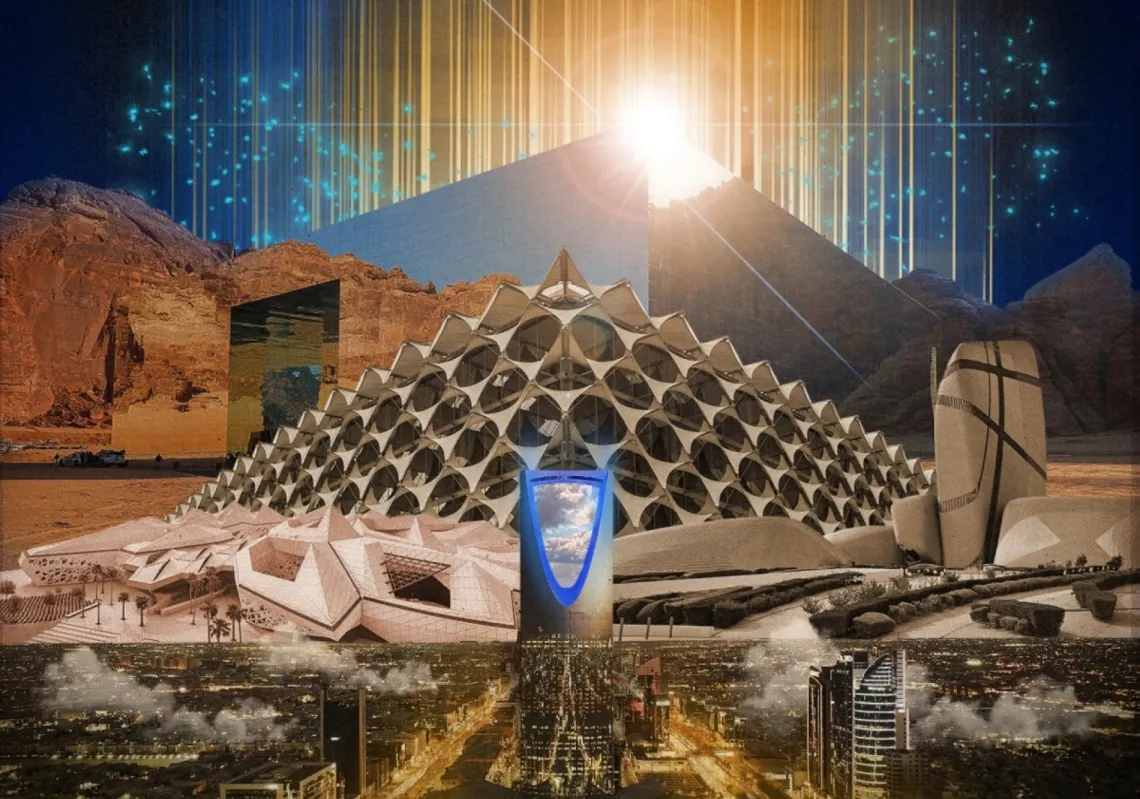
From education and infrastructure to housing, culture, construction, creativity, technology, workforce participation, and innovation, the country is rapidly moving beyond oil
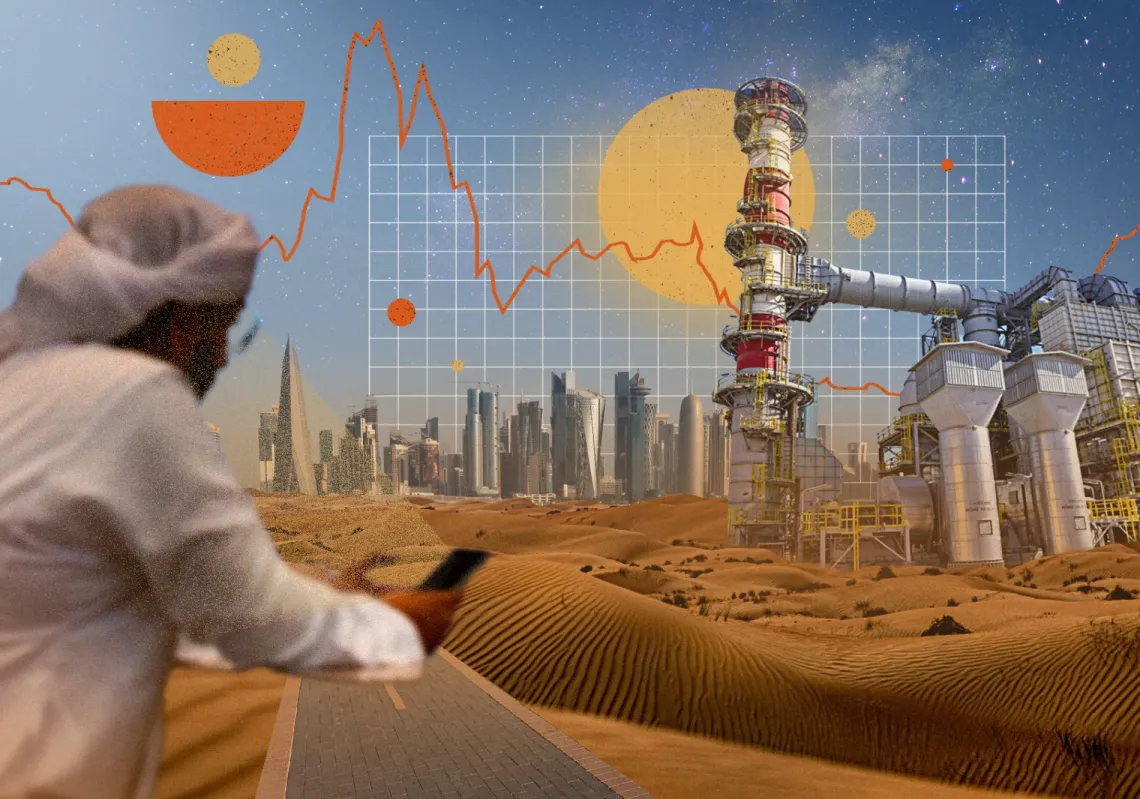
Economic and technological dynamism characterised 2025, with ambitious initiatives aimed at accelerating non-oil growth, diversifying national economies, and ushering in regional integration
There are common themes between those states experiencing growth and those facing crisis and instability. It pays to look at the success stories and to think bigger, including on a regional level.
In the second instalment of a two-part series, Al Majalla looks at how Saudi Arabia moved from a horizontal to a vertical development model, powered by an ambitious package of reforms
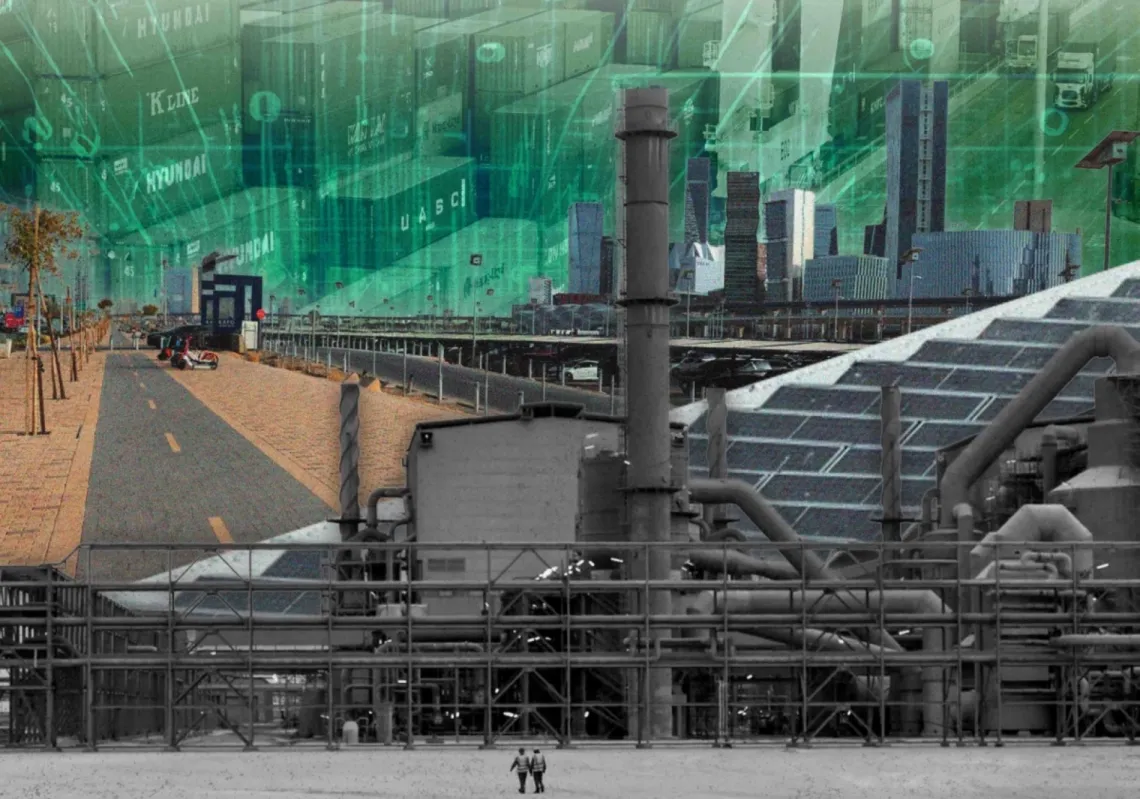
Sectors such as tourism, manufacturing, logistics, and healthcare have the potential to continue growing as a share of the Gulf states' overall revenue and to provide employment for the future
Imagine a floating industrial city that generates electricity from sunlight or wind while preserving the resources of oceans and costal area!
Saudi Arabia is undertaking a huge project called …
The standoff in the Hormuz is not simply a question of whether Tehran can survive economic pressure, but whether Washington can sustain the pressure at an acceptable cost.
Many Israelis actually believe that they lost the war, with opposition leader Yair Lapid accusing the Israeli premier of having led the country into "strategic collapse and diplomatic catastrophe"
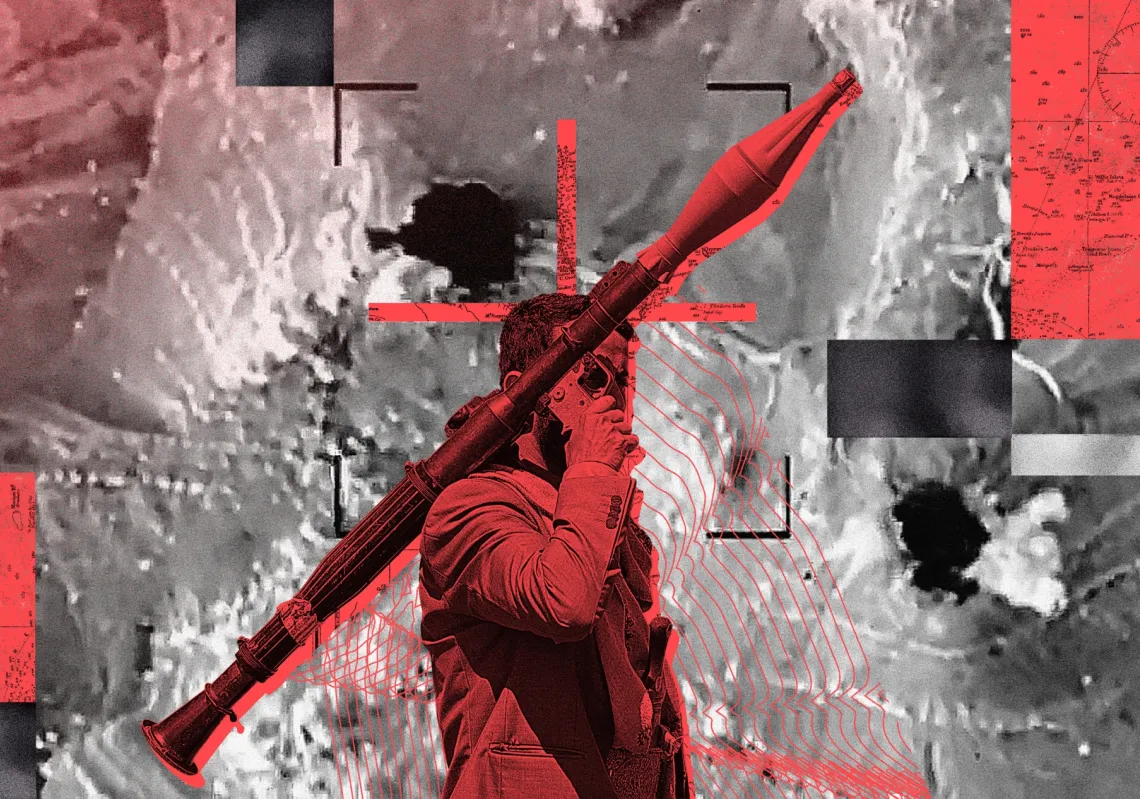
The Strait of Hormuz is now poised to become the primary arena of confrontation, with Iran relying on speedboat-driven guerrilla warfare to confront the US navy.
Former regime soldiers are stuck in limbo, as their undocumented status prevents them from working, travelling, and curbs family members' access to education, healthcare and social services