
Egypt is to end the limits on foreigners owning real estate in a bid to bring in more capital, despite warnings from nationalists. A law from 1996 currently restricts foreign nationals to owning a maximum of two properties and they need to be located in two different cities, but the government of Egyptian Prime Minister Moustafa Madbouli is to allow foreigners to own any number of properties in any number of locations.
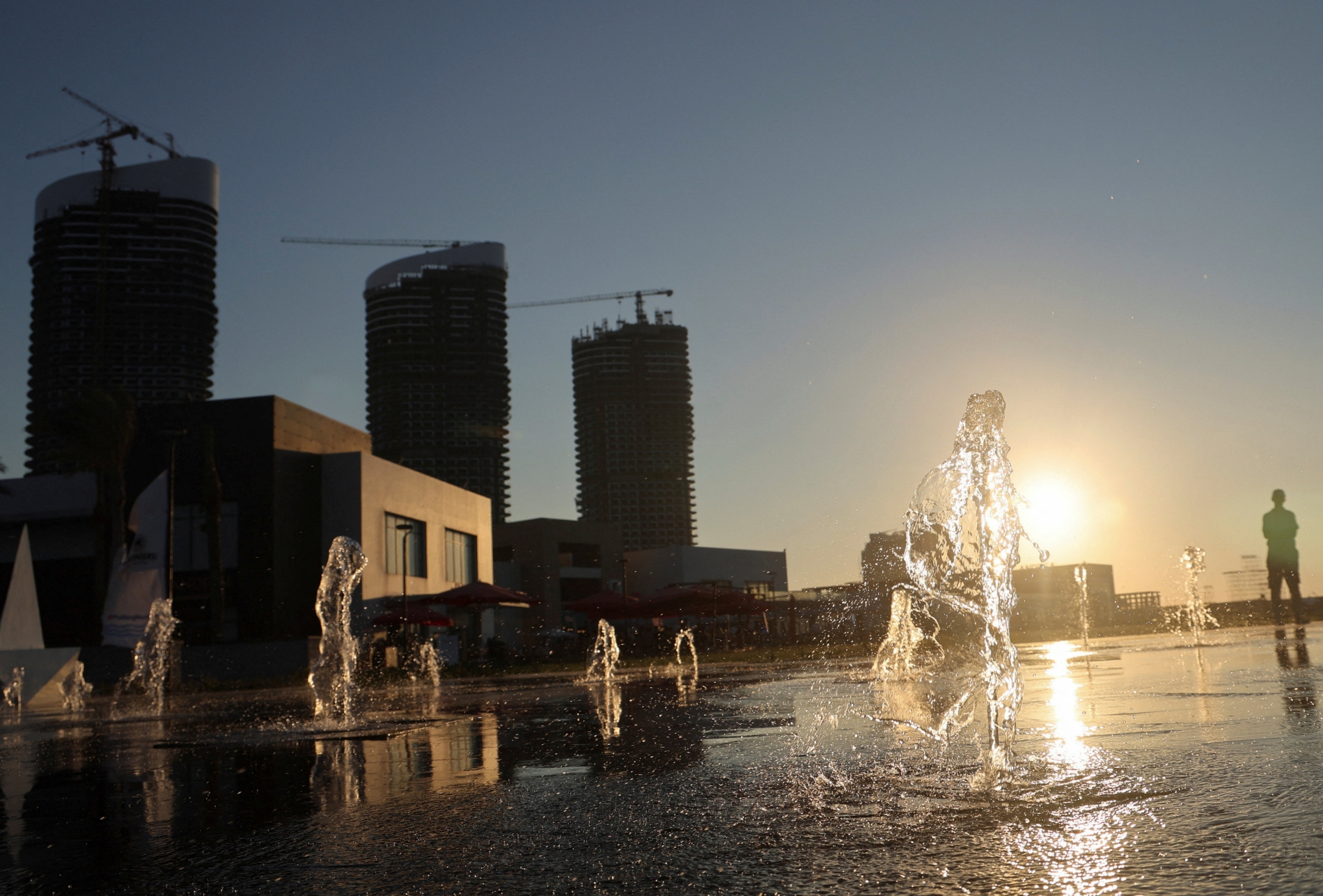
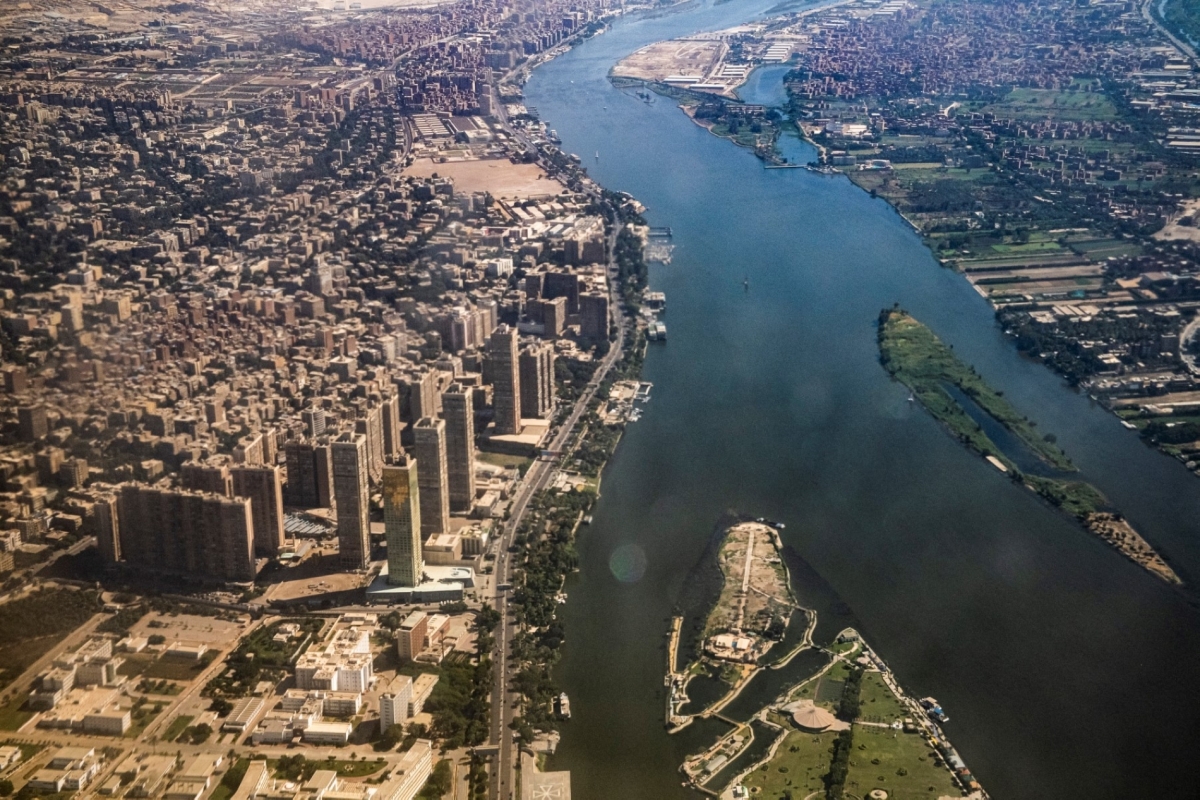
Madbouli said it would diversify income streams and attract foreign direct investment (FDI), as Cairo tries to maximise returns, boost foreign currency revenues, and capitalise on the large number of housing units in new cities and urban communities that sprouted in the Egyptian desert over the past two decades. Some estimates put these units at 13 million. Egyptians used to live on 7% only of their country's geographical space of one million square kilometres, mainly in the Nile Delta and Valley. The new urban areas built in recent years have doubled the country’s habitable space.
Cash needed
The government says it will launch a new online platform to ease the rules on foreigners owning property. By encouraging foreign buyers of Egyptian real estate, Cairo is copying states such as Türkiye and Greece, which attracted considerable FDI by opening their property markets. Egypt is working hard to collect the foreign cash it needs to meet its bailout obligations to international crediting institutions and buy goods and energy on the international market.
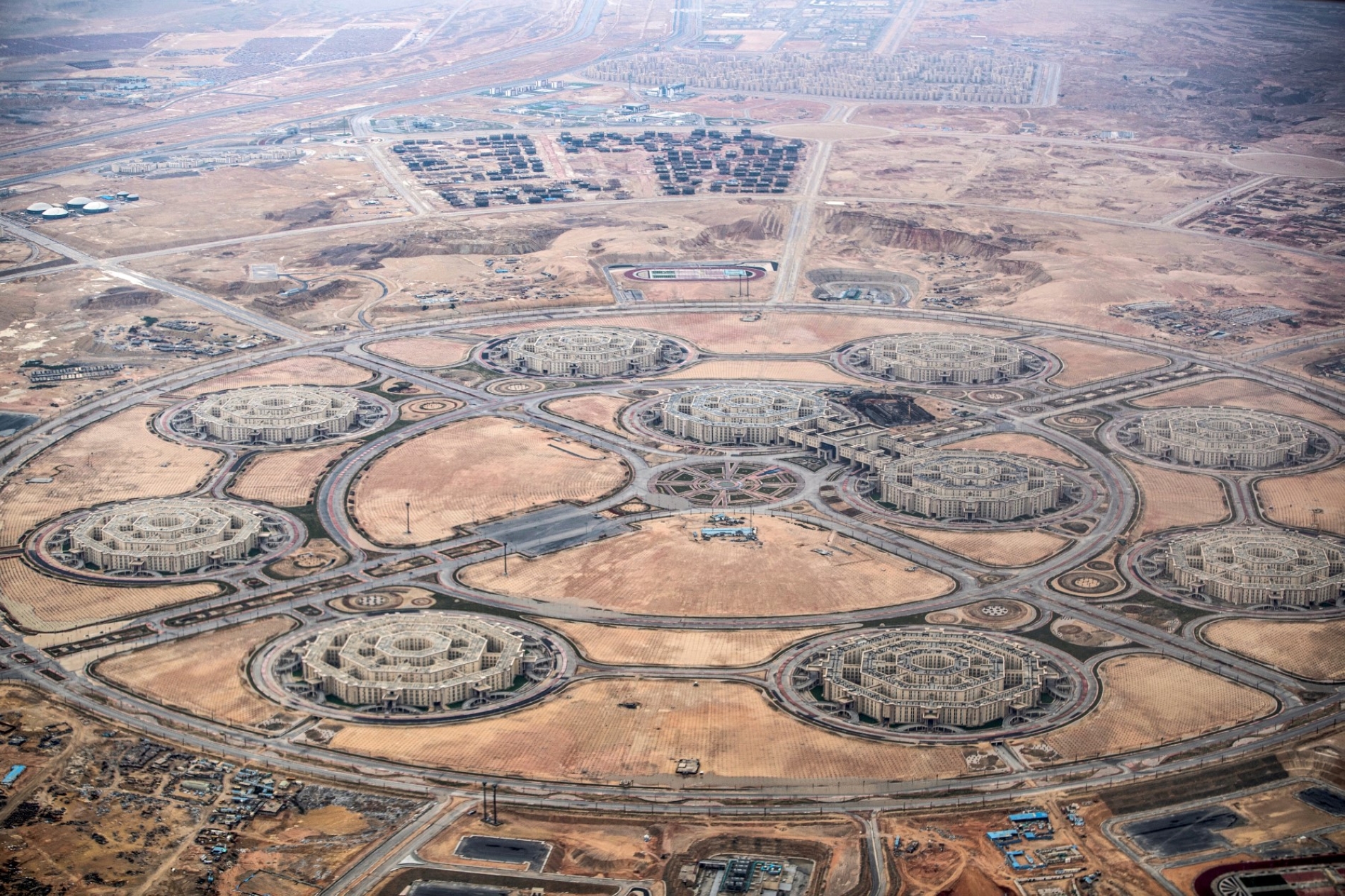
“Foreign investments make our country financially capable of meeting its international obligations,” said Khaled al-Shafie, the head of local think tank, Capital Centre for Economic Studies and Research. He added that the flow of FDI to different sectors of the economy also creates jobs for the national workforce. “This flow also improves Egypt’s credit rating, which boosts confidence in the local investment climate.”
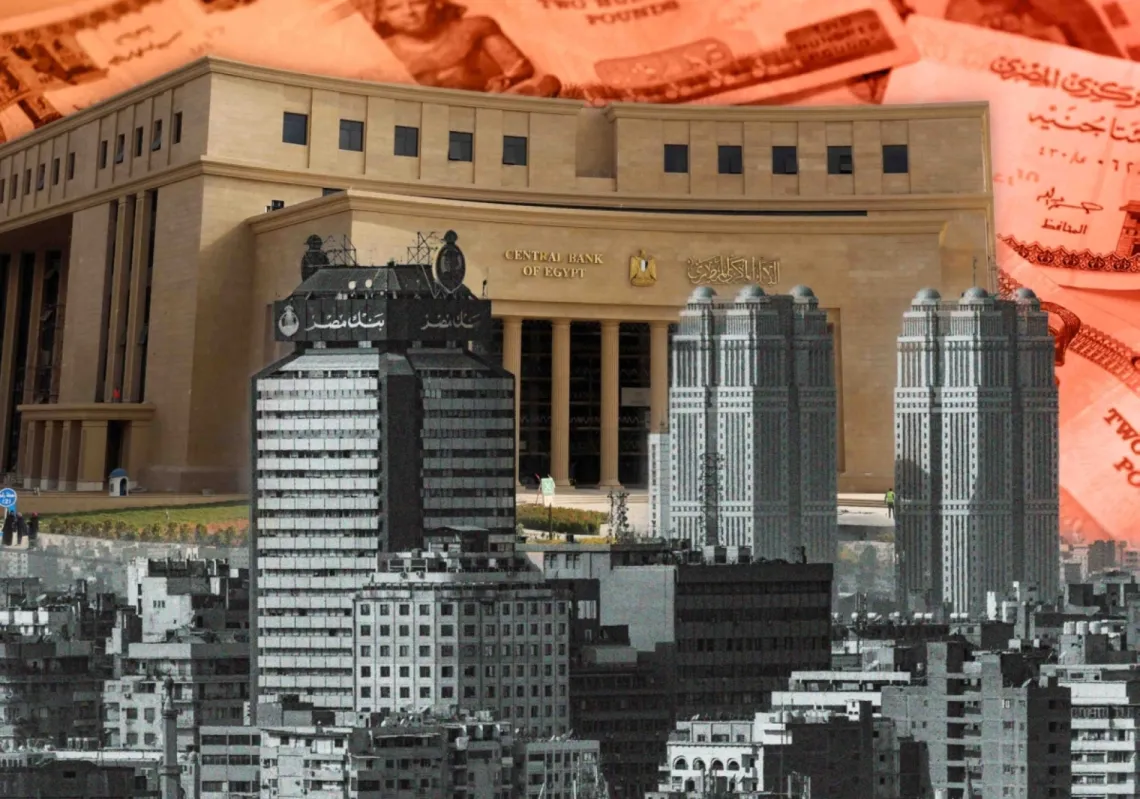
Egypt has been advertising its assets to foreign buyers, particularly sovereign wealth funds in Gulf states, and has so far raised tens of billions of dollars. Asset sales including land in prime locations on Egypt’s Mediterranean and Red Sea coasts, to assist with repayments to the International Monetary Fund for its bailout loans in 2022 and 2024.
Housing bubble
The timing is unfortunate, given the stagnant local real estate property market. Some economists point to a possible housing bubble driven by the dramatic surge in real estate prices and the lack of local demand. This might explain the timing of the government’s decision to open the door to foreign buyers, especially if properties’ current prices are inflated.
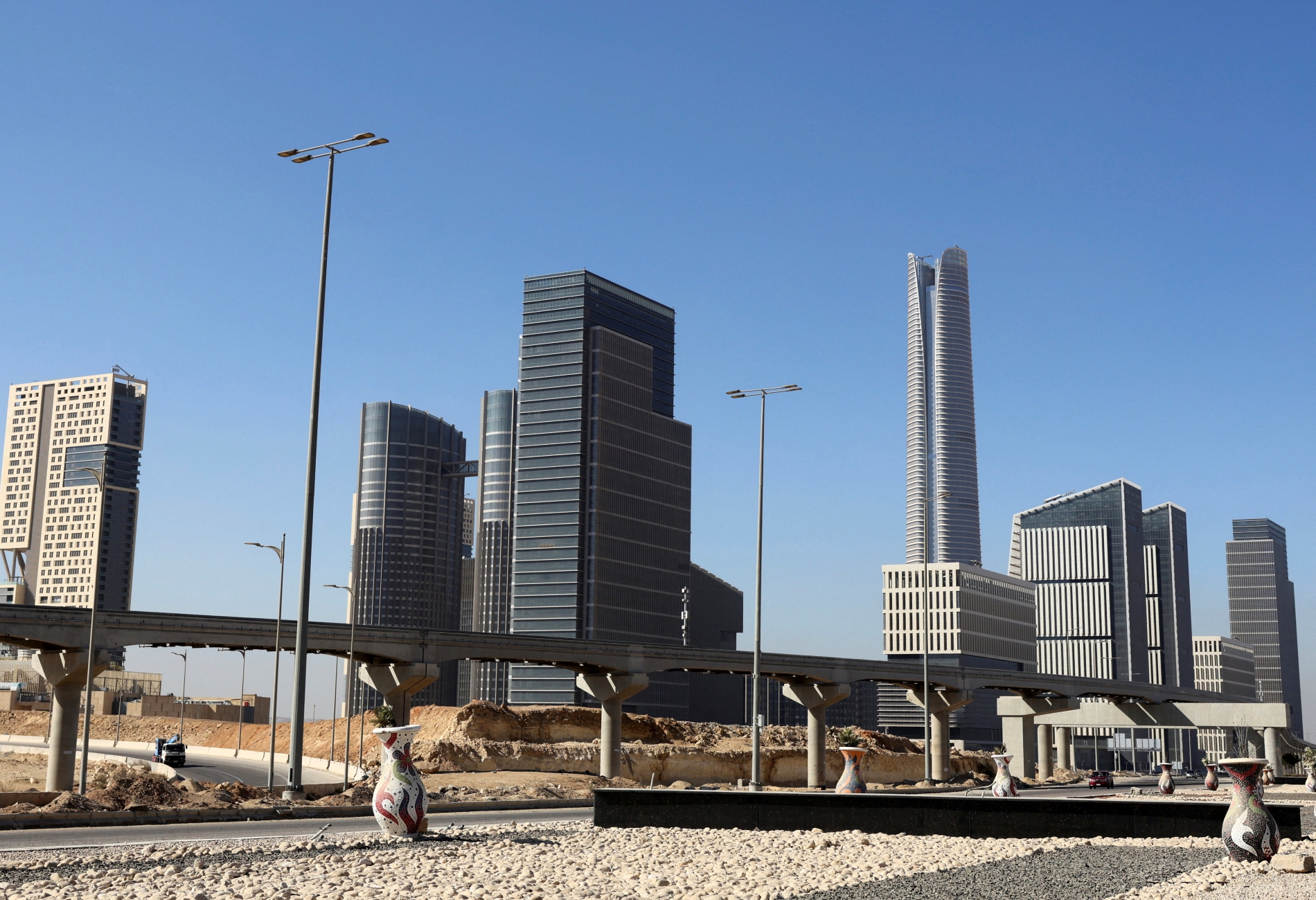
By trying to resuscitate demand in the real estate market, Cairo is intervening to help the construction sector, which accounts for more than 10% of Egypt’s GDP (gross domestic product) and employs up to 15% of the national workforce. There are also dozens of economic and industrial activities connected to construction, so millions more jobs or indirectly connected.