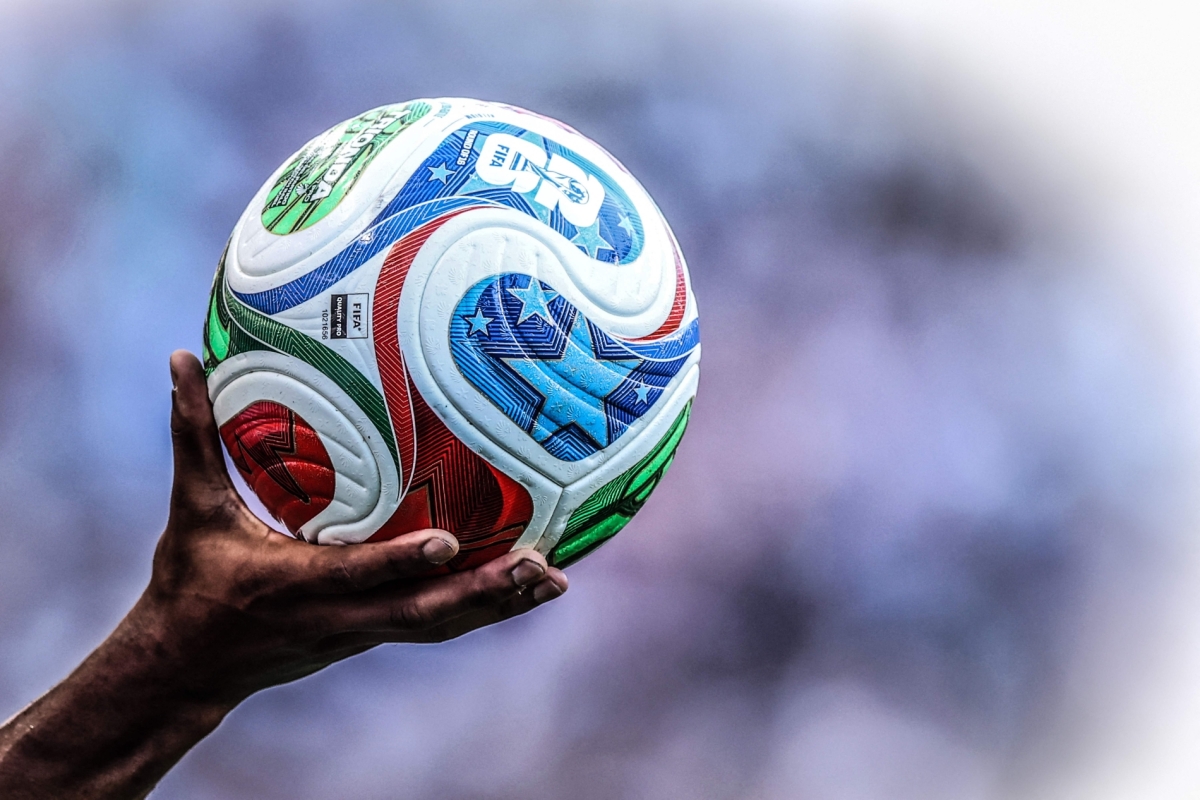

In a way, politics will always be part of football. The game’s importance to fans makes it inevitable. This is why prime ministers and presidents like to declare themselves fans of one team or another, even if sometimes they forget which club they support between interviews. Cue a gentle cough in the direction of former British Prime Minister David Cameron.
The World Cup can offer a geopolitical dimension. Still, there has surely never been so much politics in the World Cup as there has been this year, with the tournament ongoing at the time of writing. The most disturbing example was the intervention of United States President Donald Trump to get a decision reversed in favour of the United States in a tournament co-hosted by the United States.
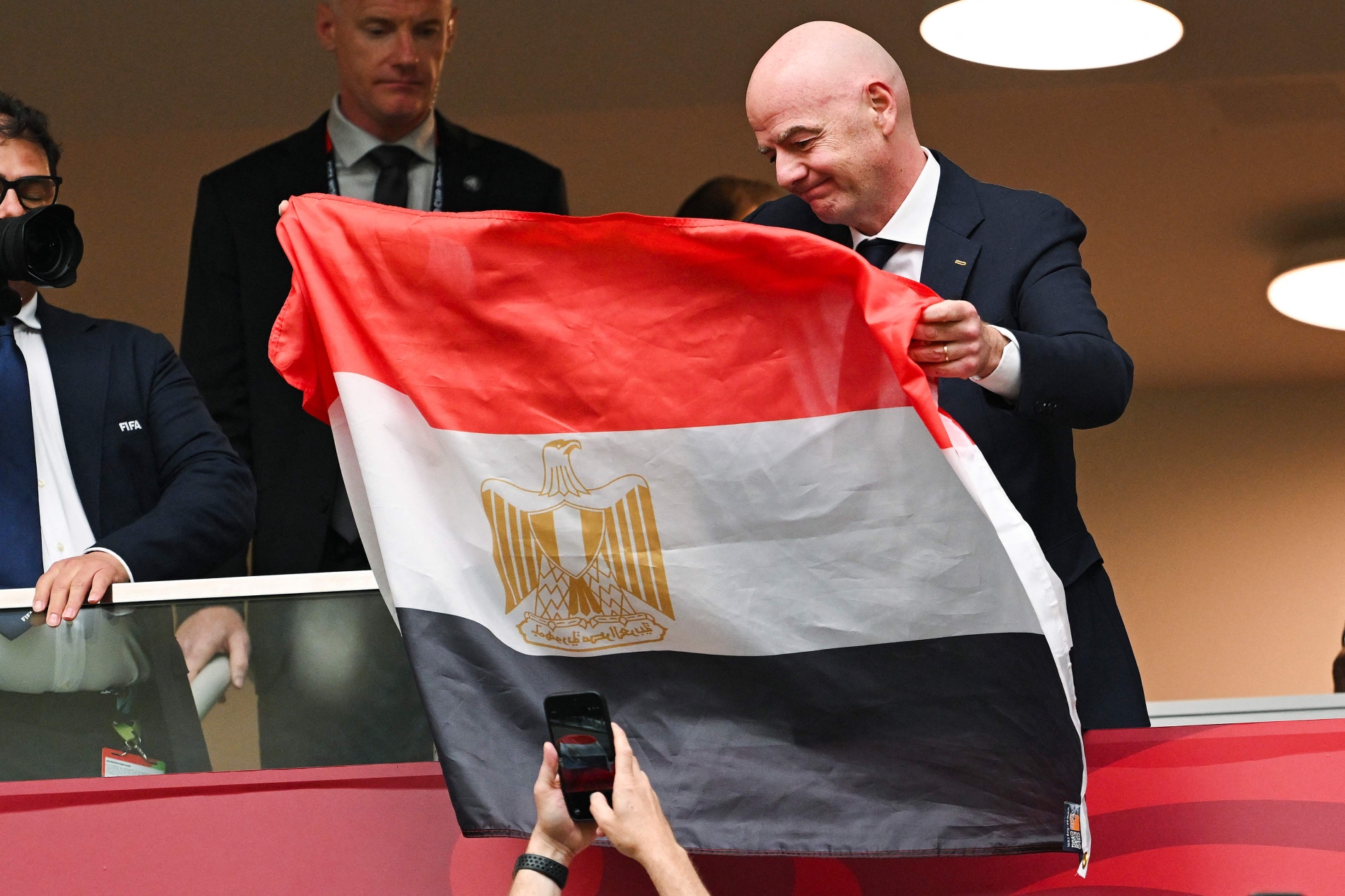
Unsurprisingly, Trump was quite brazen about it, admitting that he had called FIFA boss Gianni Infantino soon after Folarin Balogun, the US star striker, had been given a red card, meaning that he would miss the next round match against Belgium. Sure enough, FIFA decided to suspend the red card, for only the second time in its history. Given that Gianni gave Trump the inaugural FIFA Peace Prize, it is of note that Gary Lineker, the former England player and a longtime BBC football presenter, took to calling Infantino ‘Sycophantino’.
The decision was roundly condemned in Europe, whose footballing authority, UEFA, issued an unprecedented rebuke, accusing FIFA of having “crossed a red line” and undermining “the integrity of the game and the credibility of the competition”. Even Sepp Blatter, the former FIFA president who received a six-year ban for corruption, was moved to object. Unfortunately for the Americans, they still lost 4-1, ending their tournament run. Belgian players, who did not blame the American fans, gleefully impersonated Trump’s dance moves after scoring.
Brazen racism
Presidential interventions have not been the only injection of politicians into a sporting competition. An ill-tempered match between Paraguay and France saw the French star striker Kylian Mbappé systematically targeted by the South Americans, only for him to score the winning goal anyway. It prompted Paraguayan Senator Celeste Amarilla to launch a racist attack on Mbappé, accusing him of being a “colonised Cameroonian, desperately trying to pass himself off as French” and a “brute who had not learned to write”.
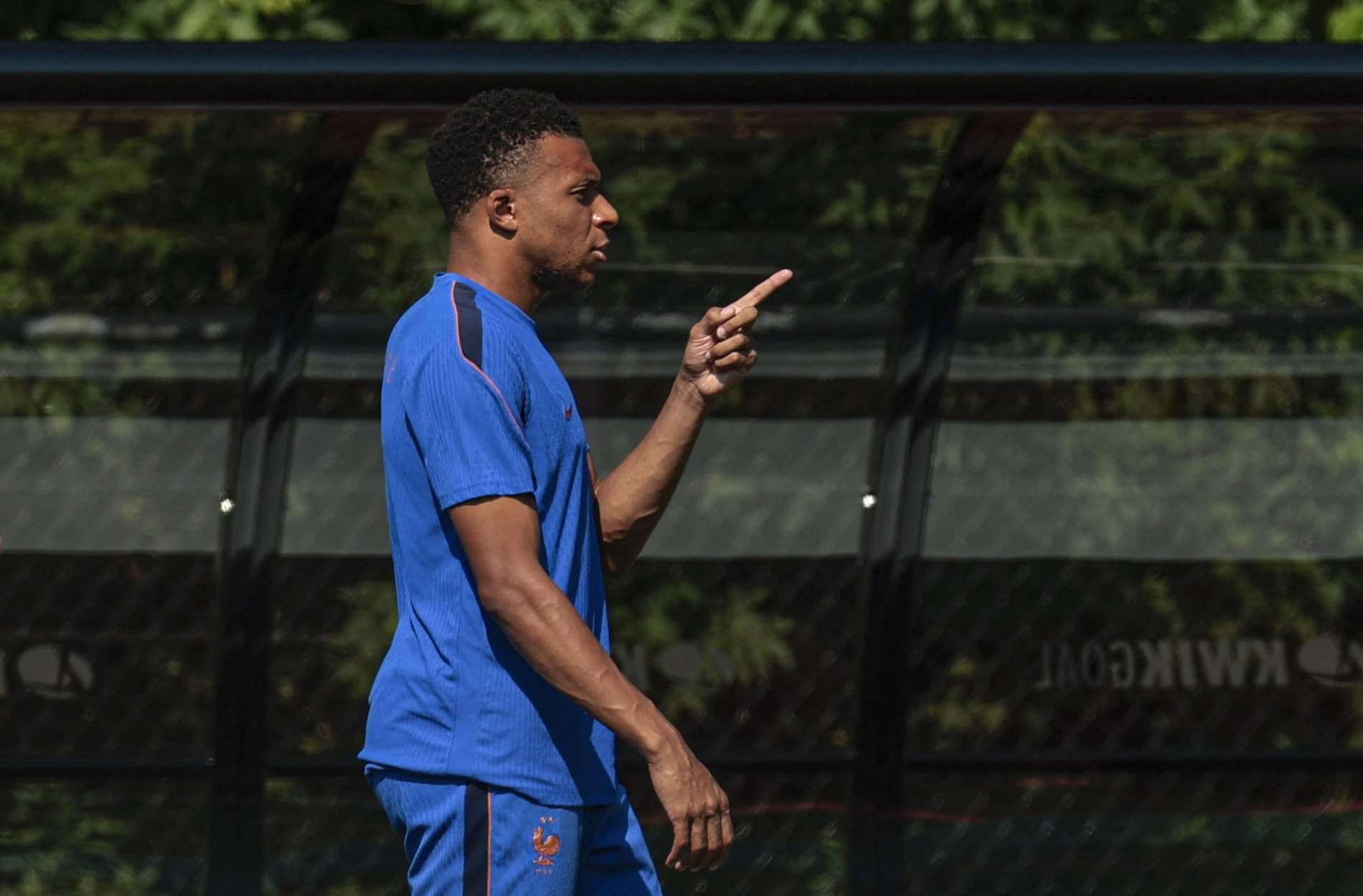
Mbappé replied in an open letter, writing: “Through your recklessness and brazen racism, the entire world has already forgotten the journey and the historic effort that your players accomplished during this World Cup, making way for an incompetent woman who gives the worst possible image of her country.”
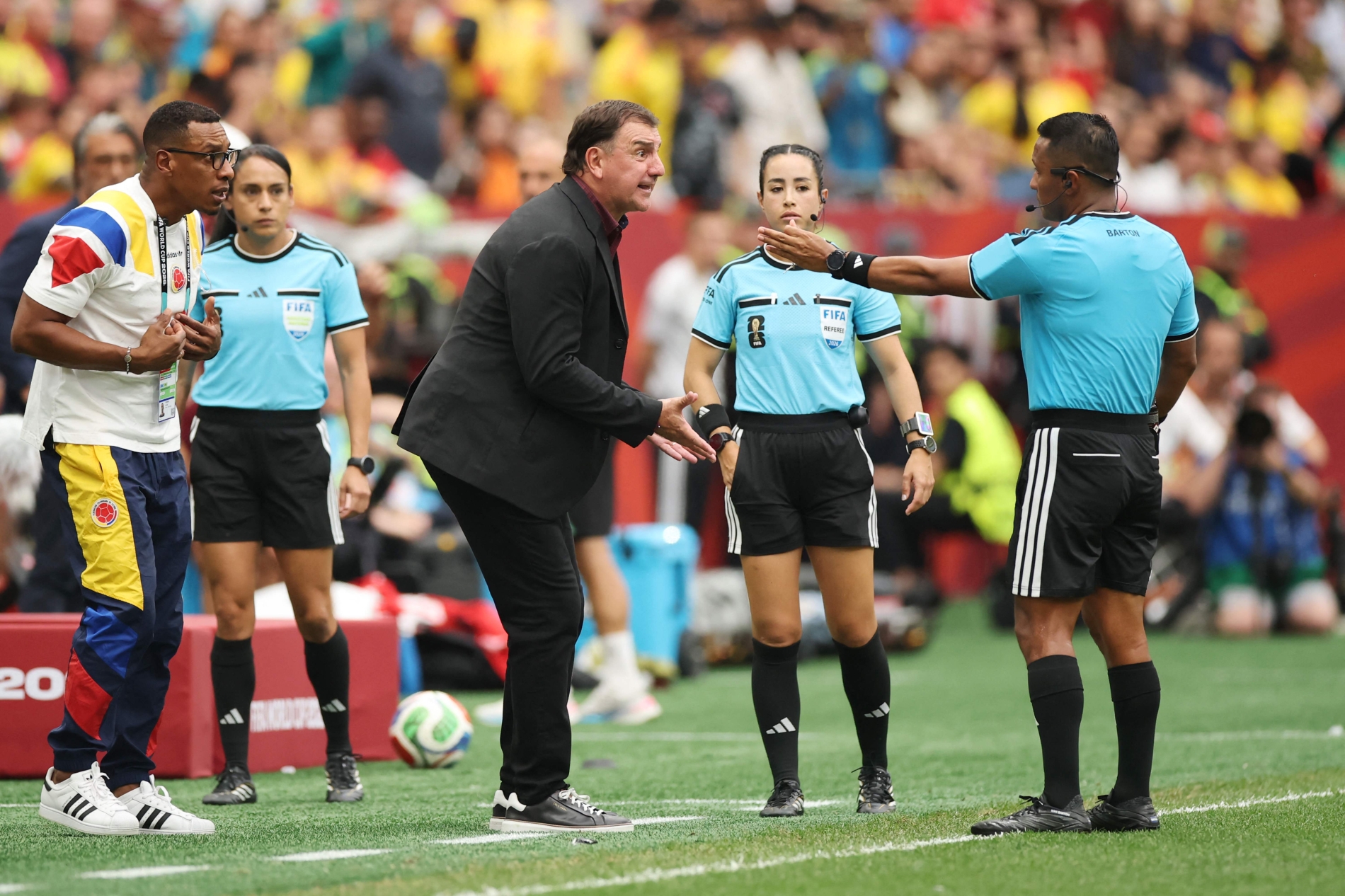
Then came the match between Egypt and Argentina. Thanks to new technology in the form of the video assistant referee (VAR), it is now possible for a goal such as Egypt’s, which praised by some as the best of the tournament, to be disqualified long after an alleged foul has happened. Having led 2-0 against the reigning champions, Egypt subsequently sank to a 3-2 loss and cried foul.