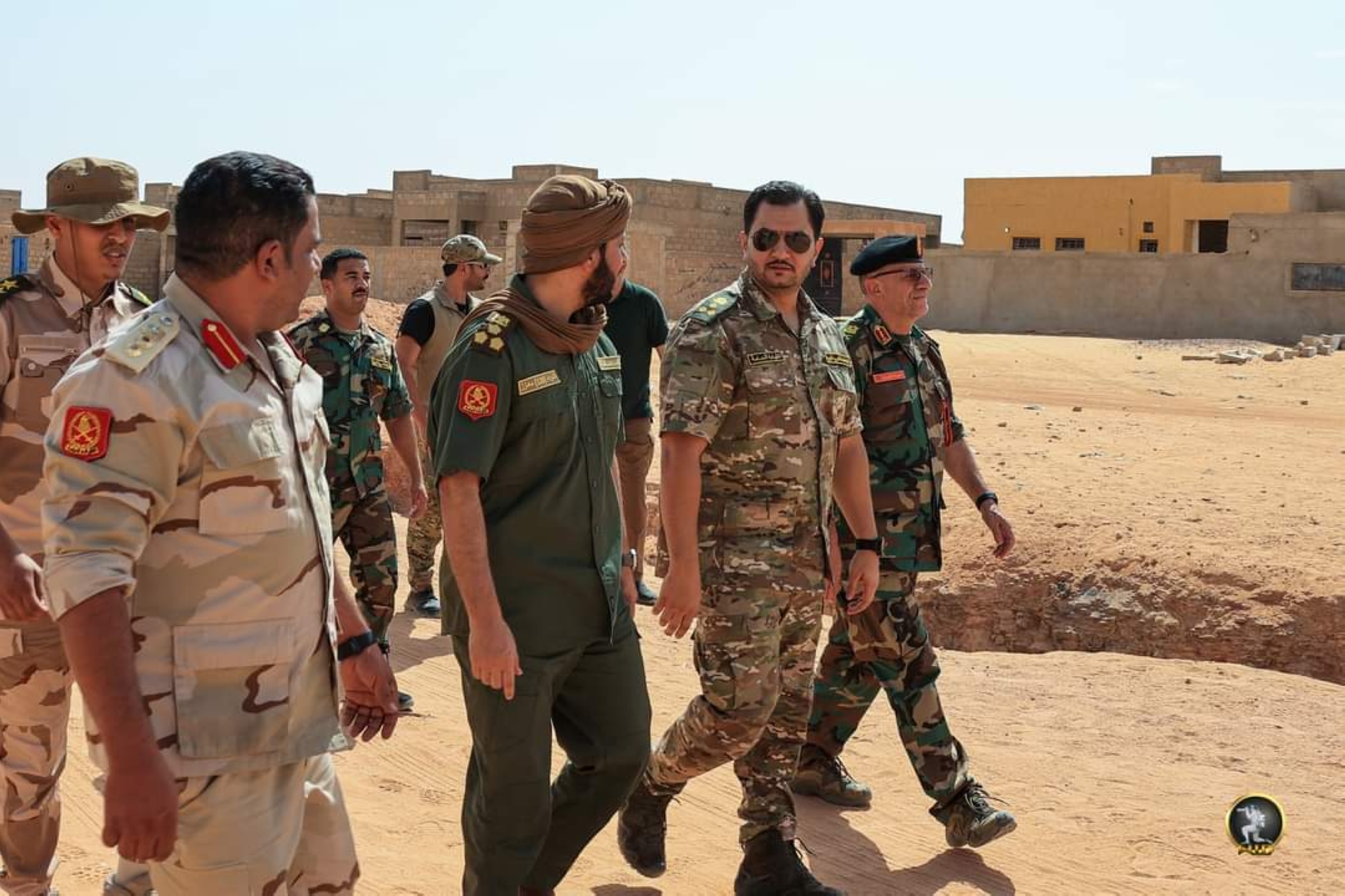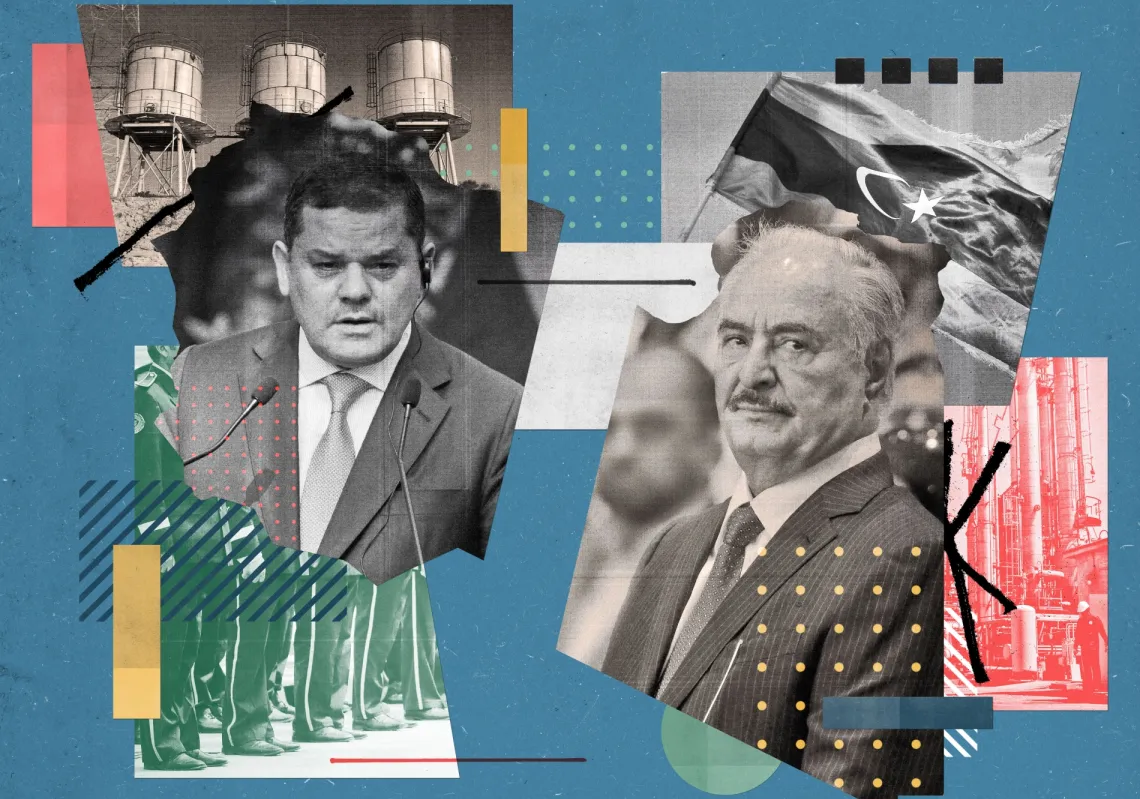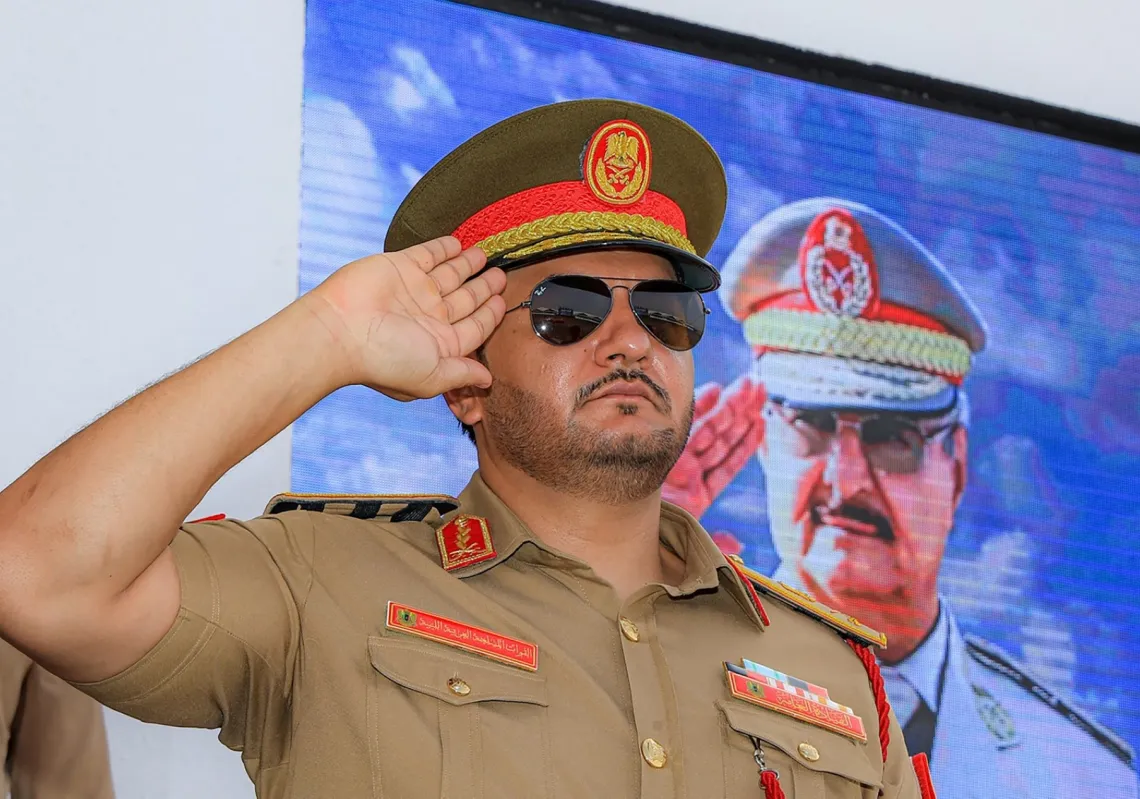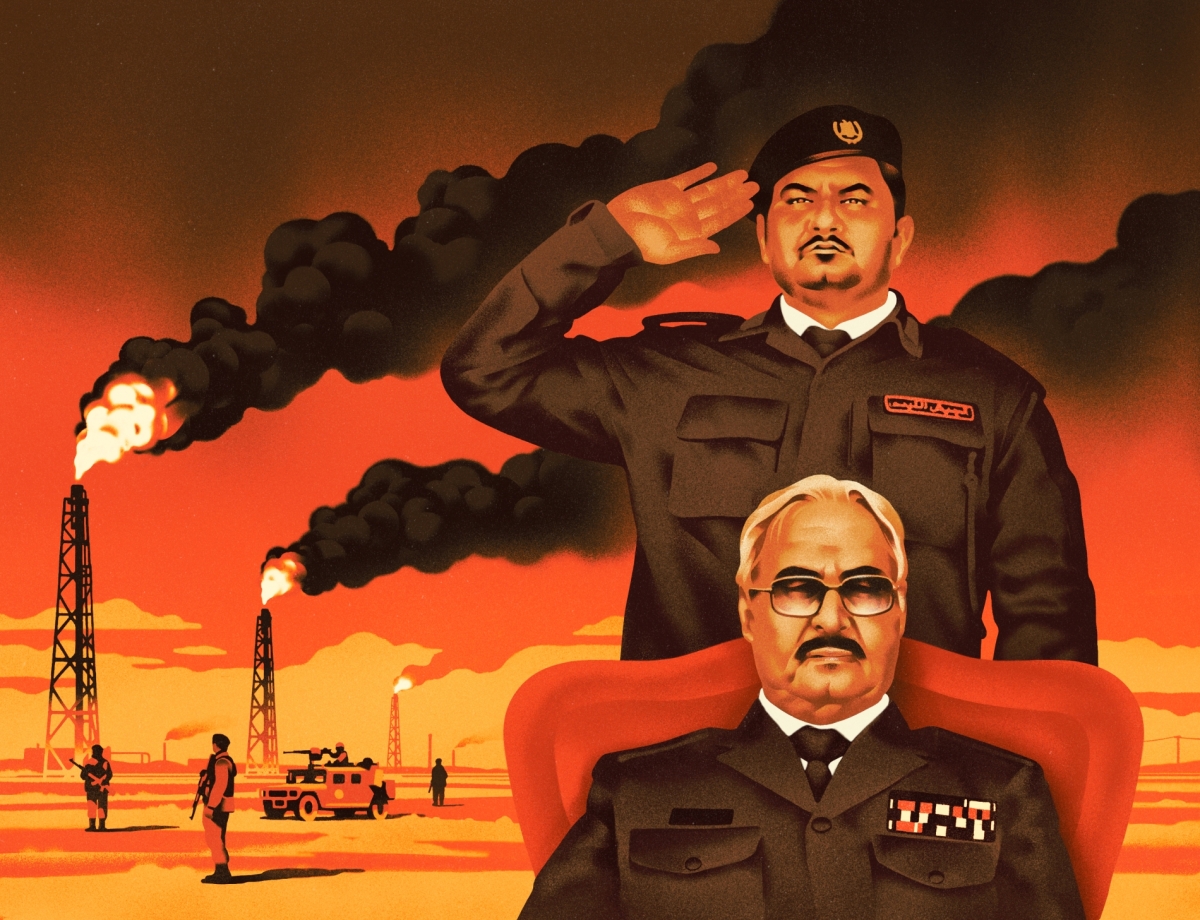

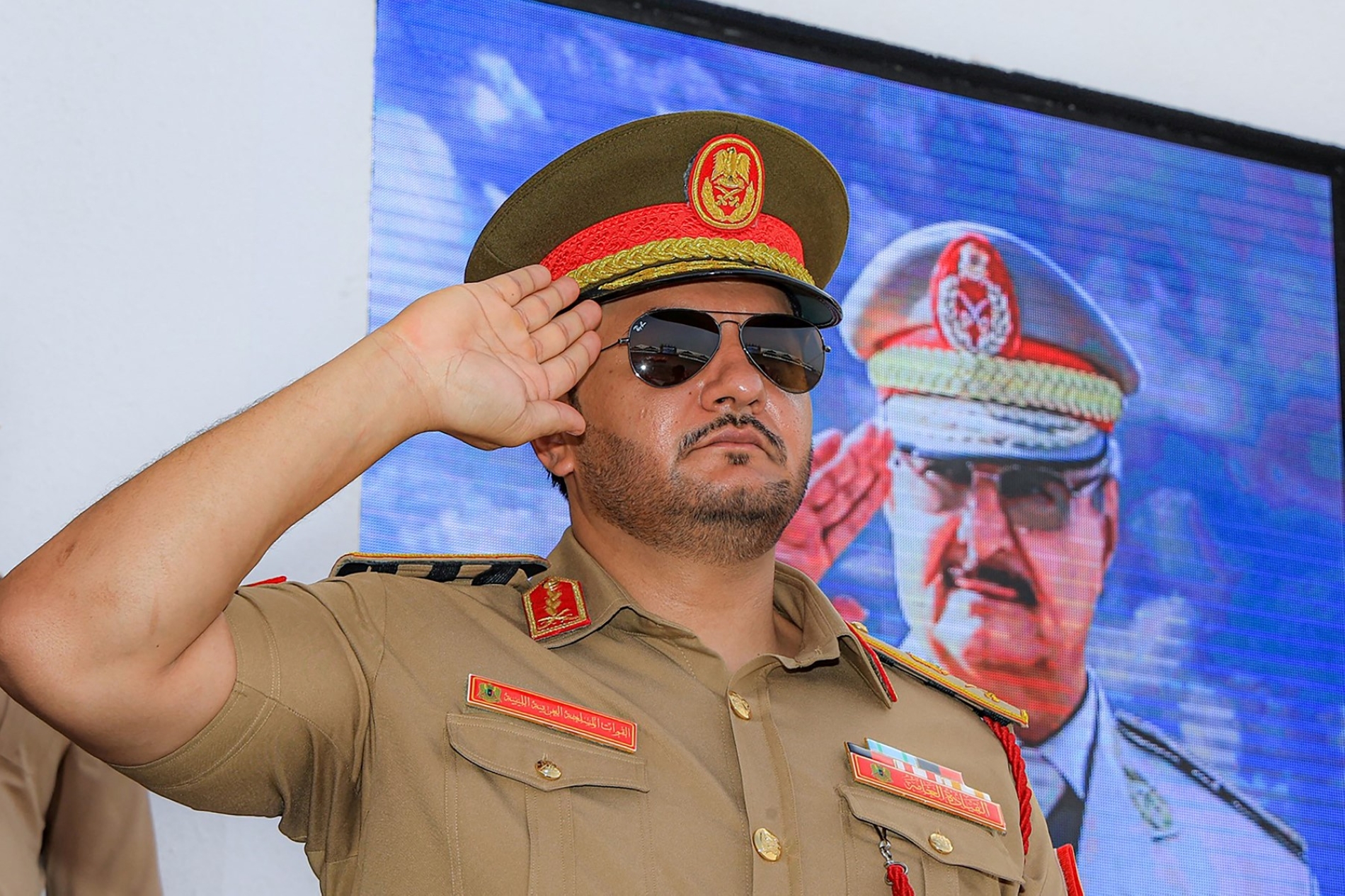
Saddam Haftar’s recent public statements struck all the old tunes: partnership, shared interests, national unity, and weapons placed under the authority of the state. The son of an east Libyan warlord has sought to present himself as a statesman, not the commander who once led an armed force operating outside any elected authority.
The Tariq bin Ziyad Brigade, which he headed for years, has long functioned as an army within an army, answerable to Saddam, rather than the institutions of a state. Saddam in a suit is the conversion of military power into political legitimacy, positioning him as the likely heir to national leadership across both east and west Libya, despite him being hated in the west, and in the capital, Tripoli.
Saddam’s ascent has been propelled by family strategy, oil wealth, armed influence, and regional allies, despite the serious violations attributed to him. Born in Benghazi in 1991, he is the youngest of Khalifa Haftar’s sons (he is believed to have six). It is unclear whether he was named in homage to the late Iraqi president Saddam Hussein.
Saddam Haftar grew up largely in his father’s absence. Khalifa Haftar lived in exile in the United States during Muammar Gaddafi’s rule, while the family remained in Libya until his return in 2011. In March 2024, Saddam got a doctorate in military sciences from Egypt’s Military Academy for Postgraduate and Strategic Studies. Observers felt that this was less about his military capabilities than about building his legitimacy.
Orderly succession
In 2016, in his mid-20s, he was appointed commander of the Tariq bin Ziyad Brigade during the Battle of Benghazi, which cemented his father’s control over the city. From there, his ascent was almost uninterrupted. In 2024, he became Chief-of-Staff of his father’s ground forces, then Lieutenant-General, then Deputy Commander-in-Chief in August 2025 by direct decree of his father. That appointment was accompanied by an amendment to army regulations that could, in time, allow him to assume full command.
These promotions are widely seen as an orderly succession and Saddam recently confirmed that he would run for the Libyan presidency, should elections be held. But he is one of several sons within the Haftar family, and there may be competition. Saddam is the youngest, while Khaled and Belqasim are older. “There are no disputes,” said a government source close to the family. “What appears as competition is simply a deliberate division of roles, each son placed in a major mission that serves one shared objective: that one of them becomes president of Libya.”
A former senior international official who covered Libya supports this reading. “The succession was decided long ago,” he said. “Khalifa distributed his institution among his sons, between the economy and power. The decision was taken years back.” Khalifa, 82, apportioned his sons’ roles with care. Saddam had a military and diplomatic focus, Khaled oversaw internal security, and Belqasim headed the development fund responsible for big reconstruction projects in Derna. Together, it amounted to familial control over the most important levers of power.
Allies and interests
The Haftars built their power through oil and arms. Oil revenues flow through national channels, while billions are redirected to projects dominated by institutions managed by the family, including the National Development Agency linked to Saddam’s brigade, and the Libyan Development and Reconstruction Fund led by Belqasim. The family has developed a broad regional network, from the Gulf to sub-Saharan Africa. The United Arab Emirates is their principal supporter, and Saddam has strengthened his father’s relations with Abu Dhabi by meeting Emirati officials since 2014. Saudi Arabia’s relationship with the Haftars is more cautious, but Riyadh keeps channels open.
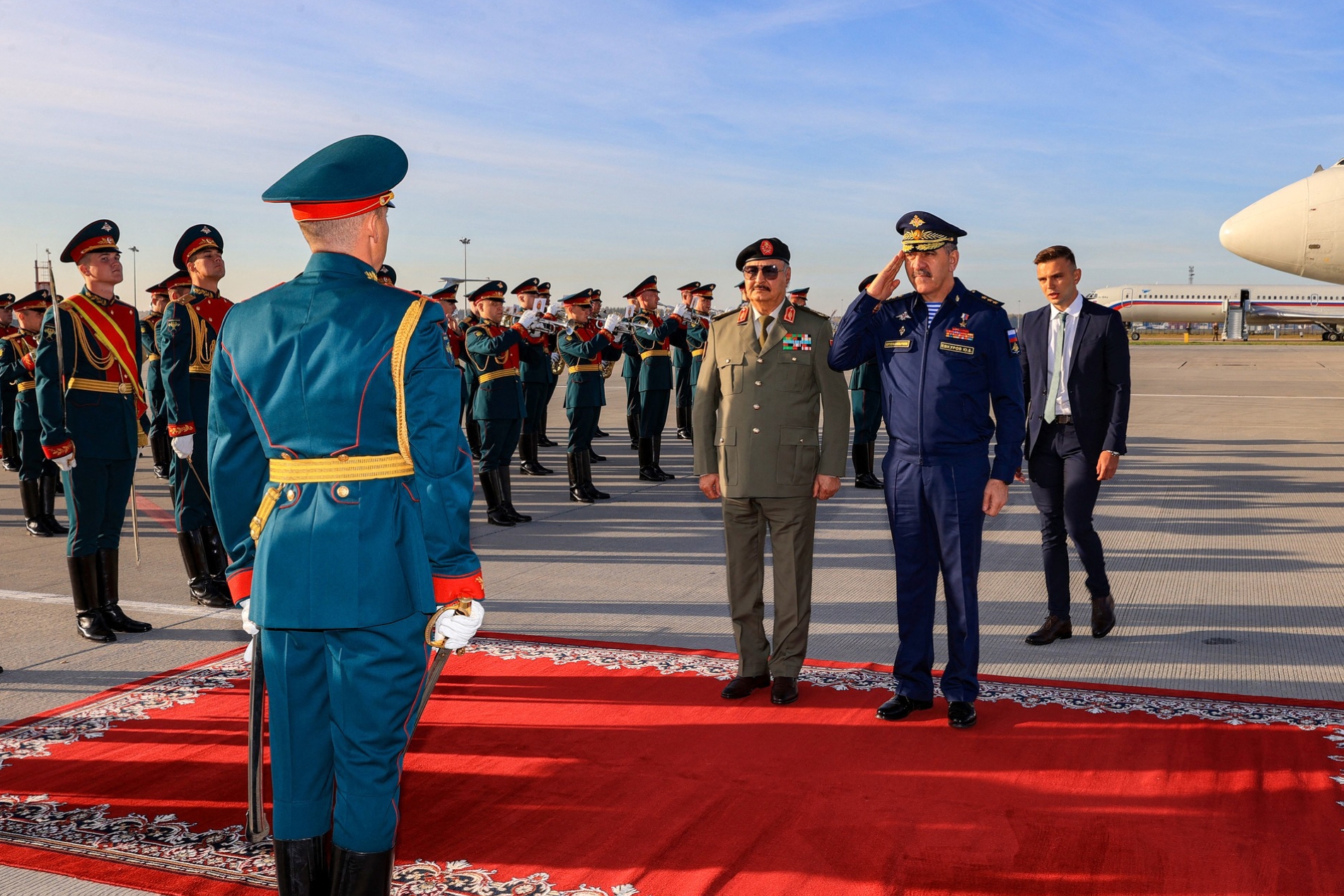
Egypt’s role goes beyond its traditional ties with Libya’s General Command. Its imprint is visible in Saddam’s own formation: his doctorate from Cairo’s military academy shows Egypt’s investment in him. Cairo sees him as a guarantor of continued security cooperation along its long border with Libya, and a bulwark against groups it considers existential threats. Meanwhile, Russia’s relationship with the Haftars is more strategic than ideological. Moscow deployed the Wagner mercenary outfit to support Haftar’s Libyan National Army (LNA) and uses its links as leverage in talks with the West.
In Africa, Chad’s relationship with the Haftars is both cooperative and tense. They share a long border and several big tribes straddle it. The Haftars also have a role in Sudan, which is being torn apart by a brutal civil war. Although Haftar’s forces publicly deny ties to the Sudanese paramilitary group Rapid Support Forces (RSF), United Nations reports have detailed the family’s military support.
Uncomfortable questions
The RSF is alleged to be responsible for numerous war crimes in Sudan, and similar accusation surround Saddam Haftar in Libya. In 2022, Amnesty International documented grave violations attributed to the Tariq bin Ziyad Brigade, including extrajudicial killings, torture, enforced disappearances, sexual violence, and forced displacement. In February of this year, a UN Panel of Experts reported that oil contracts had been channelled to entities linked to Saddam, describing this as “a direct threat to Libya’s political transition and to peace and security”.