
Donald Trump lauds himself on his dealmaking. “Deals are my art form,” he writes in his appropriately named 1987 book, The Art of the Deal. “Other people paint beautifully on canvas or write wonderful poetry. I like making deals, preferably big deals. That’s how I get my kicks.”
Since taking up office for his second term as US President, Trump’s dealmaking has been prodigiously applied worldwide. From the Democratic Republic of Congo to the Islamic Republic of Iran, from Lebanon to Venezuela, Gaza to Kashmir, Trump has sought to reach a deal to end conflicts. Now, it seems his gaze has fallen on Libya.
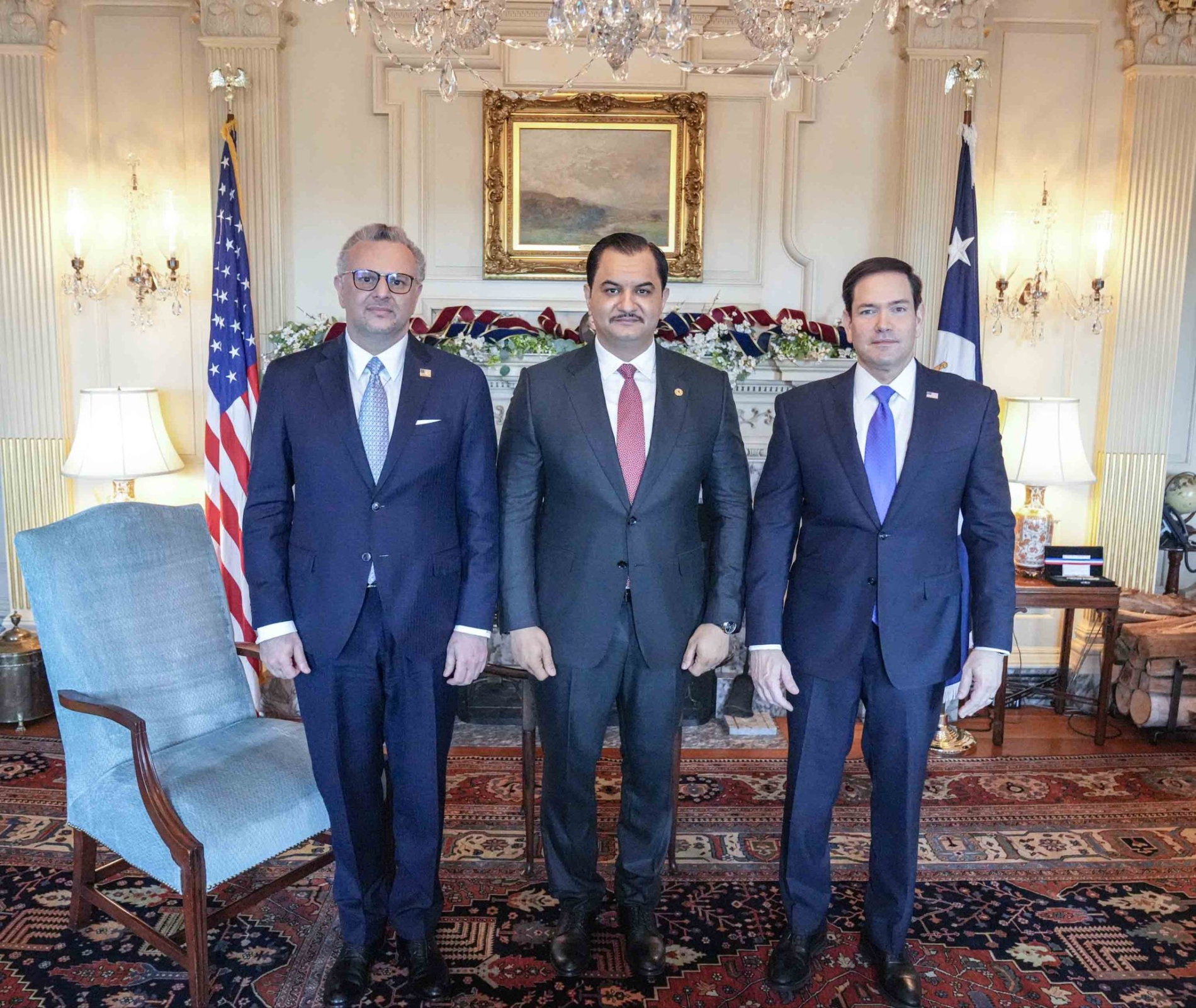
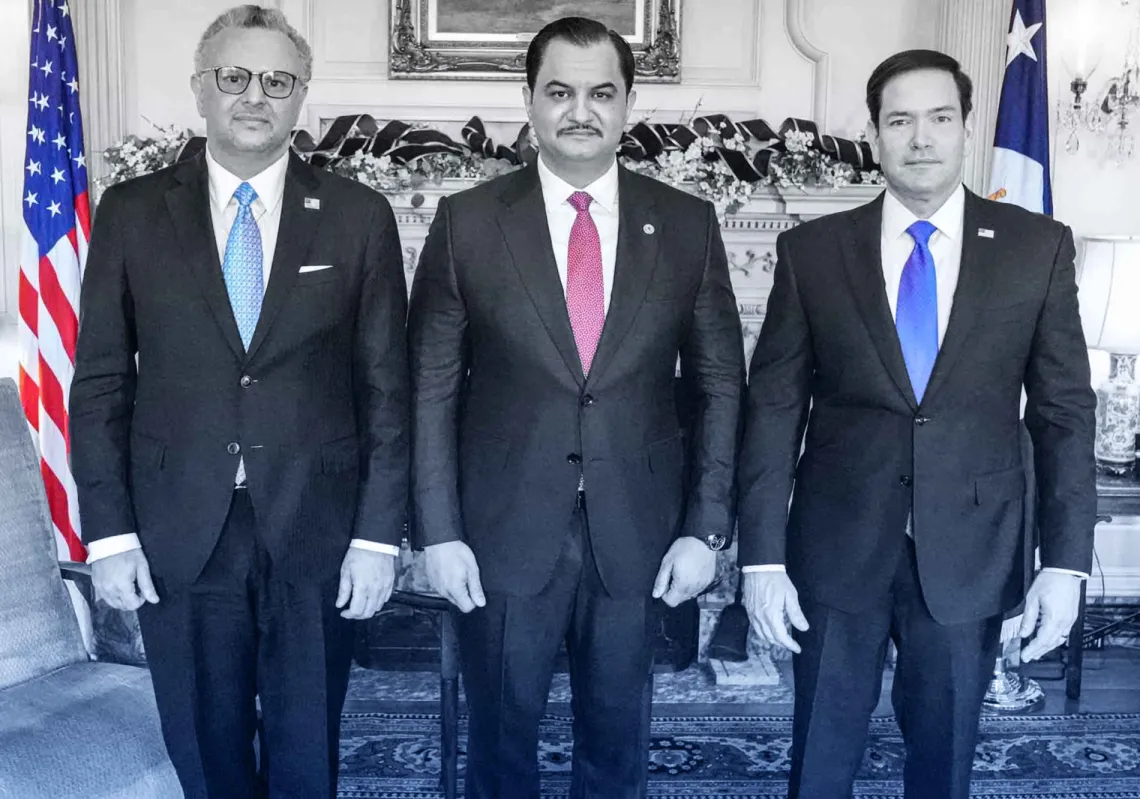
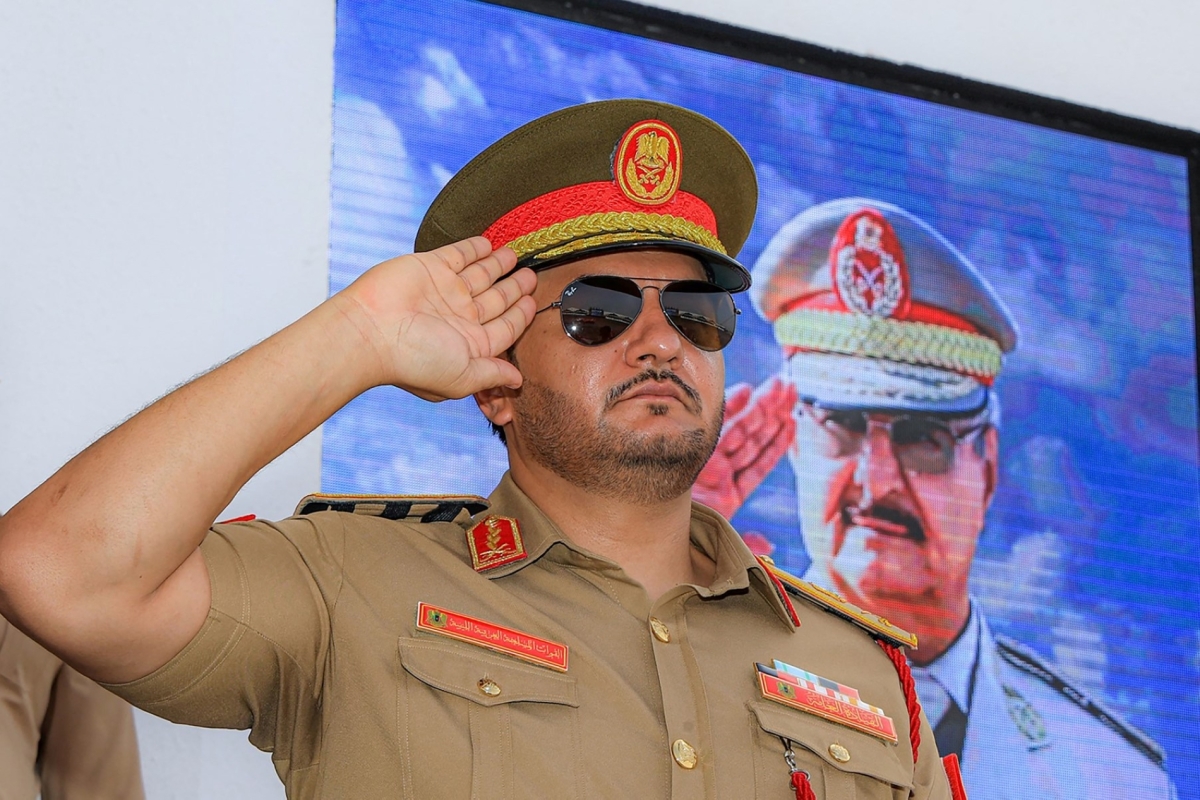
On 29 June, Trump’s Secretary of State Marco Rubio met Saddam Haftar, the deputy commander and heir-apparent of the Libyan Arab Armed Forces (LAAF), a militia that controls Libya’s oil-rich east and south. This official meeting comes after Trump’s advisor Massad Boulos had laid the groundwork for power-sharing in Libya, which has been torn between east and west for well over a decade.
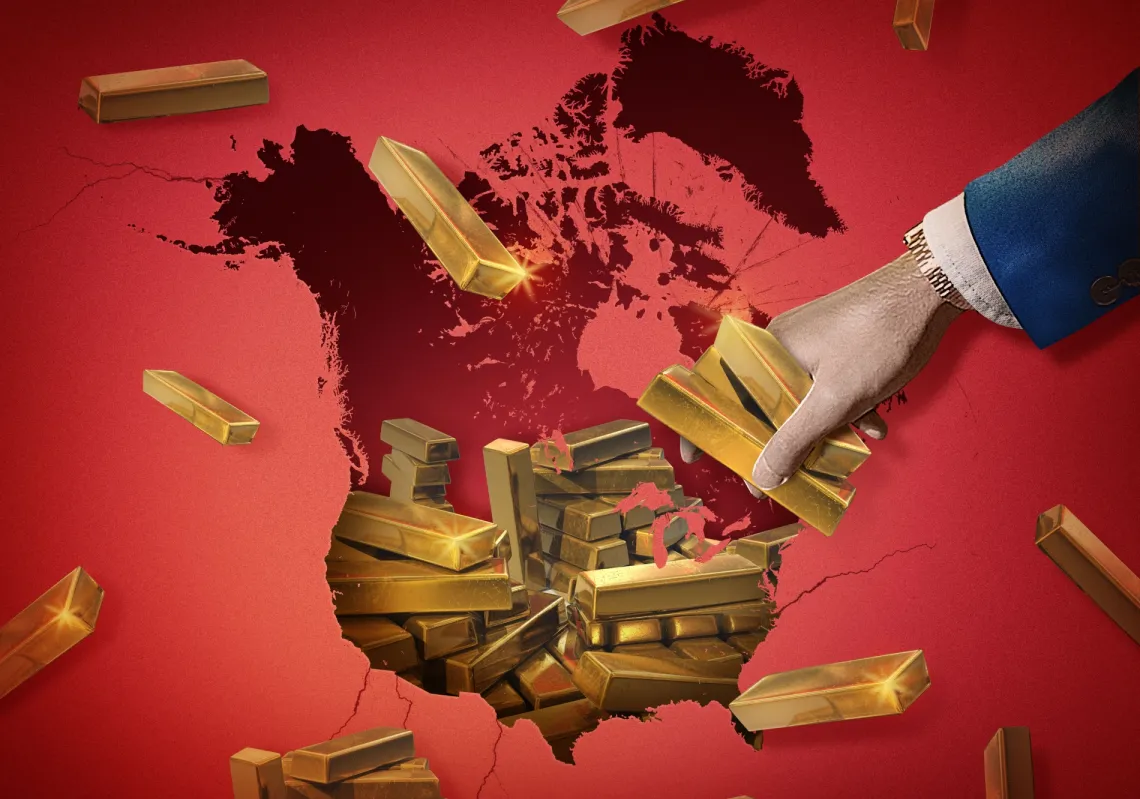
Libya has huge oil reserves, so, like Trump’s Congo deal, natural resources are at the heart of his interest, whilst in Gaza, the president’s comment about its potential to be a “Riviera” appeared to show more interest in the Mediterranean real estate opportunity, despite being home to two million Palestinians.
The 'Boulos deal'
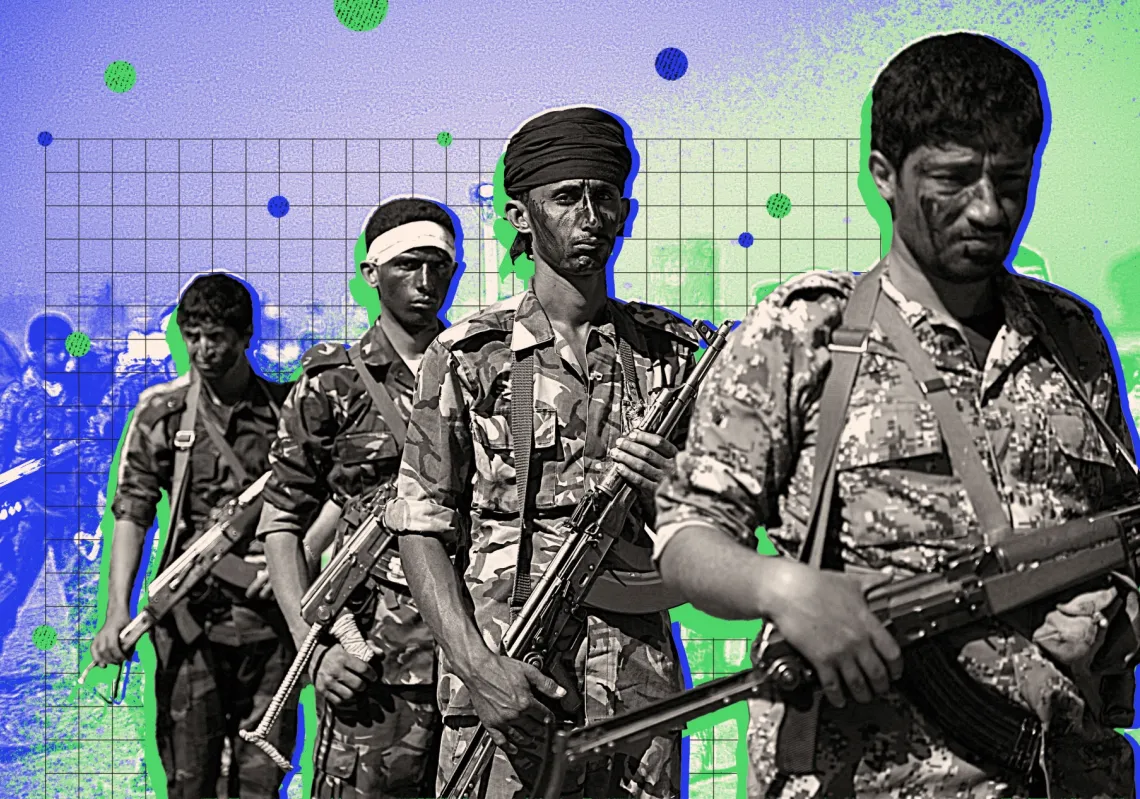
What is now known in Libya as the ‘Boulos deal’ is based on a simple equation. It seeks to build a durable peace through a power-sharing agreement between the two families that grabbed power in recent years. In Tripoli, there is the Dbeibeh family, while the Haftars (led by father, Khalifa) are in the east. With backing from abroad, the Haftars have created an oil-funded statelet with their own government.
A power-sharing arrangement would take the form of a new unity government involving both families (or their appointees). The profits from developing Libya’s offshore gas fields are being used as an incentive to keep the peace. The nub of the idea has been knocking around for years, but it has never found a way through the factionalism. However, this US administration prioritises the resolution of ‘forever wars’ through commercialism, so there is every chance Trump may succeed.
The economic environment that makes the unofficial elements of the deal possible has been gradually manufactured since the ‘Abu Dhabi oil deal’ of 2022 between Saddam Haftar and Ibrahim Dbeibeh, the latter being the special advisor (and relative) to Prime Minister Abdul Hamid Dbeibeh. Haftar agreed to lift Libya’s oil blockade; in exchange, the chairman of Libya’s National Oil Company (NOC) was replaced, and the east received a guaranteed share of Libya’s oil revenue.
In practice, this meant opening up the NOC, allowing the two families to take control of subsidiaries, and re-routing Libya’s oil revenues. Its final form was a new company, Arkenu, that broke the NOC's monopoly on selling Libyan oil, took ownership of roughly half of Libya’s oil exports, and divided the profits between the two families (through their international backers).
Foreign influence
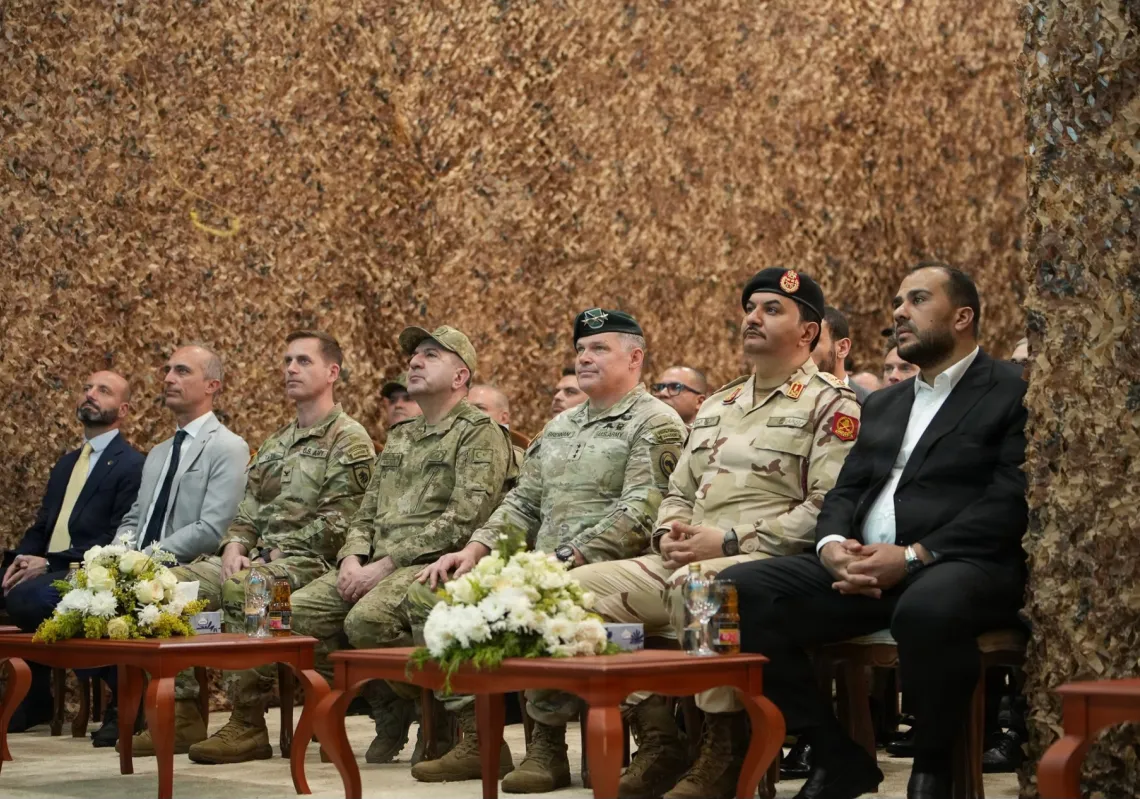
The political environment for the deal has been carefully forged by Türkiye over the past few years, using ‘economic diplomacy’ to engage both families and their territories with energy, construction, and other commercial projects. There has also been ‘military diplomacy,’ exercised through bases in western Libya. Haftar was recently hosted at a Turkish arms fair.
Türkiye’s influence is now being wielded to try to solidify a status quo that has been immensely profitable to them. Ankara wants to finalise an agreement on maritime borders that is crucial to the country’s Mediterranean strategy. To this end, the support of the Italians and the Americans has been sought for a power-sharing deal, with Boulos shuttling between Tripoli, Benghazi, Rome, and Paris. The idea being mooted in these capitals is to appoint Saddam Haftar as Libyan president.