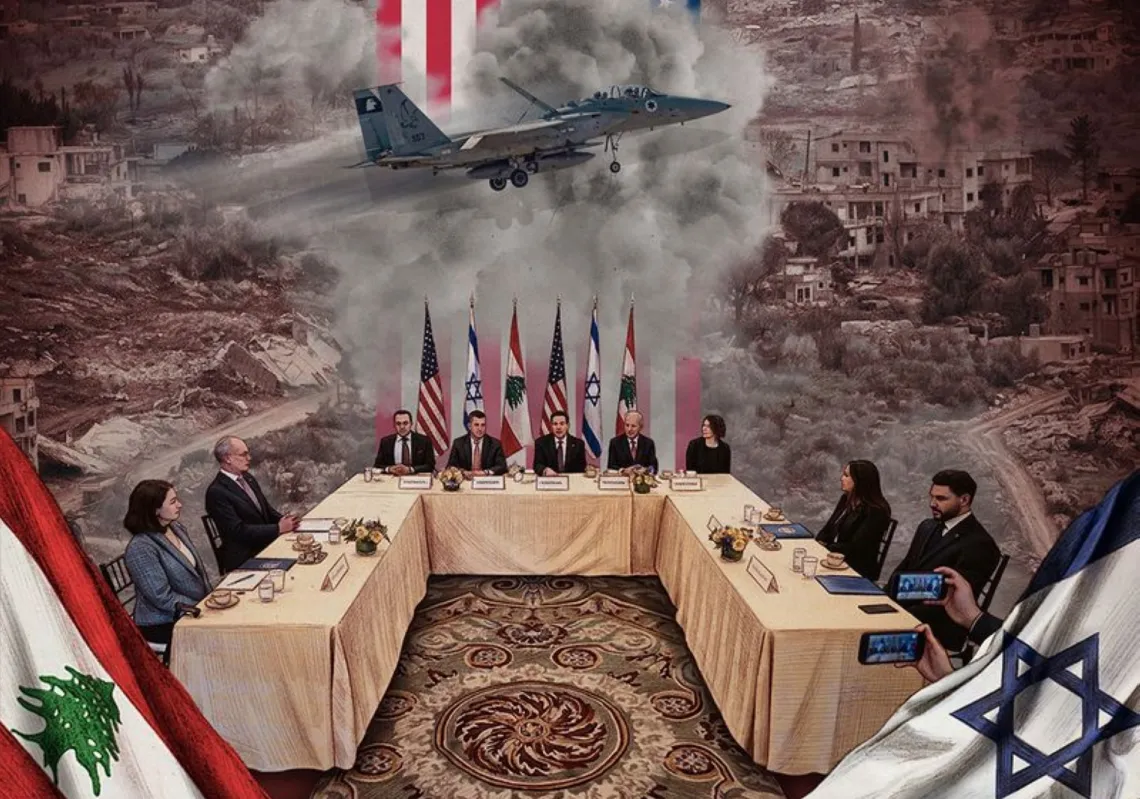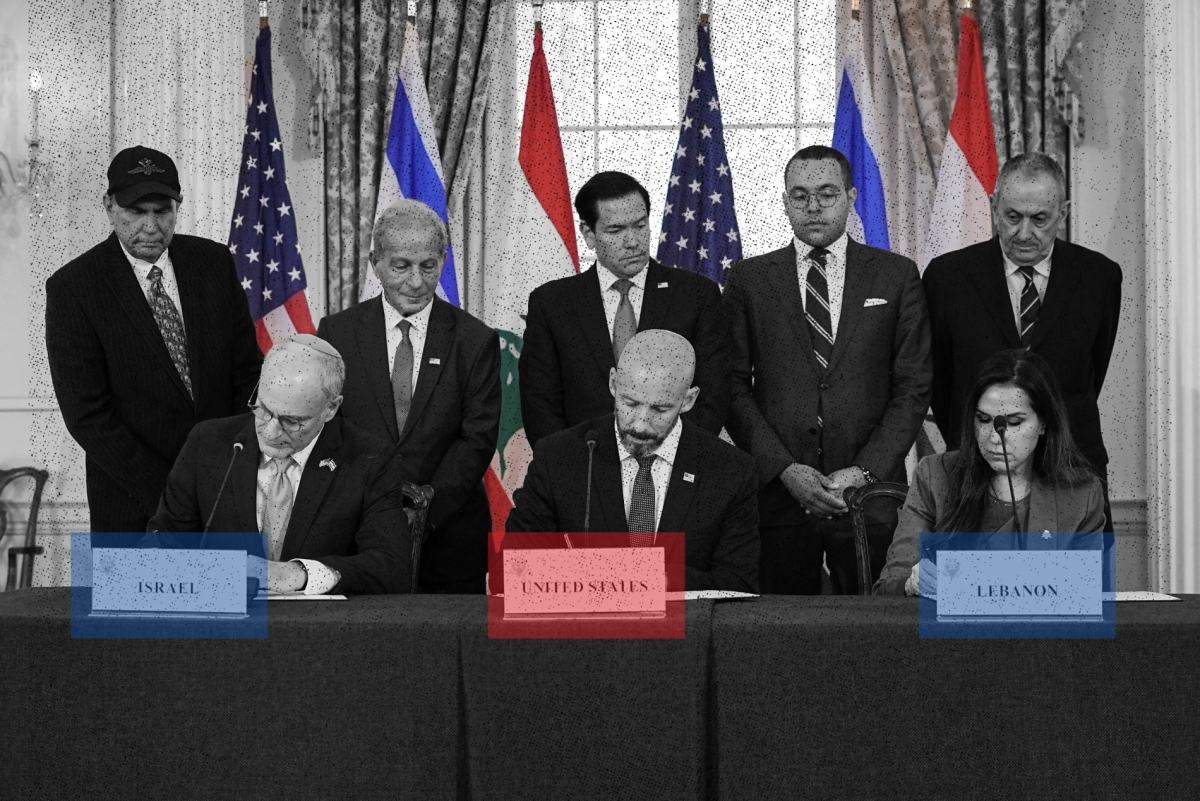

After a ‘framework agreement’ was signed between Lebanon and Israel in Washington on 26 June, attention has shifted to its implementation. Sponsored by US Secretary of State Marco Rubio, it aims to end hostilities between the two Middle East neighbours, secure the Israeli army’s withdrawal from southern Lebanon, extend the authority of the Lebanese army across all Lebanese territory, and enable Lebanese soldiers to bring all non-state weapons under national control.
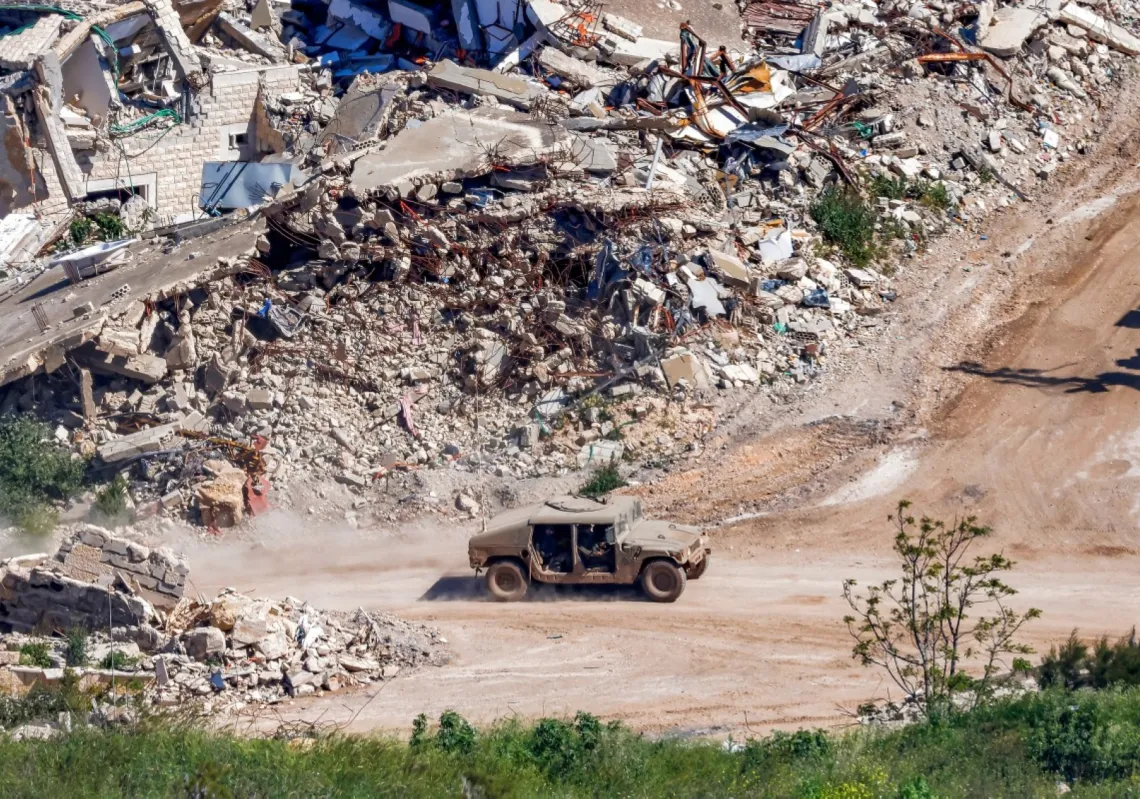
In violation of a memorandum of understanding signed between the US and Iran, which stipulates that Israel halt all attacks on Lebanon and respect its sovereignty, Israel is still launching airstrikes in the south and insists that it will not withdraw until Hezbollah is disarmed. The group has been attacking Israel’s occupying forces, causing several fatalities in recent days. Now, with this new agreement, which defies key aspects of the US-Iran MOU, observers wonder whether Israel will even honour these commitments, beginning with two ‘pilot’ areas—Zawtar al-Gharbiyeh and Froun—being handed over to the Lebanese army as a first step.
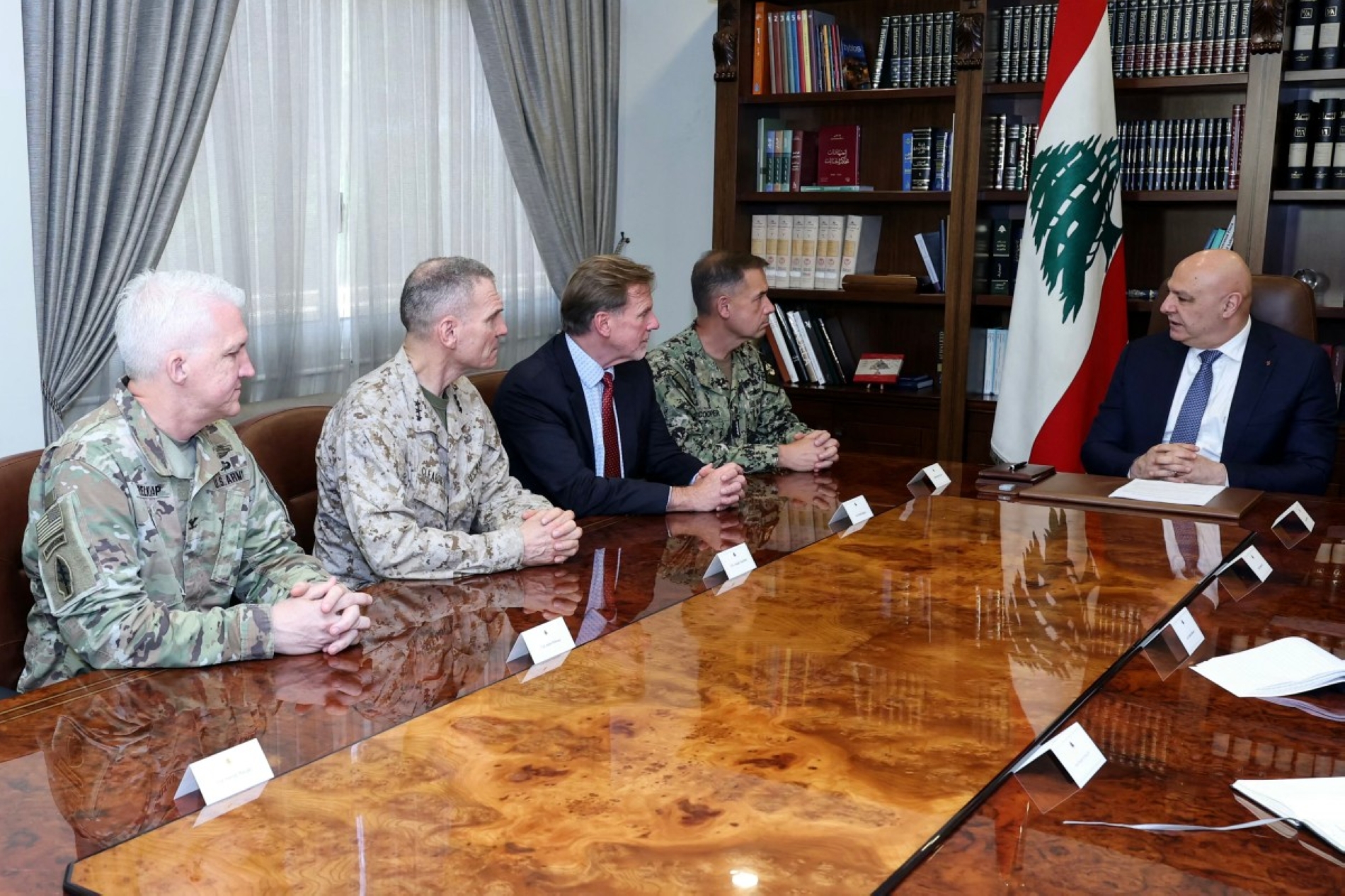
The Washington Post quoted a US official as saying that “the United States will play a direct role in monitoring the movements of the Lebanese and Israeli armies, including through the use of US forces on the ground in Lebanon and Israel”. Sources close to the Lebanese presidency say the visit to Beirut of Admiral Brad Cooper from US Central Command (CENTCOM) to Beirut this week was “to coordinate positions with Lebanon regarding the security and military preparations, as well as between the Lebanese and Israeli armies, following the completion of the two model areas”.
Cooper was accompanied by a US military team that would conduct field reconnaissance in the south and oversee military follow-up. Before Beirut, he flew to Israel to coordinate preparations. In practice, Washington is managing events on the ground, whether security, military, or logistical. “The first step is to consolidate the ceasefire,” said the source. “Work will then proceed on preparing the two pilot areas ahead of the Lebanese army’s deployment there... The two armies will not overlap on the ground.”
Pilot zones
The idea is that the Israelis slowly withdraw from the areas they currently occupy, to be replaced town by town by the Lebanese army. Wherever Hezbollah is active, “the means by which the army can deploy and place weapons under its sole authority will be examined,” they said. Hezbollah is not a signatory to the Israel-Lebanon framework agreement, nor does it condone it. Despite its stance, the source said that “Qatar has opened a channel of communication with Iran... to facilitate the Lebanese army’s mission,” adding: “It could become the subject of US-Iranian contacts.”
A diplomat told Al Majalla that the towns of Zawtar al-Gharbiyeh in the Nabatieh district and Froun in the Bint Jbeil district were chosen as two “models” for testing the Lebanese-Israeli agreement, with the Lebanese army to determine the areas’ boundaries before the US military delegation and the relevant Israeli parties.
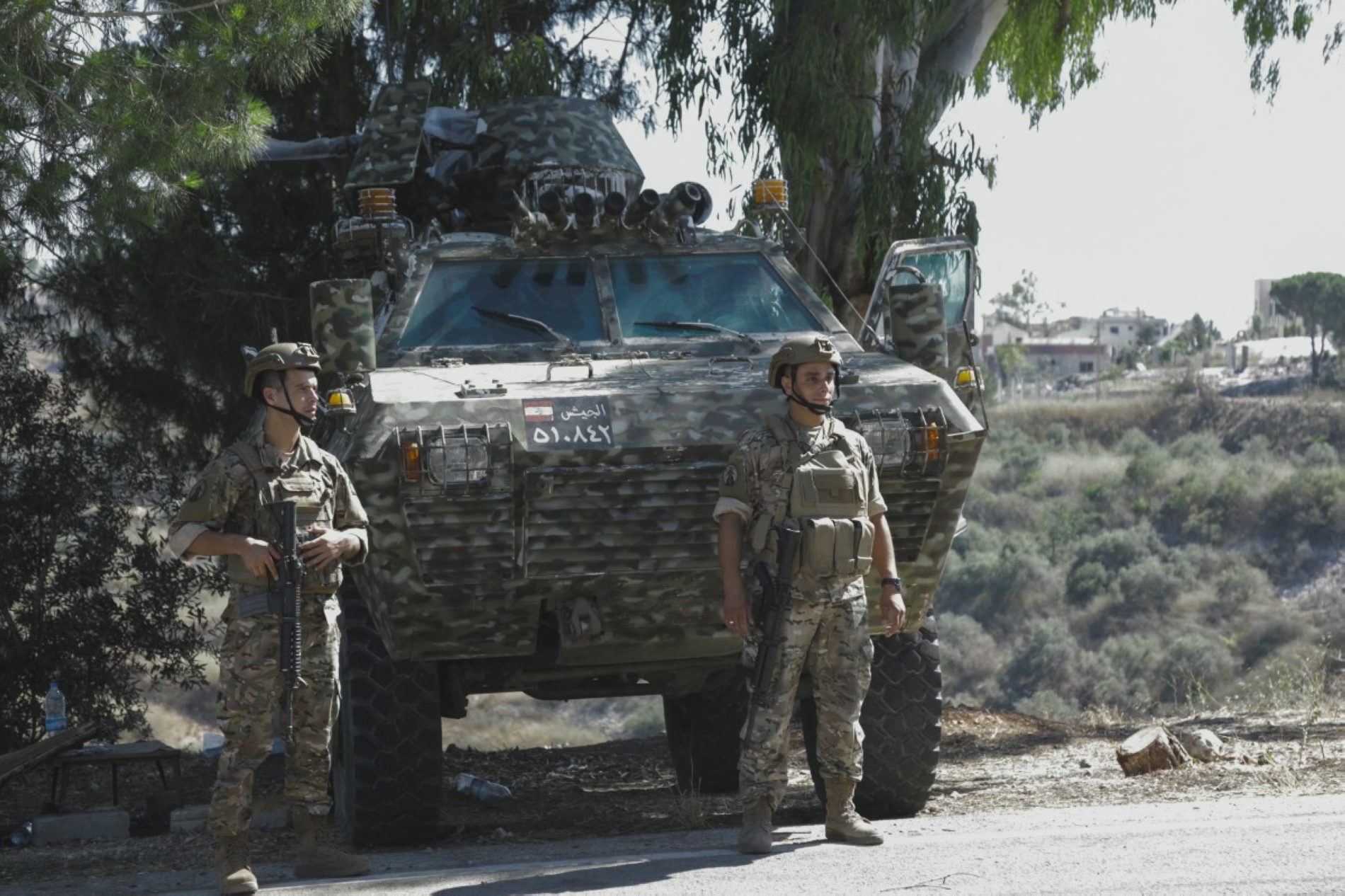
“Froun lies outside the Yellow Line, yet along its boundary, and is considered to be within Israel’s field of fire,” they said. “There are no residents or Israeli soldiers on the ground. However, it is still an unsafe area. Since Israel had been refusing a full withdrawal, this area was chosen because of its proximity to the dividing boundary of the Yellow Line.” The arrangements require that Froun and Zawtar al-Gharbiyeh be cleared of weapons and that the Lebanese army deploy there.
“The details will be agreed with the Americans on the ground,” said the source. “The president (Joseph Aoun) is counting on the successive and swift expansion of the pilot areas, should they prove successful. This will depend on the Lebanese army’s assessments and follow-up. Lebanon has realised Israel will not withdraw from all Lebanese territory at once, and that gradual, successive withdrawals will be the means by which the objective of full withdrawal is ultimately achieved.”