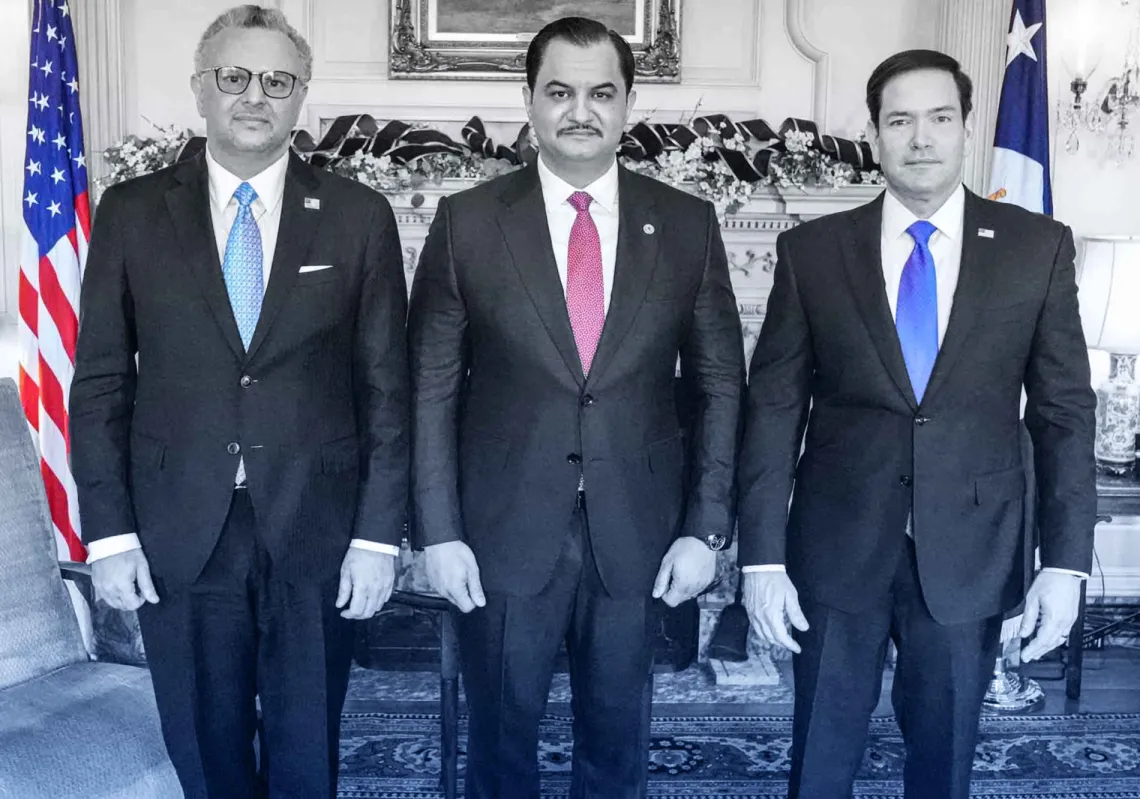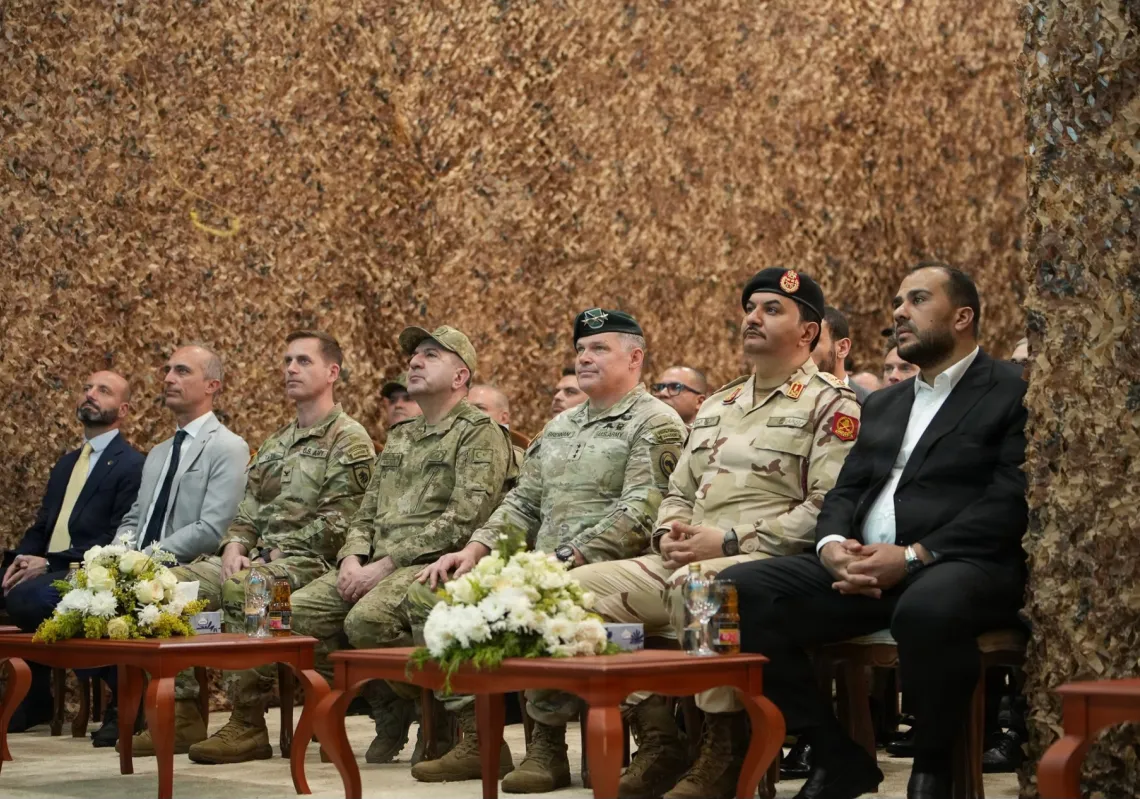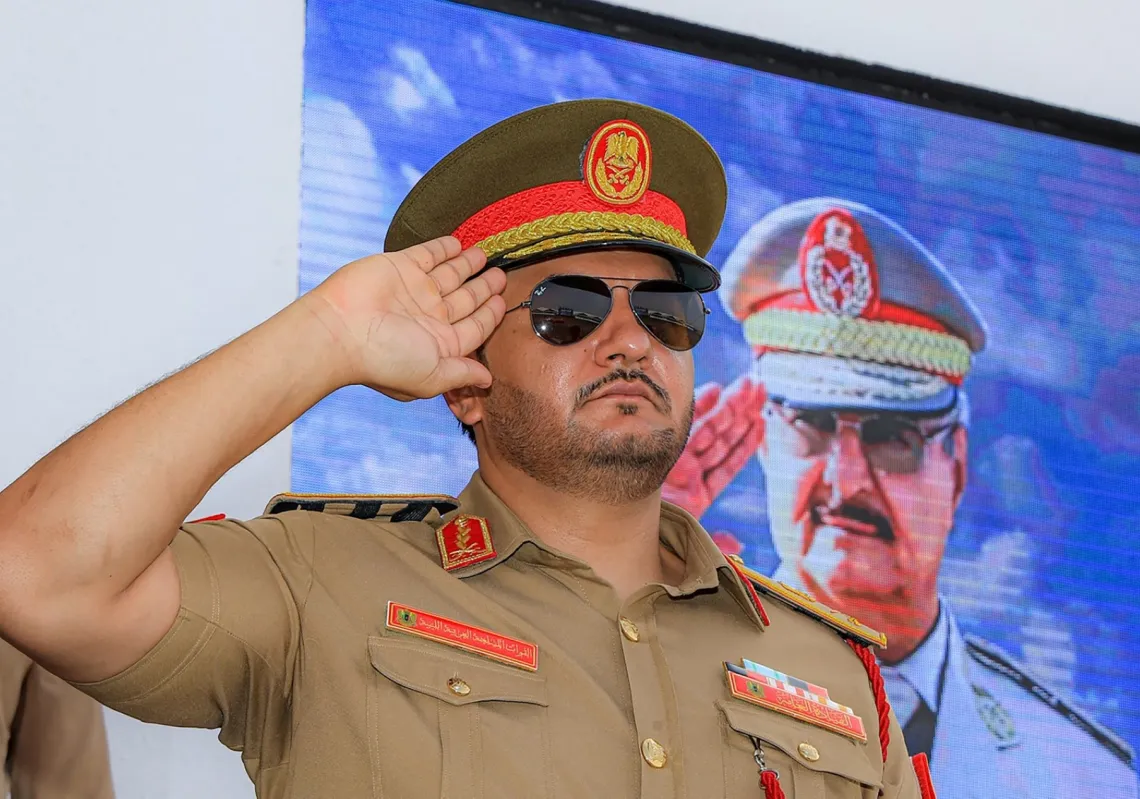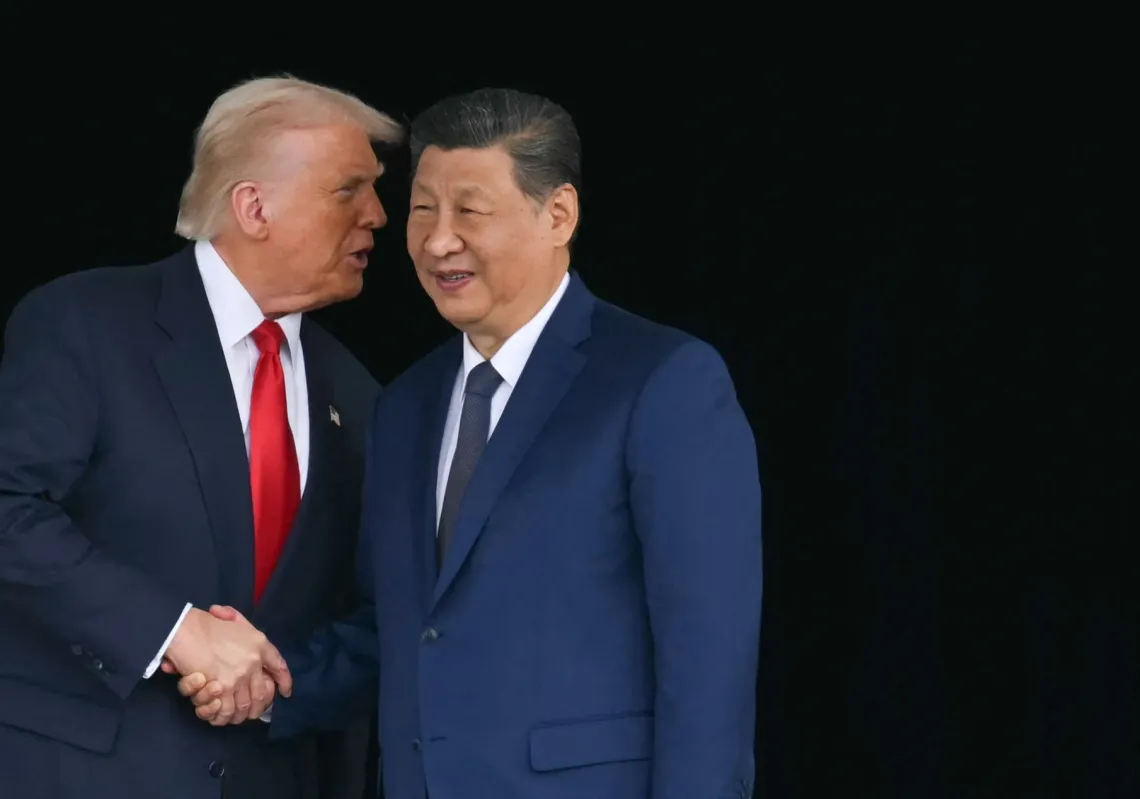

A US initiative led by Massad Boulos, Donald Trump’s Middle East advisor, appears to be gaining traction. After a long series of agreements and conferences held under the banner of state unification, Washington now seems closer to pursuing a settlement based on power sharing between centres of influence in the east and west.
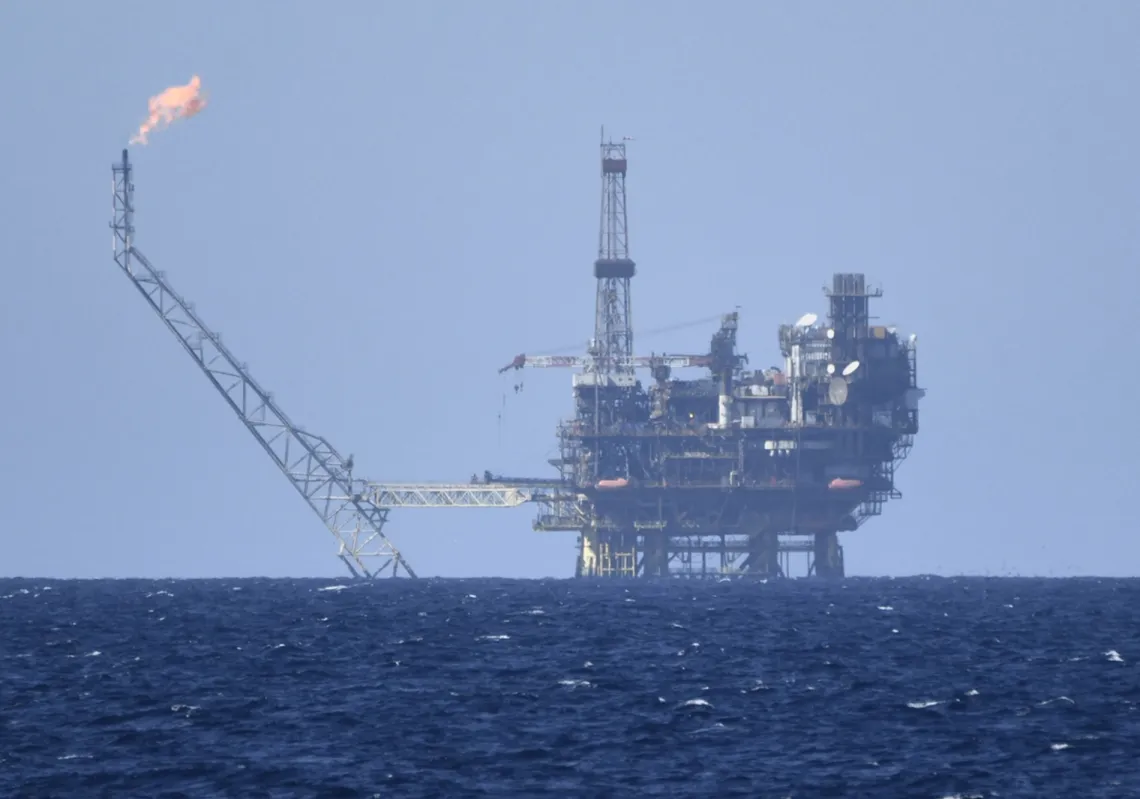
The US war on Iran and the subsequent disruption of maritime trade in the Strait of Hormuz have forced Washington to recalibrate its energy security. And with Libya having the largest proven oil reserves in Africa, it is no surprise that the US has taken such a keen interest in its affairs.
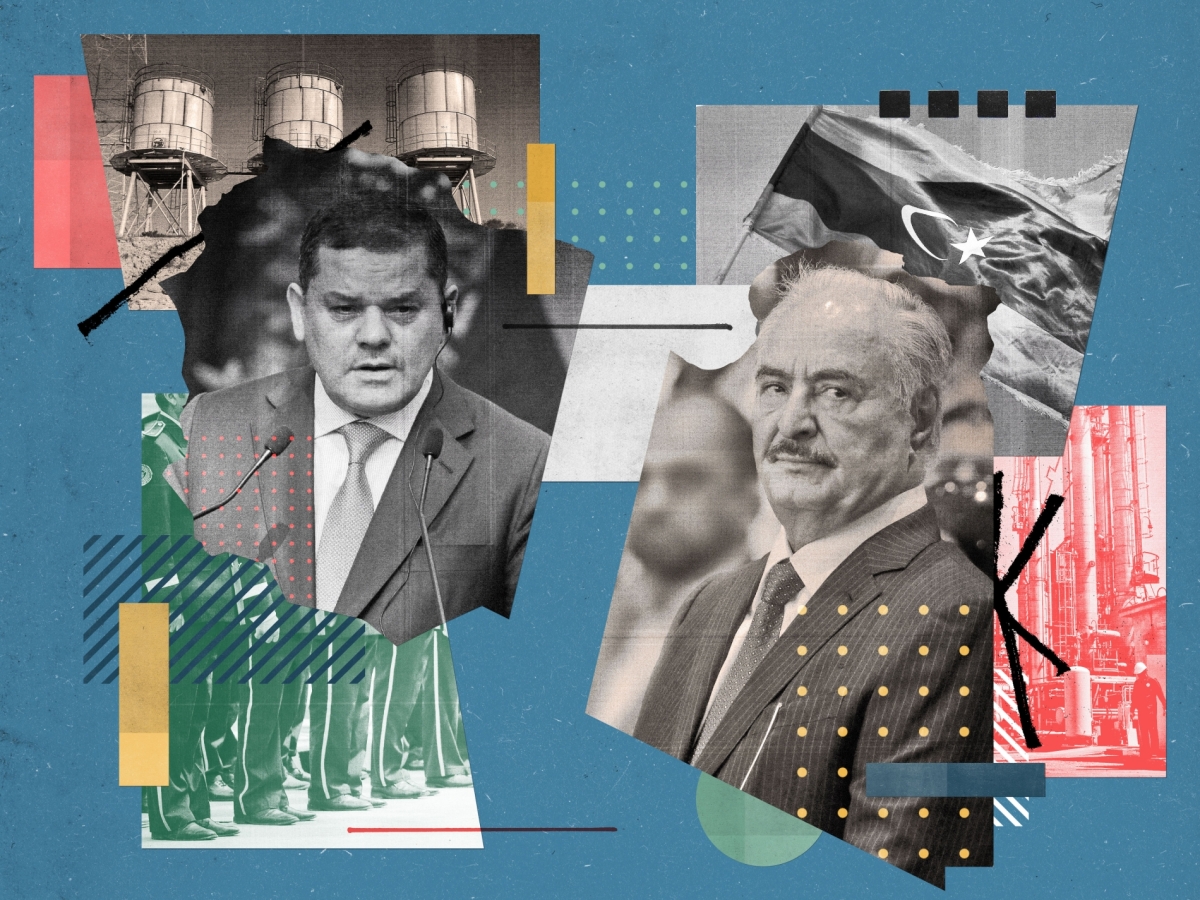
What stands out most about this initiative, however, is that it is not based on constitutional institutions, nor does it follow the traditional United Nations track. Instead, it is based on the raw on-the-ground realities in Libya, where military and political power rests with two warring factions in the East and the West. To this end, arrangements to bring together Abdul Hamid Dbeibeh’s government in Tripoli and to give Khalifa Haftar’s camp a leading role within a new governing structure are being hammered out. But is this real unification or simply the management of division? Our cover story tackles the issue from different angles, offering different perspectives.
But if history is any indication, optimism over any deal may be premature. While there have been many successful power-sharing initiatives, none have brought Libya closer to becoming a functioning state.
Read more:
1. US plan for Libya: unification or management of division? by Areig Elhag
2. Trump's Libya deal: a 'forced marriage' between East and West? by Manaf Saad
3. Libya’s intransigent factions test US push for unity by Tarek Megerisi
4. Is Libya entering a gas golden age? by Rana Freifer