Cuba, lawfare, and Trump’s Venezuela temptation

A new American legal ruling turns the screw on the Caribbean island nation by increasing the risks companies face by continuing to make money there. This is all part of the plan.

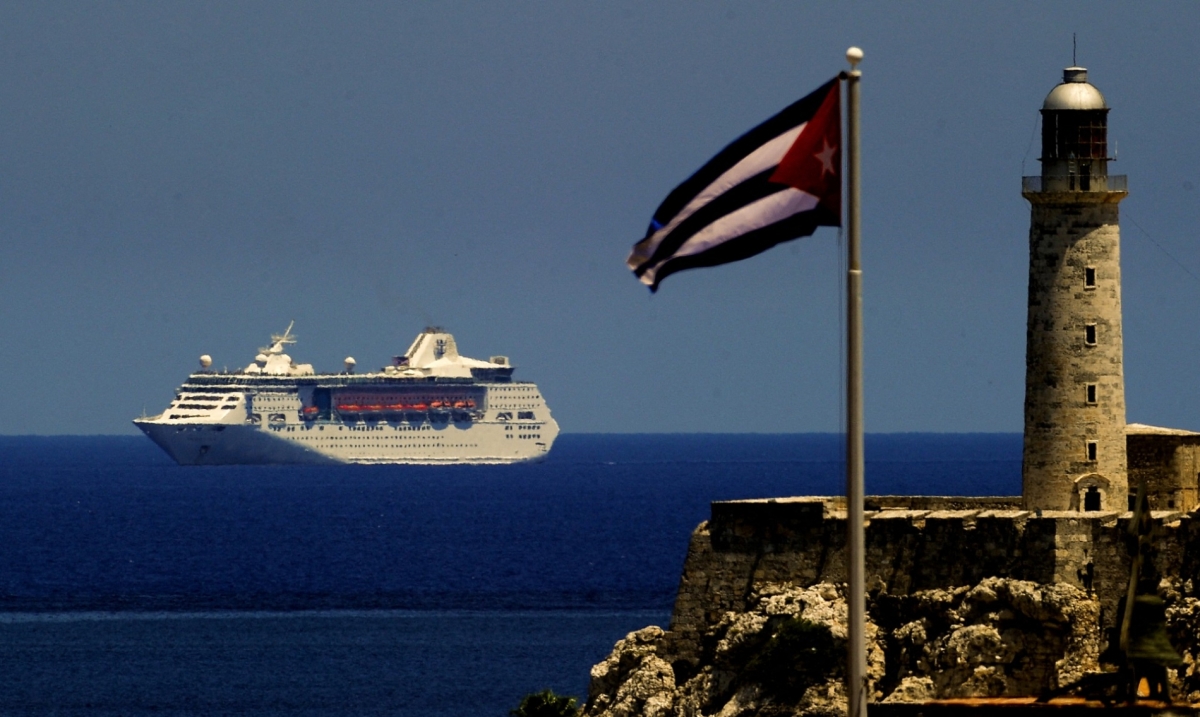
A Royal Caribbean cruise sails into the Havana harbour on 6 May 2019, after the activation of Chapter III of the Helms-Burton Act, which sought to intensify the US blockade against Cuba.
YAMIL LAGE / AFP
A Royal Caribbean cruise sails into the Havana harbour on 6 May 2019, after the activation of Chapter III of the Helms-Burton Act, which sought to intensify the US blockade against Cuba.

Cuba, lawfare, and Trump’s Venezuela temptation

A US Supreme Court ruling last week revives multi-million-dollar Cuba compensation claims against cruise giants, reopening one of the oldest wounds in relations between Washington and Havana.

The ruling concerned Havana Docks Corporation v Royal Caribbean Cruises, which, on its surface, relates to cruise ships, dock facilities, and a property concession granted before the Cuban Revolution. Its political significance, however, is larger than the litigation itself, as a case over the Port of Havana has become part of the struggle over confiscated property, sanctions, and US efforts to shape Cuba’s future.

The ruling does not mean that companies can now sue the Cuban government directly for revolutionary-era expropriations. Rather, its importance lies elsewhere. By accepting a broader reading of ‘confiscated property’ under Title III of the Helms-Burton Act, the Court has increased the risks faced by companies using assets seized after 1959, giving Trump’s Cuba policy a sharper judicial edge as his administration tightens sanctions, oil restrictions, and punitive measures.

In this way, the latest Havana Docks ruling turns an old property claim into a contemporary instrument of coercion, reflecting a policy architecture in which sanctions act as both economic tools and political statements about sovereignty, legitimacy, and the state Washington believes should exist in Cuba.

Havana Docks Corporation acquired a concession in 1928 to develop and operate docks at the Port of Havana. After Fidel Castro came to power on the island in 1959, the new Cuban government seized properties linked to American nationals, including the docks, which had been built by the company. Havana Docks later obtained a certified claim through the Foreign Claims Settlement Commission (FCSC), although it had lacked a route to compensation for decades.
YAMIL LAGE / AFP
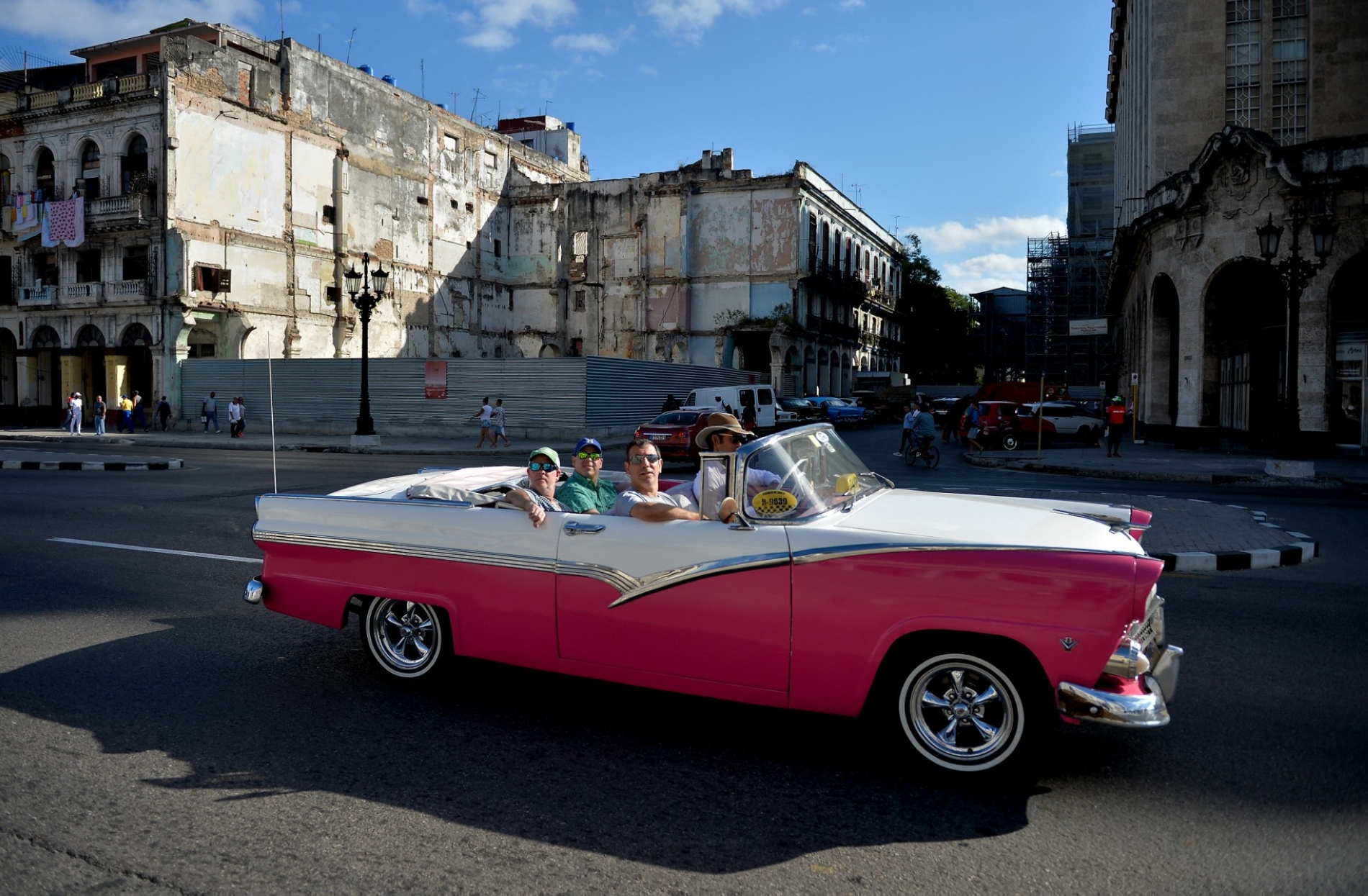
Tourists ride on an old American car serving as a taxi in Havana, on 6 May 2019 after the activation of Chapter III of the Helms-Burton Act, which sought to intensify the US blockade against Cuba.

Enter Helms-Burton

That changed in 1996, when Congress passed the Cuban Liberty and Democratic Solidarity Act, better known as Helms-Burton. Title III created a private right of action for US nationals whose property had been confiscated by the Cuban government, making those who trafficked in such property potentially liable in US courts. Because of the diplomatic risk, successive presidents kept Title III suspended, but Trump allowed that suspension to lapse during his first term, in May 2019.

Havana Docks then sued four cruise lines that had carried passengers to Cuba between 2016 and 2019, during the period shaped by former US President Barack Obama’s rapprochement. The cruise lines argued that the company’s concession would have expired in 2004 even without confiscation, so their later use of the facilities did not interfere with any continuing property interest. The Court rejected that view, holding that the relevant property could be the physical docks themselves, not only the time-limited concession. Assets taken after 1959 may now carry litigation risk even where the original interest would otherwise have expired.
Helms-Burton both punishes the Cuban state and imagines the terms of its replacement

Strategic lawfare

Helms Burton has always been more than an embargo statute. It codified much of the existing sanctions framework, limiting the ability of future presidents to dismantle it by executive action alone, while internationalising the dispute by seeking to deter foreign companies from investing in Cuba or dealing with assets linked to confiscated property.

The law's political ambition is built into its structure. Title I reinforces sanctions, Title III opens the door to litigation over confiscated property, and Title IV restricts entry into the United States for foreign nationals linked to such property. Title II goes further still, setting the conditions under which Washington would recognise a transitional or democratically elected Cuban government.

In other words, Helms-Burton both punishes the Cuban state and imagines the terms of its replacement. That is what makes the Havana Docks ruling politically potent. It revives the property question as the Trump White House presents Cuba as part of a broader regional struggle against 'authoritarian' allies of Venezuela, Nicaragua, Russia, and China.

AFP
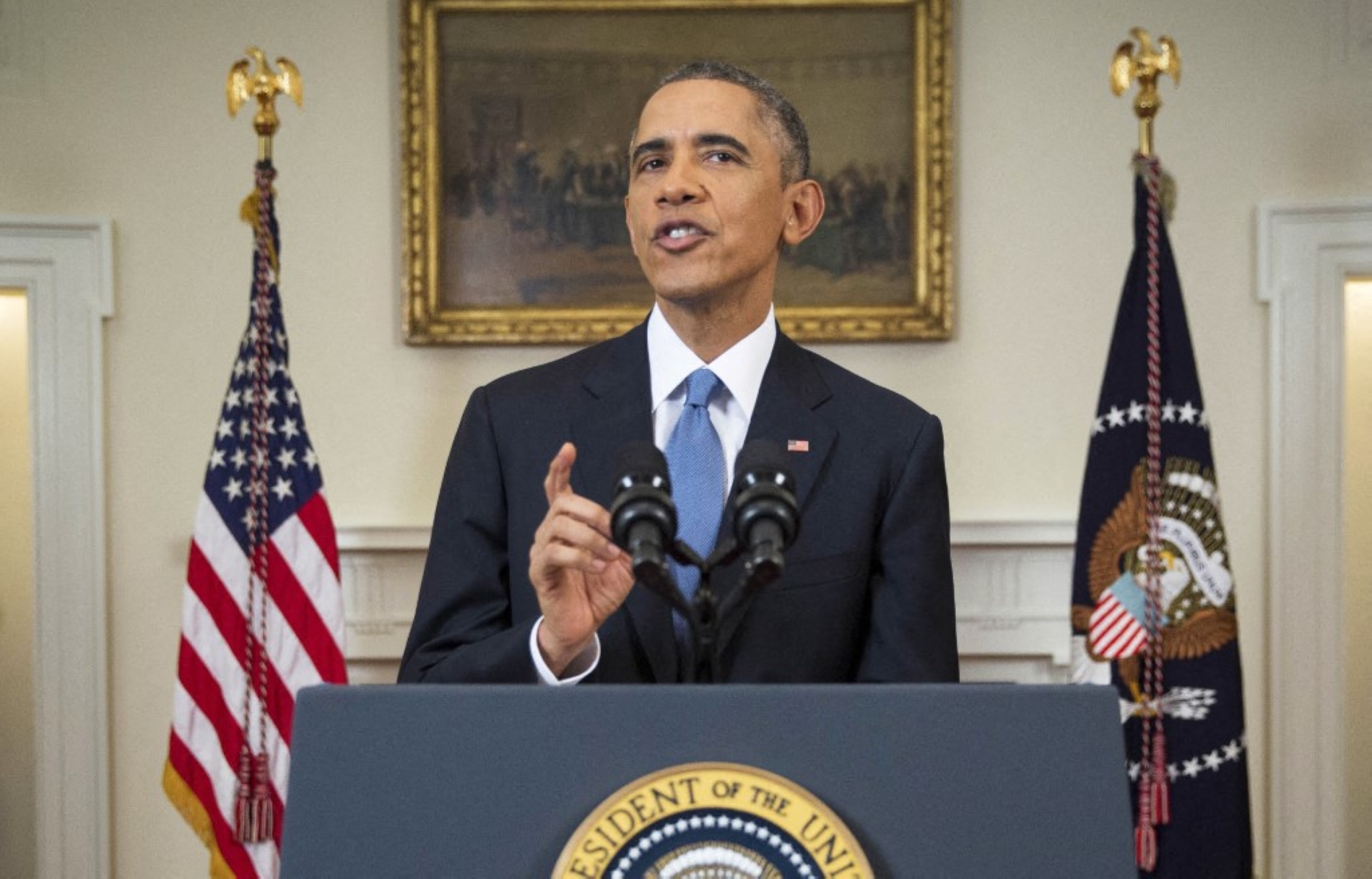
US President Barack Obama speaks to the nation about normalising diplomatic relations with Cuba in the Cabinet Room of the White House on 17 December 2014 in Washington, DC.

Carrot and stick

United States policy towards Cuba has often moved between coercion and engagement. Obama's rapprochement leaned towards the latter while leaving much of the embargo structure intact. Trump's approach returns to coercion with more expansive instruments. For more than two decades, Title III remained suspended because it threatened to turn Cuba policy into a conflict not only between Washington and Havana, but also between Washington and its partners.

European hotel groups, Canadian mining companies, shipping firms, banks, and insurers could all face exposure if their activities touched property claimed by US nationals, so the legal uncertainty acted as a deterrent. Trump's 2019 activation of Title III converted an unused threat into active litigation.

The early results were mixed. Between May 2019 and January 2023, there were 42 filings—far fewer than anticipated—with many suits facing obstacles related to jurisdiction, standing, and proof of trafficking. The mechanism still carries political weight, since even failed lawsuits can create uncertainty, raise compliance costs, and add another layer to the sanctions architecture.

The latest measures continue that trajectory, with new sanctions against Cuban officials, restrictions on entities accused of sustaining repression, and scrutiny of firms in shipping or energy flows. Washington appears to be trying to make Cuba commercially inhospitable. This is where law becomes strategy, since secondary sanctions often work through anticipation rather than enforcement.

Companies do not need to lose a lawsuit or face a penalty to withdraw; they may simply decide that Cuba is no longer worth the risk. Banks, insurers, shipping companies, and investors can then retreat, turning compliance departments into agents of policy even without direct instruction from the state.

AFP
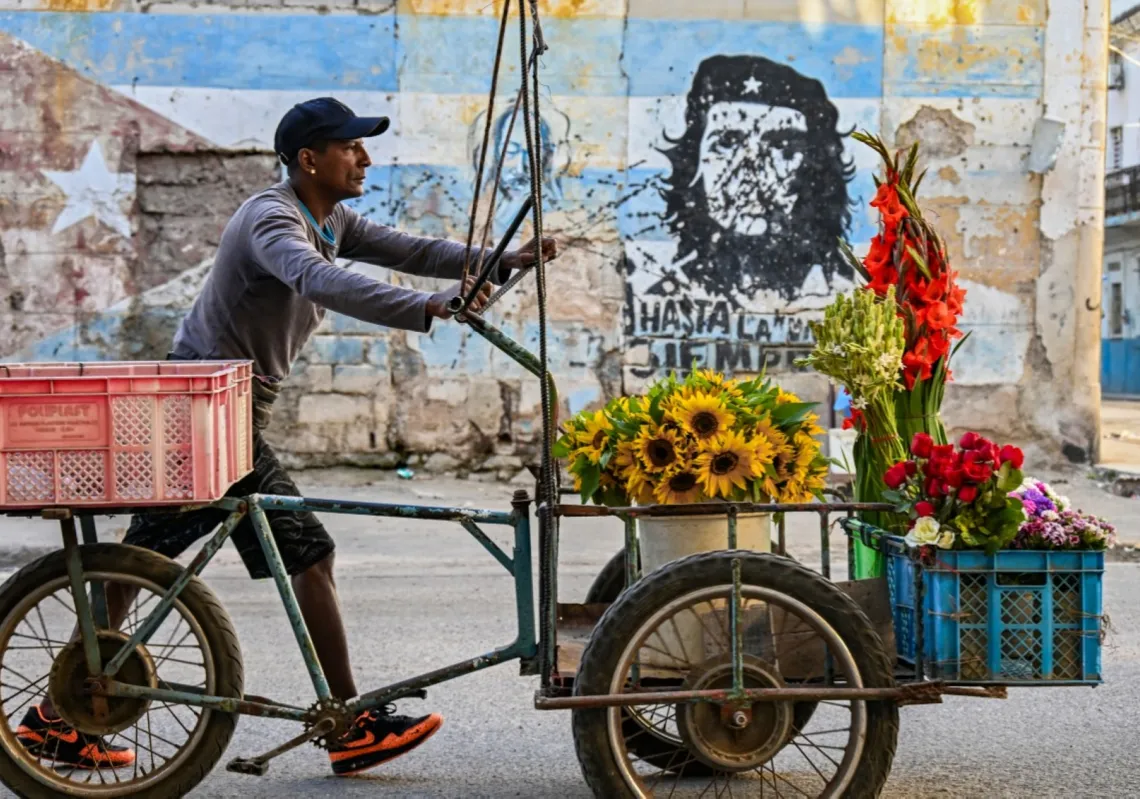
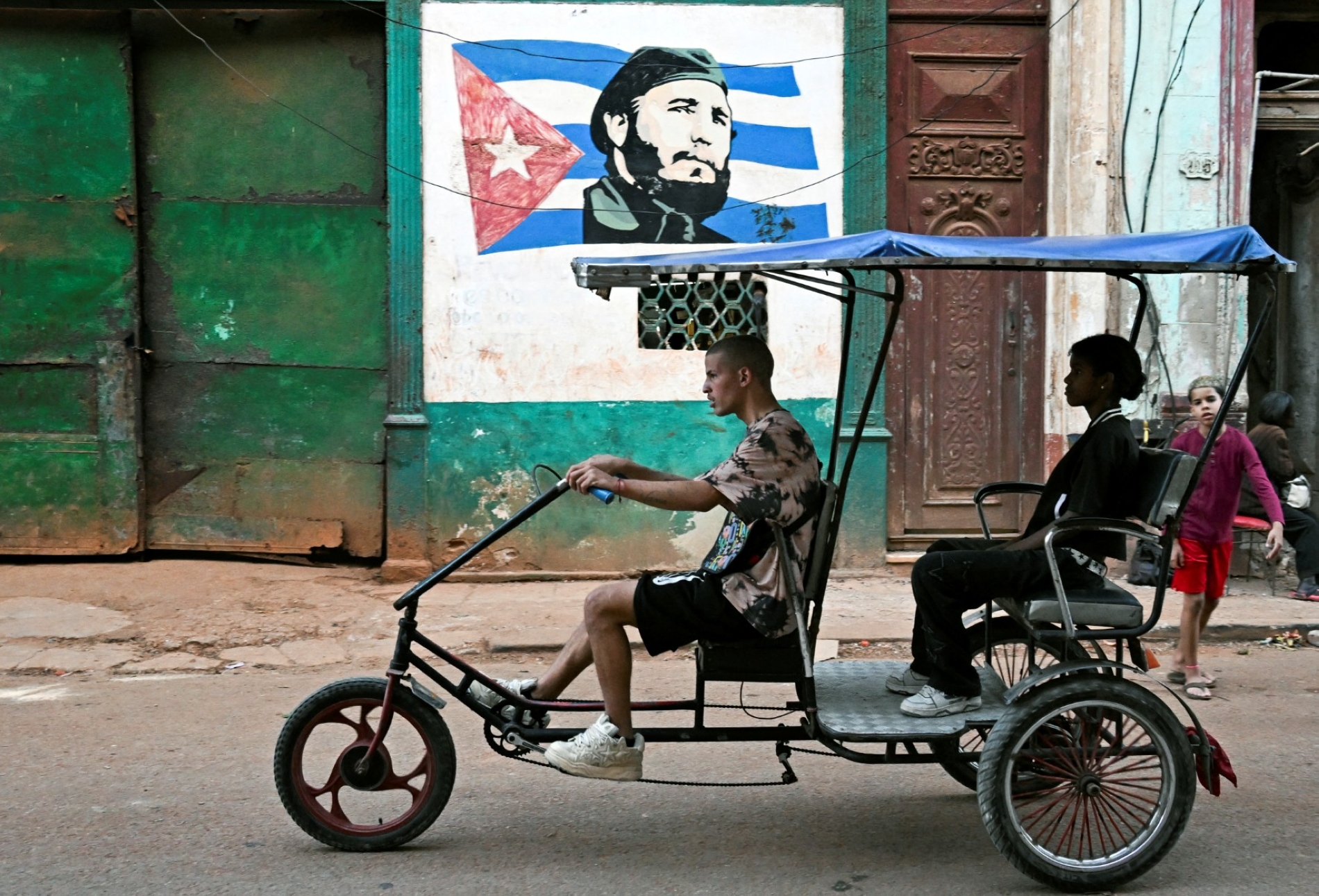
A tricycle travels through a street in Havana, on 13 February 2026.

Cuba vs Venezuela

For Havana, the stakes are heightened by shortages, energy instability, inflation, declining public services, and continued emigration. Cuban society is already strained by domestic inefficiencies, sanctions, diminished Venezuelan support, and failed reforms. At this point, comparison with Venezuela becomes unavoidable.

Trump's regional strategy has often relied on maximum pressure against governments defined as corrupt and hostile to US interests. In Venezuela, that meant sanctions on oil, pressure on regime officials, recognition of opposition claims to authority, legal action against state-linked actors, and attempts to fracture elite loyalty. The intention was to make the existing government unsustainable while encouraging a transition more aligned with Washington.

Cuba now appears to be facing a version of the Venezuelan model, although the instruments are not identical and the pattern is only partly comparable

Cuba now appears to be facing a version of that model, although the instruments are not identical and the pattern is only partly comparable. The issue is whether a strategy that relied for years on sanctions, isolation, and elite pressure before Maduro's capture can be replicated against a Cuban system built through decades of confrontation with Washington.

The resemblance should not obscure the differences. Venezuela offered Washington political entry points that Cuba does not, first through an opposition figure who could be recognised internationally, then through a post-Maduro interim arrangement involving Delcy Rodríguez, whose role has allowed Trump to pursue stability while reopening access to Venezuelan oil.

Cuba presents a different landscape, with a fragmented opposition, no single leadership figure with comparable external recognition, and security structures forged through siege politics. Its governing elite has endured not through economic success, but through mechanisms of control and adaptation.

AP
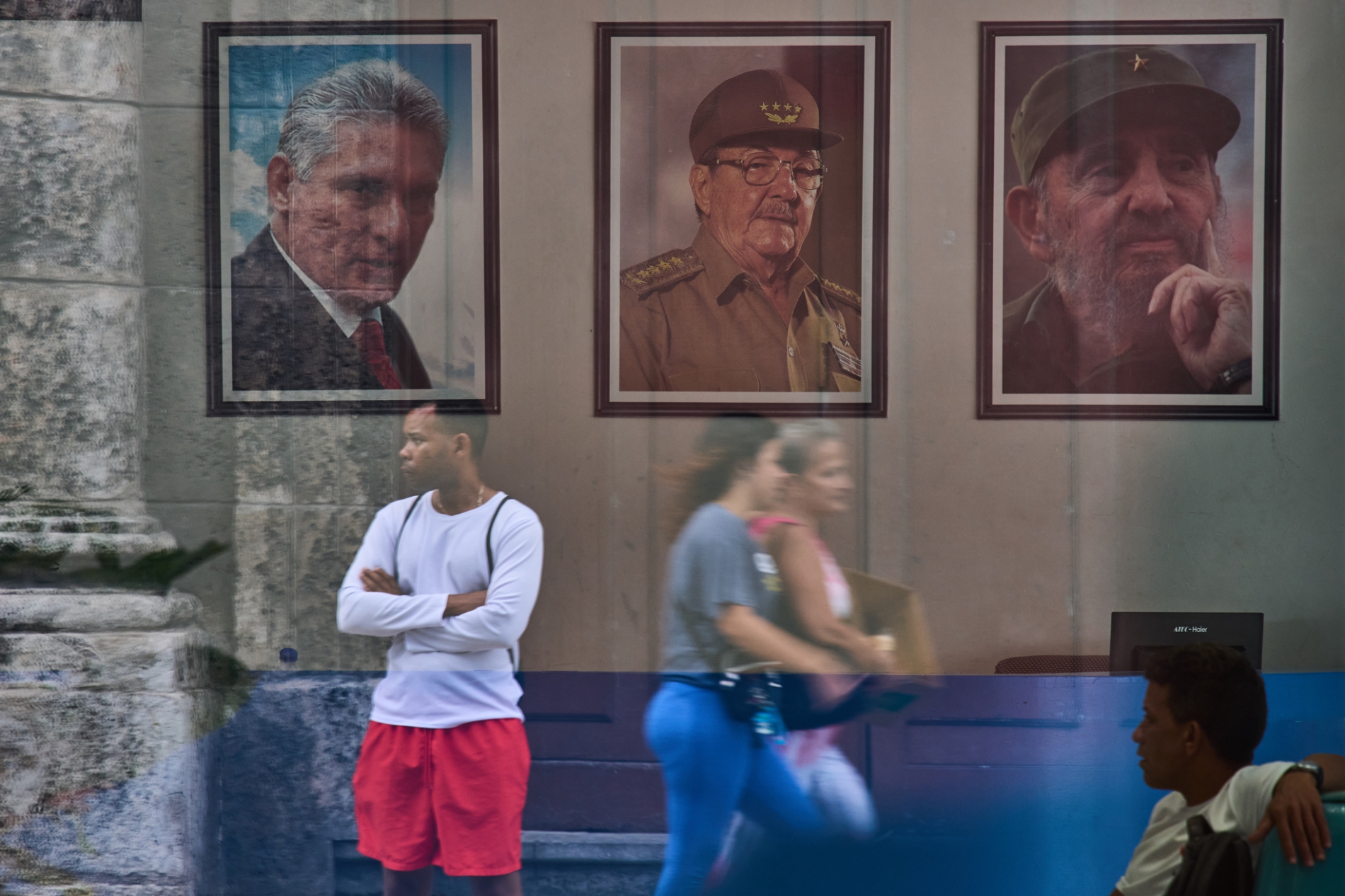
Images of Cuban President Miguel Díaz-Canel, Raúl Castro, and Fidel Castro on a government building in Havana on 20 May 2026.

Cuba also has a political narrative that sanctions can unintentionally reinforce. The government has long framed hardship as the consequence of US hostility, using the embargo as both explanation and shield. That narrative does not account for all of Cuba's problems, since domestic policy failures are central to the crisis. Even so, external pressure gives Havana a familiar language through which to justify scarcity, discipline dissent, and portray opposition voices as aligned with a foreign project.

This is the central weakness of maximum pressure: it can intensify crises without producing a transition, deepen hardship without creating a credible alternative, and drive foreign companies away while the domestic power structure remains intact. In Cuba, where sovereignty is a foundational political myth, coercion can become evidence for the very story the government tells about itself.

The meaning of 'transition' is also contested. Helms Burton contains a detailed vision of what would qualify as a post-Castro democratic order, linking recognition and assistance to conditions that would allow the United States to judge any future Cuban government. From Havana's perspective, that is external tutelage. From Washington's perspective, it is a framework for ensuring that any transition does not reproduce the existing system under another name.

The Havana Docks ruling gives Trump's Cuba policy a stronger legal instrument while exposing the limits of legal and economic warfare as substitutes for political strategy

No substitute for strategy

The Havana Docks ruling gives Trump's Cuba policy a stronger legal instrument while exposing the limits of legal and economic warfare as substitutes for political strategy. It will not by itself change the Cuban state, although it will make investment, trade, and logistical ties more difficult to sustain.

The harder issue remains unresolved, since pressure can weaken Cuba, worsen scarcity, and increase the cost of external support without producing a legitimate transition, a coherent opposition strategy, or a stable post-communist order. Nor does it guarantee that a population exhausted by crisis will see Washington as the author of liberation.

Havana Docks has turned old claims into a new judicial battlefield. For Trump, that may look like leverage; for Cuba, another chapter in a history of intervention; for foreign companies, a warning that the island's past can still generate present liability. Pressure can make the Cuban system more brittle, without deciding what comes after it.

font change