Japan's read on the Trump–Xi summit

From Tokyo's perspective, there were three key issues: Taiwan, Iran, and the broader bilateral framework

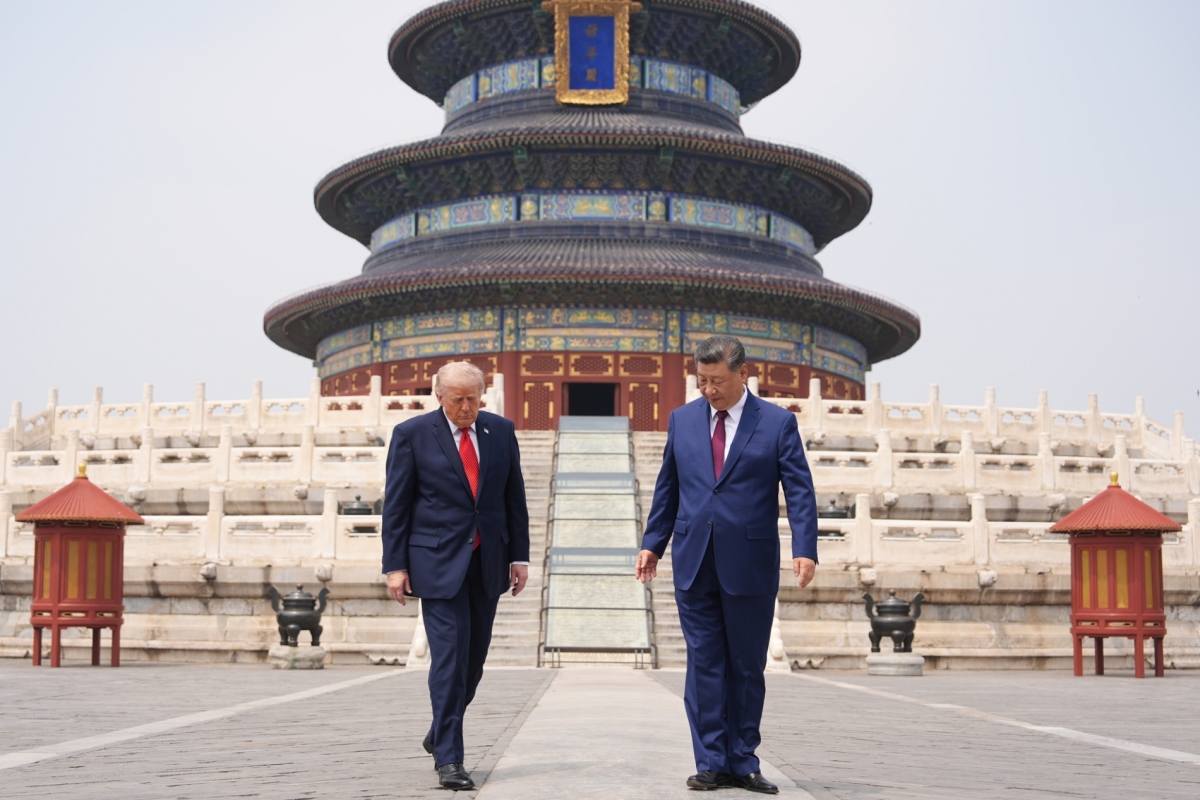
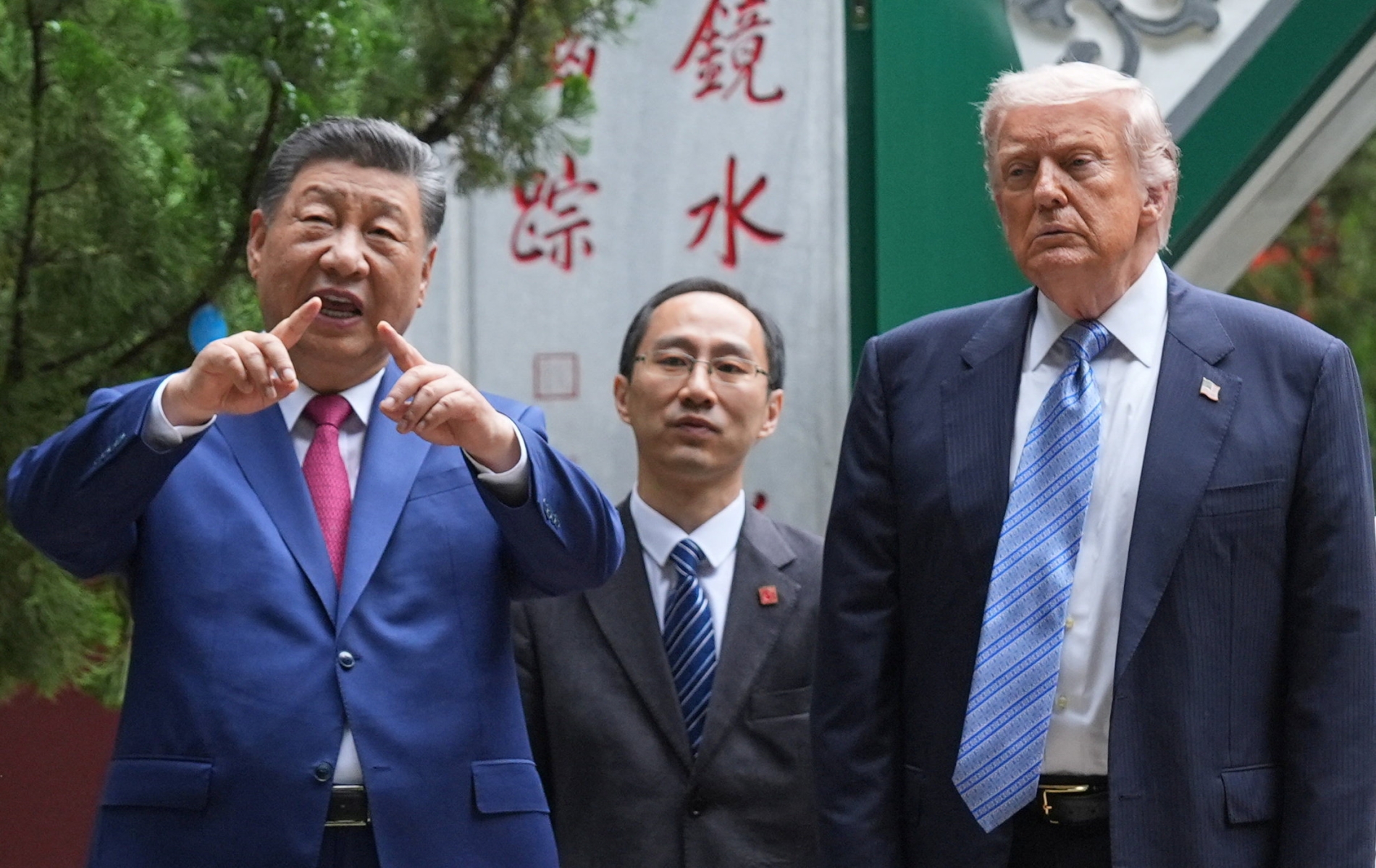
Donald Trump walks alongside Xi Jinping at the Temple of Heaven in Beijing, on 14 May 2026.
AP
Donald Trump walks alongside Xi Jinping at the Temple of Heaven in Beijing, on 14 May 2026.

Japan's read on the Trump–Xi summit

Japan watched closely as US President Donald Trump and Chinese President Xi Jinping met in Beijing last week. For Tokyo, several discussion points have a direct bearing on Japan’s economy and security. The importance was underlined by the fact that Trump called Japan’s Prime Minister Sanae Takaichi from aboard Air Force One as soon as he left.

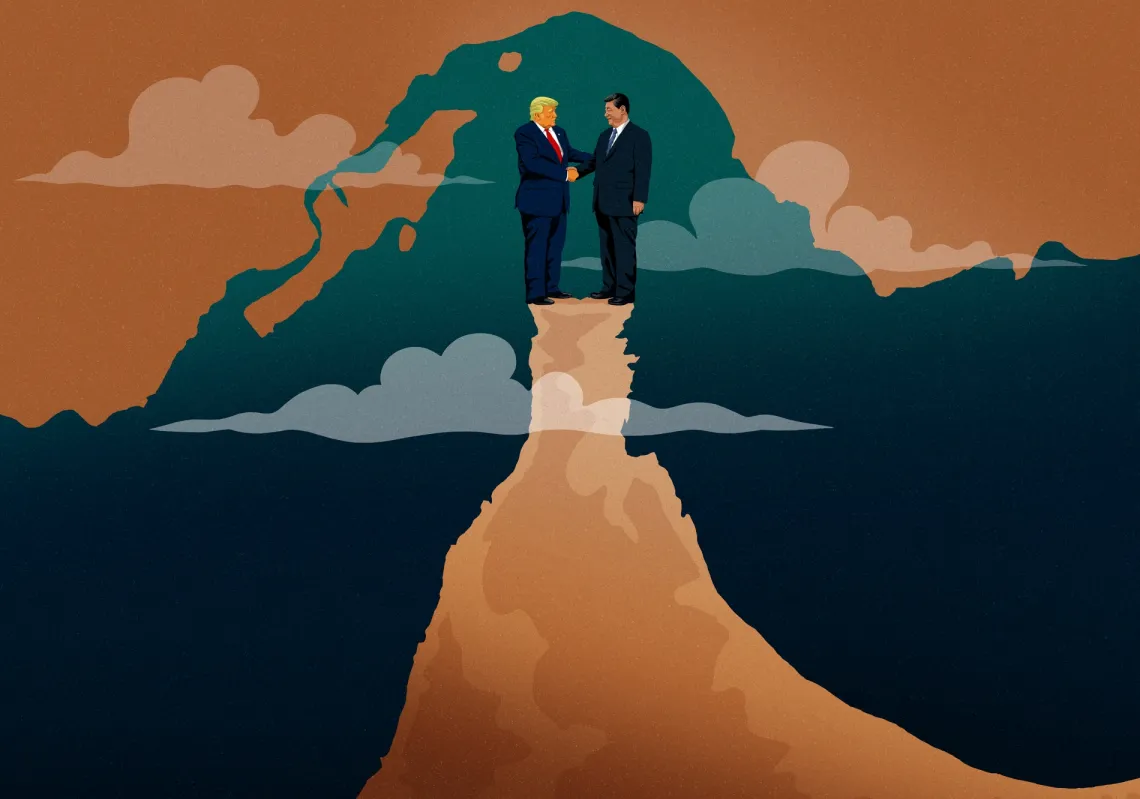
From a Japanese perspective, there were three key issues: Taiwan, Iran, and the broader bilateral framework. The most notable feature of the summit was that both Trump and Xi agreed that ‘strategic stability’ was a shared objective. Xi described a “constructive strategic stable relationship” as the “guiding principle” for future Sino-American relations, urging them to “prosper together as partners rather than as rivals”. Trump said they would “build a wonderful future”.

In contemporary Sino-American usage, ‘strategic stability’ denotes managed competition—an understanding that, whilst fundamental disagreements persist in matters of security, technology, and ideology, both sides will erect guardrails to avert mutually catastrophic conflict. The term, therefore, signals not harmony but a structured rivalry conducted within agreed limits.

On trade, they agreed to avoid escalating tensions through tariffs or export controls. China reportedly agreed to buy around 200 Boeing aircraft, a visible diplomatic deliverable. Such ‘numerical diplomacy’ allows both sides to claim achievements domestically, whilst attesting to the enduring depth of economic interdependence. Overall, the summit served less as a breakthrough than as a confirmation of a truce, an understanding to avoid direct confrontation for the time being. Deep structural contradictions remain entirely unresolved.
REUTERS/Damir Sagolj
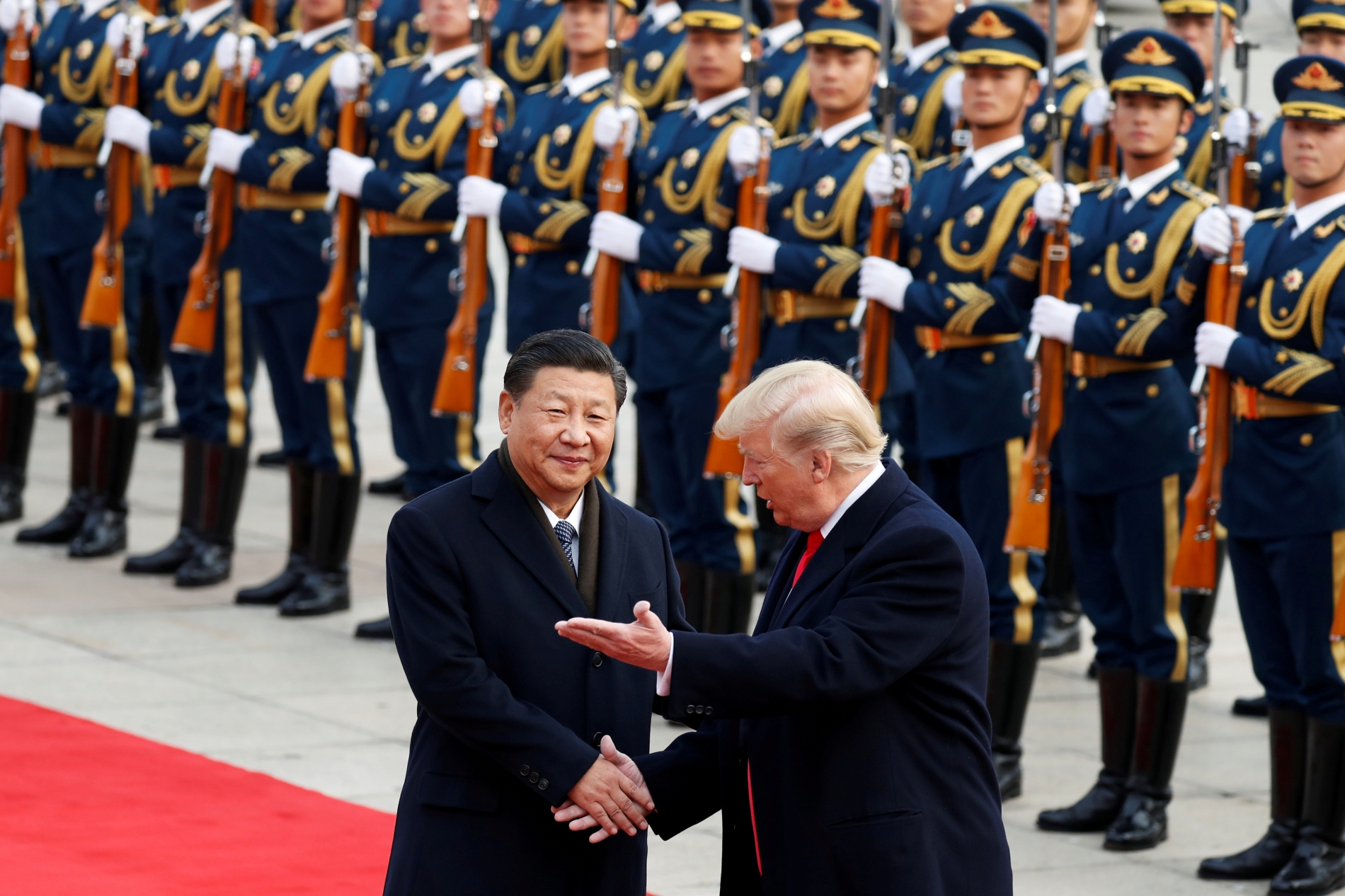
US President Donald Trump takes part in a welcoming ceremony with China's President Xi Jinping in Beijing, China, on 9 November 2017.

Taiwan

The most tension was felt over Taiwan, a self-governing island that China claims as its own. Beijing has not ruled out the use of force to “reunify” it one day, but Washington has long been a Taiwanese ally and is legally obliged to assist its self-defence. The US is due to sell a large package of weapons to the island, but Trump has now suggested that this may be reconsidered.

Xi described Taiwan as “the most important issue” and issued an unusually stark warning to the Americans, saying: “If it is handled poorly, the two countries will clash and may even engage in conflict.” He added that “Taiwan independence and peace in the Taiwan Strait are incompatible”. Trump suggested that he maintained strategic ambiguity but acknowledged that Xi had relayed the seriousness of Beijing’s position.

He also declined to commit to arms sales, saying only that he would “make a decision soon,” and the official American summit readout contained no specific reference to Taiwan, a notable omission given the issue's centrality to Beijing. The Chinese foreign minister emphasised that the point had been made, saying: “The United States has understood the Taiwan question.” It underscores Taiwan as the biggest structural risk factor in bilateral relations.
Japan remains wary of a 'G2' arrangement in which the US and China, as the world's two superpowers, jointly manage global affairs together

From Japan's perspective, Taiwan is not a distant affair. This applies not just metaphorically but physically—Taiwan lies just 111km from Japan's Yonaguni Island in Okinawa Prefecture. Taiwan is also Japan's fourth-largest trading partner. Bilateral trade between Japan and Taiwan was almost $85bn last year, of which Japan's exports to Taiwan totalled around $54.5bn.

Prime Minister Takaichi, who recently won a large parliamentary majority, has said that "a Taiwan emergency is a Japan emergency," and that if China were to conduct a naval blockade or forcefully control Taiwan, it would amount to an "existential crisis" that could threaten Japan's survival. This would then meet the legal threshold, allowing Japan's self-defence forces to take action. The comments were not welcomed in Beijing.

Takaichi will be concerned that if Trump concludes what some have called 'a grand bargain' with China and significantly curtails arms sales to Taiwan, the foundations of Japan's security strategy could be shaken. Taiwan is a question of vital importance to Japan and to Indo-Pacific stability, a point she may have reiterated to Trump as he left China.

Al Majalla
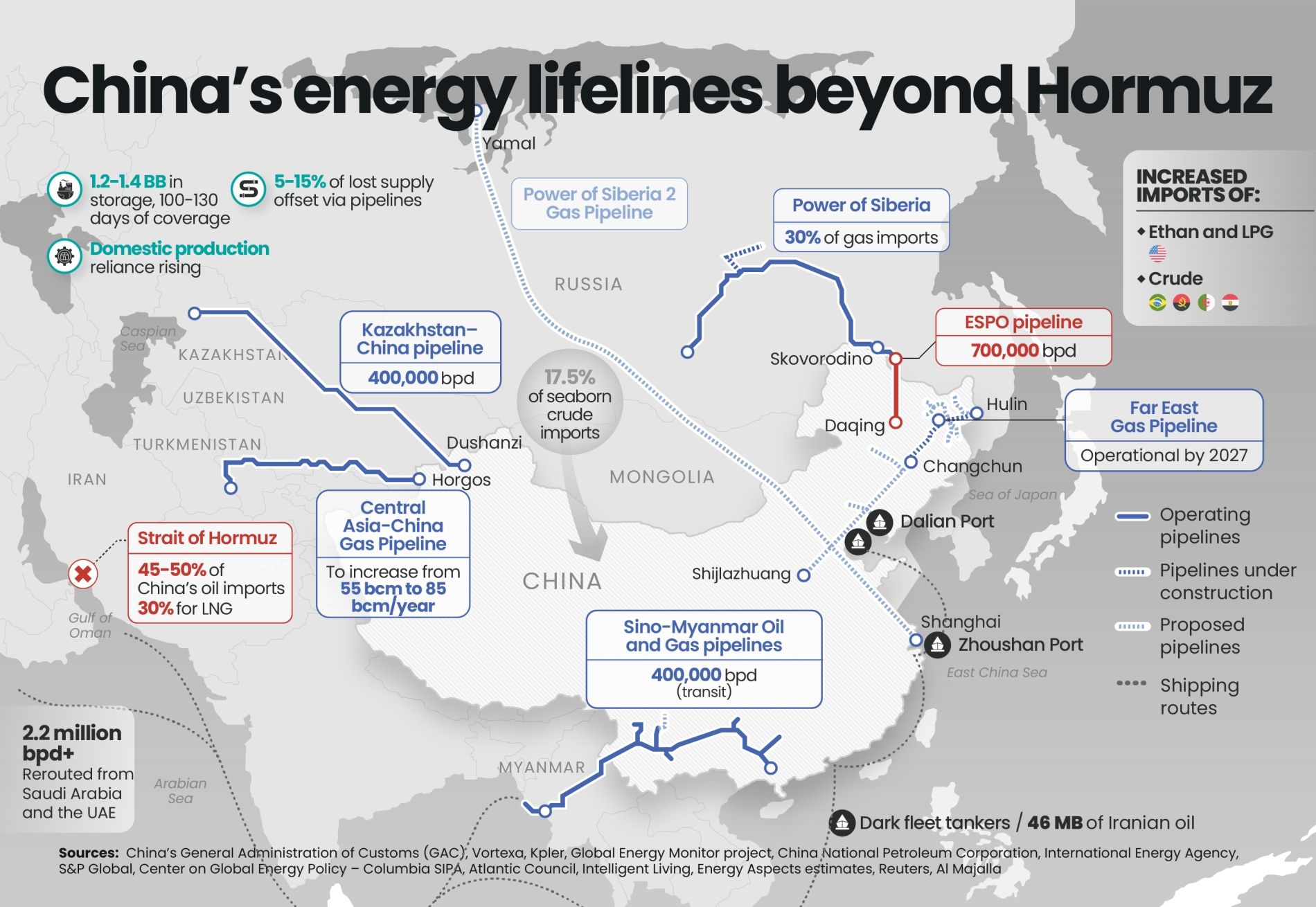
How China is offsetting Hormuz oil supply losses

Iran

China gets much of its oil from the Gulf, so both Xi and Trump want the Strait of Hormuz to reopen. Trump revealed that Xi had offered to "help if there is anything I can do" regarding the restoration of transit. This suggested that China might exert pressure on Iran, but would it really be willing to do so?

China's relationship with Iran is bound by deep strategic ties. Their 25-Year Comprehensive Cooperation Agreement of 2021 envisages Chinese investment in Iranian infrastructure in exchange for cheap oil. China is Iran's largest oil customer, effectively neutralising Western sanctions by providing an alternative economic lifeline.

With such vested interests, it is difficult to imagine Beijing risking its relations with Tehran for the sake of dialogue with Washington. The more plausible interpretation is that China is trying to soften its posture towards the US diplomatically, whilst continuing to sustain its relationship with Iran in practice. China wants to reopen the Strait of Hormuz for commercial reasons, as it is the world's largest energy importer.

Reflecting the centrality of the Japan-US alliance in the Indo-Pacific, Trump's first call after leaving China was to Takaichi, who later said she had been briefed "in considerable detail" about issues including economic security. She conveyed Japan's position on Iran and agreed with Trump to maintain close communication on the Indo-Pacific.

If needed, Japan can serve as a 'bridge' in Sino-American relations. It is America's most important Asian ally, yet it also has deep ties with China, centred on trade and investment, so Tokyo could function as an informed interlocutor if Beijing and Washington ever struggle to iron out issues directly.

Mark Schiefelbein / Reuters
President Donald Trump talks with China's President Xi Jinping at the Zhongnanhai leadership compound, Friday, on 15 May 2026, in Beijing.

G2 worries

At the same time, Japan remains wary of a 'G2' arrangement in which the United States and China, as the world's two superpowers, jointly manage global affairs together, potentially disregarding the interests of allies. Japan's equilibrium strategy—anchored in its US alliance whilst sustaining ties with Beijing—offers a model of diplomatic navigation that other regional actors may find instructive. By calling Takaichi so promptly, Trump may want to avoid Japan feeling 'left behind' in any such bilateral great-power arrangement.

Amidst all the handshakes and fanfare, the US and China have ultimately agreed to keep their rivalry in check. Partial understandings on trade and the Strait of Hormuz represent diplomatic achievements of a certain order, but the substantive realities diverge sharply from the proclaimed 'stability'. The US and China are still fundamentally in competition, but there is an effort to 'manage' it.

Over Taiwan, America's 'strategic ambiguity' heightens uncertainty, rather than resolves it, while on Iran, surface-level convergence masks deep scepticism about China's willingness to pressure Tehran. It shows how the world today exists within a dual structure of surface stability atop deep instability.

Japan is no bystander in this great-power competition between Washington and Beijing; it is an active participant. When the US and China speak of 'stability,' whose stability do they mean, and to what ends? The Beijing summit has posed these questions with renewed urgency.

font change