
The US embargo on Cuba has lasted so long that it is now less of a policy than an inheritance. Conceived during the US-USSR Cold War confrontation, reinforced through law and preserved by domestic politics, it has outlived the world that produced it, with both the Soviet Union and Cuban leader Fidel Castro long since gone.
Former US President Barack Obama briefly reopened America’s door to Havana, and successive administrations adjusted the pressure, but the core architecture remains. If the embargo was designed to force political change in Cuba, it survived more than six decades without achieving that aim. Having not toppled the system it was meant to weaken, its central contradiction is that the embargo exists more as a punishment than a strategy.
Washington presents it as a defence of democracy and human rights; Havana calls it a blockade and treats it as proof that Cuban sovereignty remains under siege. Between these two narratives stands a population worn down by shortages, blackouts, migration, state repression and an economy unable to recover. The embargo has constrained Cuba, raised the cost of survival, and limited access to trade, finance, and investment.
The embargo was first initiated when relations between Washington and Havana collapsed after the 1959 Cuban Revolution. Fidel Castro’s nationalisation of US-owned property, hostile rhetoric towards Washington, and growing relationship with the Soviet Union convinced US officials that the revolutionary government could not be accommodated. Economic pressure was used as a weapon against the island, but some officials warned early that sanctions could backfire.
Cutting Cuba’s sugar quota, they argued, might damage the economy without removing Castro. Worse, it could rally nationalist sentiment around him and allow the new regime to blame the US for the hardship. That warning proved prophetic. When Washington cut Cuba’s sugar access, Moscow stepped in. The Soviet Union bought what the US refused and deepened an alignment that Washington feared. Intended to punish Cuba’s move towards the Soviets, the embargo just accelerated it.
Tightening the chokehold
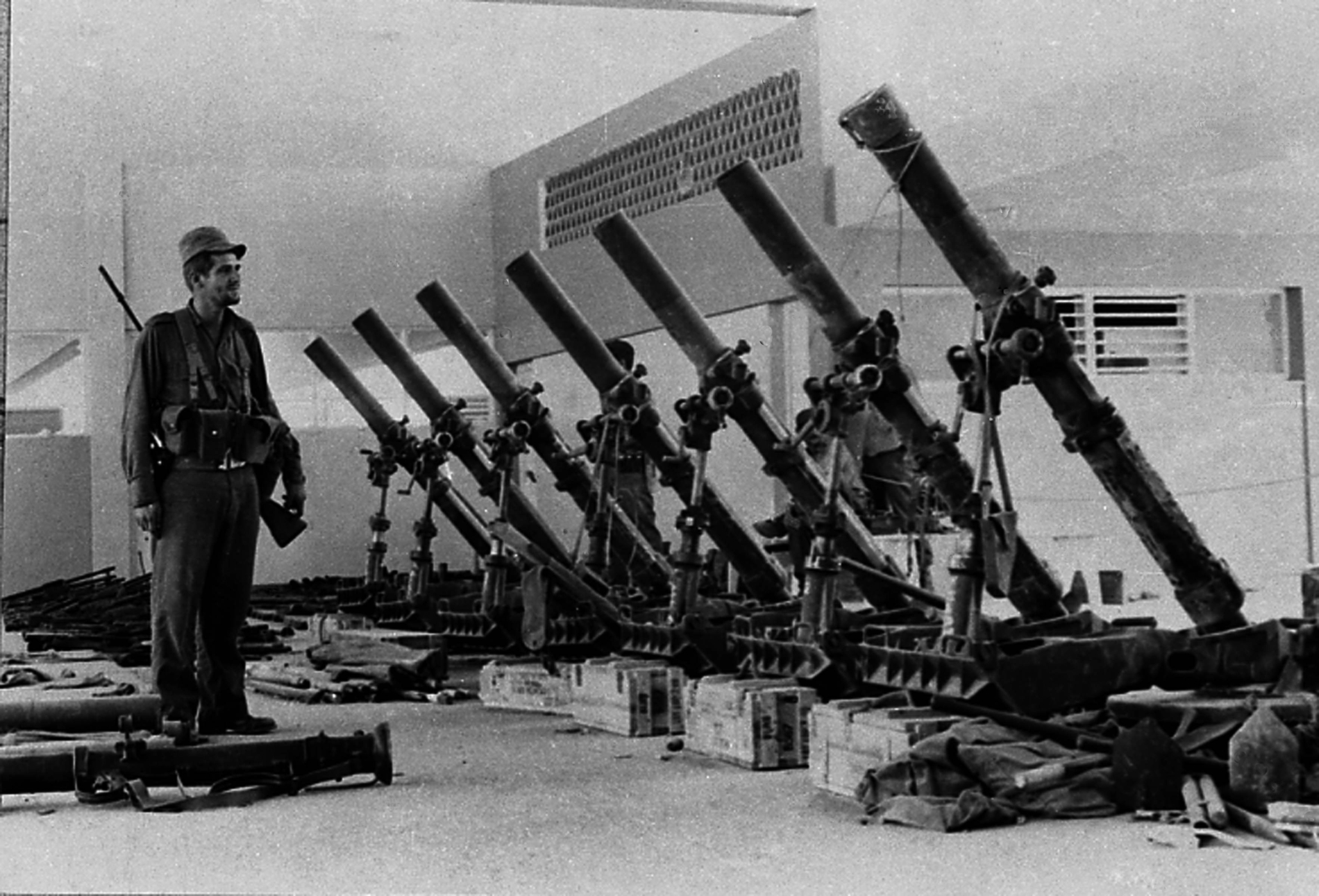
By 1962, President John F. Kennedy had imposed a full economic embargo. The Bay of Pigs invasion failed, and Castro survived several assassination plots, so sanctions became the main policy instrument for Cuba. Its maximalist aim was to force regime change by denying resources, making Cuba pay for its defiance, but by the mid-1960s, US officials were starting to understand that economic pressure alone was unlikely to bring down Castro.
The objective shifted towards containment and denial. The embargo was expected to reduce Cuba’s ability to export revolution, show Cubans that their government could not meet their needs, demonstrate that communism had no future in the Western Hemisphere, and increase the cost to Moscow of sustaining Havana. This was more modest than the rhetoric of liberation suggested. If the embargo could not produce political transition, it could still make Castro’s political survival harder.
The collapse of the Soviet Union might have offered Washington a moment to rethink. Instead, it produced a new round of pressure. Cuba entered the Special Period, an economic crisis of exceptional severity that many in Washington saw as an opportunity. The Cuban Democracy Act of 1992 tightened sanctions and framed them as a route to peaceful democratic transition.
Four years later, the Helms-Burton Act made the embargo far harder to dismantle. It extended the policy’s reach towards foreign companies, placed conditions on lifting sanctions, and transferred power from the White House to Congress. Presidents could now soften restrictions, license exceptions, and adjust categories of travel, trade or remittances, but could not easily remove their core.
Helms-Burton also internationalised the dispute. Canada, the European Union and Latin American governments rejected the extraterritorial reach of US law. Domestically, American farmers, exporters, manufacturers, telecoms firms, and travel companies lost access to a nearby market. Business coalitions, religious groups and humanitarian organisations argued that restrictions on food and medicine were morally indefensible and commercially damaging. Even when Congress eased some limits on food and pharmaceuticals in 2000, financing restrictions reduced the practical effect.
Mounting contradictions
This created another contradiction. Washington claimed to be helping the Cuban people while limiting channels through which ordinary Cubans could access goods and resources or connect with the outside world. Embargo advocates say trade would enrich the Cuban state and military-linked companies, yet when the state is embedded in the economy, sanctions aimed at the regime inevitably reach society.
For Havana, US pressure has become a powerful political language, allowing Cuban leaders to mobilise nationalism, justify sacrifice, and explain scarcity. This does not absolve the Cuban leaders from their repression, economic mismanagement, or failed reforms. Cuba remains a one-party authoritarian system that restricts civil liberties and imprisons protesters, activists and dissidents. Even so, the embargo allows Havana to frame its failures within a wider story of external aggression.