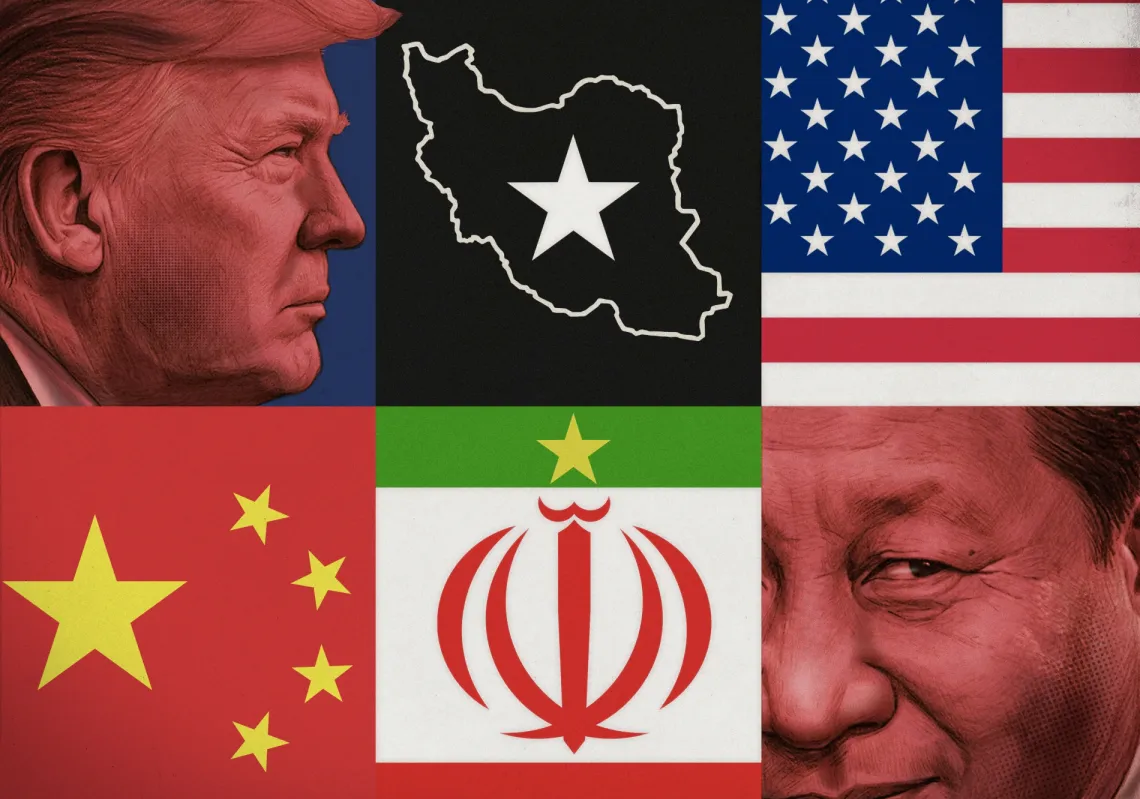
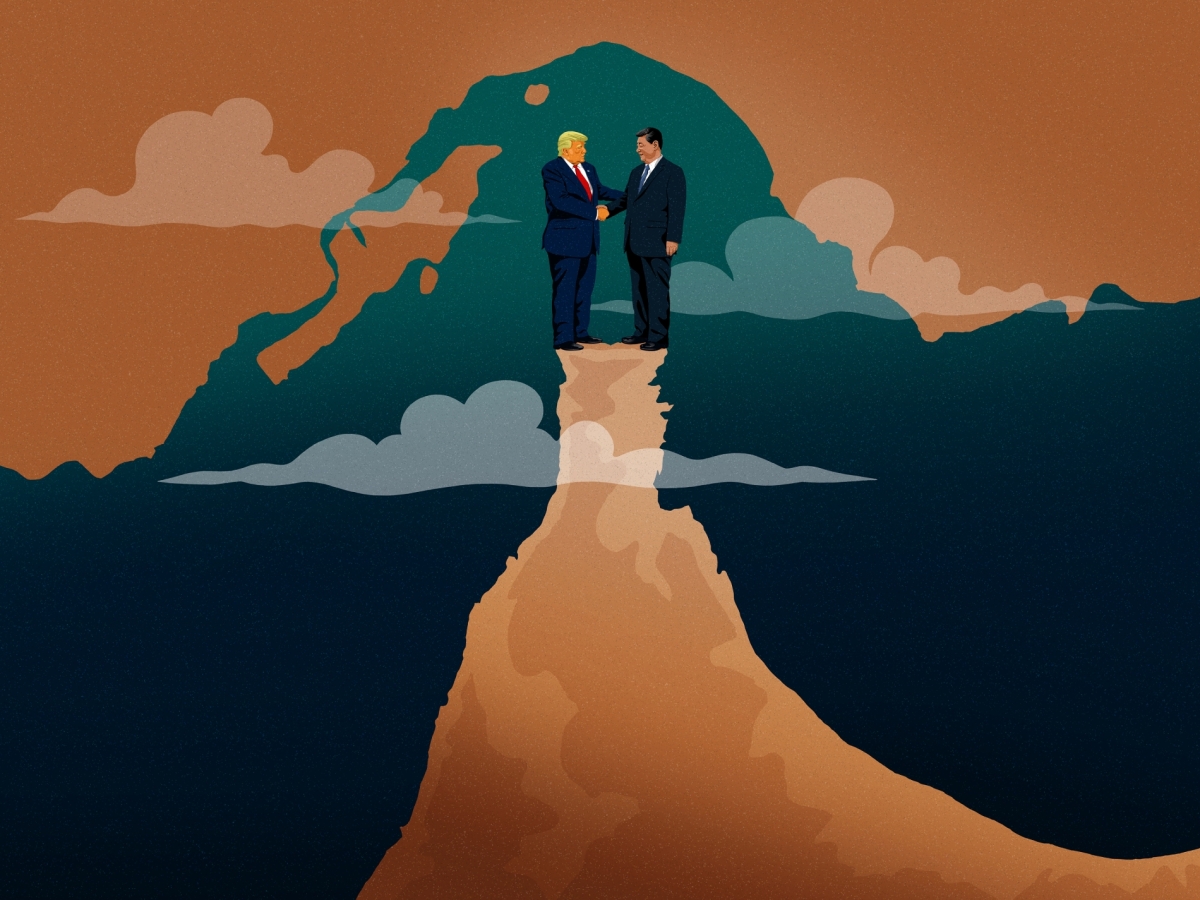

The last time US President Donald Trump and Chinese President Xi Jinping met before this week’s state visit to China was in Busan, South Korea, at the end of October 2025, when they agreed to lower tariffs. In a sense, it was an American retreat, as Beijing used its control over the rare-earth minerals Washington knows it needs for key technologies. It forced Trump to temporarily abandon his trade war and instead seek a truce that has endured ever since.
Against the backdrop of military and diplomatic stalemate in the Iran war—described by some as the Third Gulf War—Trump is meeting Xi for the seventh time, and the second of Trump’s current term. Yet, although Washington requested a postponement last month, observers think that Trump is more eager to meet, as he seeks an international achievement and commercial gains ahead of November’s US mid-term elections, when the China trade truce is set to expire.
In recent months, the US president has pursued a series of measures designed to wrest the initiative back from Beijing on several fronts, whether from Panama and Greenland to Iran and the closure of the Strait of Hormuz. It is part of a wider strategic trajectory with interlinked objectives: exerting greater control over the energy market and denying China access to cheap oil; reducing US dependence on China’s rare earths; and gaining leverage over Chinese trade by controlling maritime straits that serve as vital chokepoints.
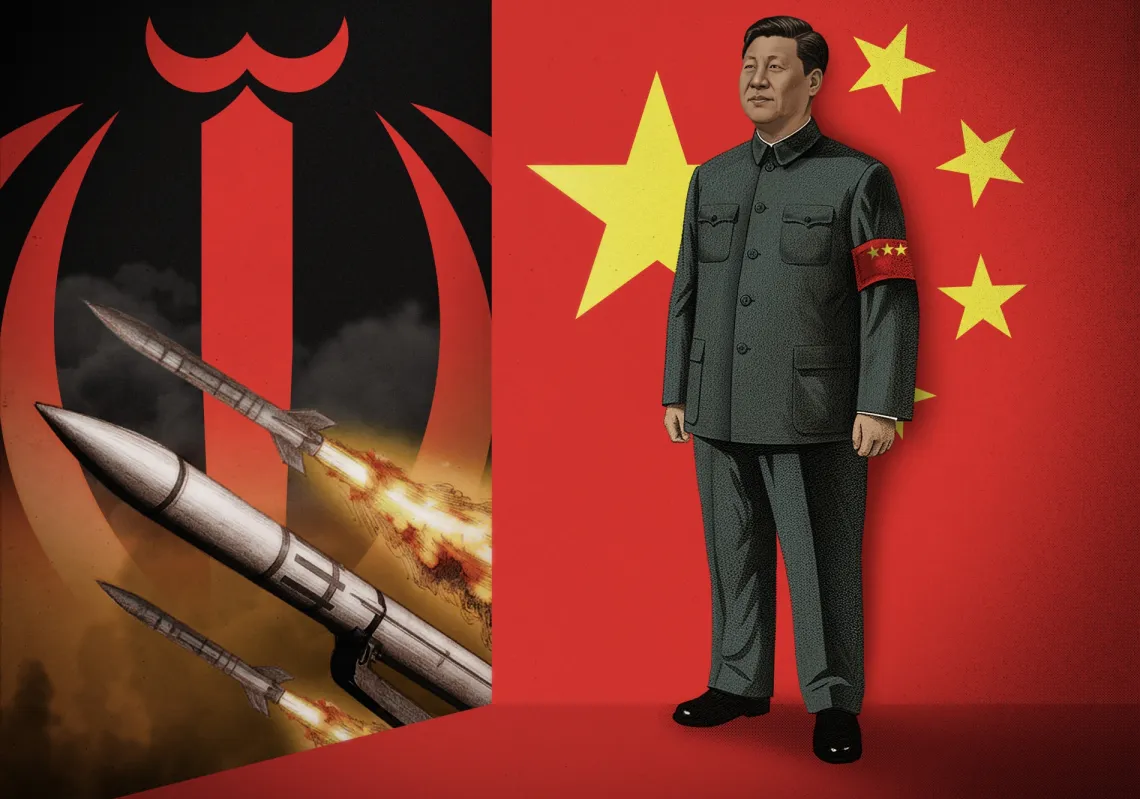
Trump's war on Iran hasn't led to the swift, decisive victory that he sought. Rather, it exposed the limits of US military action and economic blockade in securing American objectives. At the same time, China showed that it was highly prepared for such an eventuality, particularly in dealing with disruptions to energy supplies, having stockpiled four months’ worth of fuel. By securing several gains, it strengthened its ability to deter a broad range of coercive US measures.
US sanctions have helped accelerate China’s development of successful domestic alternatives in core technologies, especially semiconductors and Artificial Intelligence (AI). In parallel, China’s leadership is now more experienced at handling Trump’s tactics and anticipating his responses. The now-famous TACO, which stands for ‘Trump Always Chickens Out,’ is not regarded in Chinese circles as mere political mockery, but as evidence that a forceful response can push Trump back to the negotiating table rather than towards escalation, making Beijing more confident and more daring.
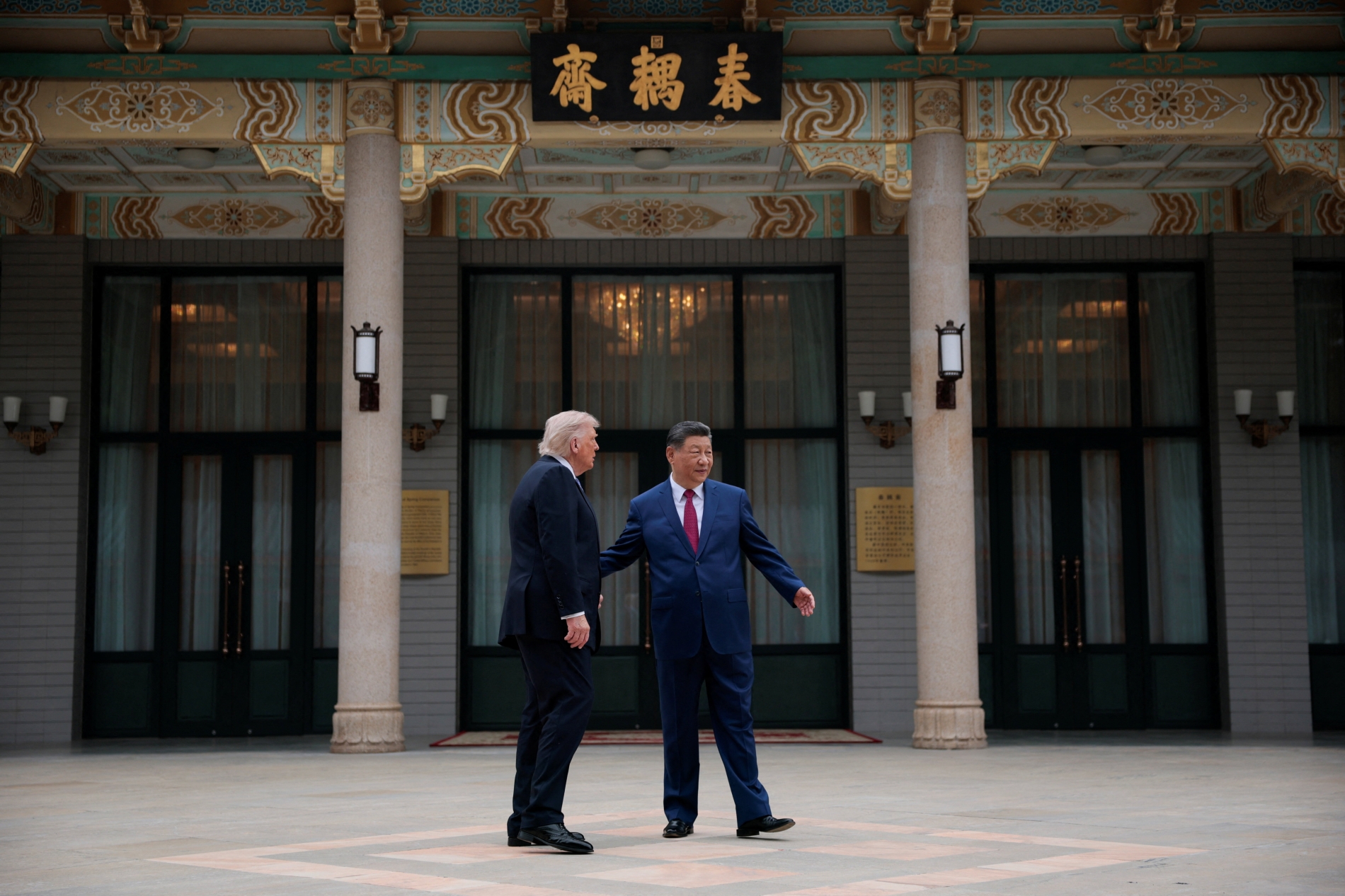
A third source of strength, described by The Wall Street Journal as the start of an era of “regulatory aggression,” is Beijing’s recent use of its formidable legal arsenal against sanctions. This includes blocking Meta’s acquisition of Manus, a Chinese AI start-up, and encouraging Chinese companies to challenge US sanctions on oil refineries dealing with Iran. This may constrain Trump at the summit, while giving Xi greater flexibility to make (or not make) concessions.
It increases Beijing’s ability to raise the cost of any US demands and widens its scope to press its own demands on sensitive issues such as Taiwan. Chinese assistance in extricating the US from its Iranian impasse could reinforce this trend. Where, then, does the Gulf feature on the agenda of the Xi-Trump summit?
Focus on the Gulf
Tang Zhichao, an academic at the Institute of West Asian and African Studies and the Chinese Academy of Social Sciences, thinks the Middle East will be a major talking point but not a crucial one. “It will not become the central axis of the Chinese-American meeting, nor should it form part of Trump’s core agenda,” Tang said.
For her part, Lin Jing, a researcher at the Middle East Institute at the National University of Singapore, said bilateral economic relations, technological decoupling, and Taiwan remain the pillars of Beijing’s strategic agenda and the structural lines that govern US-China relations. Lin believes, however, that the Gulf crisis will be discussed, with emphasis on its impact on oil prices and supply chains.
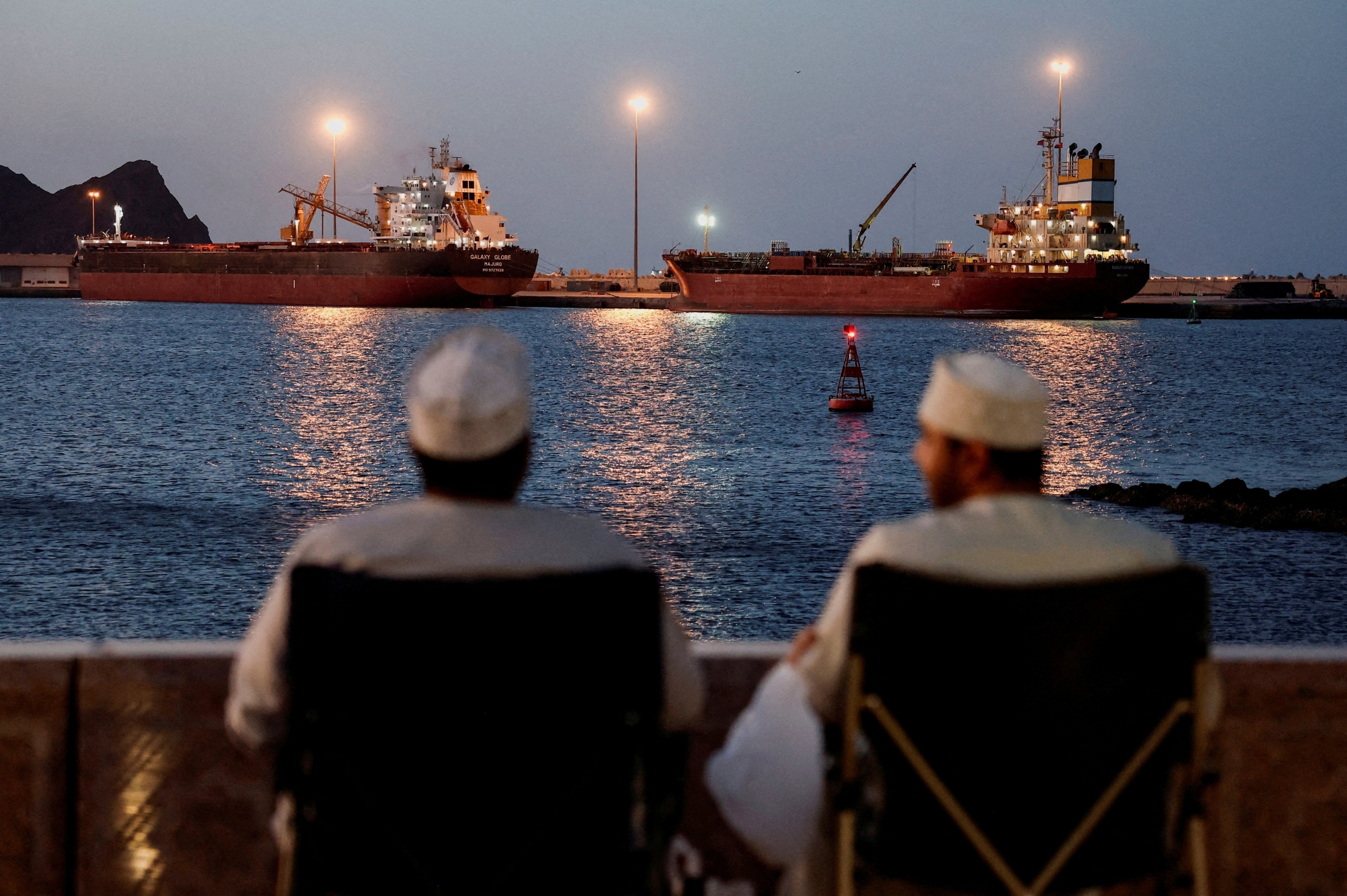
Researcher Zhao Zhijun says the two leaders have little choice but to address a crisis that has damaged both their interests, adding that America’s “strategic failure” to achieve its objectives in Iran had directly harmed China’s interests owing to the subsequent disruption of maritime trade—especially oil—through the Hormuz Strait. Meanwhile, Iran's imposition of transit fees in Chinese yuan threatens the dominance of the US ‘petrodollar’.
From Beijing’s perspective, the disruption in Hormuz has distracted it from discussing the issues it had hoped to tackle at the summit. China wanted to discuss easing US restrictions on technology and investment, shifting Washington’s position on Taiwan, and cementing broader economic cooperation on more balanced terms.
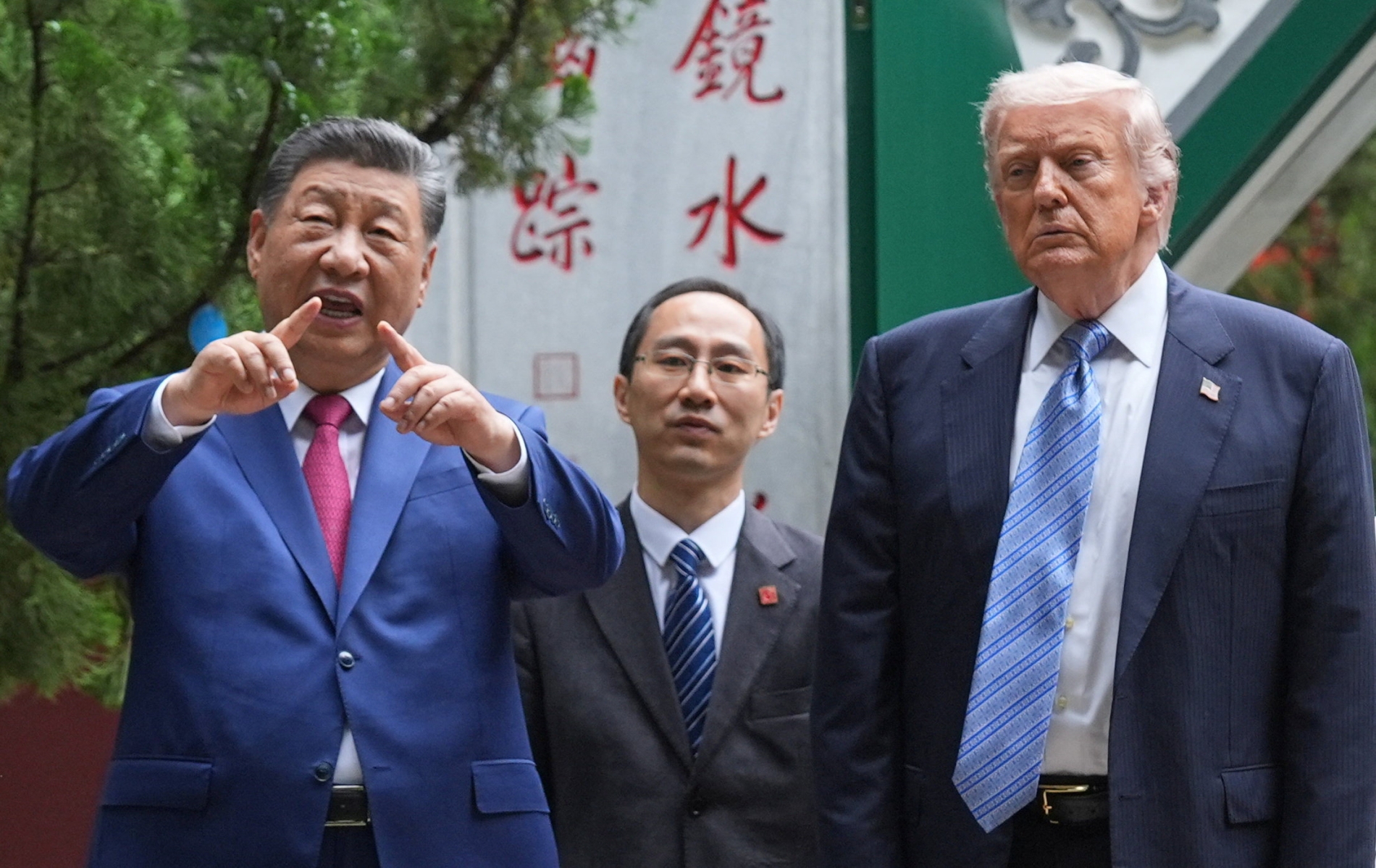
But the US war on Iran has also unexpectedly handed Beijing new leverage. As the only great power not directly engaging in war, China strengthens its image as a responsible state advocating peaceful solutions that respect both core interests and international law.
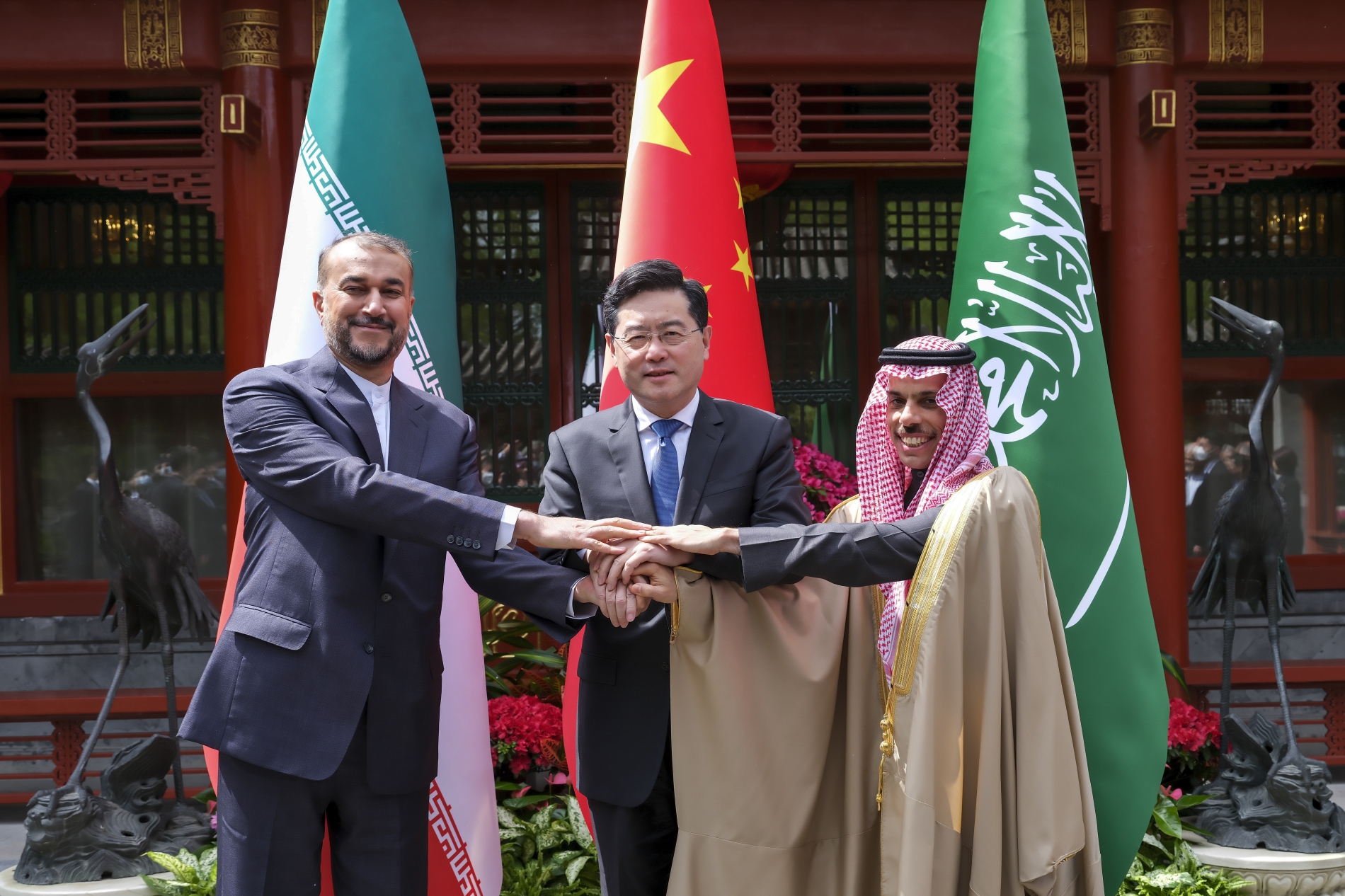
Regionally, the war has shaken the confidence of Arab Gulf states in Washington’s security guarantees. Zhao says this could push them eastward in search of a new security pillar, citing the Crown Prince of Abu Dhabi’s visit to Beijing last month. Lin, meanwhile, notes that the US war on Iran forced Washington to divert strategic assets from the Indo-Pacific, giving Xi additional leverage in trade and over Taiwan. The New York Times has similarly noted that the depletion of US munitions stockpiles during the Iran war is eroding Trump’s bargaining power.