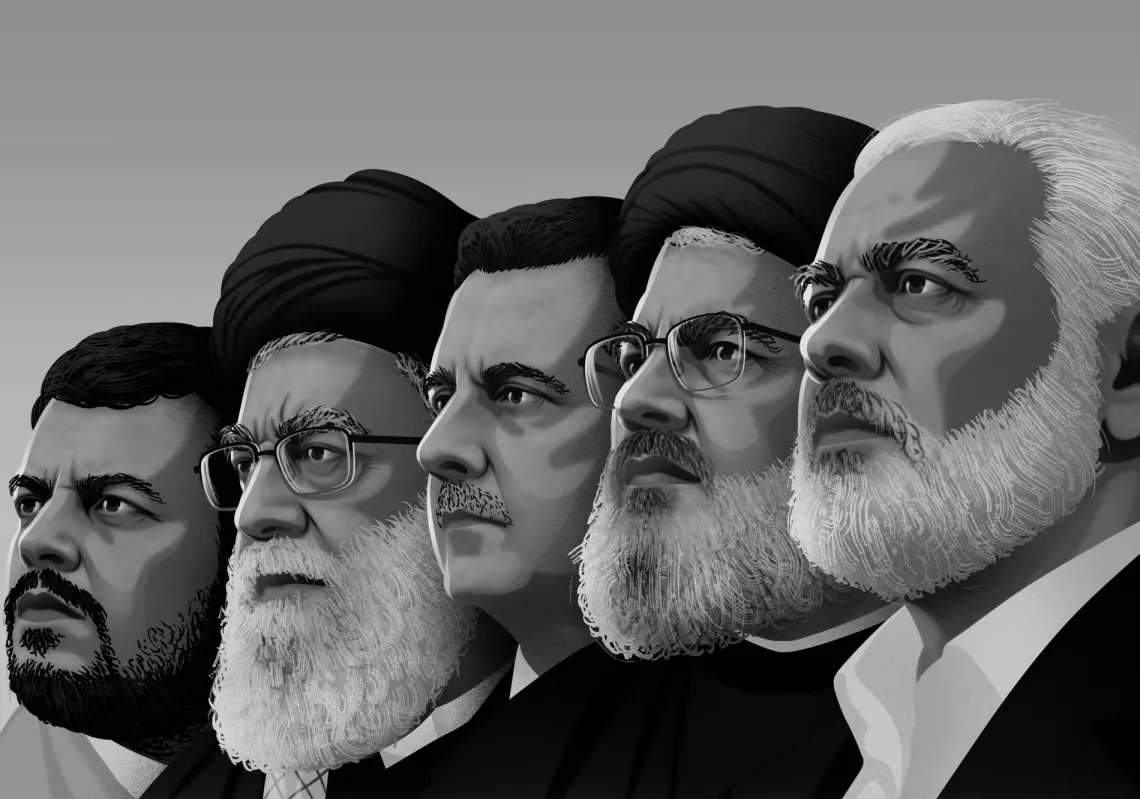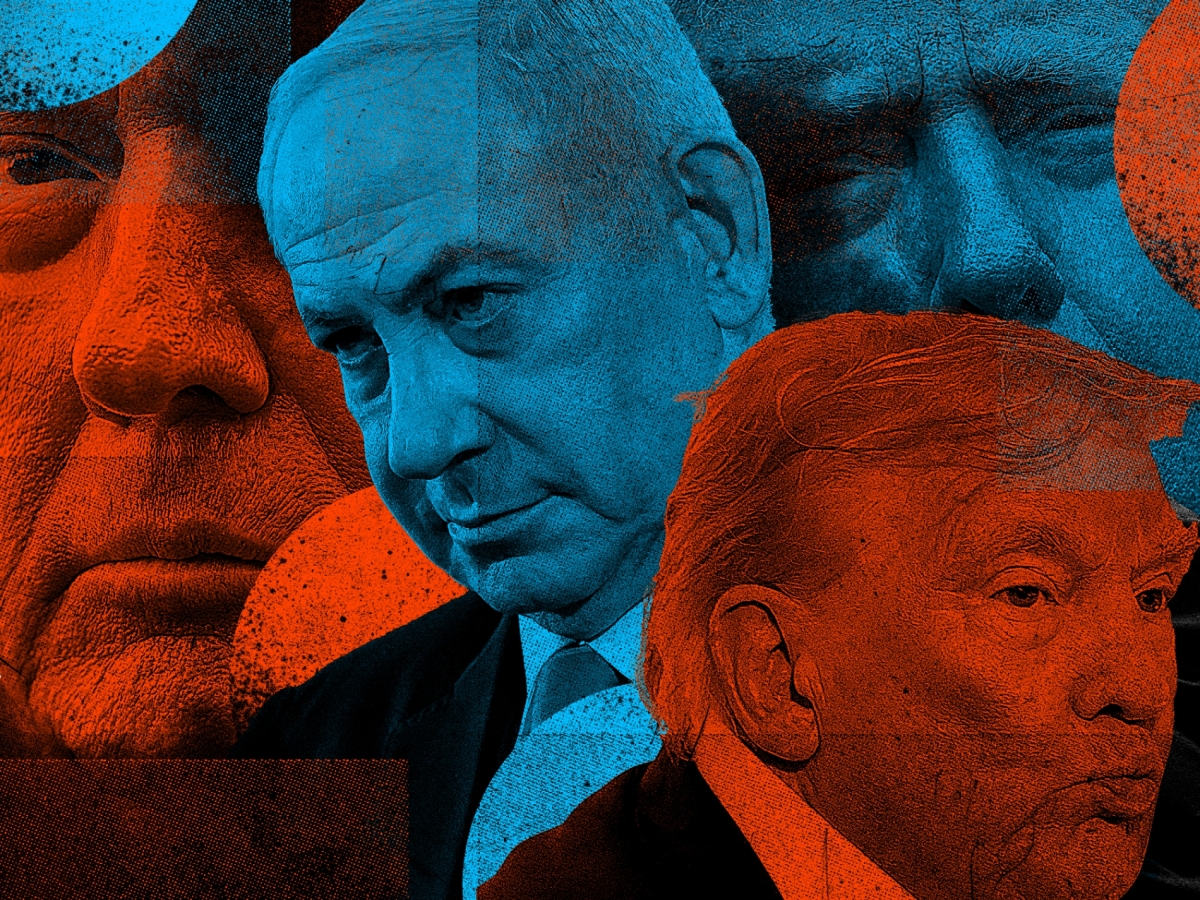

Ever since a ceasefire was declared between the United States, Israel, and Iran by US President Donald Trump on 8 April, a debate has raged in Israel over the effects of the war that began on 28 February. Israel’s next legislative elections are to be held on 27 October, so politicians of all stripes are keener than ever to make their points. Yet, to an extent, the war has changed little in the debate that preceded it, or in the politics that led to it, at least as far as Israel is concerned.
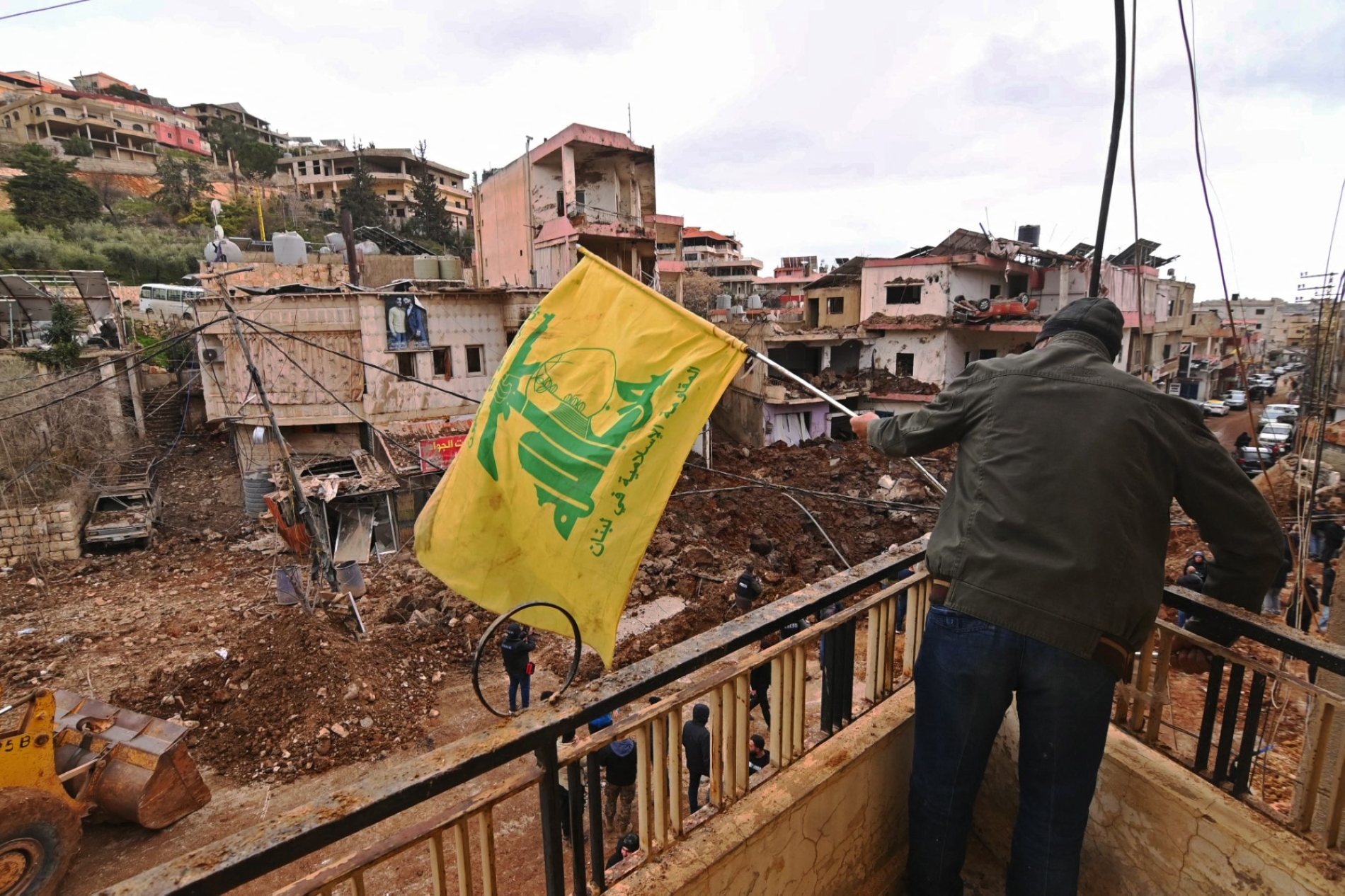
Prime Minister Benjamin Netanyahu and his far-right parliamentary allies have boasted of the war’s “historic achievements”. Just 18 hours after Trump’s ceasefire announcement, and on the day that Israel dropped 100 bombs across Lebanon in 10 minutes, its media broadcast a recorded address from Netanyahu describing what he said were Israel’s gains not only from the war against Iran but from its campaigns against Hamas and Hezbollah, too.
Pleading his case
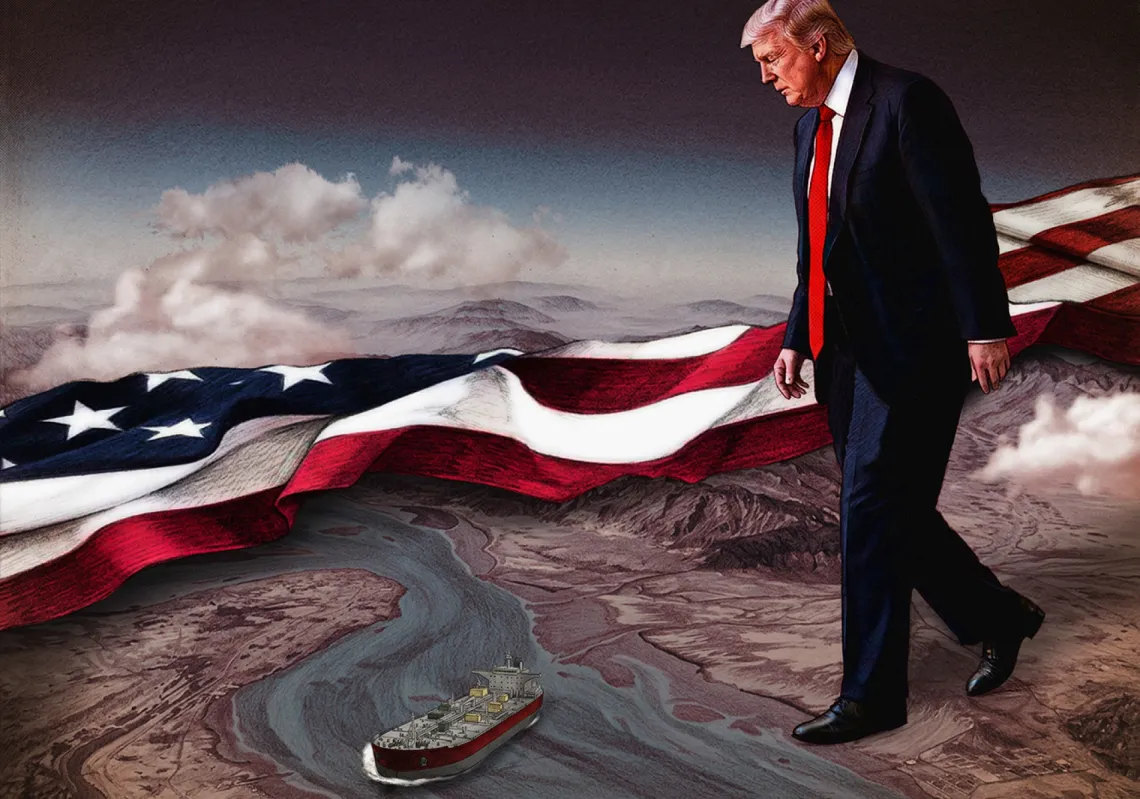
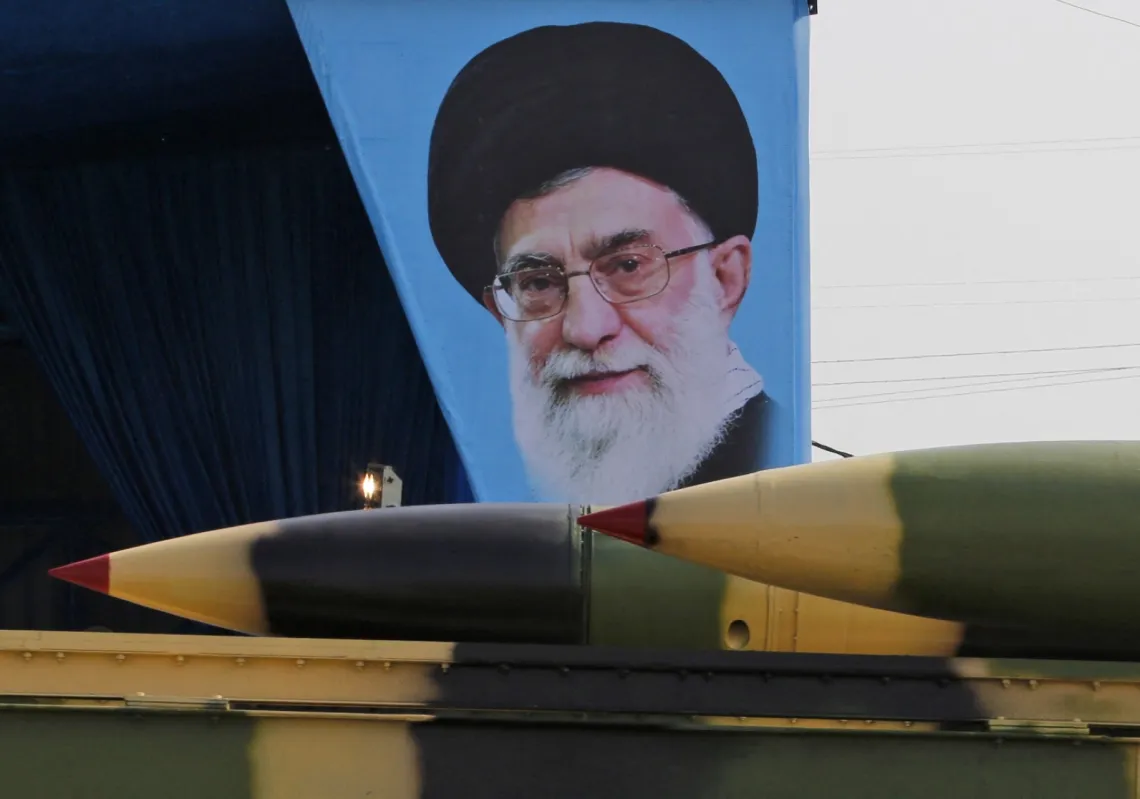
In his argument that the US-Israeli war against Iran had achieved its aims, he made several points. One was that it had deepened Israel’s relationship with the United States, the pair having now gone to war together for the first time in their histories. Another point was that the Iranian regime had been weakened in terms of its leadership, military strength, nuclear programme, and ability to raise money. The Iranian threat had been pushed far into the future, he argued, with Israel emerging stronger and more resilient as a result.
Netanyahu praised Israel’s armed forces and security agencies and implied that its superiority was creating new alliances with Arab states, presumably those that had suffered Iranian attacks during the conflict. He also noted that Israel took more Arab land. “We have created deep security zones beyond our borders, in Lebanon, Syria and Gaza, where we control more than half of the Strip,” he said. At the same time, Israel has further entrenched its effective control over the West Bank.
Netanyahu’s supporters have echoed these points, seeking to prove the necessity of a war that most Israelis supported. The prime minister’s camp argues that the result (a weakened Iran) has been the justification, giving Israel a stronger and more central strategic position in the region.
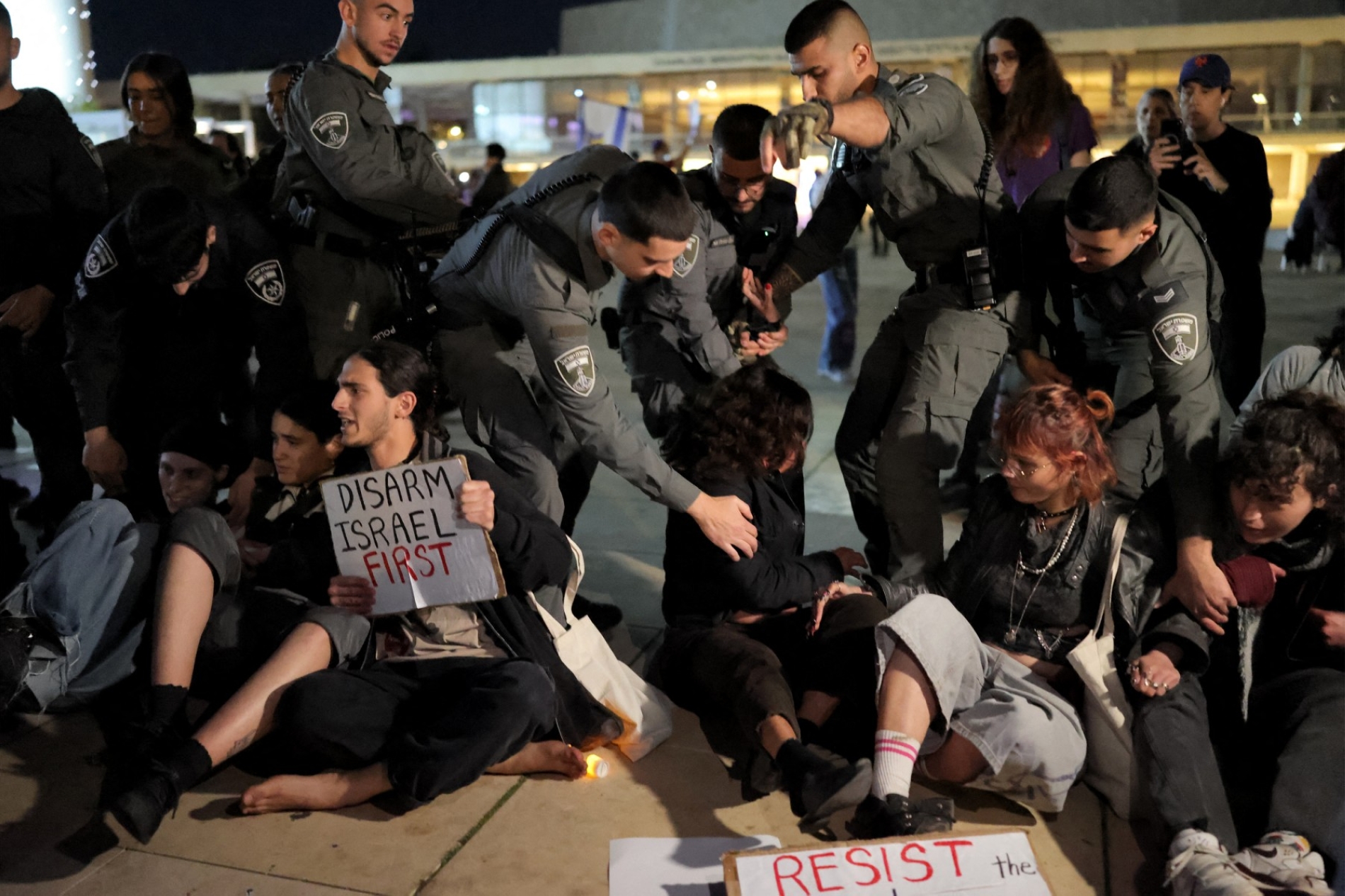
There are domestic considerations as well. Netanyahu and his far-right government allies want to change the nature of Israel and are using their thin parliamentary majority to rapidly undertake legislative changes to this effect. A priority for several years now has been to subjugate Israel’s previously independent judiciary to politicians, efforts that brought tens of thousands onto the streets in protest before October 2023.
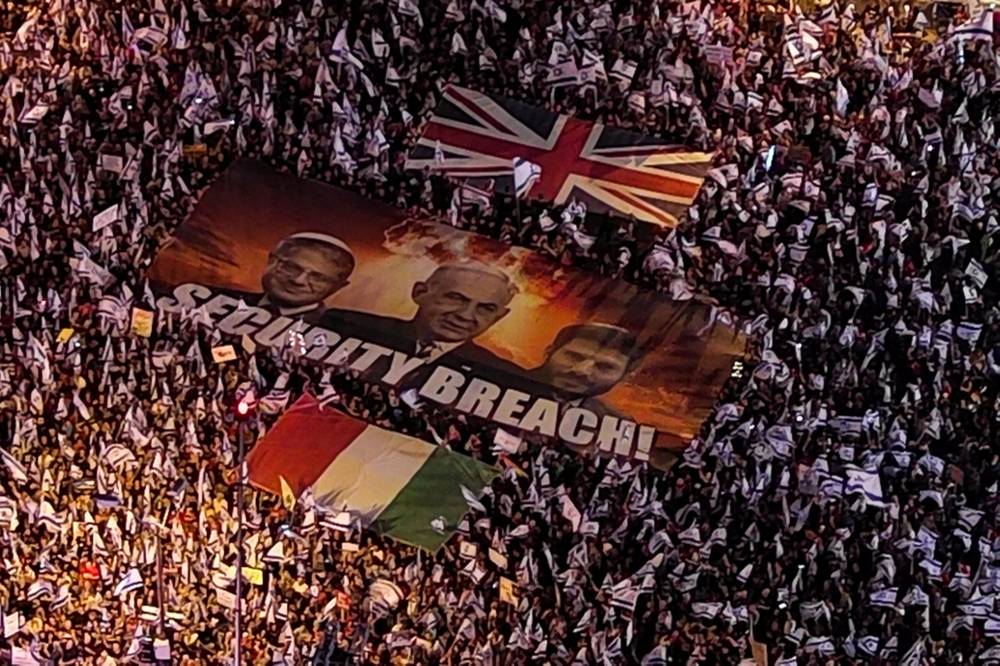
Netanyahu may have had an earlier election had he not been able to pass a budget. This has given him precious months to prepare more effectively for the vote in October, keeping the religious parties on-side with a bill exempting strictly Orthodox Jews from compulsory military service, despite the army chief's recent warning that his forces were feeling the strain of the demands on service since October 2023.
Buoyant from six weeks of war against Iran alongside the Americans, Netanyahu and his supporters say it produced a strategic victory, giving Israelis a heightened sense of personal and collective security. Alongside this has been the expectation that the public would support him and the right-wing parties. Yet polling has failed to confirm this.