Behind the truce: Pakistan mediation proves pivotal

Islamabad is humming with behind-the-scenes diplomacy to turn this tentative pause into lasting peace.

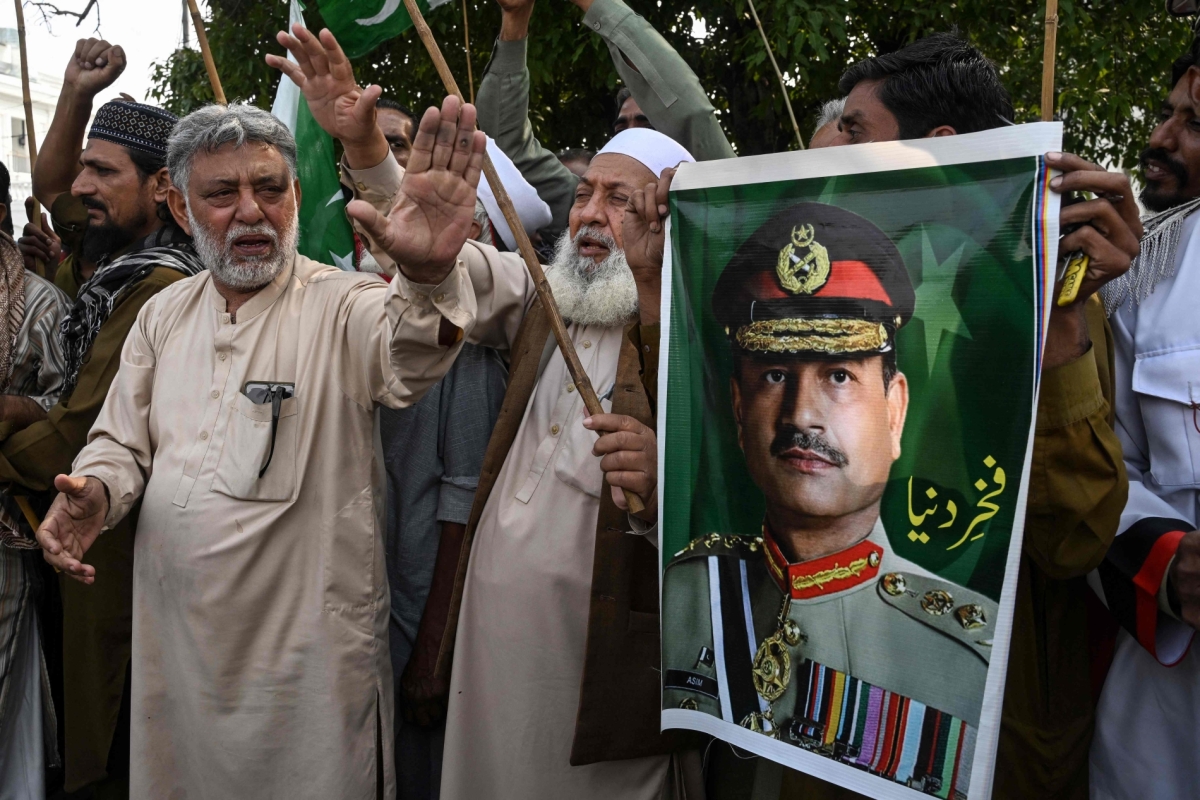
Awami Rickshaw Union workers holding posters of Pakistan's Chief of Army Staff, Field Marshal Asim Munir, shout slogans after the US and Iran agreed to a two-week ceasefire in Lahore on 8 April 2026.
Arif ALI / AFP
Awami Rickshaw Union workers holding posters of Pakistan's Chief of Army Staff, Field Marshal Asim Munir, shout slogans after the US and Iran agreed to a two-week ceasefire in Lahore on 8 April 2026.

Behind the truce: Pakistan mediation proves pivotal

Pakistan has emerged at the centre of efforts to agree and maintain an initial two-week ceasefire between the US, Israel, and Iran that could play a big role in reshaping the Middle East.

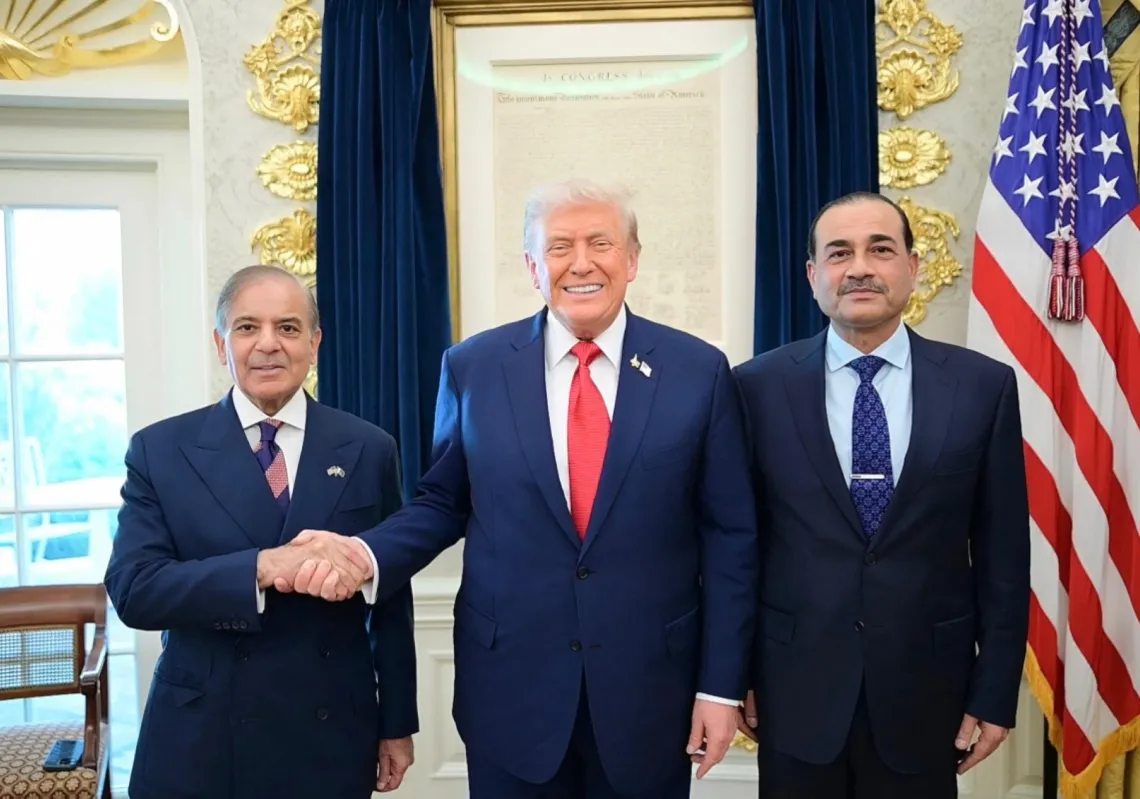
At the core of this diplomatic push has been an unlikely convergence of actors and interests, with Pakistan’s Prime Minister Shehbaz Sharif and army chief Field Marshal Asim Munir having helped persuade both Washington and Tehran to step back from the brink. Their intervention—coordinated with regional powers including Saudi Arabia, Türkiye, and Egypt, and quietly supported by China—has transformed Pakistan from a peripheral observer into a central diplomatic broker.

The ceasefire itself was anything but inevitable. As military escalation intensified, the risk of a broader regional war loomed large, with the Strait of Hormuz emerging as the most critical flashpoint. Iran’s effective closure of this narrow maritime corridor—through which a fifth of global energy supplies flow—had already triggered sharp spikes in oil prices and renewed fears of a global economic shock.

Against this backdrop, the decision by US President Donald Trump to halt planned strikes on Iranian civilian infrastructure just 90 minutes before a self-imposed deadline marked a pivotal moment. Sharif later said that delegations from the United States and Iran would visit Pakistan on Friday for talks aimed at a peaceful settlement to the war in the Middle East. “A ceasefire is the first step, but our destination is lasting peace,” said Sharif.

 Aamir QURESHI / AFP
An army truck drives past the Serena Hotel, the expected venue for US-Iran talks, in the Red Zone area of Islamabad on 9 April 2026.

A sustainable settlement

Sharif announced the ceasefire on Tuesday, writing: “I am pleased to announce that the Islamic Republic of Iran and the United States of America, along with their allies, have agreed to an immediate ceasefire everywhere, including Lebanon and elsewhere, effective immediately.” On Wednesday, as Israel launched a huge wave of airstrikes in Lebanon, Iran argued that this was a breach of the terms.

A coordinated diplomatic initiative centred in Islamabad aims to convert a temporary truce into a sustainable political settlement, a process that has drawn attention in capitals around the world, many keen to ensure its success. From 29-30 March, Pakistan hosted the foreign ministers of Saudi Arabia, Türkiye, and Egypt for in-depth discussions about de-escalatory measures.

Chaired by Deputy Prime Minister and Foreign Minister Ishaq Dar, the talks reflected a growing urgency among regional powers to prevent the conflict from spreading. Officials briefed on the discussions describe a dual-track approach, with one track aimed at facilitating direct US-Iran negotiations, and the other focused on addressing the economic and security effects, particularly on maritime routes and energy flows.
A ceasefire is the first step, but our destination is lasting peace

Pakistani Prime Minister Shehbaz Sharif

Safe passage

Central to these deliberations was the question of how to restore safe passage through the Strait of Hormuz, a lifeline for global commerce. As of Wednesday evening, the strait appeared to still be closed, owing to Israel's continued aggression in Lebanon, despite the White House denying that it was included.

Proposals under consideration reportedly include the creation of a multinational mechanism to oversee shipping security, as well as financial arrangements modelled on established transit systems such as the Suez Canal. Their inclusion underscores the extent to which economic imperatives are driving the urgency of diplomacy and shaping the contours of potential agreements.

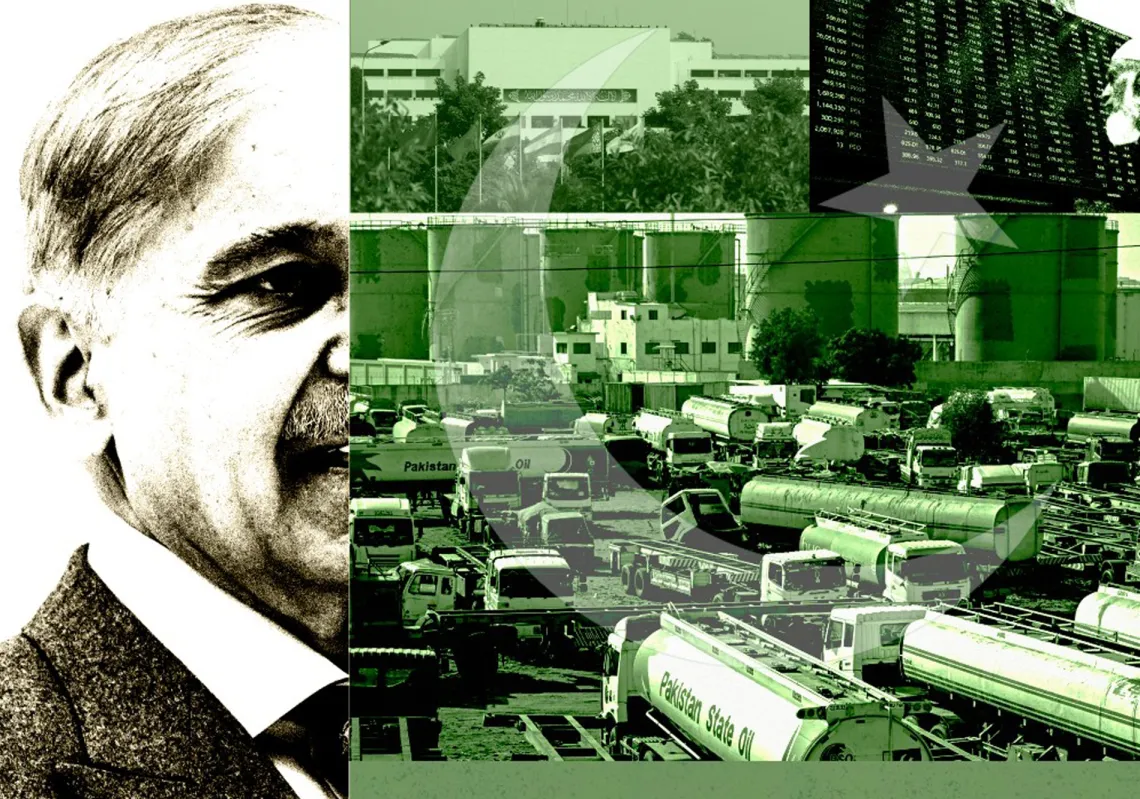
Pakistan's role in this process reflects a calculated strategic positioning. Unlike many regional actors, Islamabad maintains working relationships with both Tehran and Washington, while also enjoying close ties with Gulf capitals. This network of relationships has enabled it to act as a conduit at a crunch time.

PAKISTAN'S MINISTRY OF FOREIGN AFFAIRS / AFP
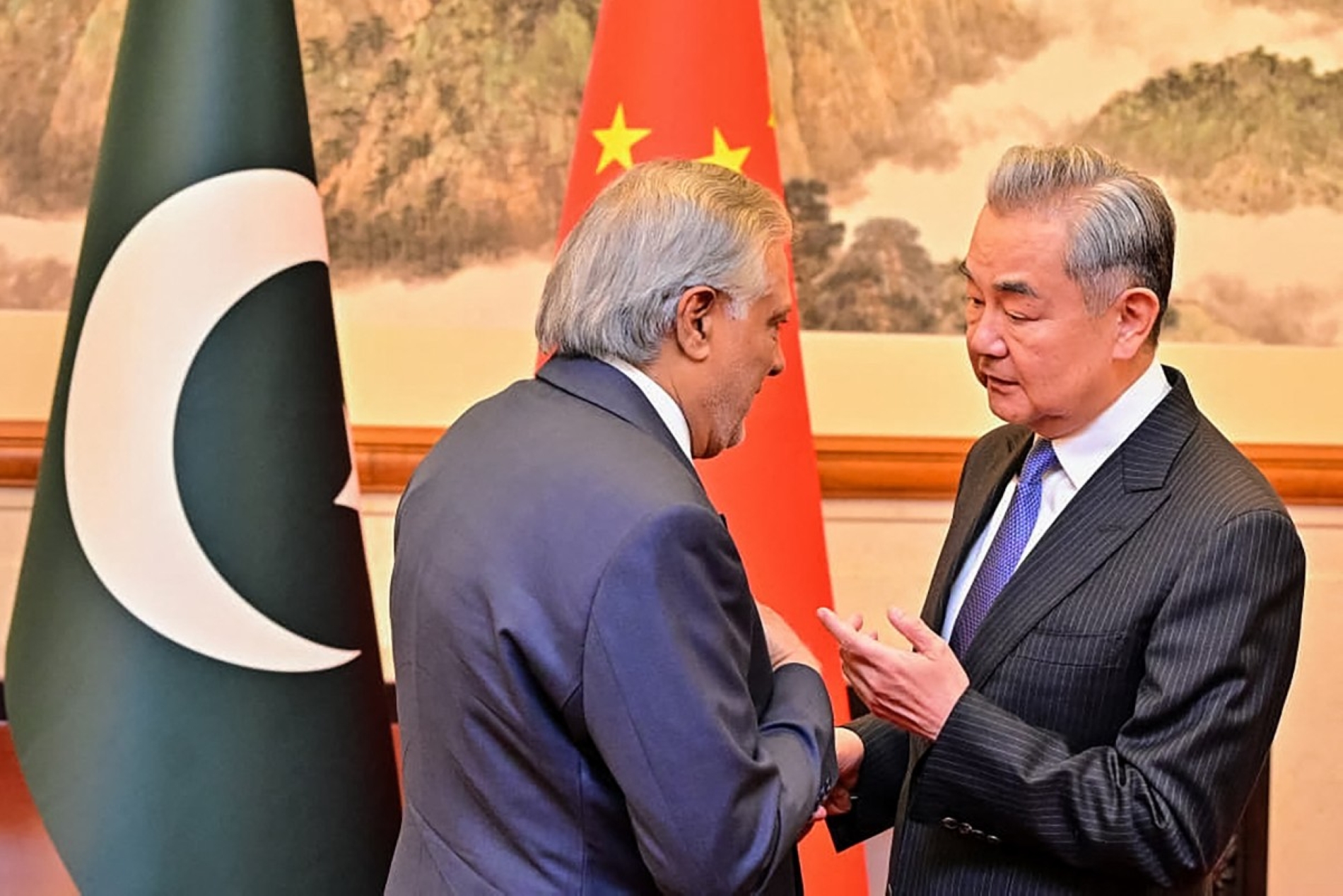
This handout photograph, taken on 31 March 2026, and released by Pakistan's Ministry of Foreign Affairs shows China's Foreign Minister Wang Yi (R) speaking with his Pakistani counterpart, Ishaq Dar, in Beijing.

Chinese input

In Beijing on 31 March, China's Foreign Minister Wang Yi met with Ishaq Dar to discuss the crisis. Beijing and Islamabad were aligned on the need for urgent de-escalation and laid out a structured five-point framework for managing the conflict, including an immediate cessation of hostilities to prevent the conflict from spreading and to allow humanitarian assistance to reach all affected areas without obstruction.

They urged peace talks, emphasising the importance of safeguarding the sovereignty, territorial integrity, and national independence of Iran and Gulf states. They also called for strict adherence to international humanitarian law, urging all parties to halt attacks on civilians and non-military infrastructure, including energy facilities and nuclear installations.

The security of maritime routes featured prominently, with both China and Pakistan emphasising the need to ensure safe navigation through the Strait of Hormuz. Finally, the framework reaffirmed the primacy of the United Nations Charter and called for strengthened multilateral cooperation to achieve a comprehensive and lasting peace.

Regional buy-in

Saudi Arabia, Türkiye, and Egypt each brought distinct priorities shaped by their own interests. Despite their differences, all agreed that the costs of continued escalation are unsustainable. The conflict had already drawn in non-state actors, raising the risk of a broader, multi-front confrontation that could destabilise the entire region. 

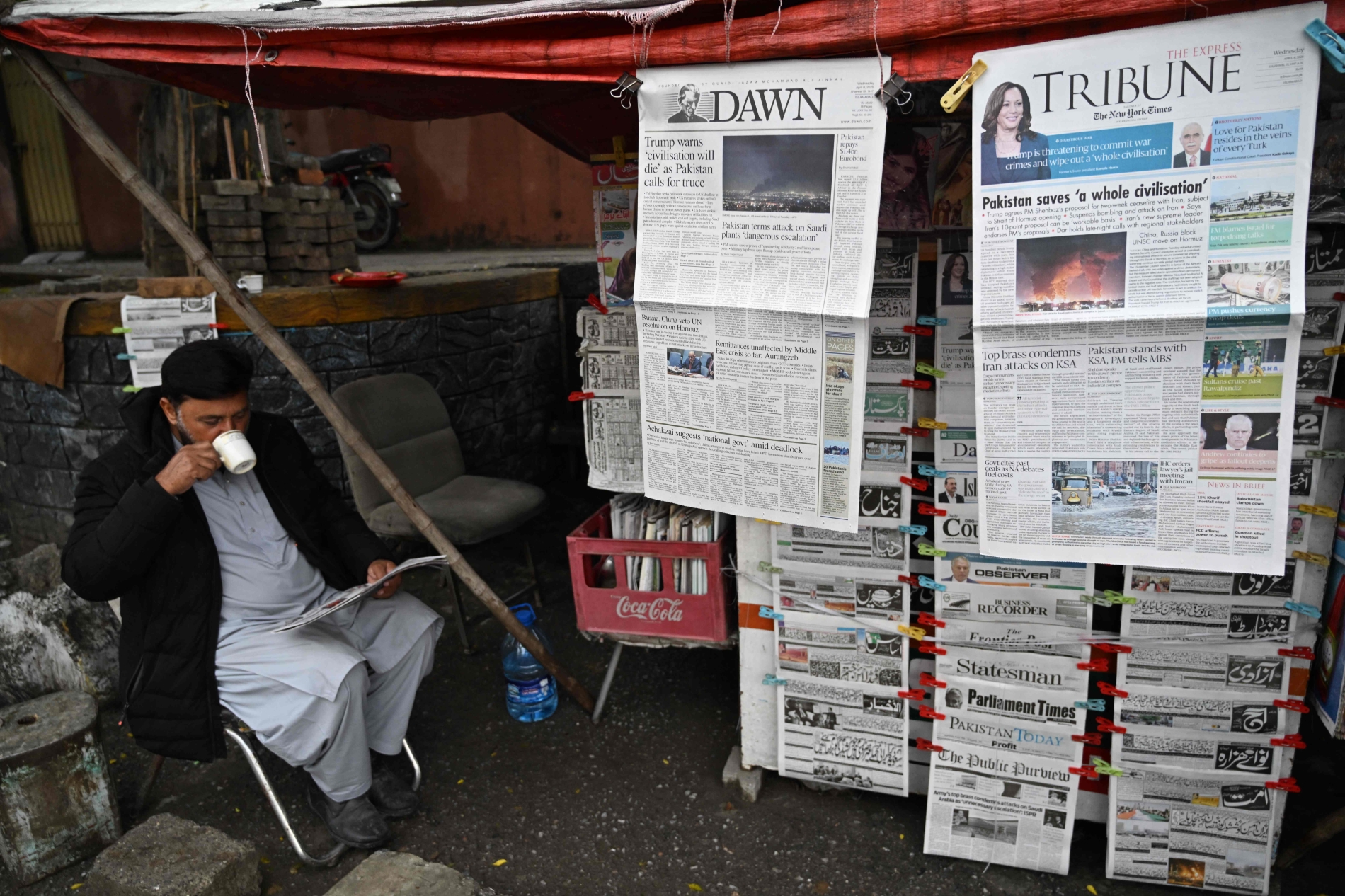
Aamir QURESHI / AFP
A vendor drinks tea as he read a morning newspaper at a roadside stall in Islamabad on 8 April 2026.

Iftikhar Hussain Kazmi, Pakistan's former ambassador to Bahrain, told Al Majalla that it was "as much an honour as a responsibility for Pakistan to play host to talks between Iran and the US," adding: "It indicates the trust that they place in Pakistan." He said Islamabad "feared a spillover of this catastrophic war into Pakistan," explaining: "We had as much a stake in peace and stability in this volatile region as the other countries involved." Finally, he said China's leaders "played a critical role behind the scenes in bringing the parties concerned to the negotiating table".

Analysts caution that any agreement between the US and Iran risks failure if it does not incorporate the concerns of the Gulf states, which have been left deeply uneasy at what they see as key regional security issues being overlooked in the current ceasefire discussions.

Gulf concerns

One of the Gulf states' most critical demands is the guarantee of freedom of navigation in the Strait of Hormuz. Equally important is the cessation of Iranian missile and drone attacks targeting Gulf states such as Bahrain, the United Arab Emirates, and Saudi Arabia. Peace is not sustainable if such attacks continue, officials say, as it undermines trust and threatens critical infrastructure.

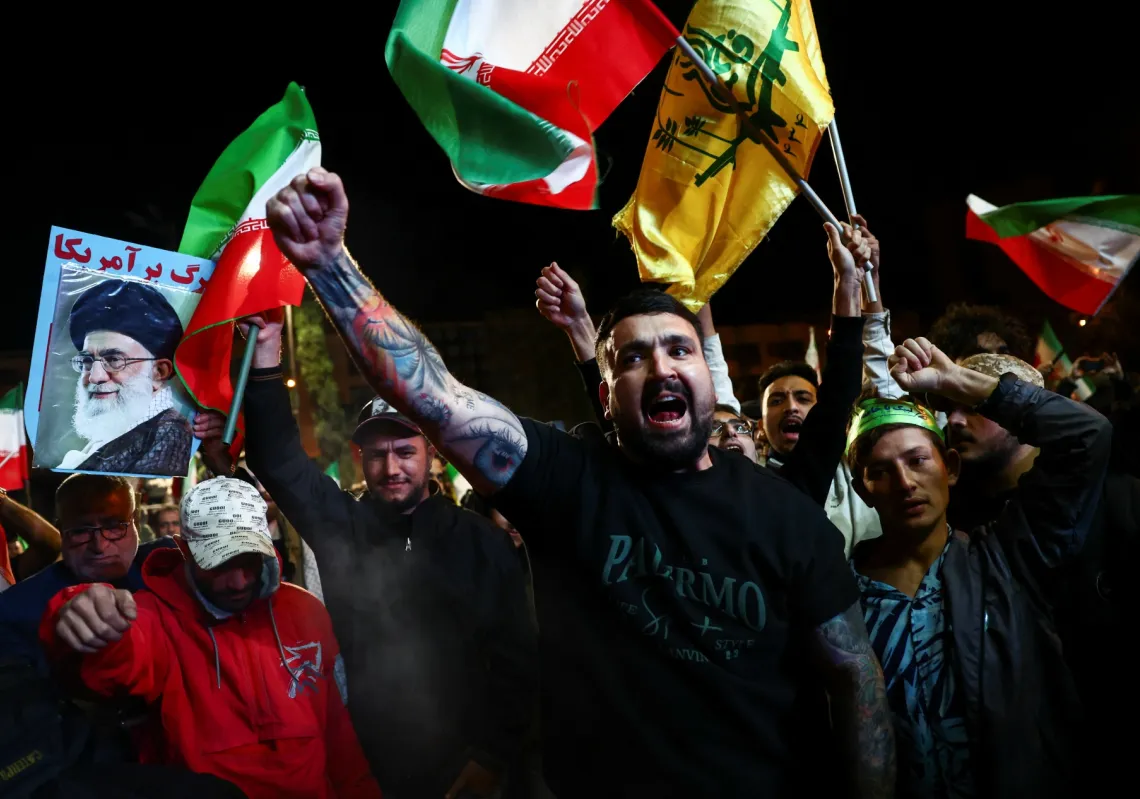
"Any agreement between the United States and Iran must meaningfully address the security concerns and demands of the Gulf Cooperation Council countries," said Mustansar Klasra, a politics lecturer at Bahria University, Islamabad. "Without taking their concerns seriously, any deal will lack credibility and fail to be a lasting peace." Another major concern is Iran's support for regional militias operating in Yemen, Iraq, and Lebanon. Gulf states view this as a primary driver of instability and argue that ceasefire negotiations must include commitments to end such support.

For Pakistan, the stakes are high. The current diplomatic opening presents an opportunity to establish itself as a credible mediator in one of the world's most volatile regions. At the same time, failure could expose the limits of its influence and the fragility of the ceasefire. At the time of writing, the guns had fallen silent, and attention was shifting from the battlefield to the negotiating table. Whether this pause can become a peace remains uncertain.

font change