Could the US-Iran war deliver Trump his own ‘Suez’ moment?

The conflict will likely prompt political and economic shifts, even if the extent of those changes may not be known for years.

Trump holding a Make America Great Again Hat
AFP
Trump holding a Make America Great Again Hat

Could the US-Iran war deliver Trump his own ‘Suez’ moment?

Less than a month old, the Iran war has already been talked of as an epochal, transformative moment in world geopolitics. Ambrose Evans-Pritchard in The Telegraph, for example, suggested that Trump’s actions could produce his own ‘Suez’ moment, whereby short-term military success is undermined by wider global economic forces, prompting a humiliating climbdown and a shift in global geopolitics.

Such assessments may prove premature, as we do not yet know how the conflict will end and cannot confidently forecast how the political and economic landscape may change. But the idea of this being a ‘Suez’ moment is not so far-fetched. Already, it is clear that the war will likely prompt political and economic shifts, even if the extent of those changes may not be known for years.

The country at the centre of the conflict seems most likely to be the most transformed by it. This may yet come in the form of the regime change Israel and the US hoped for, or as a descent into civil war. However, thus far, there have been few signs of either occurring. More likely is that the regime will survive in some capacity, but this will not mean a return to the pre-war status quo.

Domestically, the debate that has characterised Iranian politics for the past few decades, over engagement and negotiation with the US and its allies, could well be settled, with hardliners insisting their distrust has been vindicated. Whether the ascendant hardliners would crack down at home or offer some concessions to weaken the opposition movement that threatened it before the war is unclear.

Regionally, Iran’s willingness to attack its Gulf neighbours, despite their pre-war attempts at détente and mediation, will not be quickly forgotten. Though there are some parallels with how Saddam Hussein was a pariah after the Gulf War, the UN is unlikely to agree on comparable crippling sanctions as it did on Iraq, and key allies like China and Russia won’t sever ties, meaning Iran could prove far more problematic than the weakened Baathist state.

If it retains at least some capacity to produce drones and missiles, to disrupt the Strait of Hormuz and resume its nuclear programme, a bruised and resentful Iran could be far more destabilising for the Middle East than it was before. Internationally, Iran’s isolation would strengthen the global and regional positions of China and Russia, which are among Tehran’s few trusted intermediaries. At the same time, Beijing and Moscow’s hopes that the expanded BRICS could become a rival non-Western global bloc will be damaged by tensions between two new members, Iran and the UAE.
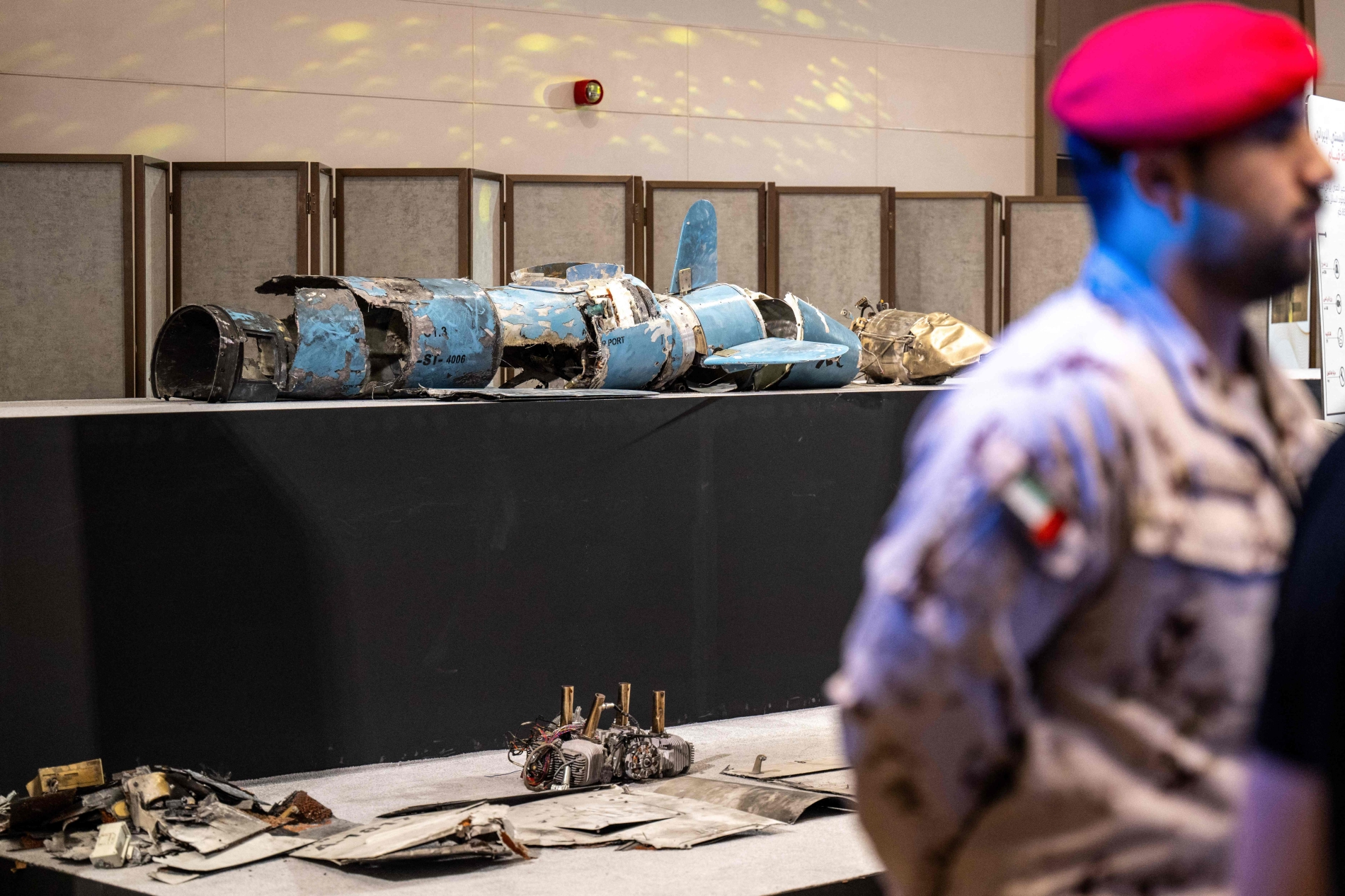
Ryan Lim / AFP
Pieces of missiles and drones recovered after Iranian strikes are displayed during a press briefing by the UAE government held in Abu Dhabi on 3 March 2026.

Trust deficit

If the Iranian regime survives, Gulf states will face some difficult questions. Each would hope to repair their reputation for stability and safe foreign investment, but this could prove difficult with a hostile government in Tehran. Greater securitisation may be inevitable, but this might clash with attempts to rebuild a pro-business environment. Foreign investments in areas such as aviation, finance and tourism that once headed to Dubai, Abu Dhabi and Doha might instead head to the relative safety of Istanbul, Riyadh and Jeddah.

The Gulf states may also have to rethink defence. Should the closeness to the US be reconsidered, given that Trump provoked the war, or should the alliance be doubled down on, given that US forces and defence equipment have proven vital in intercepting most Iranian attacks?
The fallout of the US-Iran war has further estranged him from European allies, while Gulf states may reconsider their past closeness

If the former, might more reliable partners like China, Britain, or France be brought in alongside, rather than replacing, Washington to hedge against future rogue moves by Trump? Similarly, how will the war affect the Gulf's ties among themselves? Instead of depending on outside patrons, might the GCC states seek more robust collective security, akin to a 'GCC NATO' that has frequently been mooted?

Or will differences ultimately mean each pursues its own course? It is highly plausible that the post-war Gulf looks more united or more divided, more aligned with the US or more diverse in its international alliances. One thing it probably won't look like is the same as before 2026.   

AFP
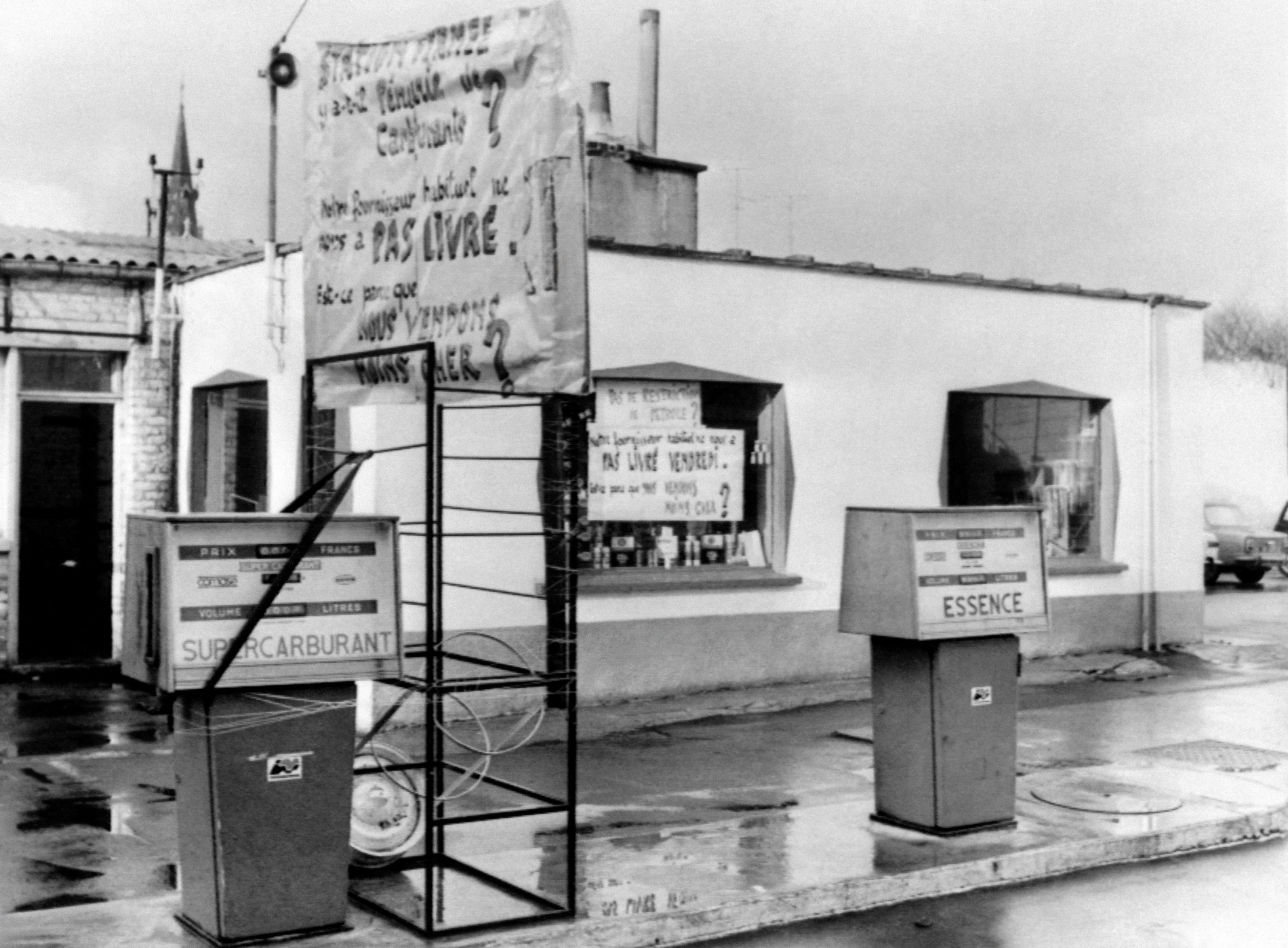
Gas pumps at a supermarket in Lomme, near Lille, were closed on November 30, 1973, due to a supply shortage during the 1973 oil crisis.

Geoeconomic shockwaves

Economically, while Evans-Pritchard sees the war as Trump's Suez moment, a more apt long-term comparison might be the 1973 oil shock. In 1973, however, Western economies were hit by the supply shock of the OPEC oil embargo, forcing most into recessions that destabilised them for years. This contributed to sluggish growth, prompting the rise of neoliberalism in the 1980s. Internationally, it contributed to a determination by Washington to secure the flow of oil from the Gulf, leading to deeper US involvement in the region, culminating in the wars of 1991 and 2003.

Might the current crisis prompt similar economic shocks? It has already prompted IEA members to release oil reserve stocks, indicating fears that rising fuel prices will crash the global economy. The longer the war goes on, the more likely this will be, not to mention unforeseen negative second-order effects. Though the political impact of recessions is unpredictable, incumbents are often blamed, which might boost opposition populists in many countries.

Some have speculated whether this latest supply shock, coming so close to that of 2022, might expedite the shift from fossil fuels. China is already leading the pursuit of renewables and, alongside stronger oil and gas reserves, is better insulated than Western governments in the crisis so far. Europeans, in contrast, appear as surprised as they were four years ago, which might jolt some into a rethink. That said, in 1973, the shock led to a greater focus on securing, rather than moving away from, fossil fuels, so there is no guarantee that such conclusions will be drawn.

Similarities and differences

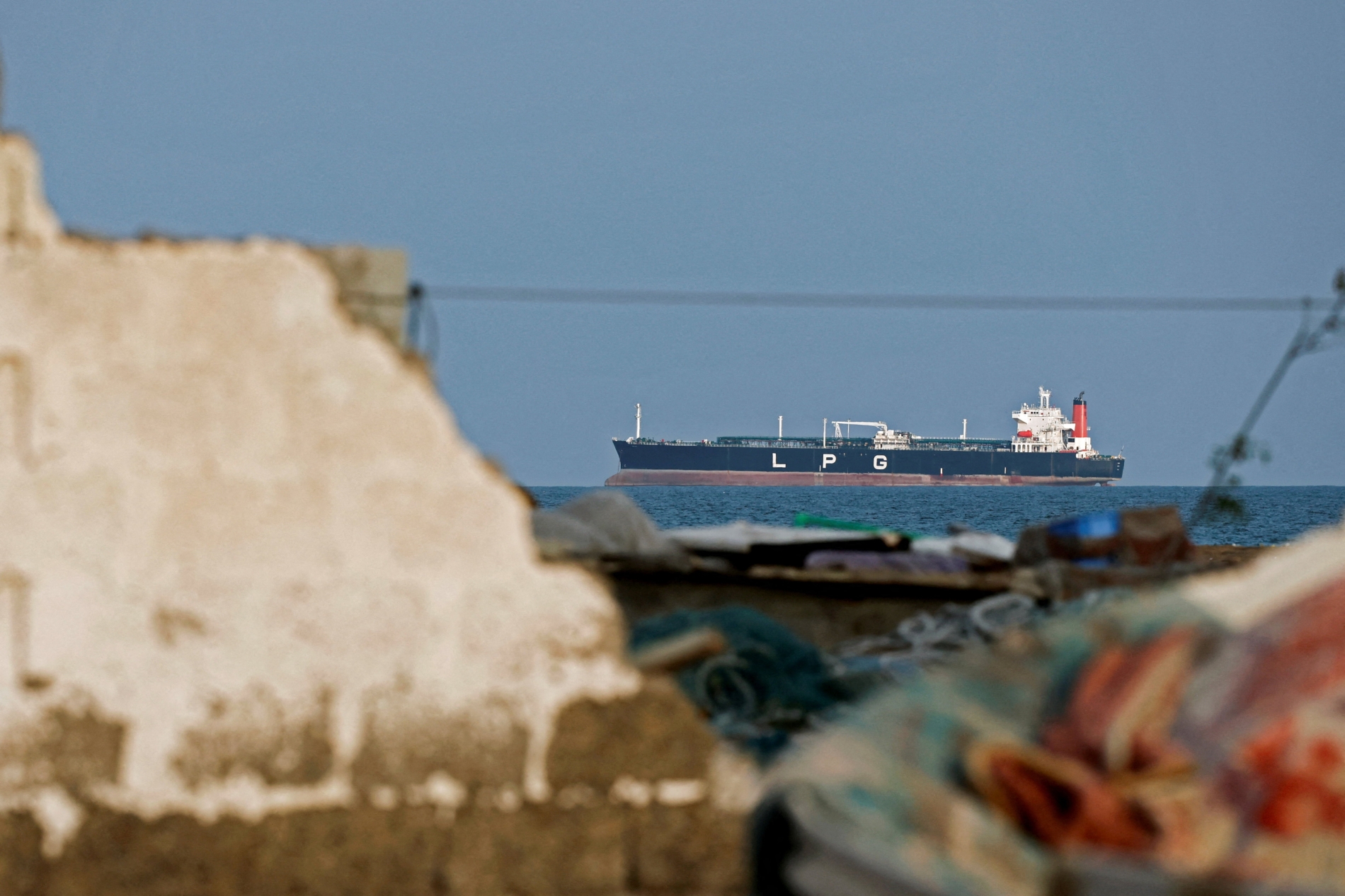
Will the war have similar geopolitical consequences for Trump as it did for Eden in 1956? Suez was Britain's last major imperial war, forcing it to right-size its foreign policy as a secondary power in the new Cold War reality. Similarly, Evans-Pritchard notes that the US' defence budget (as a proportion of GDP) today is almost half what it was in the 1980s, contributing to Washington's inability to simultaneously deploy its naval forces to attack Iran and escort ships through Hormuz.

REUTERS/Benoit Tessier
An LPG gas tanker at anchor as traffic is down in the Strait of Hormuz, amid the US-Israeli war on Iran, in Shinas, Oman, on 11 March 2026.

But here lies the difference with the UK in 1956. While the US is clearly weaker than it was in the Cold War, there is still no rival hegemon(s) akin to the role the US and USSR played for Britain in 1956. Beijing is rising but is not yet on a par.

This structural difference means the Iran war may not be as much of a geopolitical disaster for the US as it was for Britain. It might harm Trump personally (as it did Eden). The war, and its economic effects, are unpopular at home and could cost him in November's midterms. Internationally, the fallout has further estranged him from European allies, while Gulf states may reconsider their past closeness.

But structurally, Western allies still depend on the US for defence, especially in Ukraine. The Iran war may have highlighted even more to America's allies the instability that Donald Trump can cause, but it  hasn't changed the structural reality of Washington's position in the world. Unless China, Russia, or another power uses the fallout of the conflict to play a more pronounced role, which looks unlikely, that reality hasn't changed. Washington's allies will likely continue as before, gradually increasing their own autonomy as much as possible, while recognising they remain deeply tied to the US, which, for now, is governed by an unpredictable and sometimes dangerous president. 

font change