
The strategy of providing limited support to Iran while maintaining an indirect role in the US-Israeli war seemed to have paid off for Moscow. Yet, despite all the short-term benefits Russia derived from instability in the Middle East, from a strategic planning perspective, an extended war in Iran could have carried serious costs for the Kremlin. As pro-Kremlin political analyst Fyodor Lukyanov noted, no war goes as planned, but each one becomes a catalyst for trends that emerge in peacetime and, as a rule, makes them irreversible.
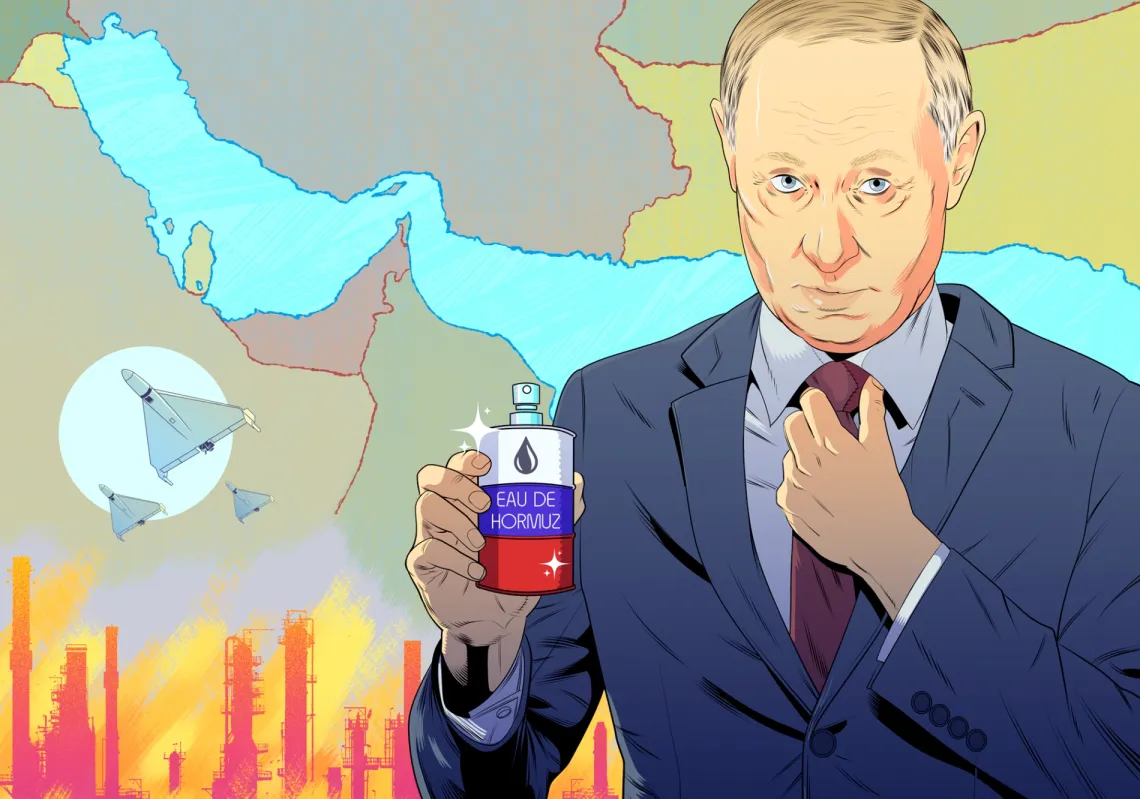
According to forecasts by Russian economists, oil and gas revenues were set to double in April compared with March. Unlike other vessels, tankers from Russia’s “shadow fleet” (often subject to sanctions for transporting Iranian oil) passed through the Strait of Hormuz virtually unhindered.
According to some estimates, 12 Russian vessels passed through the strait in a single day in early April, showing how it is only closed to some. Russia’s oil and gas profits would have been higher had Ukraine not struck its oil and gas infrastructure, significantly reducing export capacity. Oil pumping through the Druzhba pipeline was halted at the end of January, which led to the suspension of Russian oil supplies to Hungary and Slovakia. Europe is feeling the effects.
Risks and benefits
Rising energy prices are a temporary rather than a systemic factor that cannot be incorporated into any long-term planning. It is similar to food and fertiliser exports. According to UN data, around one-third of the world’s fertiliser shipments (about 16 million tonnes per year) pass through the Strait of Hormuz. At the start of the planting season, crop yields are a major concern if farmers cannot buy fertiliser.
Transit disruptions could become critical for the world’s poorest countries, particularly those south of the Sahara. According to various estimates, 90% of the fertilisers used there are imported. Rising gas prices have helped drive up fertiliser prices, which in turn drive up the price of grain. Many are looking to shift their grain procurement to markets with a stable supply of fertiliser, including Russia.
Moscow, flush with grain, is using the price hike to break through some of the political and sanctions barriers to capture new grain export markets that may open due to the disruptions, although some big grain buyers such as Egypt have already said that they will not buy Ukrainian wheat. Alongside this, fuel and fertiliser price rises will increase production costs, potentially affecting long-term yields.
Military implications
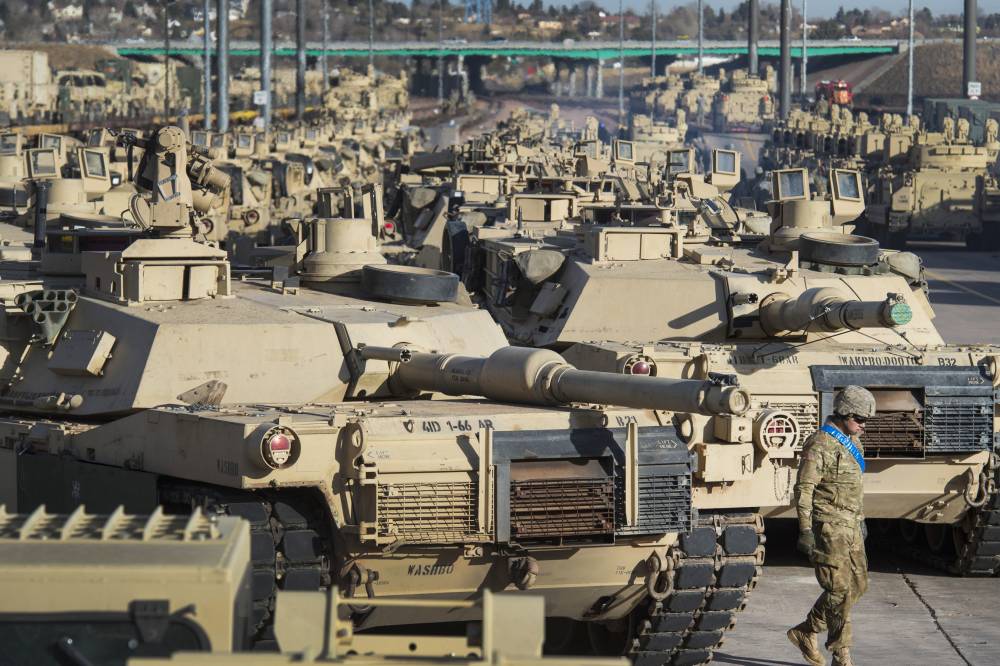
However, the most obvious benefits for Russia from the US-Israeli war against Iran are military. The US shift in priorities from Ukraine to the Middle East means there are fewer resources for Ukrainian air defence.
Some analysts suspect that the US will soon need to restock. In the first 16 days alone, it is thought to have used more than 6,000 defensive and offensive munitions, including nearly 46% of its ATACMS precision-guided missiles and nearly 40% of its THAAD interceptors. Currently, a two-week truce is in place, but should hostilities resume, a protracted war could force the US to redeploy yet more troops and resources, such as from Eastern Europe and South-East Asia.