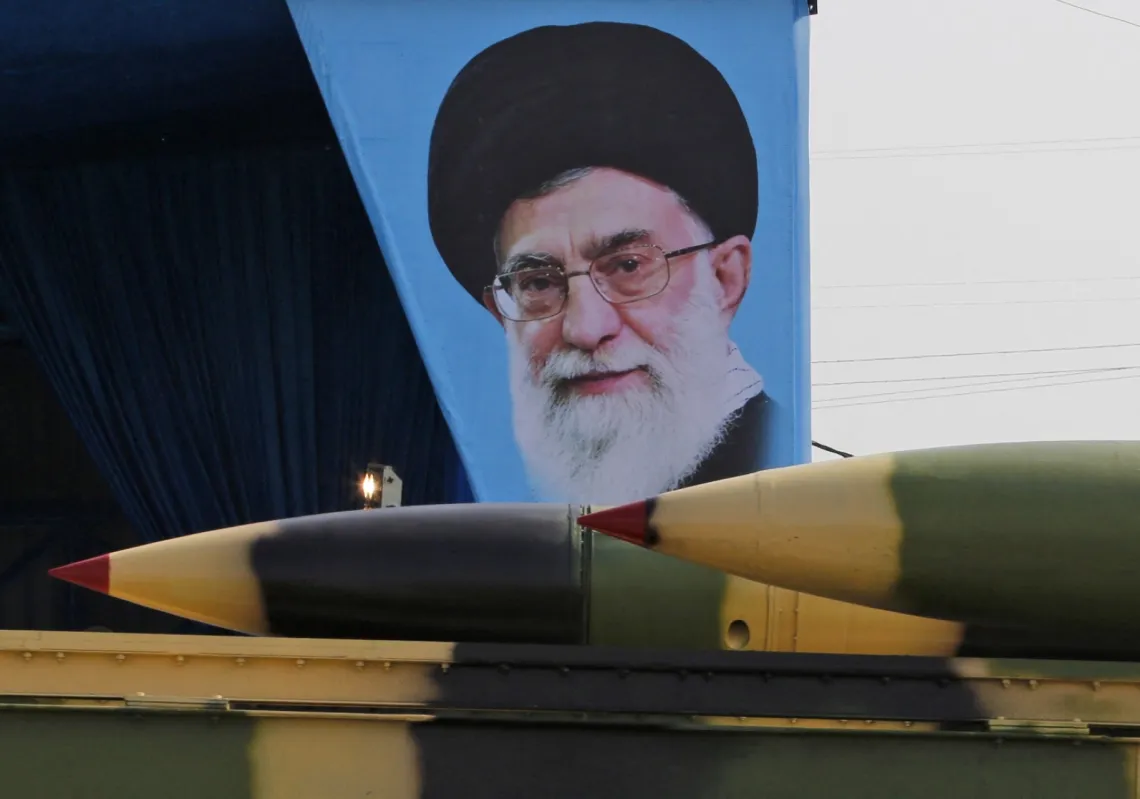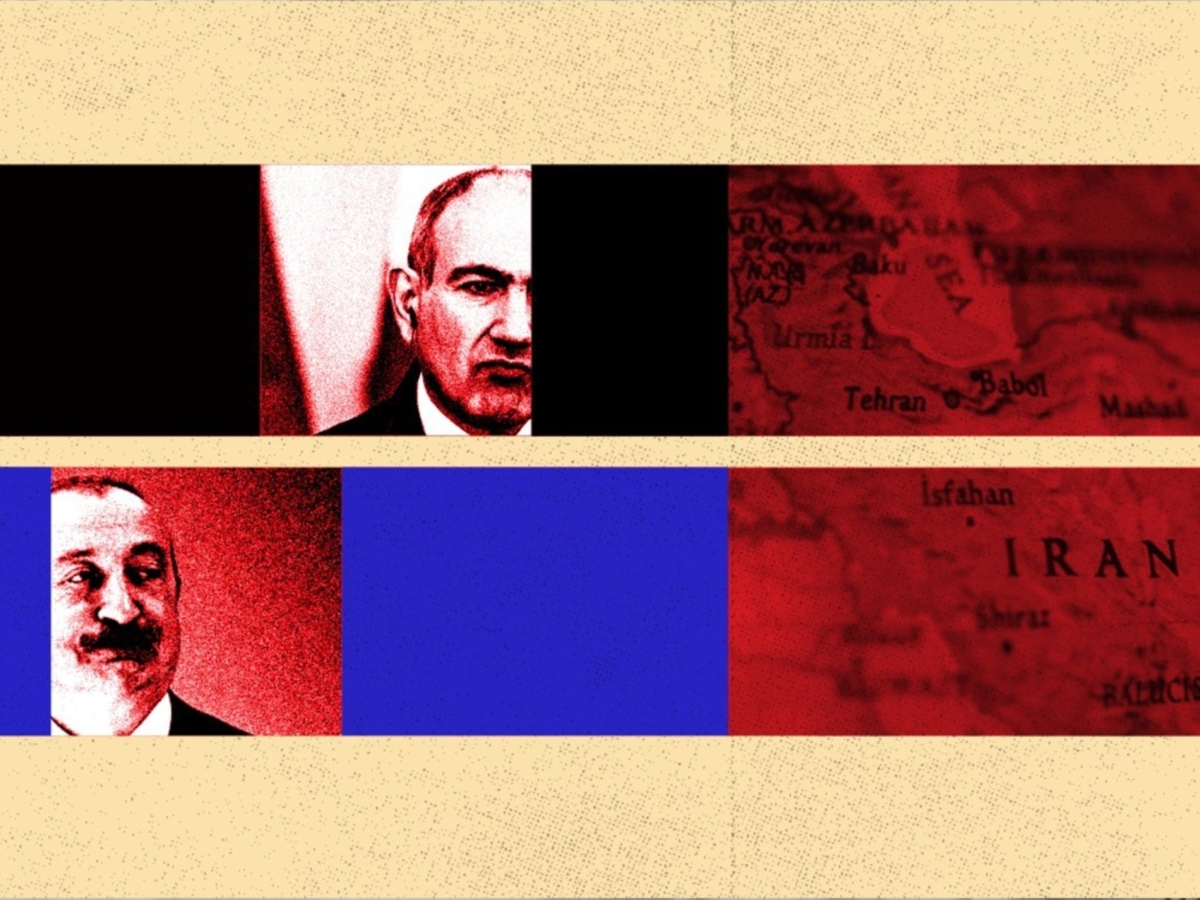

The launch of US-Israeli airstrikes against Iran on 28 February led to a response by the Islamic Republic that has drawn in more than a dozen countries. Less than a week into the conflict, Azerbaijan became one of them. Iran and Azerbaijan share a border, and Azerbaijan has good relations with the Israelis.
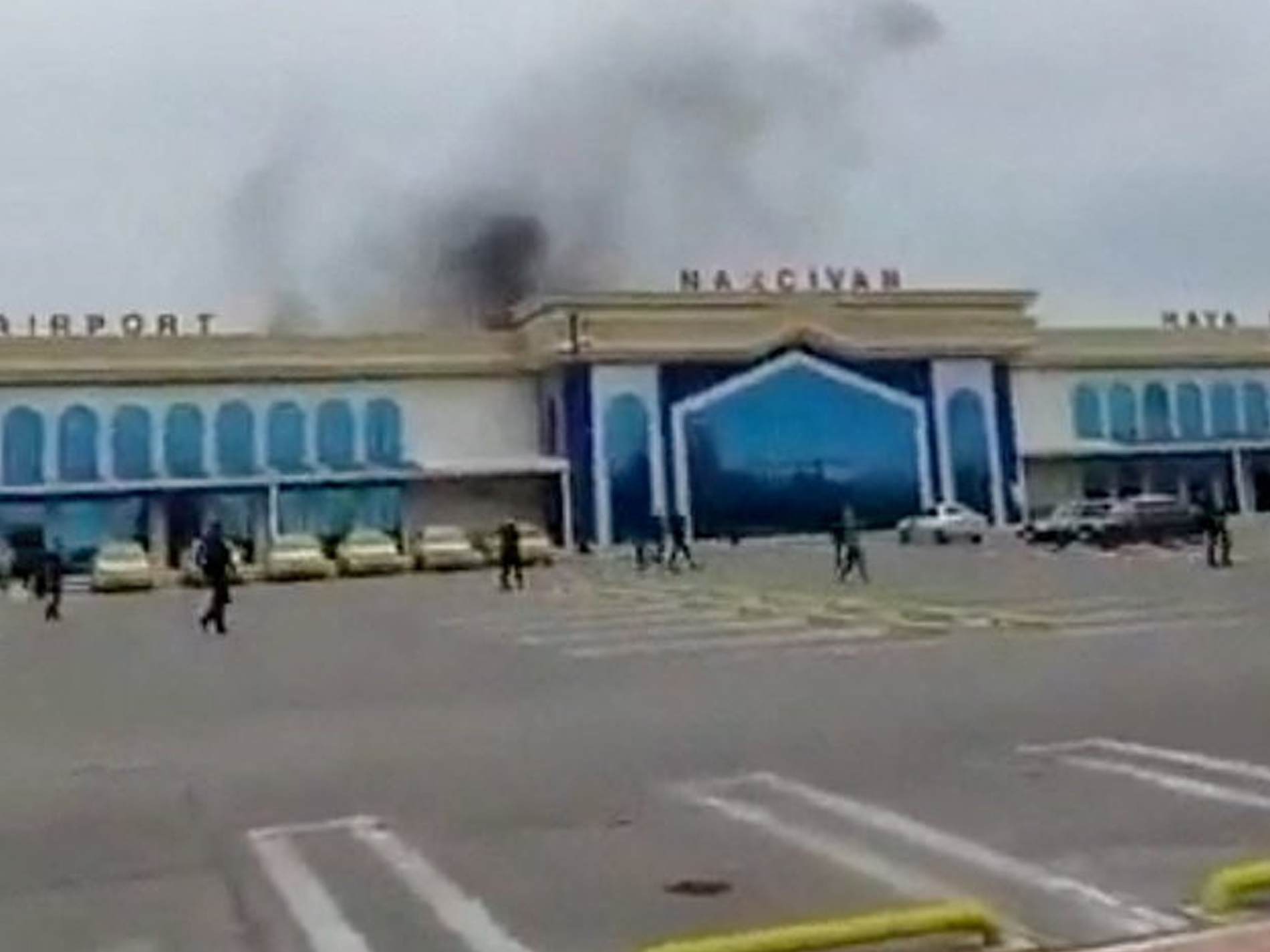
In the early days of the war, Azerbaijan aimed for neutrality, offering condolences to the Iranian people regarding the death of their Supreme Leader but not condemning the airstrikes. On 5 March, however, the media reported that at least three drones had entered Azerbaijani airspace over the exclave of Nakhchivan. One was downed, another hit the airport terminal, and a third exploded near a school, injuring civilians.
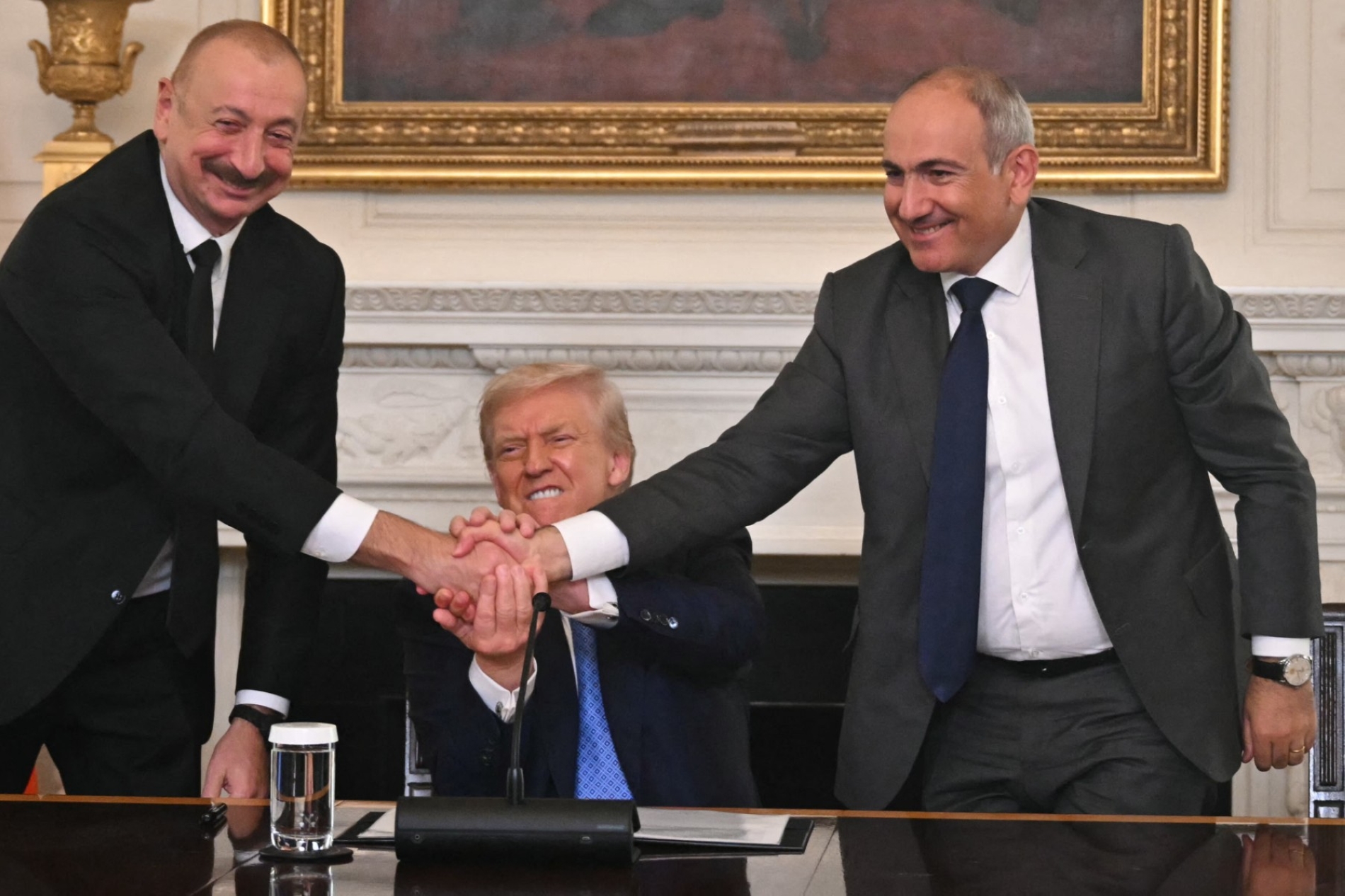
Iran called it a “false flag” operation by Israel, designed to draw Baku into the war. Azerbaijan President Ilham Aliyev was outraged, calling it an “act of terror,” withdrawing diplomatic staff from Azerbaijan’s embassy and consulate in Iran, and mobilising the army to prepare for a “military operation”.
He called Iranian forces “ugly, cowardly, and disgusting,” adding: “Independent Azerbaijan is a place of hope for the Azerbaijanis living in Iran.” This is a particularly sensitive issue because as many as 25 million ethnic Azeris are thought to live in Iran, where they cannot receive an official education in their native language. A multi-ethnic state, Iran is wary of threats of separatism on ethnic grounds.
Awkward neighbours
While Iran and Azerbaijan share cultural similarities, political relations are strained, in part because Azerbaijan has close ties to Tel Aviv. In 2020 and 2023, Azerbaijan used Israeli drones and technology to defeat Armenian soldiers and reclaim the territory of Nagorno-Karabakh. Iran thinks Azerbaijan could be used as an Israeli base from which to attack. To make matters worse, Azerbaijan also has close ties to Türkiye, Iran’s other major regional rival.
Economically, Iran and Azerbaijan work together. Just four days before Iran was attacked, they outlined joint initiatives in ten sectors such as transport, energy, electricity and water. Their plans included connecting their power grids and exporting electricity from Azerbaijan to Iran.
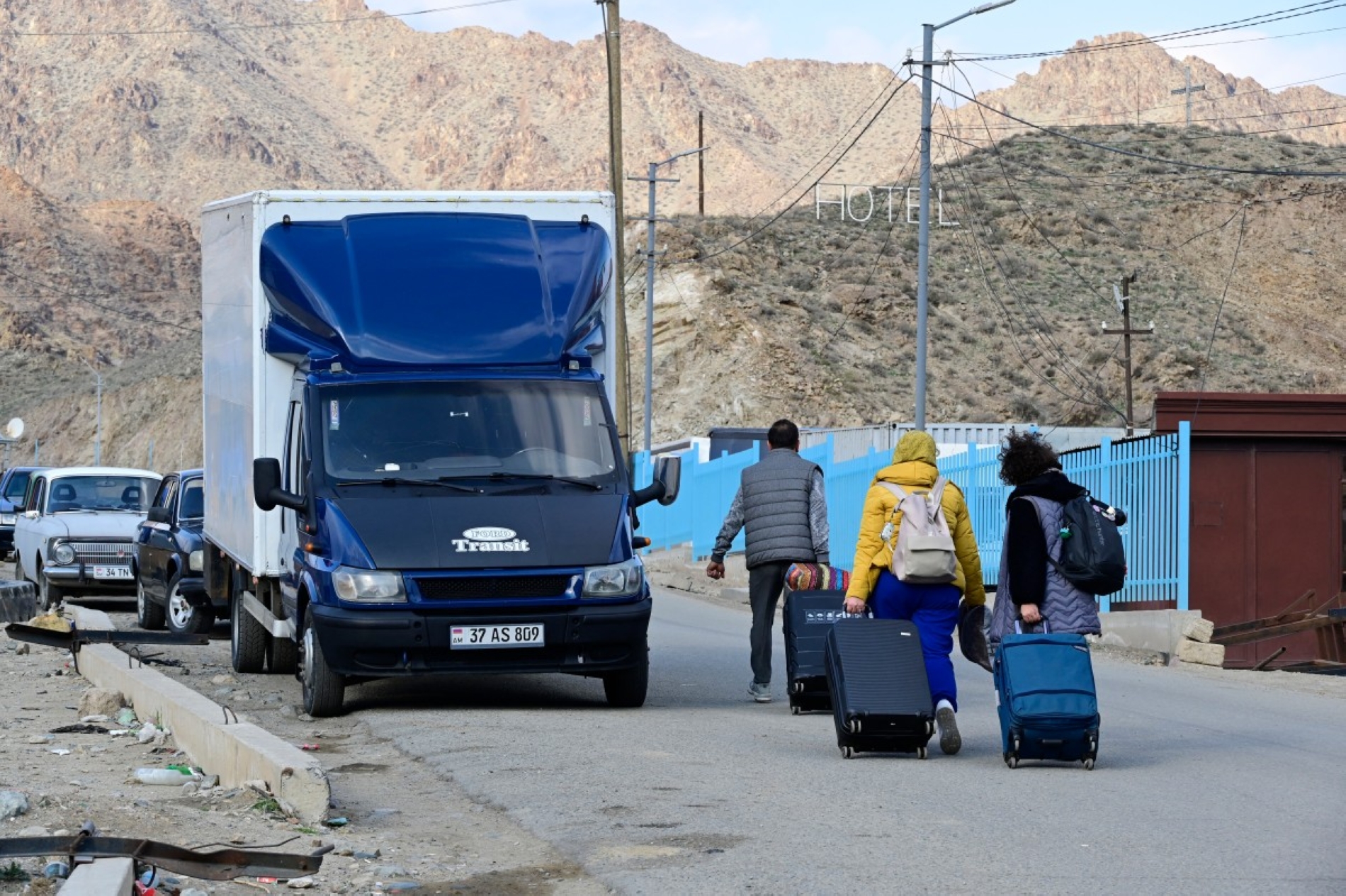
Another major economic project linking the two countries is the International North-South Transit Corridor (INSTC), which connects ports in India to Russia and, potentially, to the rest of Europe. Last year, around 120,000 Iranian trucks used this route to travel through Azerbaijan, and more than 50,000 Azerbaijani trucks entered Iran. Tehran and Baku sought to increase this overland trade to 15 million tonnes by 2030.