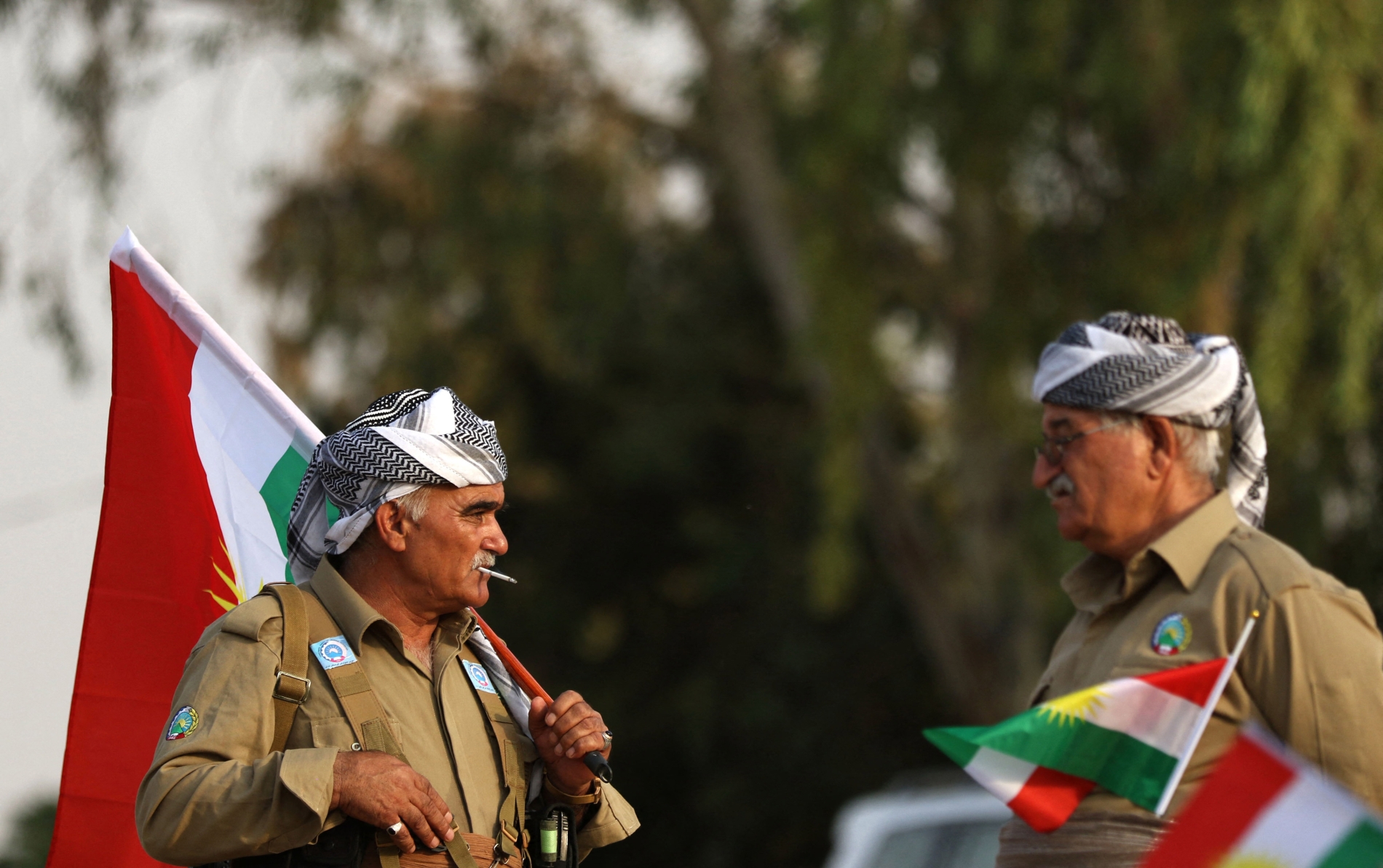
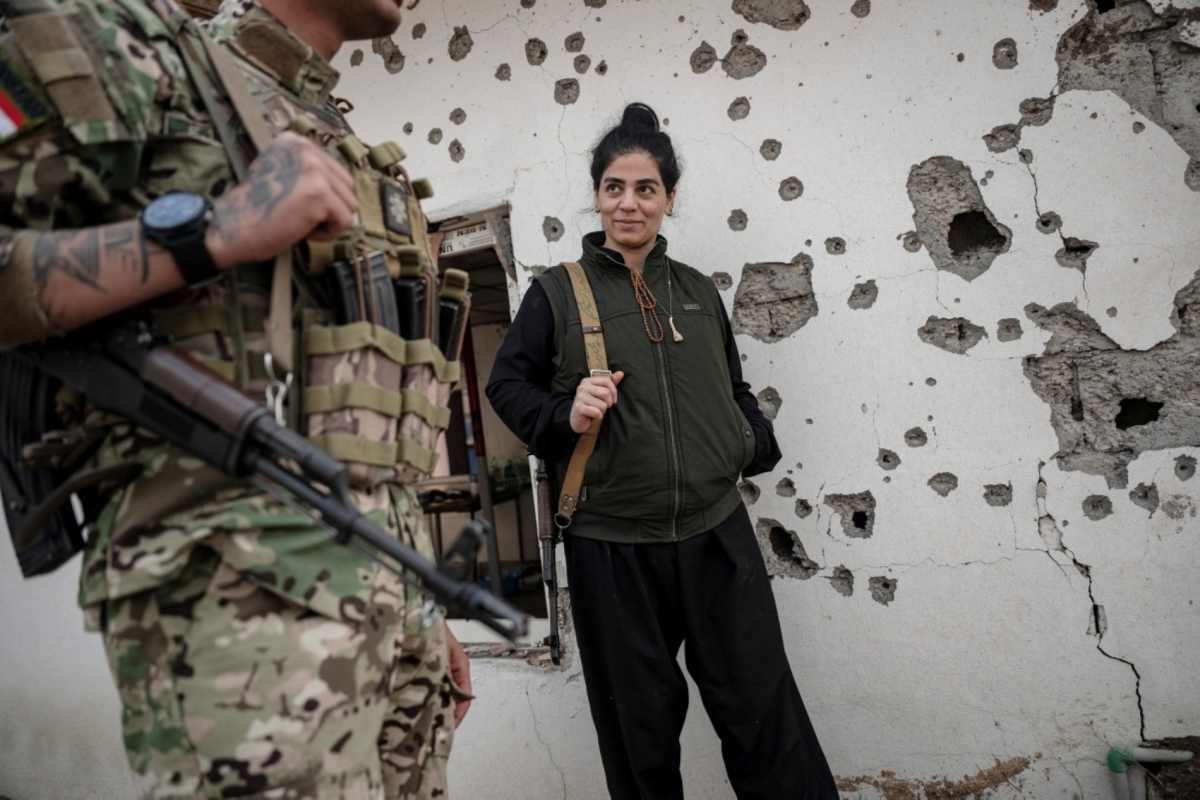

Dressed in military fatigues, with a personal weapon slung at her side, Afsana Rahimi greeted us with poise and calm assurance at the main gate of Topzawa camp, a settlement for Iranian Kurds north-east of Mosul, a big and ethnically diverse city in northern Iraq. Her short hair was neatly drawn back, revealing light makeup. Around her stood several armed Peshmerga fighters. The fighters are Kurdish. ‘Peshmerga’ translates as ‘those who face death.’
Rahimi is a senior figure in Sazmani Khəbati Kurdistani Êran (the Organisation of Struggle of Iranian Kurdistan, or OSIK) and urged us to move carefully through the camp. Two days earlier, it had come under rocket attack. Investigations have yet to determine whether the strike was launched by Iran’s Islamic Revolutionary Guard Corps (IRGC) or Iraq’s powerful Popular Mobilisation Front (PMF) factions, who are aligned with Iran. The PMF’s headquarters lie no more than 30km from the camp.
After fleeing Iran eight years ago, Rahimi joined OSIK’s camps. She felt that Iran had become a country of erasure, where the things she once hoped for—civil liberties, democracy, Kurdish rights, gender equality—were being steadily extinguished, as was her hope that change might still be won through legitimate political struggle. She sees this as the cause of a generation that has all but gone.
Crossing the border
Rahimi is among the dozens of young Kurdish women and men born in the 1980s and 1990s who severed their ties to Iran and made their way to the autonomous Iraqi Kurdistan, where they joined the camps and compounds of Kurdish parties. Some of these camps were set up more than 40 years ago, when armed confrontation intensified between the Kurdish nationalists and Iran’s newly established clerical regime, which had just overthrown Shah Mohammad Reza Pahlavi.
When the IRGC crushed armed Kurdish groups in Iran in the late 1980s, assassinating several Iranian Kurdish political leaders who were living in Europe, thousands of Kurdish fighters settled in Iraq in the border camps. In time, they were granted residency rights and political asylum. Topzawa is one of the dozens of camps established to house Kurdish fighters.
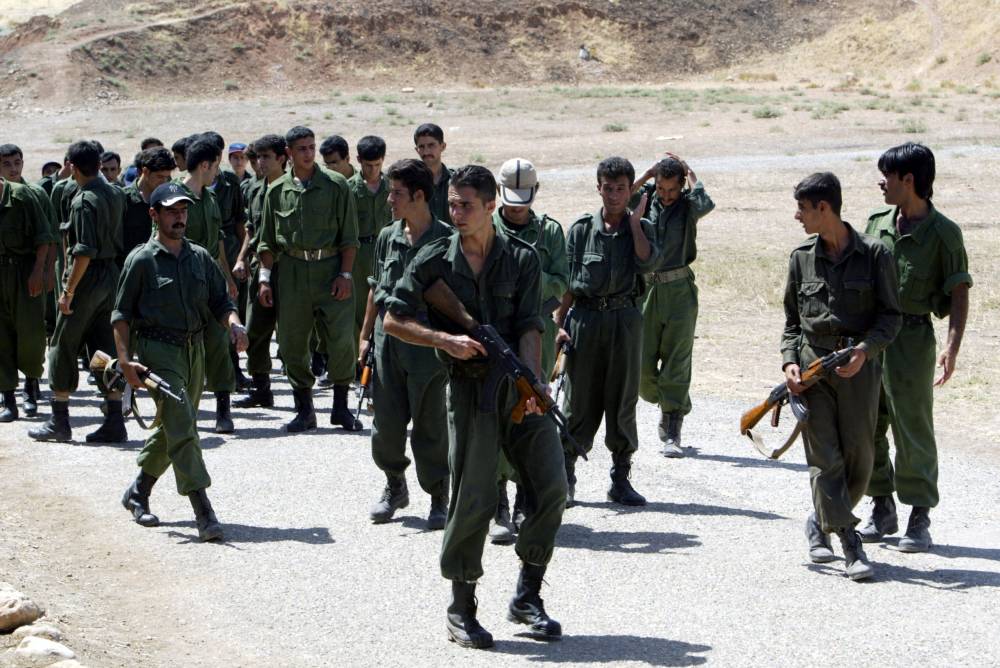
Every camp or compound is affiliated with an Iranian political organisation. Administratively and politically, Topzawa falls under OSIK. The political arrangement between the Kurdistan Regional Government and the Iranian Kurdish parties allows these groups freedom of political activity, administration rights within the camps, and permission to carry light arms for the camps’ protection. Beyond that, they are bound by the broader security agreements between Iran and the Kurdistan Region.
Topzawa had been home to nearly 300 civilian families. Most are related to OSIK fighters and leaders, but some are entirely civilian households. It houses several residences for young men and women who have joined OSIK’s ranks, but in recent days, its civilians largely left, as the camp came under aerial bombardment.
‘Made locally’
During our visit, Al Majalla saw the cratered attack sites. One missile landed near the party’s logistics hall. Shrapnel tore across the surrounding area for 50 metres. The second attack was by drone and targeted the camp’s main meeting hall, falling 10 metres away. Party officials told Al Majalla that it struck precisely during the Ramadan iftar, when OSIK’s leadership customarily gathers in the hall.
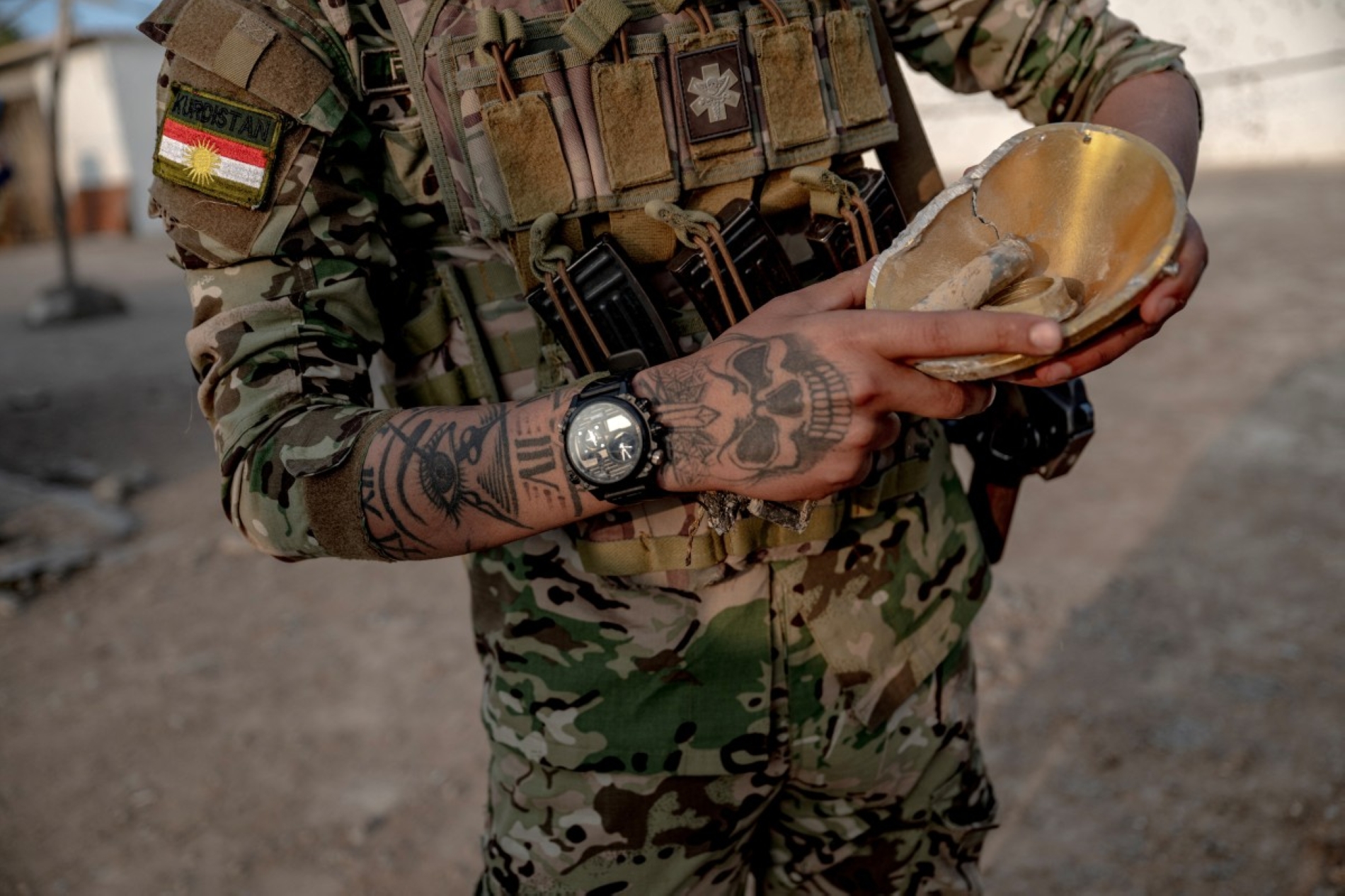
We were shown fragments of the drone used. Of medium size, it was crudely assembled from simple components and fitted with an explosive payload which the camp’s security officer estimated at no more than 20kg. Does he think it came from the Iraqi PMF? “Judging by the type and scale of the devices used against the camp, they were undoubtedly made locally,” he says. “They do not belong to the class of missiles and drones produced by recognised manufacturers, including Iranian companies.”
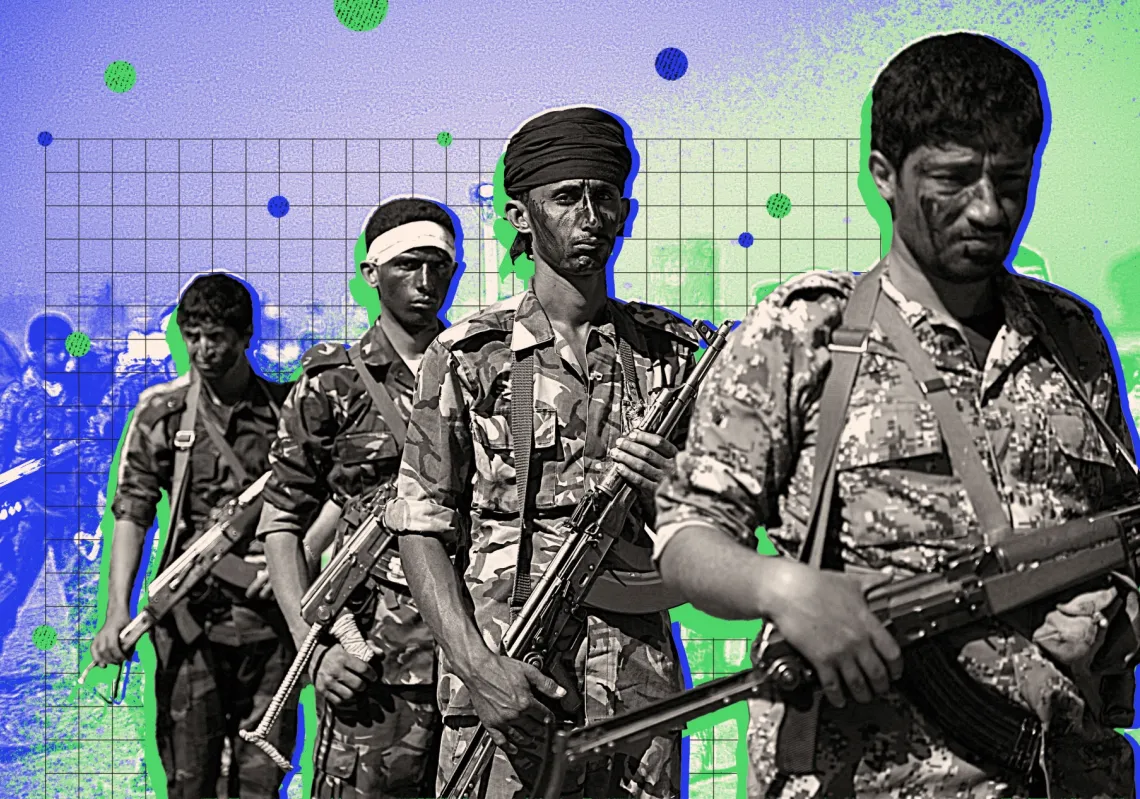
Where did it come from? “Both devices approached from the south-west, from the Nineveh Plain between us and the city of Mosul, an area controlled by the PMF,” he explains. “The Shabak Brigade is deployed in the areas of Bashiqa, Bahzani, and Bazwaya, north and east of Mosul. Brigades affiliated with Harakat al-Nujaba are stationed around the town of Bartella. Not far from there, close to Mosul, there are also brigades and bases controlled by Kataib Hezbollah. This is tightly organised and well disciplined. It is the most closely bound to directives issued from Iran.”
An OSIK leader says the party has been in direct contact with the Kurdistan Region and the Peshmerga during the bombardment, and that these in turn were in close contact with the Iraqi army and with Iraq’s federal government in Baghdad. Kurdish leaders were told that a response would be inevitable if attacks continued from the Nineveh Plain targeting Erbil, oil interests in Dohuk, and Iranian Kurdish camps.
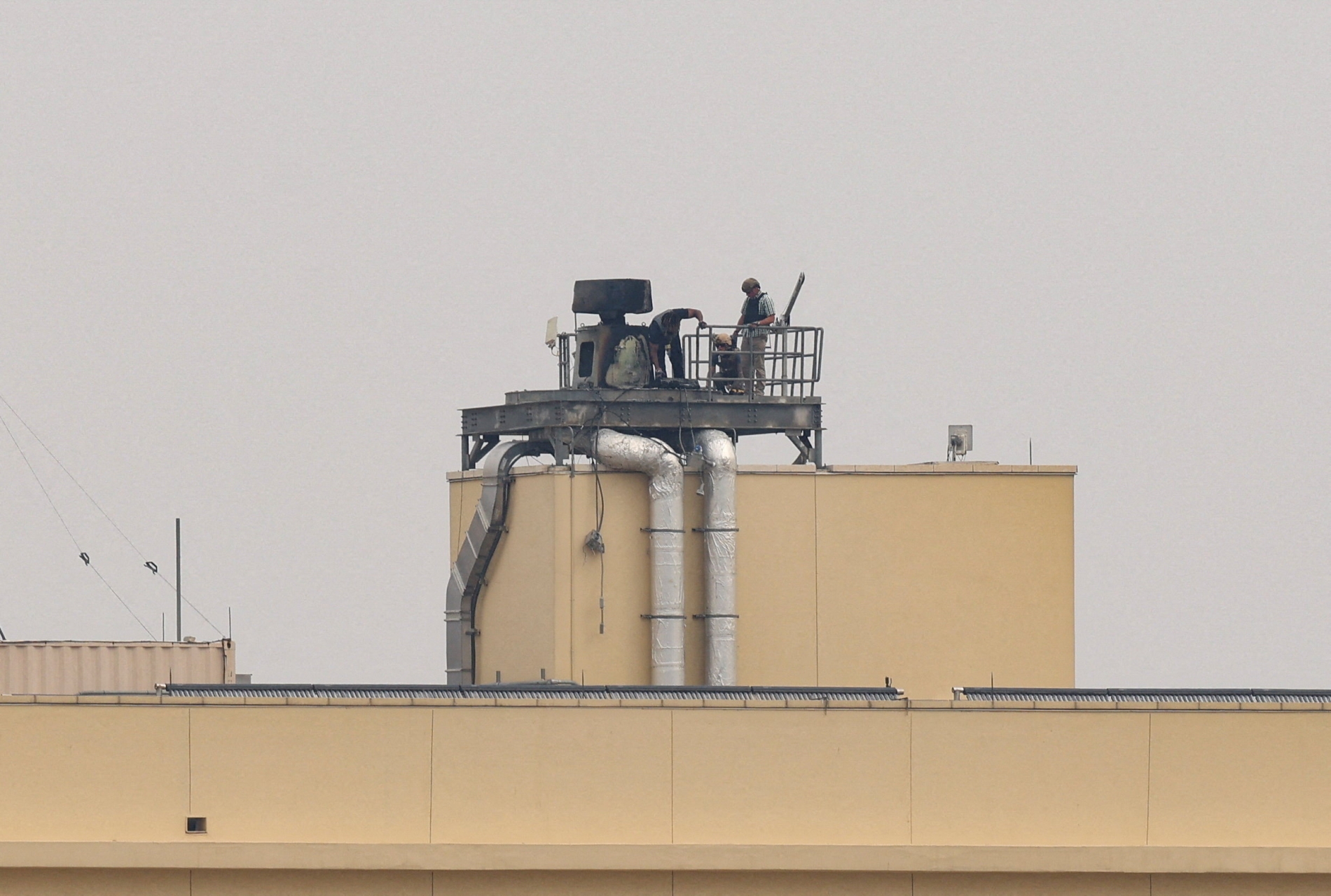
It later transpired that the Iraqi army evacuated several PMF bases and deployed its own forces in their place, after pressure from the Kurdistan Region. Iran-aligned militias have attacked certain American interests within areas controlled by the Iraqi federal government, including the Victoria logistical base near Baghdad International Airport, which is used by international coalition forces. It was near here that the Americans assassinated Qassem Soleimani, the former Iranian commander of the IRGC’s elite Quds Force, in January 2020.
The latest pretext
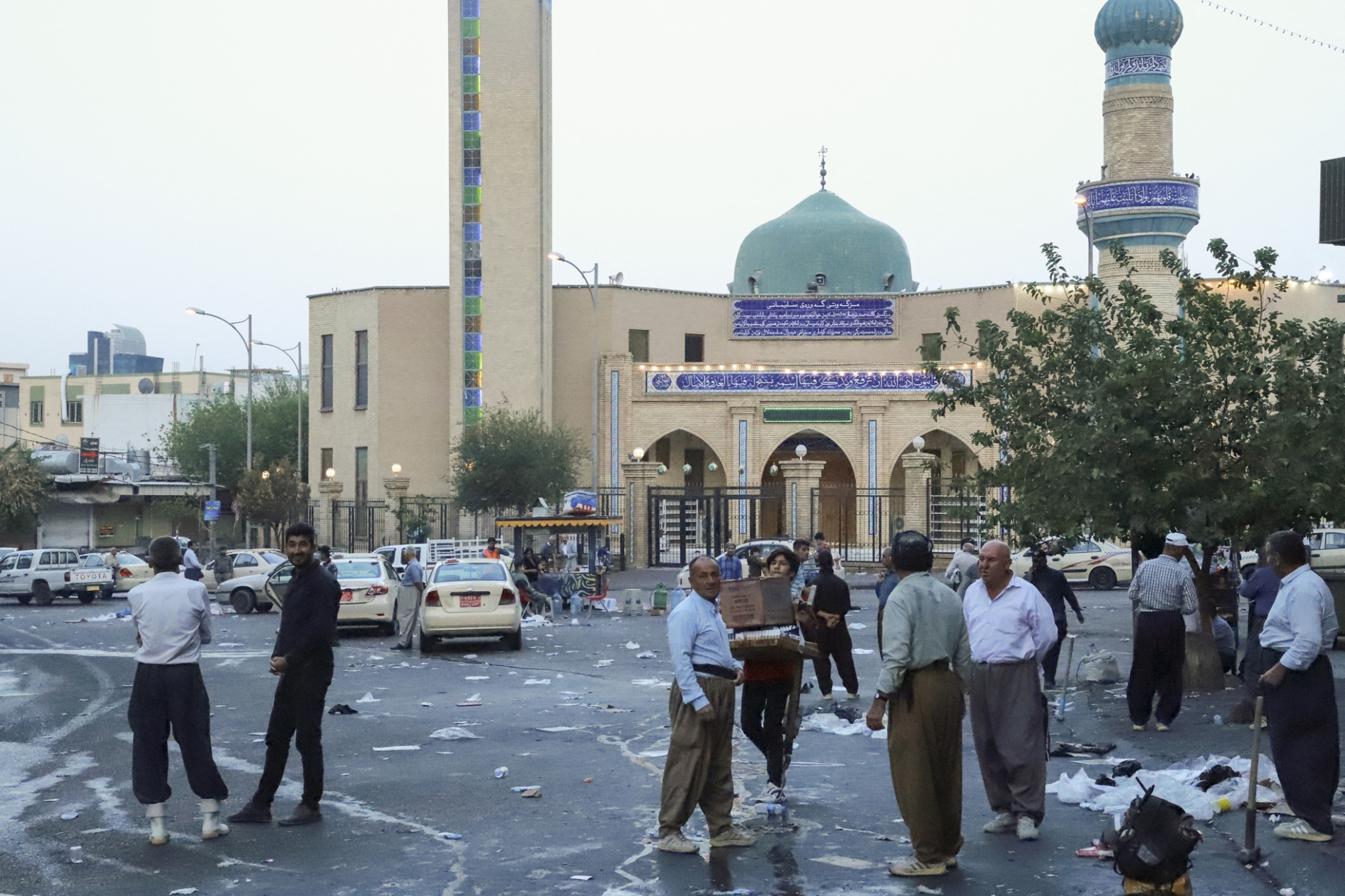
In Rizgari, beside the camp, local residents were asked about their fears following the attack and the possibility of fighting the PMF, which is not far away. Their answers, in general, affirmed Kurdish solidarity and the need to protect both the camp and the Kurdish fighters in the name of brotherhood. “The Iranian Kurdish fighters are merely the latest pretext for targeting us,” says Mam Giro, a retired electricity worker.
“Campaigns of Arabisation and efforts to drive us from our lands in the Nineveh Plain began in the 1960s. This region then became a theatre of confrontation between the Peshmerga and the Iraqi army in the 1970s and 80s. Later, extremist organisations, above all ISIS, used it as a launching ground for attacks on Kurdish areas. Today, the PMF carries out much the same practices, even if the pretext now is the presence of Topzawa camp for the Iranian Kurds. Only a few months ago, they targeted oil refineries and warehouses storing essential supplies in this area. They want to manufacture pretexts for encircling the capital, Erbil.”
Iranian Kurdish politician and fighter Hama Jabbar Wakili echoes Mam Giro’s account. His family had suffered displacement for decades, he says, moving from one camp to another along Iran’s border with Iraq, then towards Türkiye. They now live under the PMF's shadow.
“During the Iran-Iraq war (of 1980-88), and because of the stance our Iranian Kurdish political parties took towards that conflict, our camps came under countless attacks by the IRGC,” he says. “When we tried to move them away from some of the more dangerous areas, we found ourselves caught up in the Turkish army’s conflict with the Kurdistan Workers’ Party (PKK). Before long, the fires of Kurdish division and the internal Kurdish war in the Kurdistan Region in the mid-1990s were closing in.”
Life in the camps
After Saddam Hussein was removed from power in Iraq in 2003, Wakili says Shiite parties came to power. “They embraced a strategy of complete subordination to Iran and subjected us to every form of pressure, including the recent security agreement between the two states, which came wholly at our expense and drove us from all the places where we had long been settled. What happened to Topzawa camp and many others is painfully familiar, but it will continue until the fall of the current regime, because the Iranian regime knows full well that we wield real influence among Kurds in Iran, who are the most prepared to expel the regime’s forces.”
In normal times, life in the camp revolves around social and cultural activities, but it also houses OSIK’s leaders who aim to shape public affairs through politics and the media, whilst building and maintaining alliances. Topzawa camp has enjoyed a long period of stability. Together with the Kurdistan Region’s economic development in recent years, this has enabled many of its residents to work, study, and even travel.