
For years, I have argued that the Islamic Republic of Iran was approaching a strategic breaking point. That moment has now arrived—but not in the way many in the region anticipated.
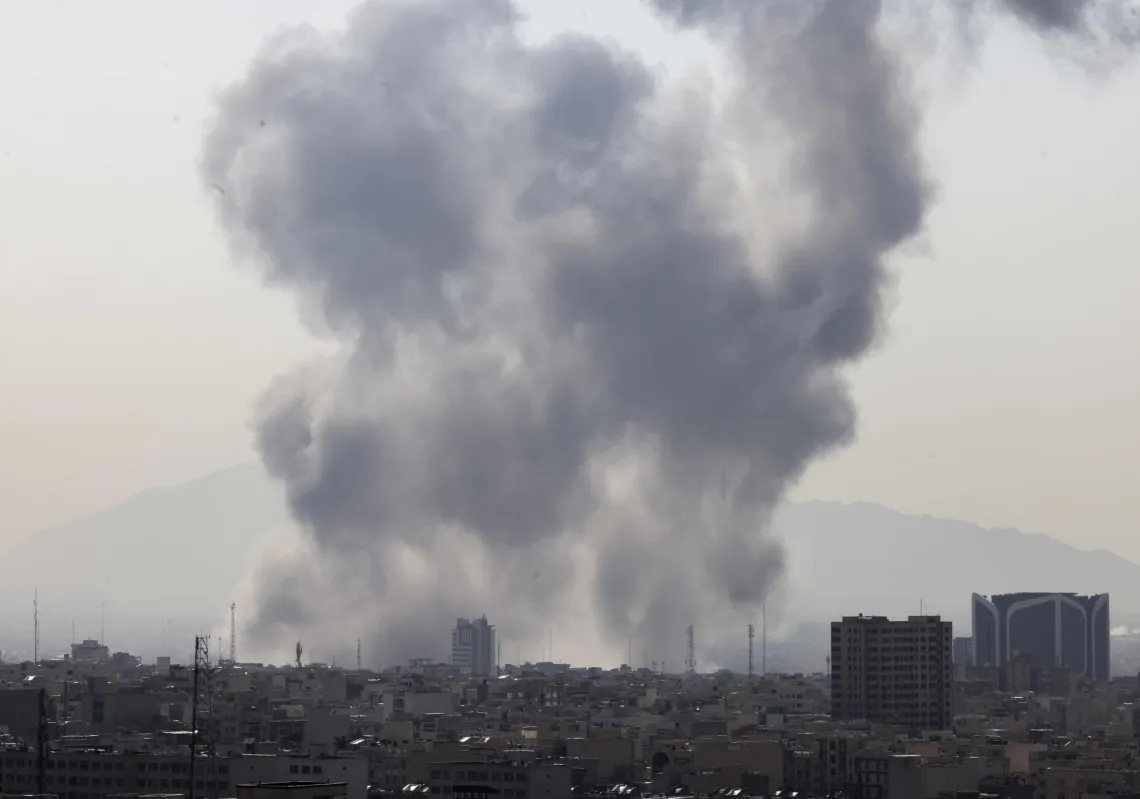
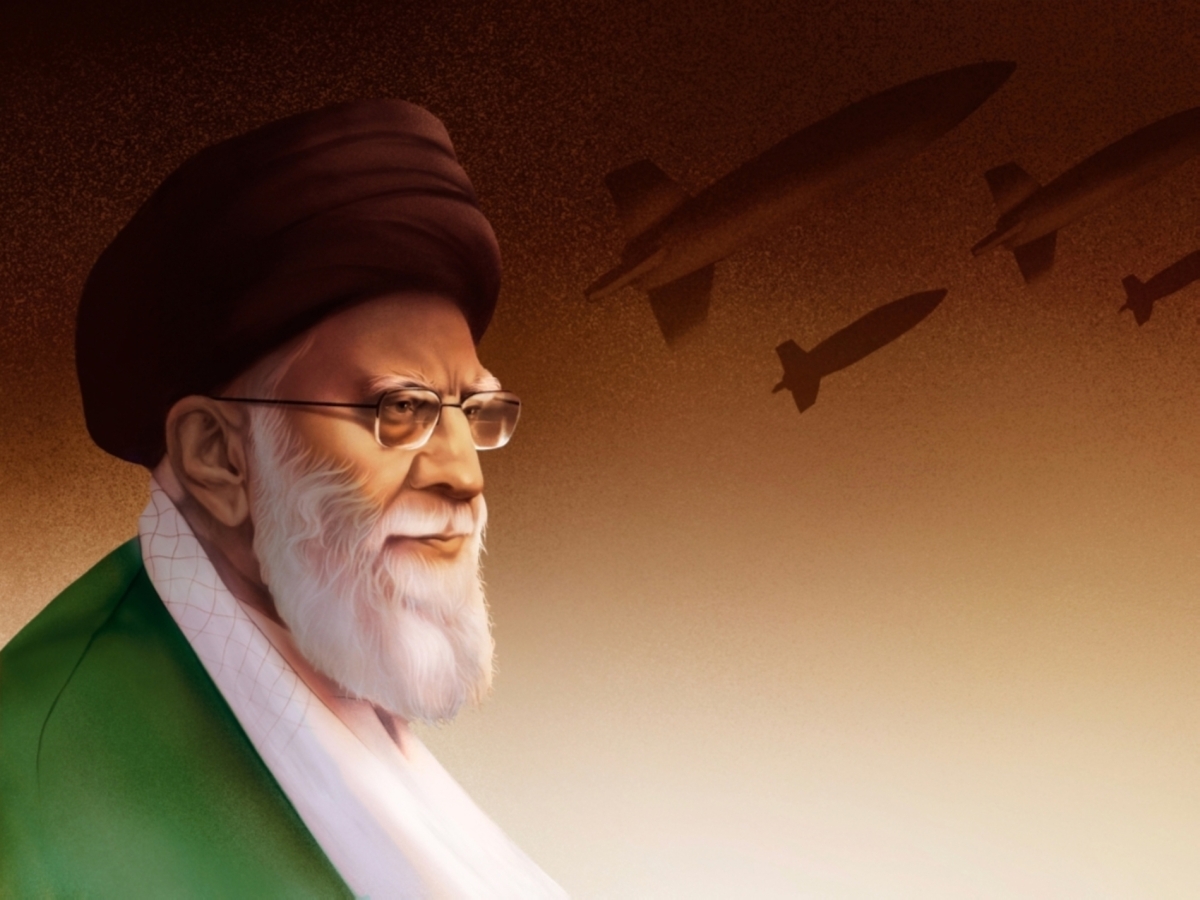
The coordinated American and Israeli strikes against Iran’s nuclear and military infrastructure, culminating in the killing of Supreme Leader Ali Khamenei, represent the most dramatic escalation in the Middle East in decades. Yet what we are witnessing is not simply the possible collapse of the Iranian regime. It is the opening of a far more dangerous regional chapter.
Iran was already under extraordinary strain. Western-imposed sanctions had hollowed out its economy. Its regional proxy network was weakened by sustained Israeli operations. Domestic unrest—especially among youth and women—had eroded the regime’s aura of permanence. Strategically isolated and economically battered, Tehran faced internal pressures unlike any it had faced since 1979.
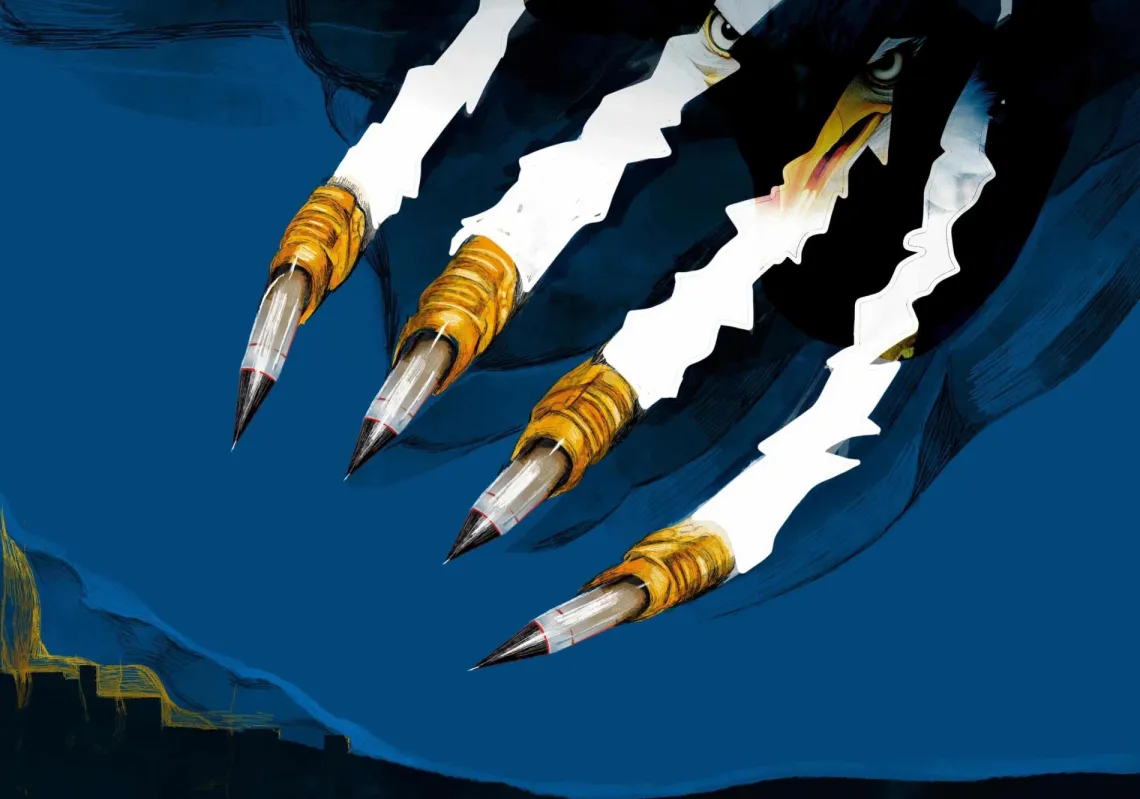
But strategic vulnerability does not automatically produce political transformation. It produces contestation. And it creates opportunity—for internal actors and external powers alike. Israel recognised that vulnerability early. Over the past decade, it conducted an extensive campaign of covert and overt operations inside Iran: cyberattacks, sabotage of nuclear facilities, targeted assassinations of scientists and security officials, and deep penetration of the Islamic Revolutionary Guard Corps. Each operation was designed to degrade Iran’s capabilities. But equally important, each was calibrated to narrow Washington’s room for maneuver.
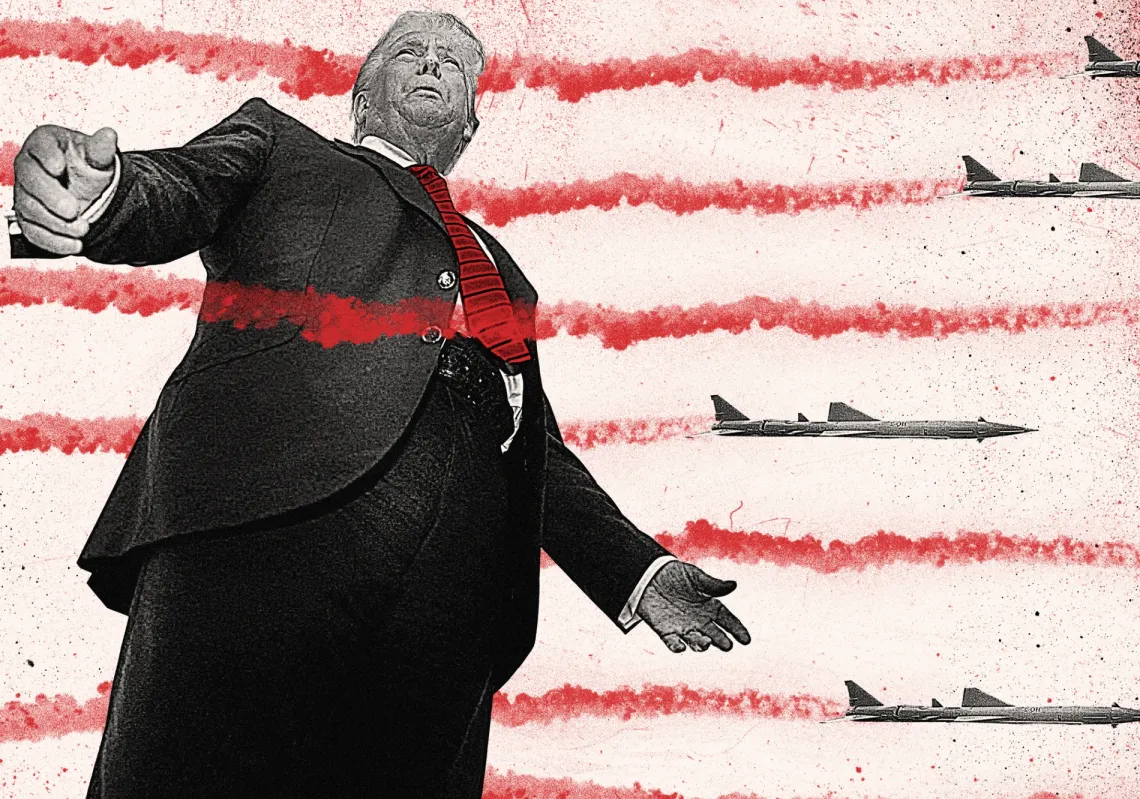
The objective was clear: convince the United States that diplomacy had failed, that time was running out, and that military force was not merely justified but inevitable. This was not manipulation in the conspiratorial sense. It was strategic shaping. Intelligence briefings, political messaging, and public diplomacy worked in tandem to frame Iran as an immediate and existential threat requiring decisive action. The debate in Washington gradually shifted from whether to strike to when and how.
Point of no return
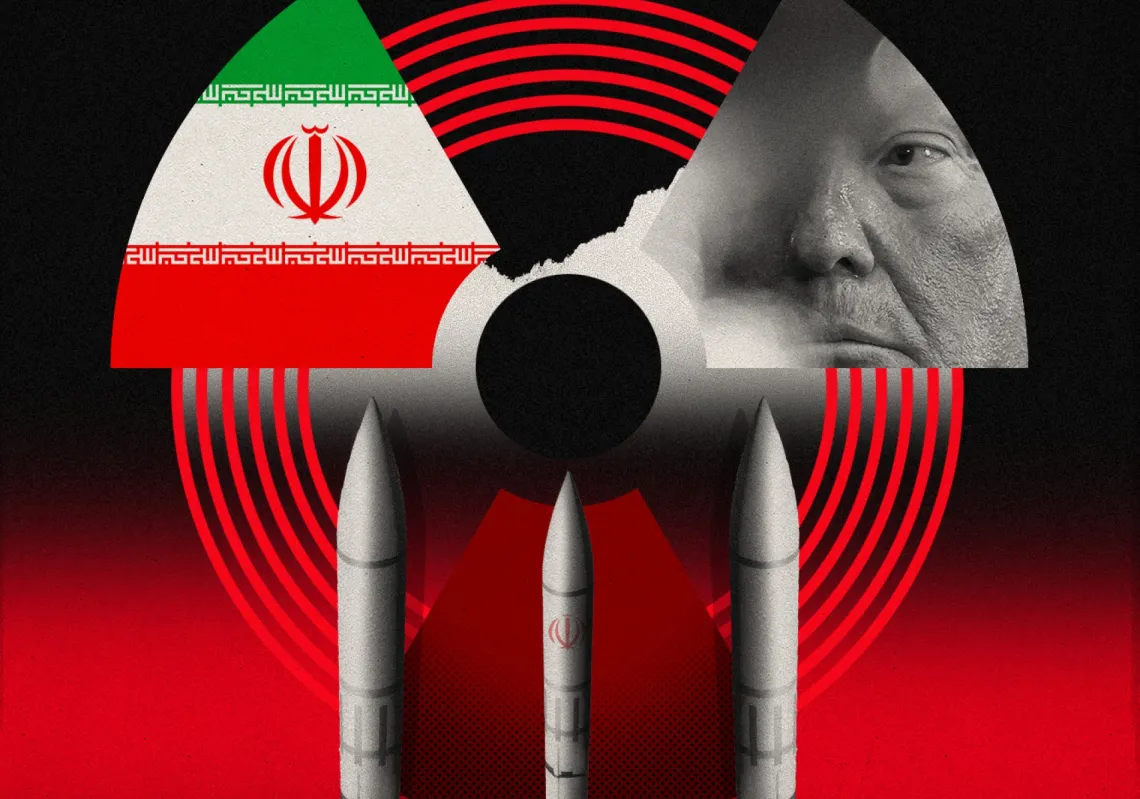
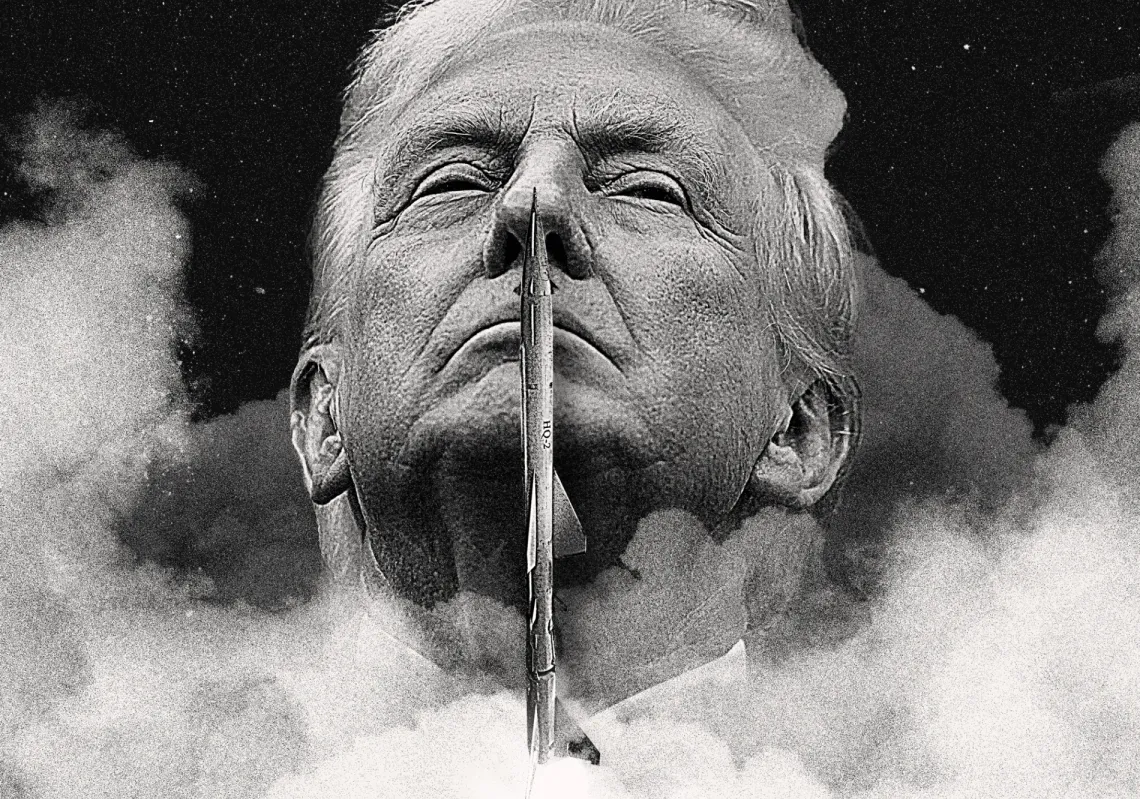
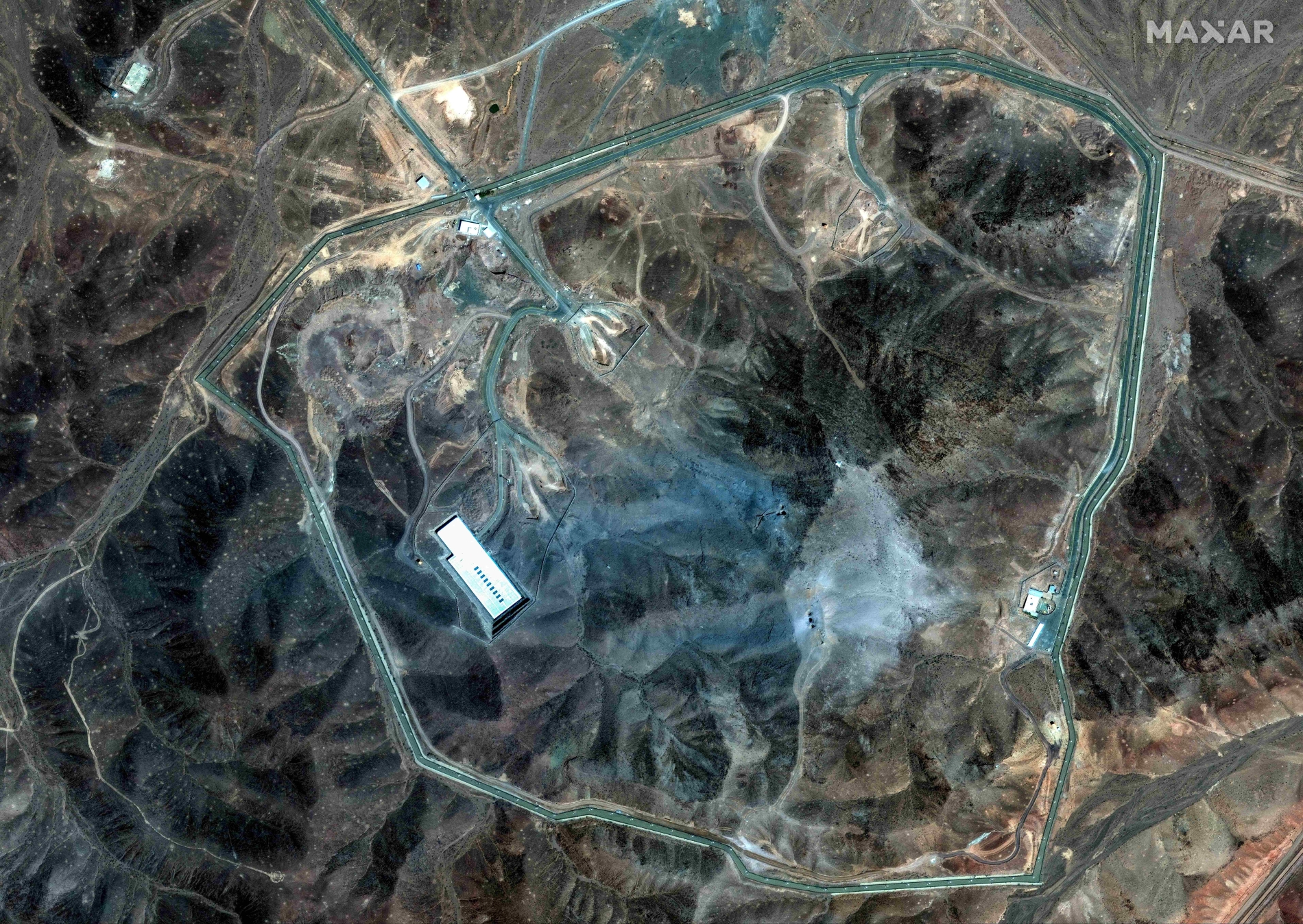
When American B-2 bombers struck Fordow, Natanz and Isfahan in June 2025, it marked the point of no return. Those attacks devastated Iran’s nuclear infrastructure but did not bring down the regime. Instead, they set the stage for further escalation—an escalation Israel was prepared to pursue.
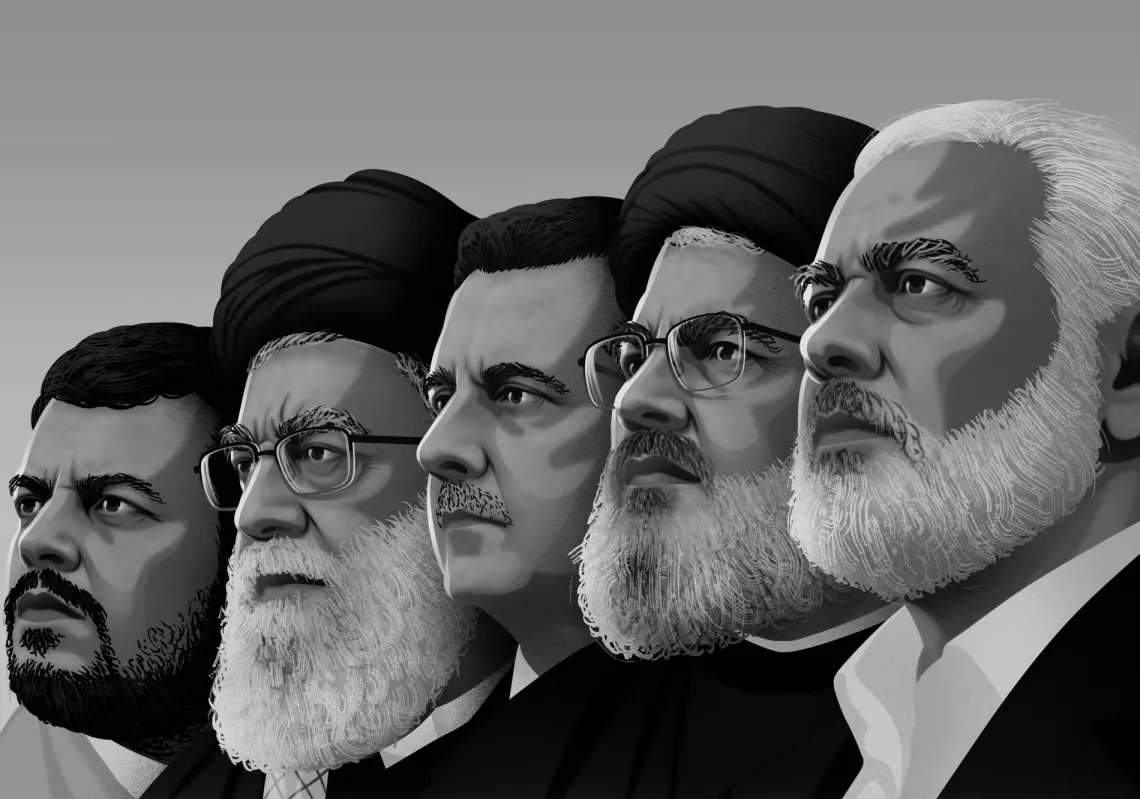
Khamenei's assassination was presented as the removal of the architect of regional destabilisation. For Israel, it was the culmination of a long-standing objective: decapitate the ideological centre of the Islamic Republic. For the United States, it was framed as a necessary step to prevent further escalation and protect its forces.
For the region, however, it has opened a strategic abyss. Iran has retaliated with missile and drone strikes across multiple theatres. US bases in Jordan, Iraq and the Gulf have been targeted. Israeli military installations have come under attack. Gulf airspace has been repeatedly closed. Energy markets have reacted with volatility, and insurance premiums for shipping through the Strait of Hormuz have surged.
The Gulf states now find themselves in the crosshairs of a confrontation they neither initiated nor desired. Their delicate balancing act—maintaining security partnerships with Washington while cautiously reopening channels to Tehran—has been shattered.
The most immediate risk is not a conventional war between Iran and Israel. It is a protracted regional conflict fought through missiles, cyberattacks and proxy escalation—one that draws in Lebanon, Iraq, Syria and Yemen, and threatens the economic lifelines of the Gulf.
Sweeping consequences
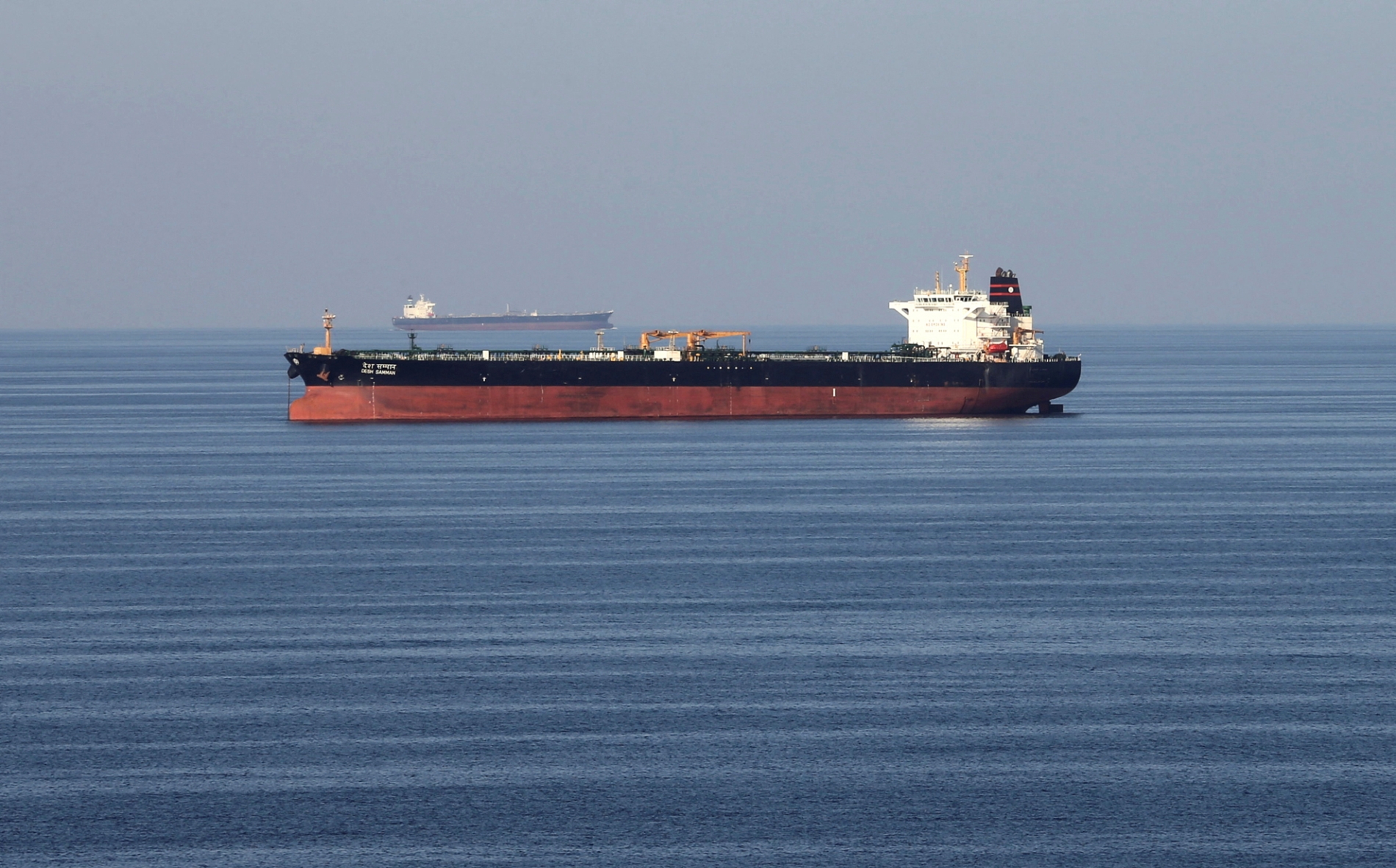
The Strait of Hormuz carries roughly one-fifth of the global oil supply. It does not distinguish between a strike planned in Tel Aviv and one authorised in Washington. If Iran chooses to disrupt maritime traffic, even temporarily, the economic consequences will extend far beyond the region.
Inside Iran, the picture is equally complex. While segments of the population celebrated the death of a leader they blamed for repression and economic hardship, others have rallied around the flag.
Nationalism, particularly when triggered by foreign attack, is a powerful force. The Islamic Revolutionary Guard Corps remains intact, cohesive and deeply entrenched in Iran’s political and economic structure.
Removing a supreme leader does not dismantle a system. It can consolidate it. A leadership vacuum in Tehran is unlikely to produce moderate reformists eager for regional détente. More plausibly, it will empower security hardliners whose worldview is shaped by confrontation. An Iran governed more directly by the IRGC—without even the symbolic authority of a supreme leader—may prove less predictable and more inclined toward asymmetric retaliation.
For Arab states, this presents a strategic dilemma. A weakened Iran once appeared to promise reduced interference in Arab affairs. But a destabilised Iran— fragmented or radicalised—could export instability on an even greater scale.
Sobering lessons
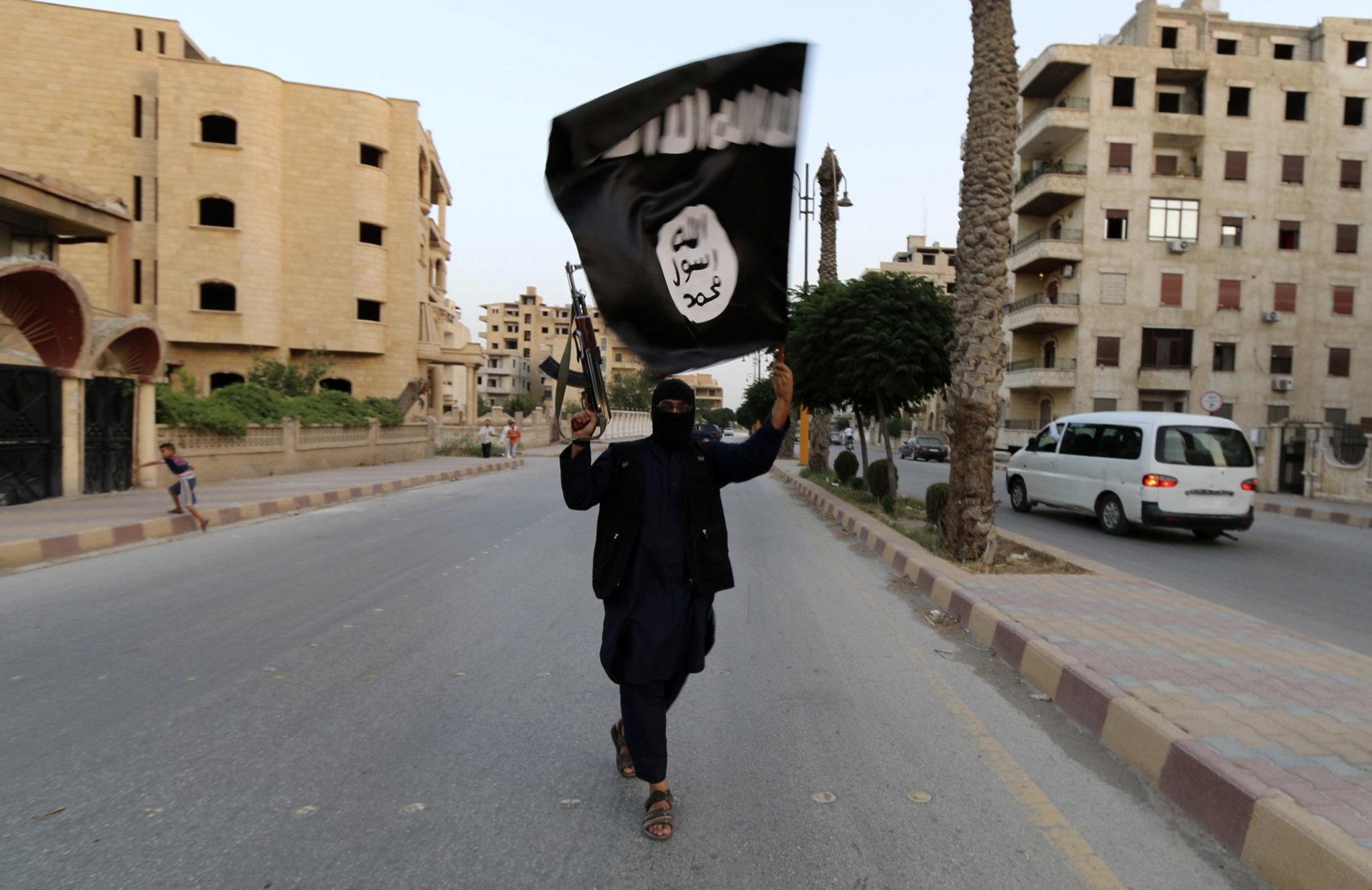
The experience of Iraq, Syria and Libya offers sobering lessons. State collapse does not produce order; it creates vacuums. External intervention without a political roadmap rarely yields stability. The region cannot afford another arena of prolonged fragmentation.
There is also a deeper concern: the erosion of regional agency. Once again, the Middle East risks becoming the theatre for strategic contests shaped primarily by external calculations. Israeli security doctrine and American political dynamics have driven this confrontation, yet its consequences will be absorbed by Arab societies—economically, politically and socially.
The critical question now is not whether Iran was at a strategic breaking point. It was. The question is whether breaking a state without a framework for what follows enhances regional security—or imperils it further.
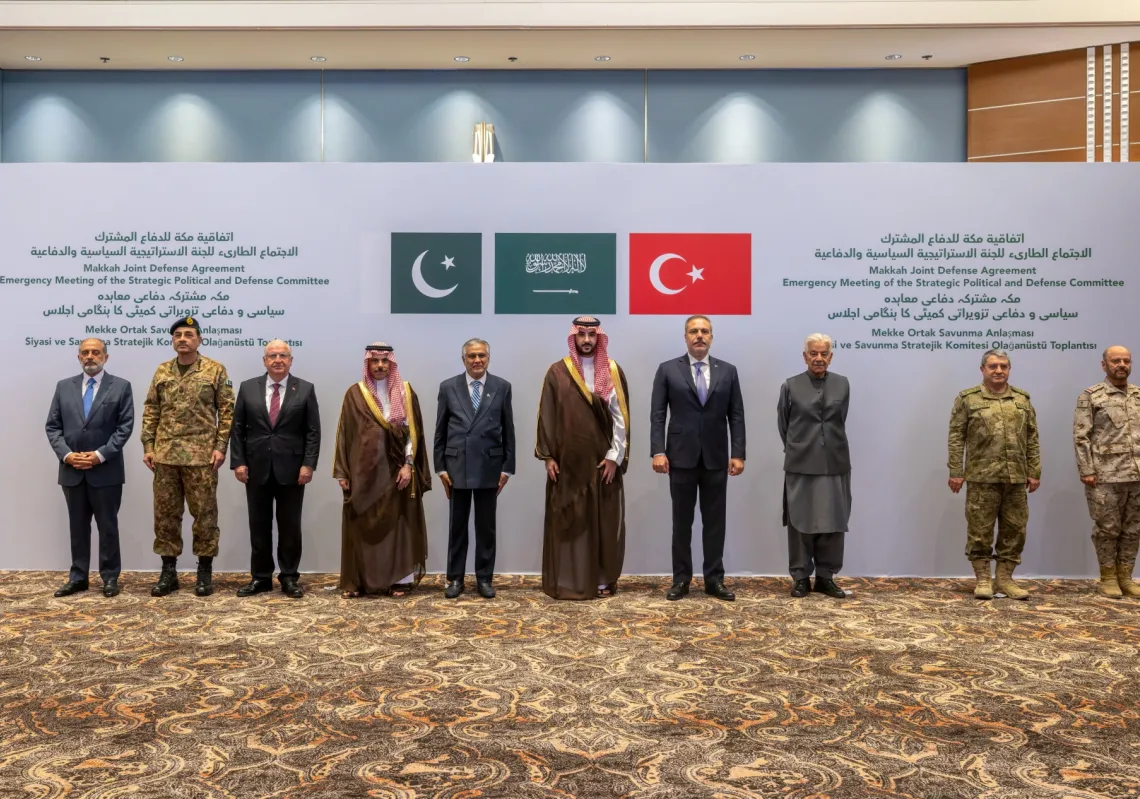
Arab capitals must move quickly to prevent the escalation from spiralling out of control. This requires urgent diplomatic coordination, not only with the US but also among regional actors.