

Jeffrey Epstein was born in the winter of 1953 in the Brooklyn borough of New York City, into a typical middle-class Jewish family. They weren't wealthy, influential or politically connected. His father worked a normal job, and his mother was a housewife. He was a quiet, academically gifted child drawn to numbers. But what made his story exceptional were the gaps in it: in his record, his money, his trajectory, and the truth.
In the early 1970s, Epstein enrolled at New York University and later moved to Columbia University, where he studied mathematics and physics. He was fascinated by equations and theories, but had little patience for the long route. He dropped out before graduating, without obtaining a degree or publishing any research.
When he later earned a reputation as a mathematical genius, it was treated as an unquestioned fact, even though there wasn't evidence of the prodigy he claimed to be. After dropping out, he didn't move straight into finance. He took a job as a mathematics teacher at an elite private school in Manhattan.
There, away from the blackboard and textbooks, the real lesson began. His students were not ordinary. They were the children of wealthy families, bankers, and influential figures on Wall Street. He knew how to speak with confidence and how to cultivate the impression that he was a powerful person.
A single recommendation from a parent at the school was enough to secure him a position at Bear Stearns—one of Wall Street’s most reputable firms. All at once, the former teacher with no degree found himself at the heart of the investment world.
Then, as abruptly as he arrived, he left. In the early 1980s, he left the bank without explanation and went on to become a wealth manager to the elite. At this point, it appeared that someone was guiding him and backing him.
He claimed he only worked with billionaires, and his investment method was so sophisticated it couldn't be understood by anyone except those with a deep understanding of advanced mathematics. His client list was private, and he never published any financial results. Yet, the money kept flowing in.

From obscurity to extravagance
Over time, he came to own mansions in Manhattan and Florida, a luxury apartment in Paris, and a private island in the Caribbean. He travelled by private jet and built a web of relationships that stretched from Silicon Valley to European capitals. The obvious questions that no one properly investigated were: who was paying for his extravagant lifestyle and why?
In time, Epstein became more than a financier. He became a broker, a go-between, the man who seemed to know everyone. He opened closed doors and brought together people who rarely crossed paths: politicians, scientists, princes, bankers, artists. He mastered the world of influence more than the investment world.
In the shadows, something sinister was also happening. Young women and underage girls were drawn into his orbit with promises of money, jobs, and a future. It began with a massage session and ended in sexual assault, abuse and even rape. There were safe houses, private jets, and an island that no one set foot on without an invitation.
In 2006, the first cracks appeared. Florida police received reports from a school after a dispute between two girls. Staff searched their bags and found they were carrying cash. It emerged that Epstein had recruited them for paid sexual encounters, and allegations surfaced of assaults against minors. The investigation was clear-cut and the evidence extensive. But what happened next would become a textbook example of what Americans call two-tier justice.
In 2008, an extraordinary deal was struck with the police. Epstein had his charges reduced and was sentenced to just 13 months in jail. Incredibly, he was permitted to leave prison daily for work. There was no federal prosecution, no uncovering of any wider network, and no big names exposed. The case was closed.
He walked out of jail as if he had merely committed a misdemeanour, returning to his luxurious life as if nothing happened. If anything, he seemed bolder, as though convinced the system would never catch him or, as some believe, that a bigger power was protecting him.
Newfound scrutiny
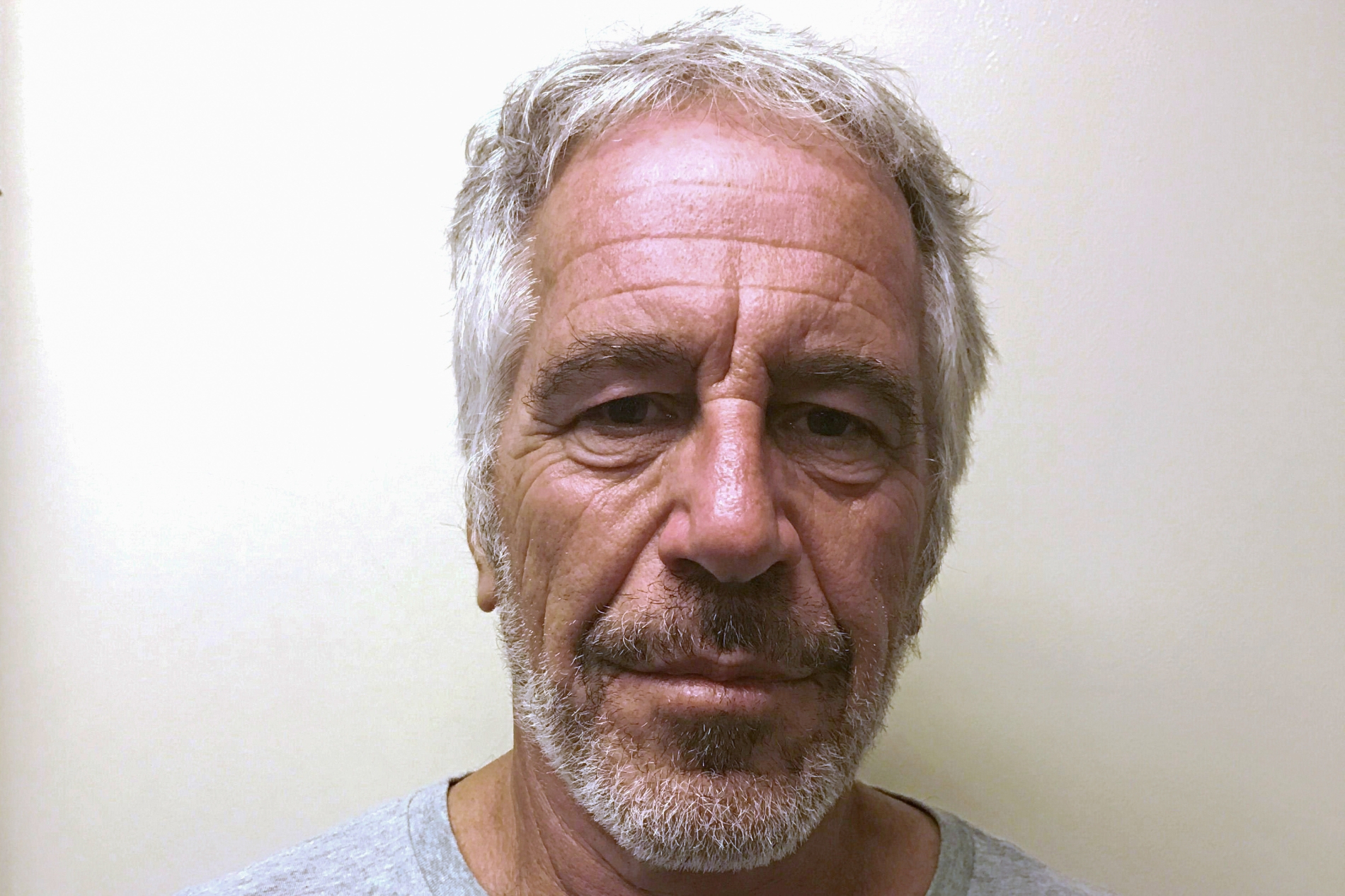
In 2019, as the momentum to hold sexual abusers to account gained steam, his name returned with newfound scrutiny. Federal prosecutors in New York reopened the case, even without a fresh complaint against him. This time, the accusations were grave: the sex trafficking of minors, the running of an organised network, and crimes carried out across state lines.
When he was arrested in July 2019, he was no longer the confident man he had been in earlier years. He looked pale and withdrawn, aware that this time the game had changed. He was held in a high-security federal jail as the world waited for a trial. Witnesses began to speak. Documents were brought forward. Names began to surface.
Then came the morning of 10 August 2019. That day, everything ended. Epstein was found dead in his cell. The official cause of death was suicide by hanging. Yet the circumstances were murky enough to ignite doubt: cameras that failed, guards who were asleep, lapses in monitoring, and injuries to his neck that fuelled a dispute among medical experts. A surveillance video from inside the jail later surfaced. The footage is unclear, but it appears to show a guard passing through the area without raising the alarm at the time.