
The Middle East is used to conflict, but the current moment is fundamentally different. Wars overlap, alliances are in flux, and long-standing assumptions about external protection and the regional order are eroding. For the Arab world, this is not simply another phase of instability; it is a strategic inflection point.
A basic question now confronts Arab states: will they continue to operate within a regional system shaped by others, or will they begin to shape their own security environment? The question cannot be deferred any longer. The costs of fragmentation have risen sharply, and the region’s vulnerability today stems less from a shortage of power than from a shortage of collective vision.
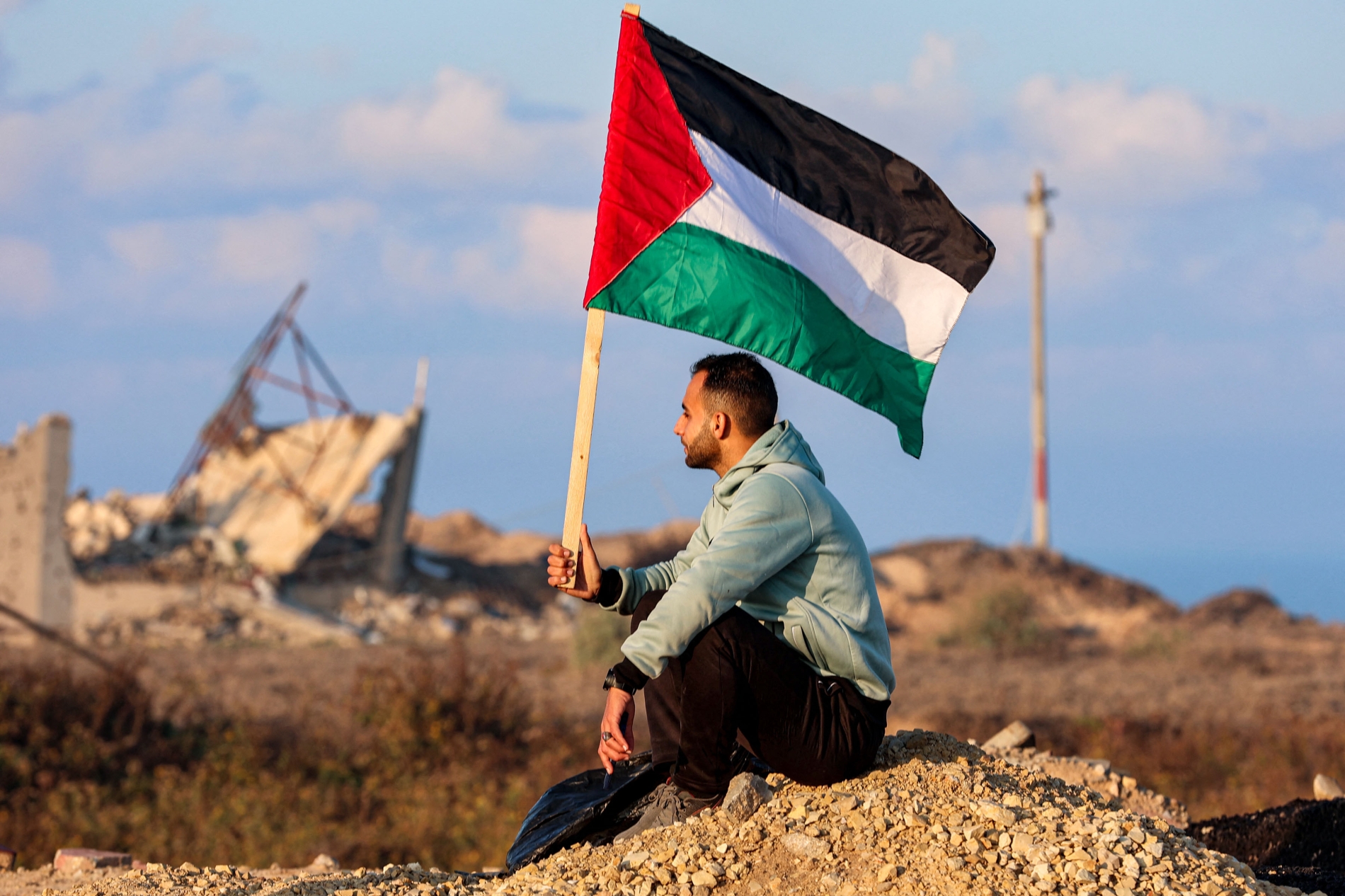
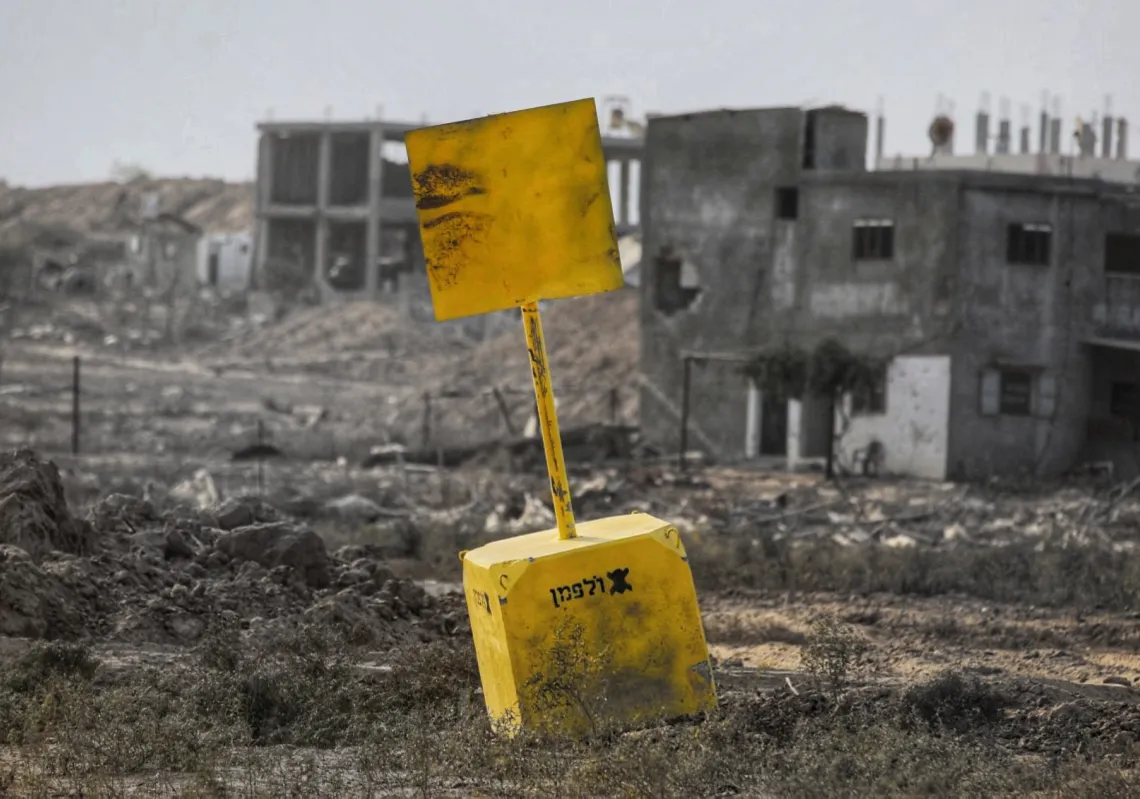
After decades of foreign intervention, internal conflict, and institutional decay, the Arab world has a choice: continue with division and dependency, or articulate a coherent regional security framework that restores Arab agency. The war in Gaza, Israel’s expanding regional footprint, and the reduced engagement of the United States expose the fragility of the existing order.
Increasingly, the West seems selective in its application of international law and inconsistent in its defence of civilian protection and sovereignty. This has not gone unnoticed. Double standards undermine the credibility of the very system meant to uphold stability. For Arab states, it underscores a hard truth: reliance on external guardians is no longer strategically viable, nor politically sustainable. Despite its devastating human toll, Gaza may have catalysed a strategic reckoning that may yet redefine Arab thinking about security, sovereignty, and responsibility.
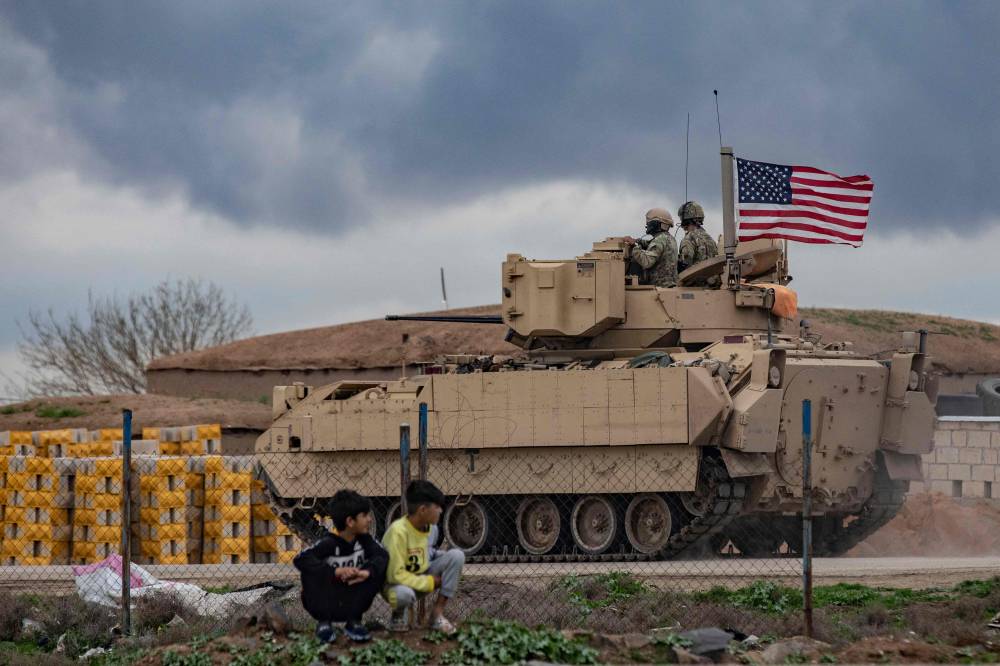
For much of the past three decades, Middle East security has been conceived primarily through an external lens. The 2003 US invasion of Iraq and subsequent military interventions were all premised on the belief that political realities could be reshaped by military superiority, but the invasion dismantled state institutions and unleashed sectarian dynamics whose consequences still reverberate.
The Arab uprisings of 2011 resulted from popular discontent, but rather than usher in democratic transformation, the grievance-led uprisings often produced state collapse, civil wars, and power vacuums exploited by extremists and regional rivals.
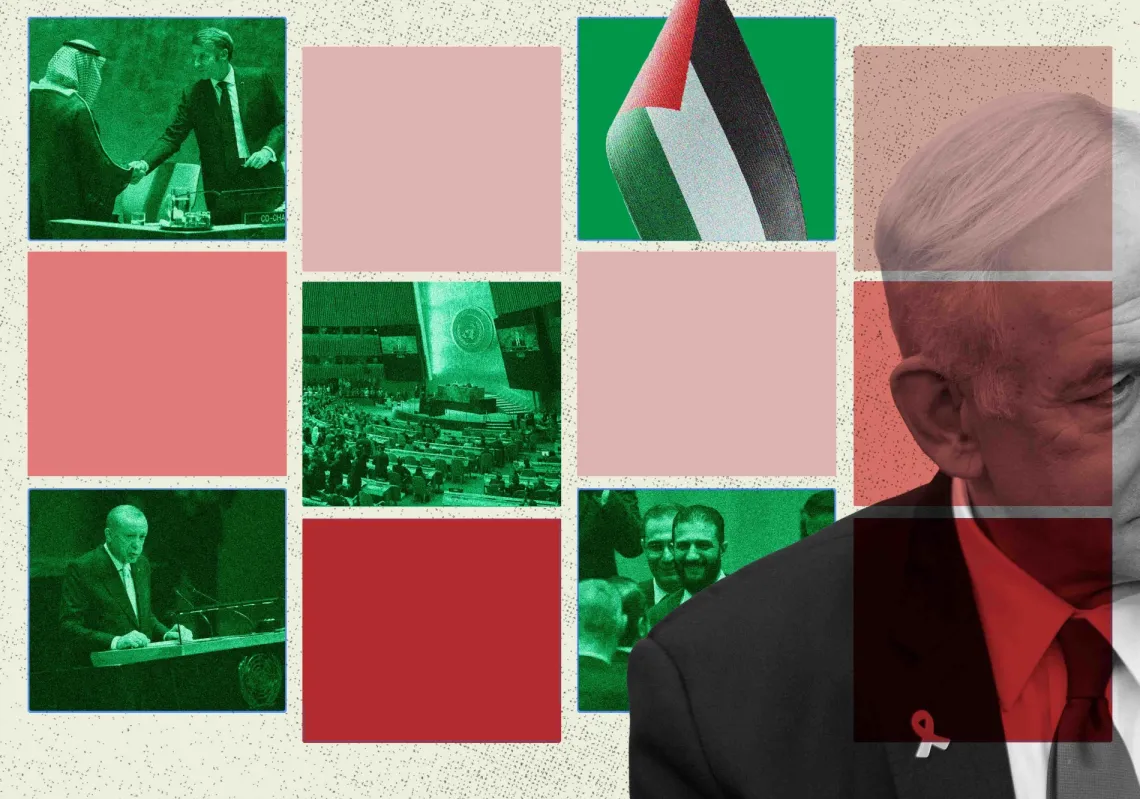
What compounded these failures was the widening gap between Western rhetoric and practice. Calls for a rules-based international order increasingly coexisted with selective enforcement, particularly in the Middle East. As Canadian Prime Minister Mark Carney acknowledged at Davos this year, Western credibility has been undermined by double standards in the application of international law and the protection of civilians.
Mask off moment
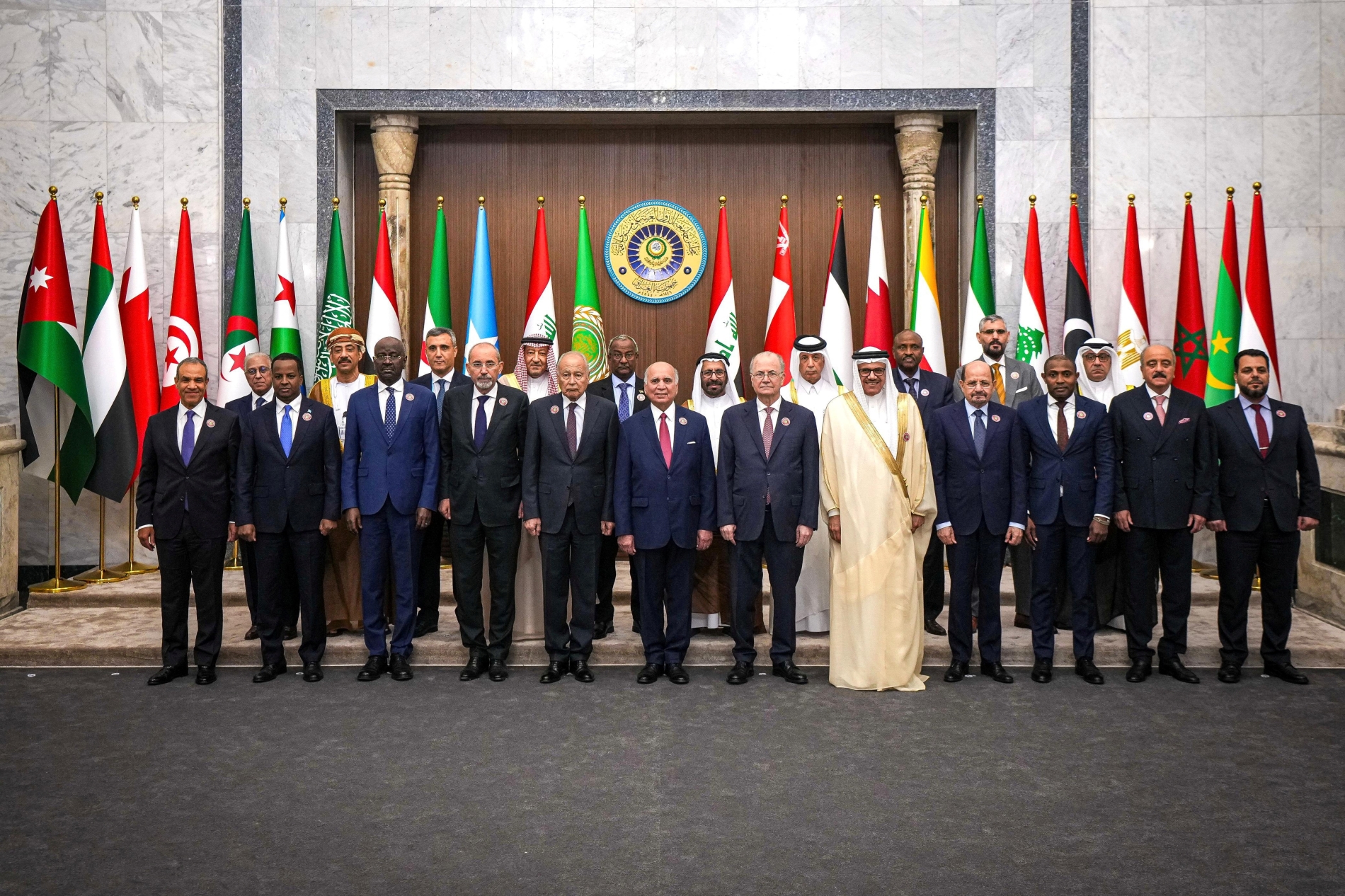
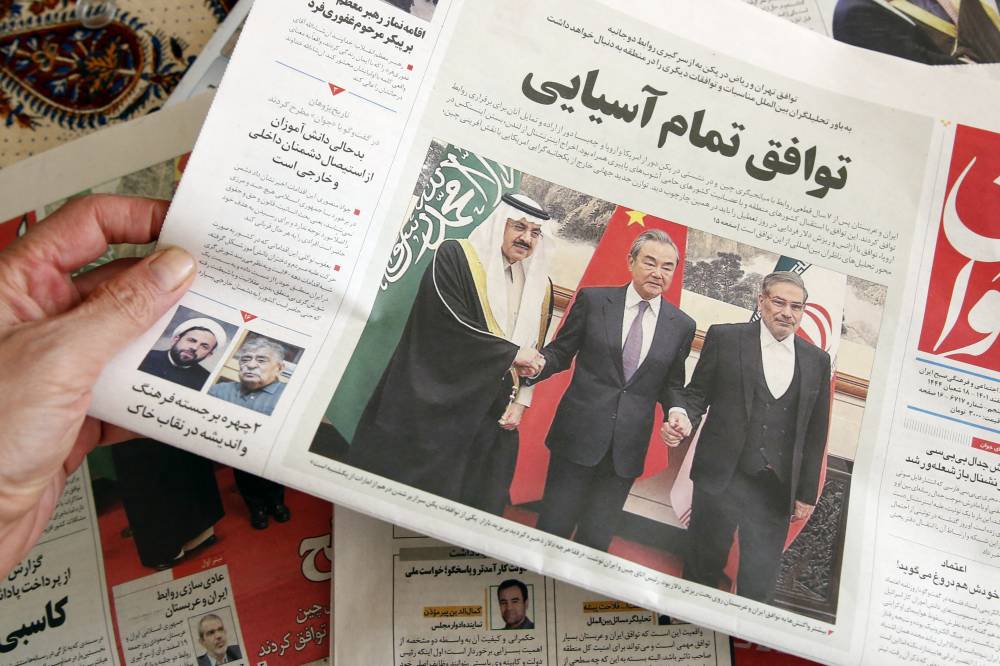
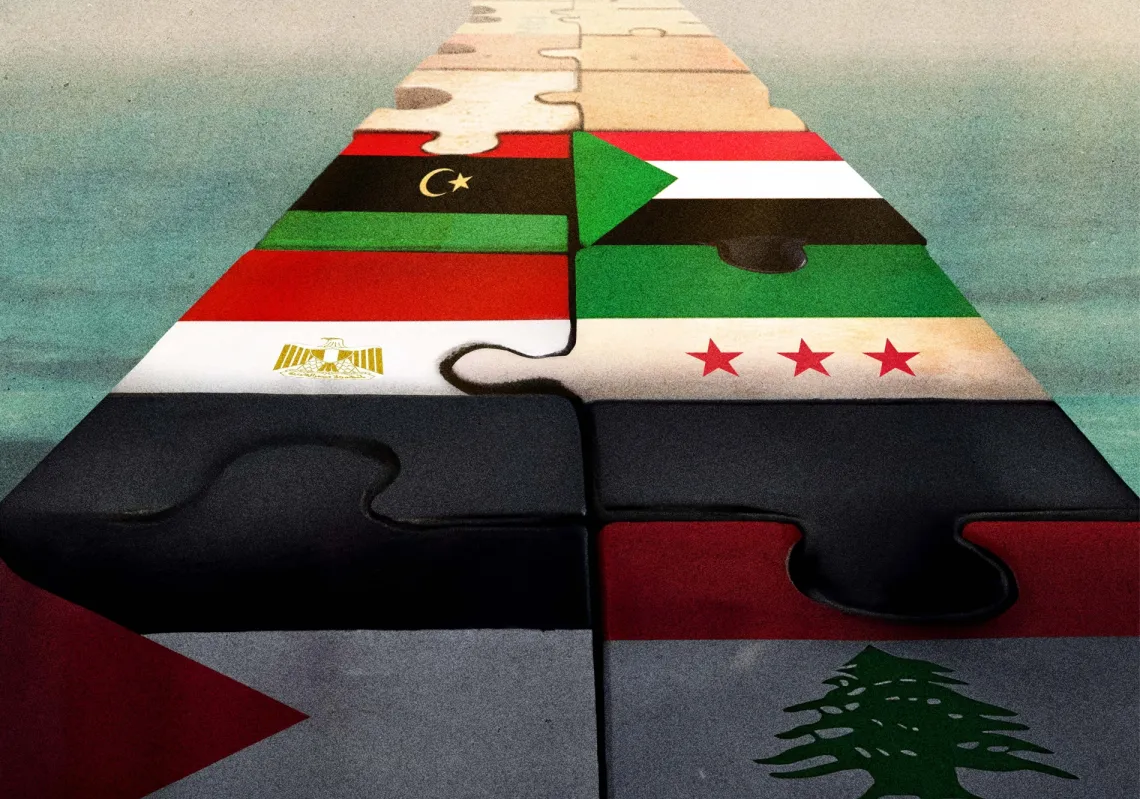
This was not just symbolic. It confirmed the erosion of Western normative authority as structural rather than episodic. For Arab states, this has sharpened awareness that security frameworks anchored primarily in external legitimacy are inherently brittle. These developments have therefore profoundly weakened Arab collective action. The Arab League, for instance, has lost relevance as individual states prioritised bilateral security arrangements with external powers.
States’ strategic approaches diverged. Some relied on US security guarantees, others chose Russia or China. A few sought to position themselves as ‘regional brokers.’ The result was fragmentation and strategic incoherence, leaving the Arab world to react to crises, rather than shape their outcomes.