Gold’s ascent points to strains in the dollar-centric global financial order

Rising bullion prices, volatile currency markets, and renewed debate over US monetary strategy reflect deepening doubts about Washington’s stewardship of the global financial system

Al Majalla

Gold’s ascent points to strains in the dollar-centric global financial order

Since the beginning of the year, global markets have experienced sharp volatility across key indices, reflecting a pervasive climate of financial and economic unease. Geopolitical tensions, escalating military risks, and intensifying competition over strategic and precious minerals have contributed to a global environment of uncertainty, while speculation in gold and silver, instability in commodity and energy prices, and fluctuations in the dollar’s exchange rate have compounded the anxieties of policymakers and central bankers alike.

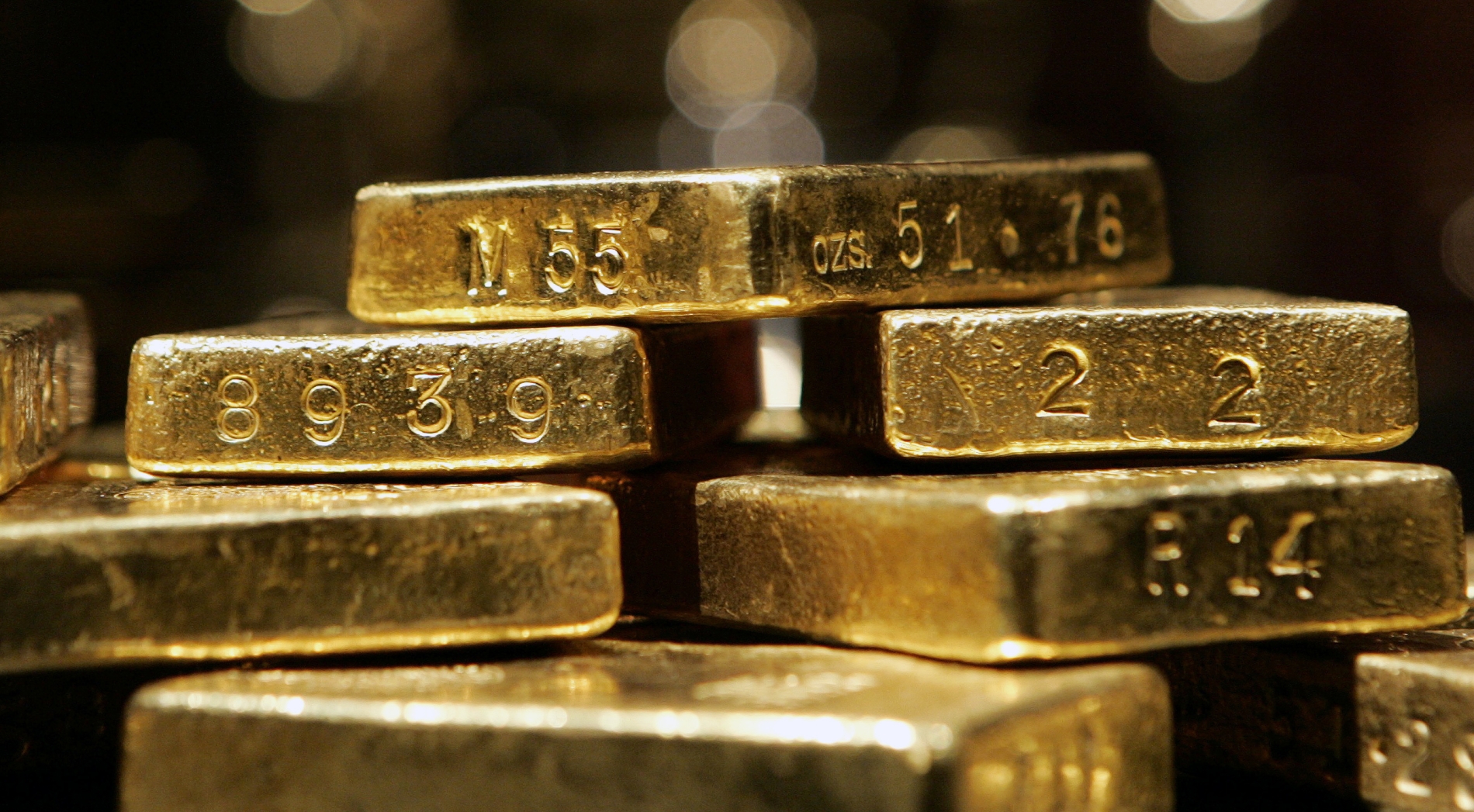
In late January, gold surpassed $5,500 per ounce for the first time, even as the dollar retreated against most major currencies. The greenback later regained some ground, by which time gold had shed part of its gains amid profit-taking. The reversal was influenced in part by the nomination of Kevin Warsh to lead the US Federal Reserve, which fuelled expectations of policy adjustments affecting interest rates and the management of US debt.

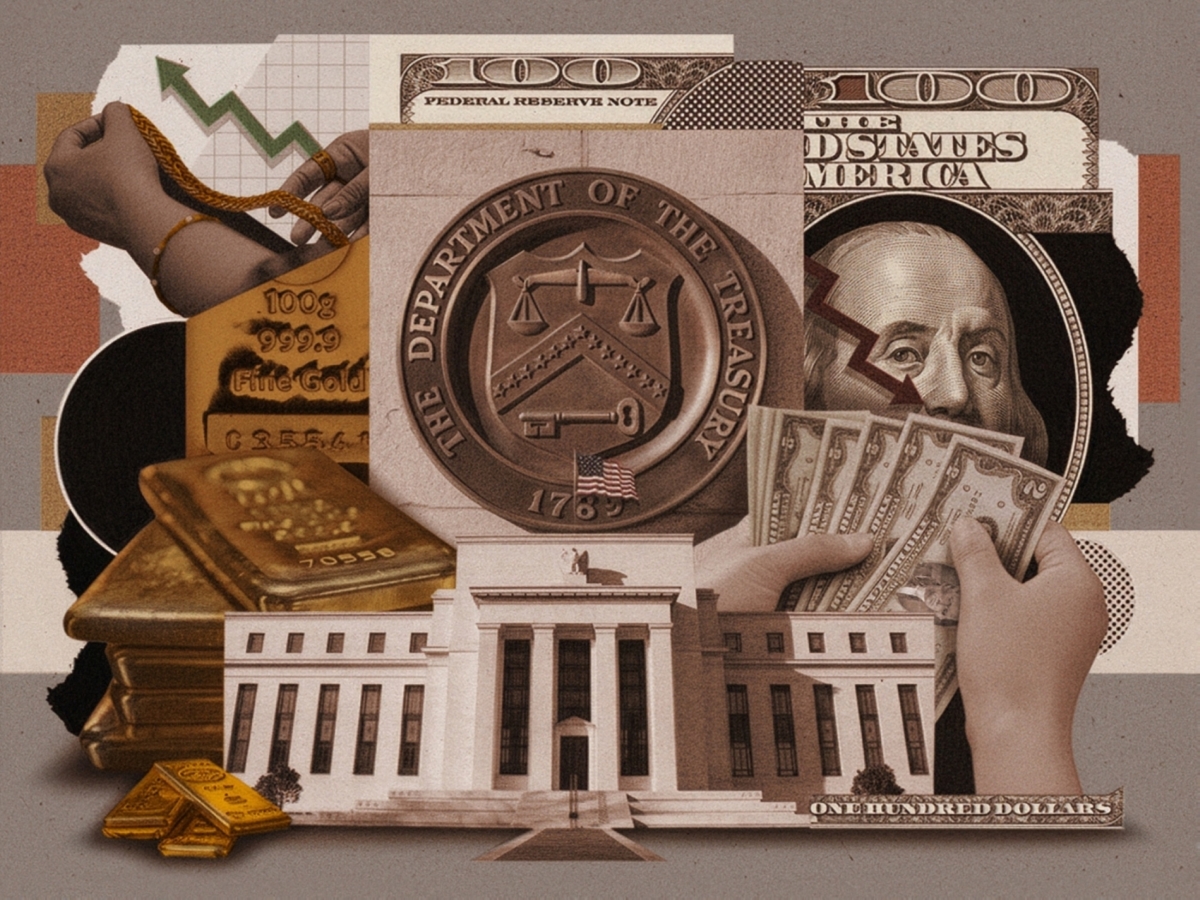
The relationship between gold and the dollar remains technically intertwined, noted The Wall Street Journal, generally favouring the precious metal, which is priced in dollars and typically benefits from any weakness in the US currency.

Demand for gold traditionally strengthens in times of crisis. Economic, trade, and financial sanctions have encouraged states to accumulate precious metals as safe havens in anticipation of currency shortages. Gold has risen by more than 60% over the past year and gained 11% in January before retreating by 9% at the beginning of February. Silver also exceeded $110 per ounce last month, reflecting a fervent rush towards precious metals.

An analysis published by India’s Economic Times noted that profit-taking and the dollar’s partial recovery—set against geopolitical and monetary concerns and fears of resurgent inflation—have weighed on markets in recent days. Even so, gold prices remain historically elevated despite the recent pullback. India ranks among the largest gold markets in South Asia and the Near East.

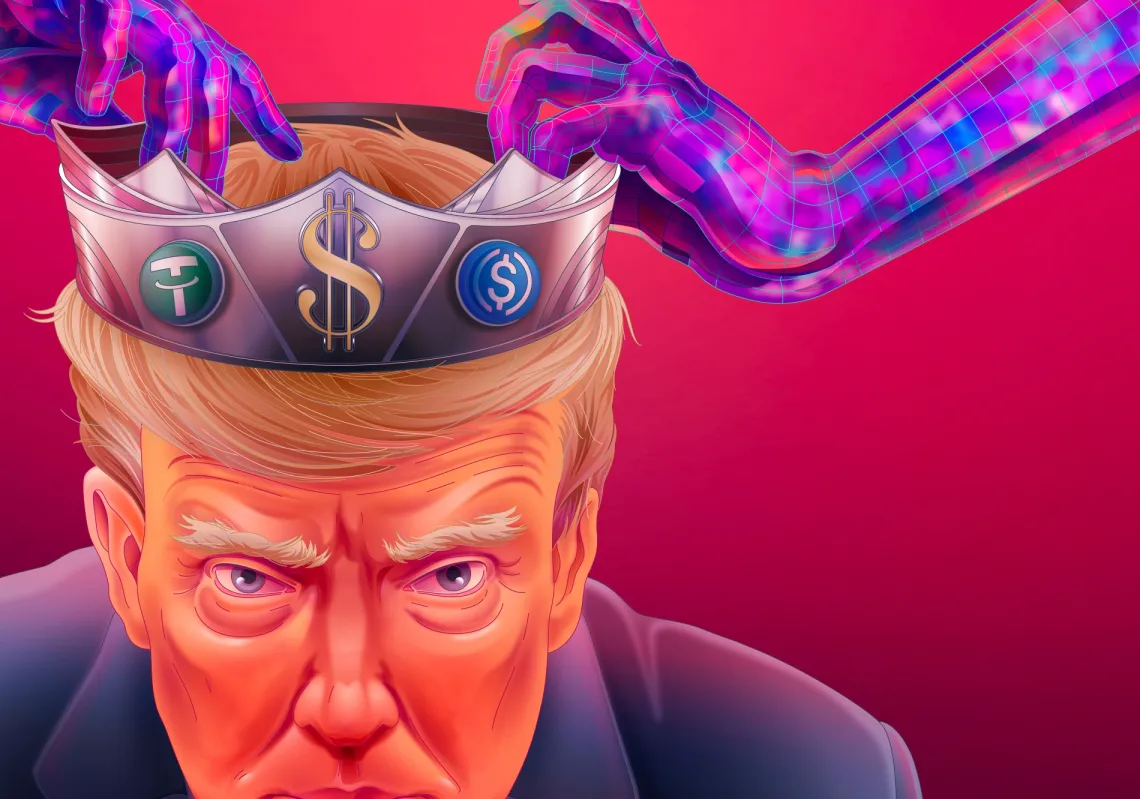
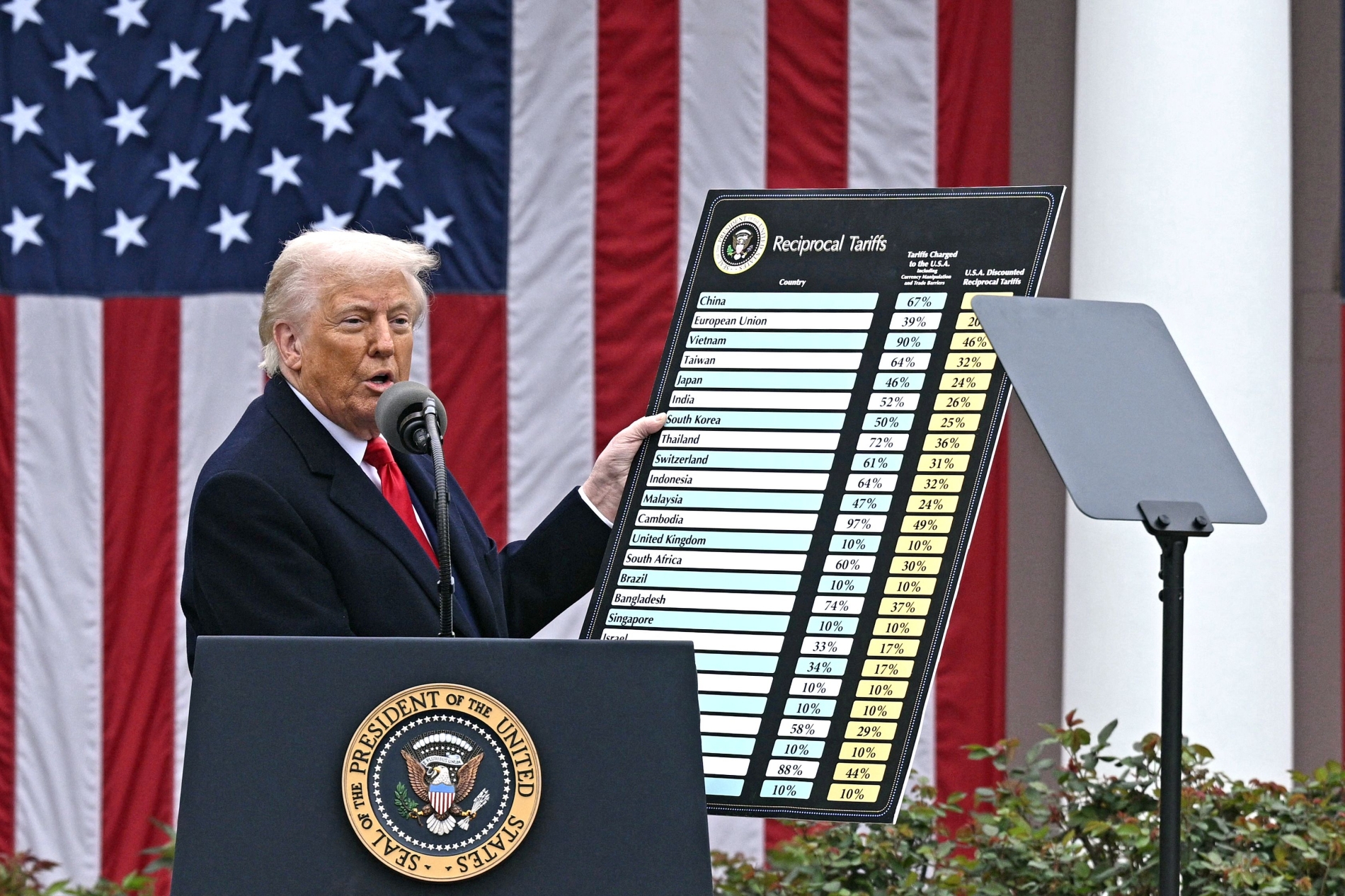
US President Donald Trump recently announced a reduction in tariffs on India from 50% to 18%, stepping back from earlier threats of sanctions linked to New Delhi’s purchases of Russian oil. The move sent a stabilising signal to markets and reinforced demand for the dollar. At present, the US currency appears to derive more support from financial market confidence than from the policy preferences of the US administration, which has indicated a preference for a relatively weaker dollar to boost exports and investment.
Brendan Smialowski/AFP
US President Donald Trump delivers remarks on reciprocal tariffs during an event in the Rose Garden entitled "Make America Wealthy Again" at the White House in Washington, DC, on 2 April 2025.

Trump wants to attract trillions of dollars in foreign direct investment to the US, particularly from the European Union, the Gulf states, Japan, China, and South Korea. Some analysts question the scale of his projections, suggesting that total inflows may reach $9.5tn during his term, according to the French economic daily Les Echos.
When asked about the dollar's slide to a multi-year low, US President Donald Trump said, "I think it's great."

Other analysts argue that the improved performance of the US economy over the past year, declining inflation, and the nomination of Warsh, who played a role in the Federal Reserve's response to the 2008 global financial crisis, could offer markets a measure of reassurance in a turbulent global climate. The Federal Reserve is expected to play a pivotal role in shaping monetary policy, retaining flexibility over interest rates and potentially restoring confidence among partners and investors amid mounting criticism of the president's fiscal, monetary, and trade policies.

AFP
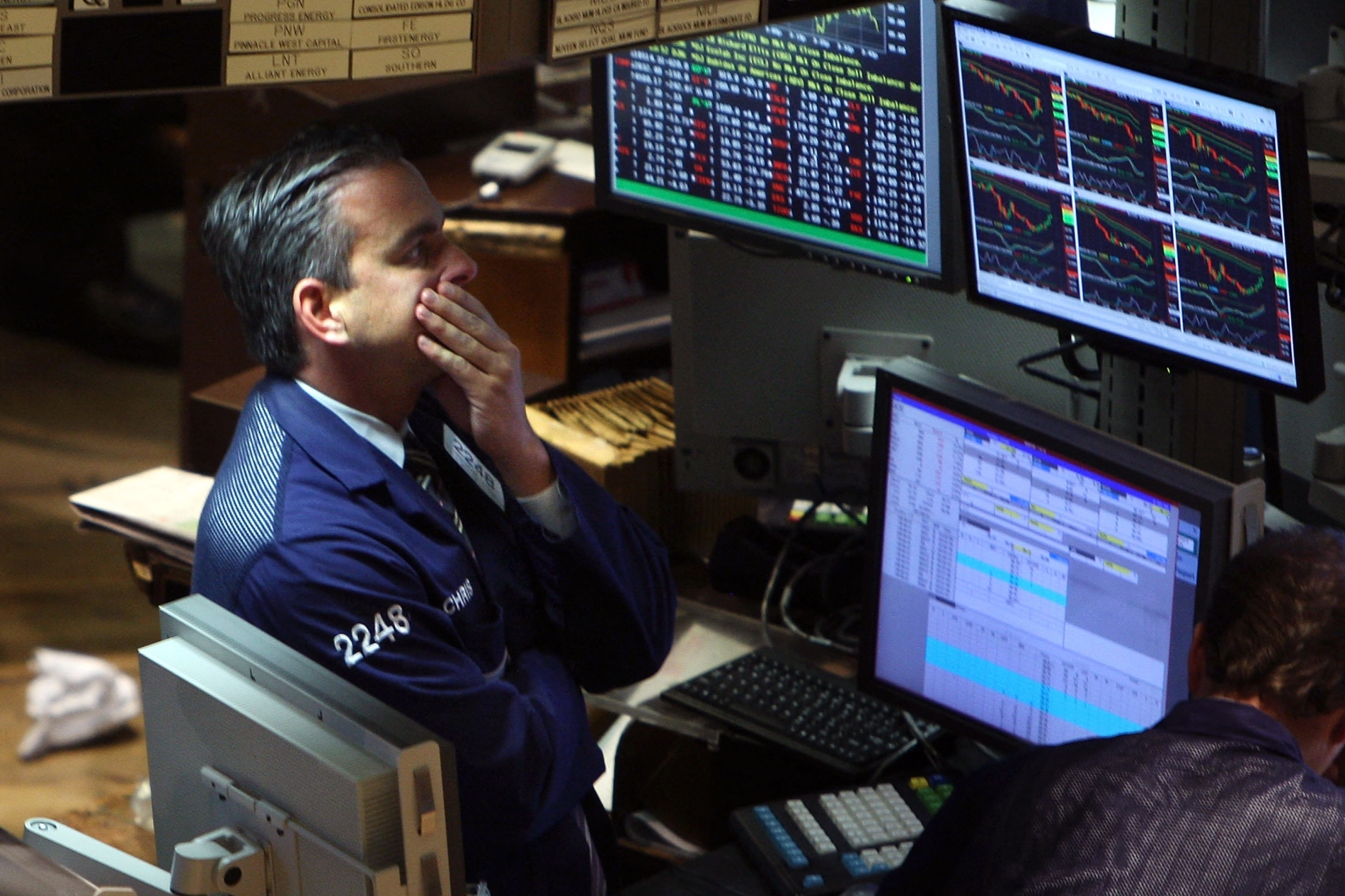
The New York Stock Exchange during the global financial crisis of 2008, on 29 September 2008.

2008 crisis repeat?

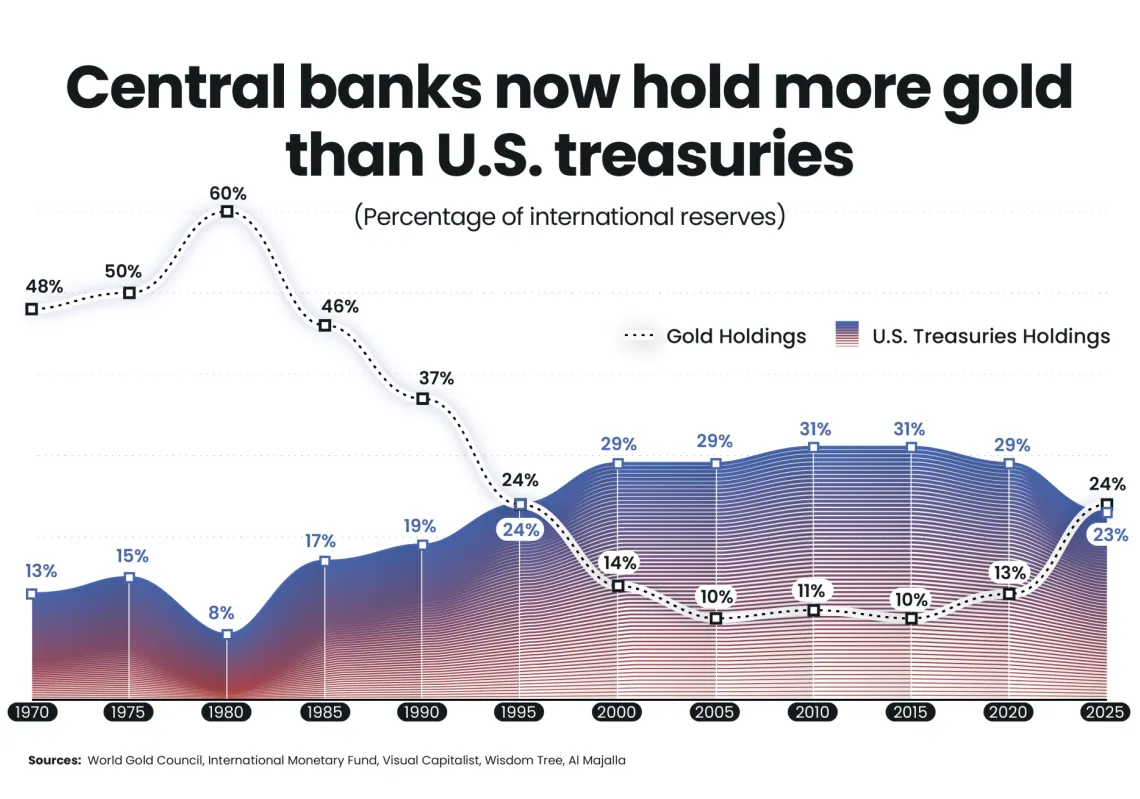
The global economy is shadowed by concerns that the formation of financial or monetary bubbles reminiscent of past crises, including the US subprime mortgage collapse, could occur if speculation in precious metals and currency markets intensifies. Analysts note that while the 1971 suspension of dollar convertibility into gold ended the Bretton Woods system, it did not eliminate the market relationship between the two. Gold remains priced in dollars and often moves inversely to the US currency, meaning shifts in American monetary policy continue to influence the balance between the dollar and the yellow metal.

When asked about the dollar's slide to a multi-year low, Trump said, "I think it's great." He maintains that a weaker US currency enhances external competitiveness, boosts exports, and helps address elements of the trade deficit, which approached $1tn in 2024. As import costs rise, American consumers tend to purchase fewer foreign goods. The strategy of softening the dollar appears to extend the logic of tariff confrontation, which has yet to produce a structural shift in the US's external payments imbalance.

According to analysts, the current state of the US consumer industry remains fragile and ill-suited to such an experiment. Many imports originate in China, or from American investments based there, particularly in the technology sector, including companies such as Apple and Intel, as well as microchips and electric vehicles.

A weaker dollar may erode the purchasing power of American consumers at home and abroad, particularly amid a growing federal deficit and public debt approaching 130% of GDP. Such conditions encourage investors, both individual and institutional, to seek refuge in safe havens, foremost among them gold, regardless of inflation forecasts.

Reuters
Gold bars on display at the Museum of Natural History in New York, on 19 August 2019.

Declining confidence

This behaviour has spread across global stock exchanges, accompanying the rise in gold prices. At its core, it reflects declining confidence in the US's ability to uphold its longstanding role as steward of the international economic and financial order—a responsibility it has carried since the 1940s.

This perspective accords with the classical understanding of gold as an inverse measure of confidence in currency or property, rather than merely a financial instrument for hedging or short-term speculation. The Bank for International Settlements tends to interpret the sharp ascent and subsequent retreat of gold and silver prices as evidence of speculative dynamics rather than traditional safe-haven demand, which helps explain the speed and intensity of these price movements.

The euro, pound sterling, Swiss franc, and Japanese yen are among the currencies that stand to benefit from dollar weakness, which may persist in the coming weeks ahead of a possible second-quarter interest rate cut. Renewing international trade contracts could also lower costs, offsetting tariff-related losses and helping curb inflation. Should prices stabilise or fall, energy-importing economies within the European Union are likely to benefit, as are emerging markets in Latin America and Africa.

Energy-importing economies in North Africa, likewise, stand to gain from a weaker dollar. Morocco and Tunisia are among the principal Arab beneficiaries, given that they export in euros and import in dollars, carry substantial debt burdens, and maintain significant exposure to international markets. 

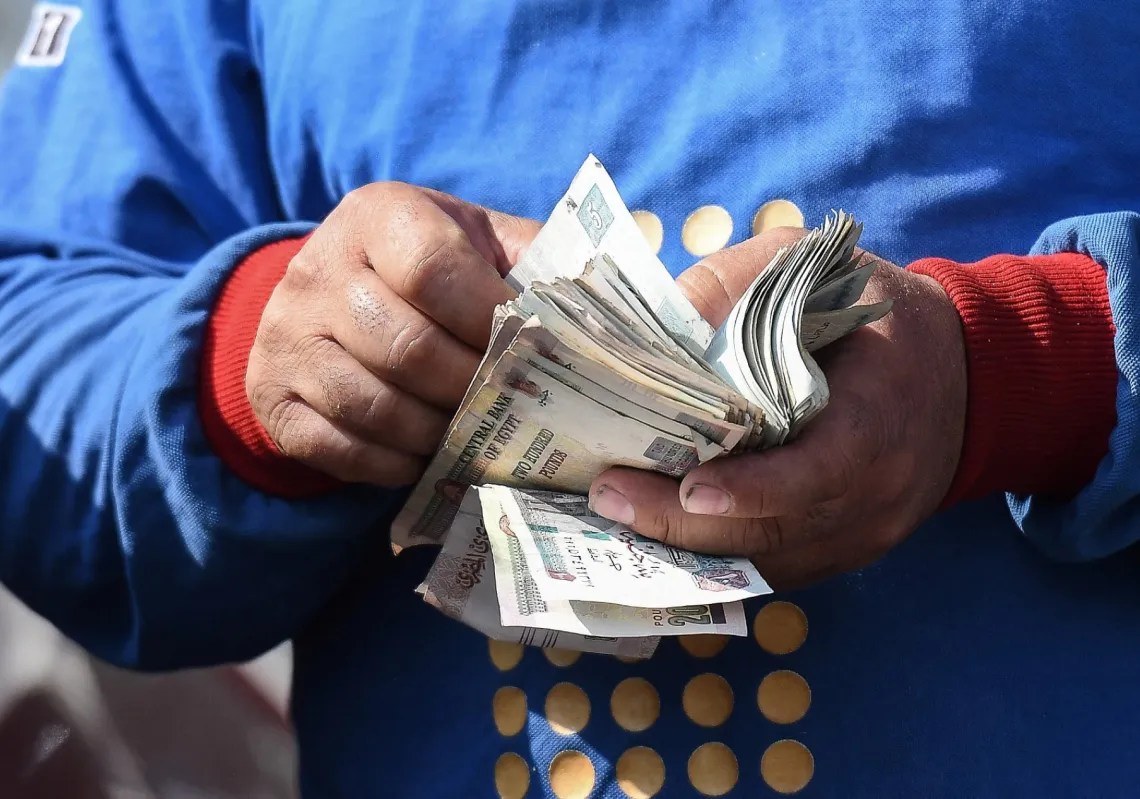
Each depreciation of the dollar strengthens growth prospects, reduces fiscal deficits, and eases the servicing of dollar-denominated external debt. It may also support the stabilisation and gradual recovery of local currencies, particularly the Egyptian pound, which has faced acute foreign currency shortages.

font change